You can start cricket in the U.S. with a casual soft-ball game or an adult-beginner practice. Ask what ball the group uses and whether novices are welcome. Hard-ball sessions need properly fitted protection and supervision. If a session lacks them, start with something gentler.
How Should a Complete Beginner Start Playing Cricket?
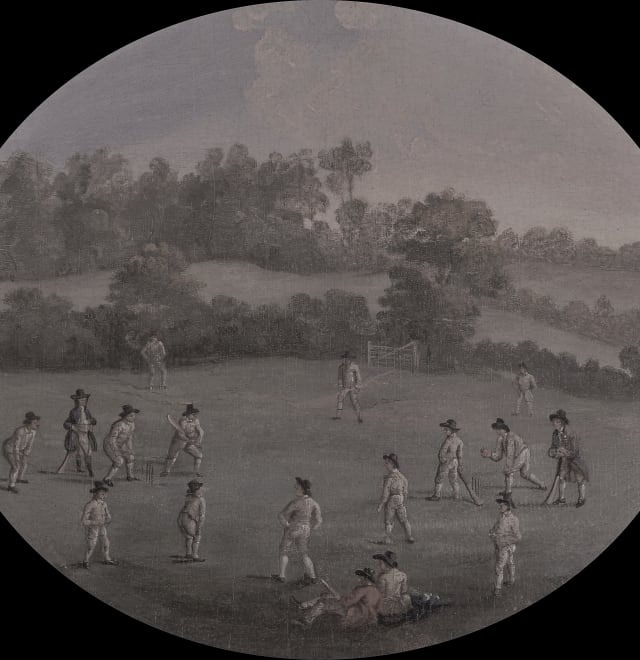
You don't need to know how to bowl, own a bat or have a place on a competitive team. What you need to decide first is which kind of cricket to try.
| Starting route | Who it suits | What matters before you begin |
|---|---|---|
| Casual soft-ball cricket | You have a few interested friends and want to handle a bat and ball without joining a club | A place to play, agreed rules, a soft ball and care around other people nearby |
| Beginner nets or coaching | You want guidance, controlled deliveries and feedback without needing a team place | An instructor who works with complete beginners, the ball type and the equipment |
| Adult club practice | You want regular training, teammates and eventually friendly matches | A club that welcomes adult novices, supervises beginners and explains its equipment requirements |
Which route you pick depends on who is near you: friends to play with, a coach or a club.
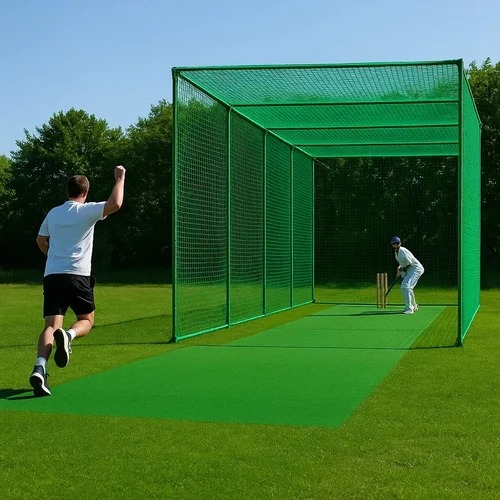
Nets are practice lanes where players work on batting and bowling in a controlled setting. A net session can use either a soft or a hard ball.
Informal cricket adapts to the number of players, the space and the experience level. The England and Wales Cricket Board describes introductory activities that don't need a full formal match.
The ICC's criiio cricket program is an adaptable eight-week introduction covering batting, bowling, fielding and basic rules.
Where Can You Find a Beginner-Friendly Cricket Group in the US?
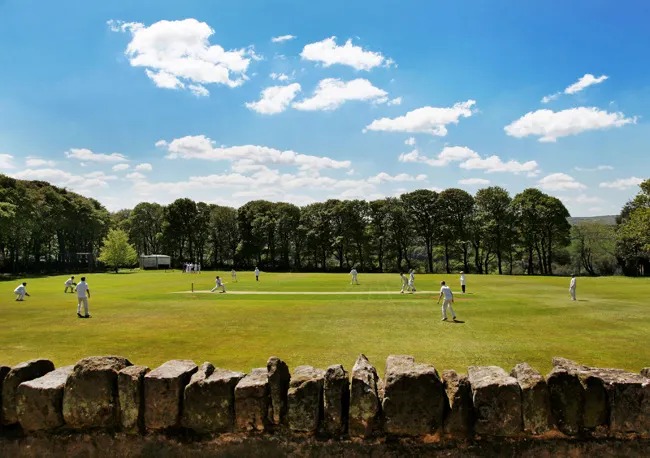
Look for an organization that takes adults who have never played. Local cricket associations, community groups, university clubs and independent coaching facilities are all places to start.
Search phrases such as adult beginner cricket [city], cricket club practice [city], beginner cricket nets [city] and recreational softball cricket [city] turn up training sessions rather than league schedules and spectator information.
A newcomer near Philadelphia ran into this problem:
Hello. Im turning 21 next month. I have no experience playing cricket but would love to learn and play. Most of the clubs around see are either for the youth or for those with prior experience that just want to play games. I live near Philadelphia, Pennsylvania, USA, where cricket isn't very popular. Any advice on how to get started?
Some listings describe youth programs, while others advertise competitive adult teams. An experienced club may still have a development group, and a coach may take beginners without offering a team place. What counts is whether someone will take an adult beginner.
The University of Cincinnati Cricket Club says it welcomes people with no previous playing experience and provides shared equipment. Its published guidance asks newcomers to email before visiting because practice can occasionally be canceled.
Shortlist one or two organizations and find the contact for whoever runs practice. For comparing teams, coaches and practice sessions, see finding a beginner-friendly cricket club in the USA.
What Should You Ask a Cricket Club Before Showing Up?
Send the organizer a few questions before you go.
| Check | What to establish | Why it matters |
|---|---|---|
| Beginner access | Can a complete adult novice attend? Will someone teach the basics? | A standard team practice can assume previous experience |
| Session details | What are the next confirmed date, time, address and registration steps? | Outdoor practices and scheduled sessions change |
| Ball and supervision | Is the session soft-ball or hard-ball? Who runs beginner practice? | The ball decides which skills and protection you need |
| Equipment and surface | Are bats and protective items available? What footwear is allowed? | Shared equipment and playing surfaces differ |
| Fees and commitment | Is there a trial fee, membership requirement, waiver or other condition? | Trying a practice and joining a league team come with different terms |
At the University of Cincinnati Cricket Club, newcomers attend practice without paying membership dues first.
Hi, I'm an adult complete beginner in [city]. Could I attend a supervised first practice? Is it soft-ball or hard-ball, and can I borrow the necessary equipment? Are there trial fees or other requirements? Please confirm the next date and exact location.
Keep the reply with your visit details, especially if the ground is a long drive away or practice might be rescheduled.
What Cricket Equipment Do You Need for Your First Session?
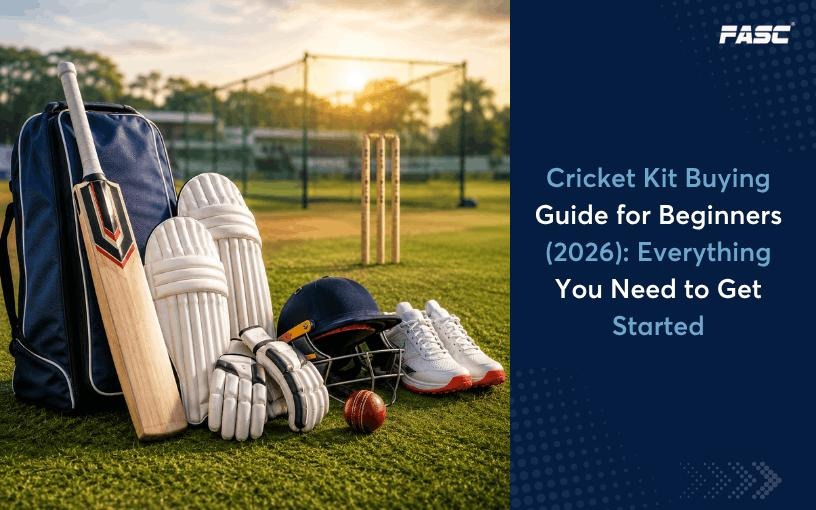
Your first equipment depends on the session you've arranged. A casual soft-ball game and a hard-ball batting net call for different protection.
| First activity | What you might bring | What to borrow or confirm | What can usually wait |
|---|---|---|---|
| Casual soft-ball game | Comfortable athletic clothing and permitted footwear | Whether the group provides a bat and soft ball | A full hard-ball kit |
| Beginner nets or coached practice | Clothing and shoes that fit the surface | Bat, ball type, supervision and the protection the session requires | A personal bat and specialist kit until you know the activity |
| Hard-ball club practice | Clothing, approved footwear and the personal protection the organizer specifies | A correctly fitting helmet, pads, gloves and any other protection required for your role | Larger purchases until the club tells you what you need |
A hard ball usually means the firm leather cricket ball used in conventional club play. Recreational soft-ball games may use a tennis ball or soft synthetic ball. The ball changes the demands on batting, fielding and protective equipment.
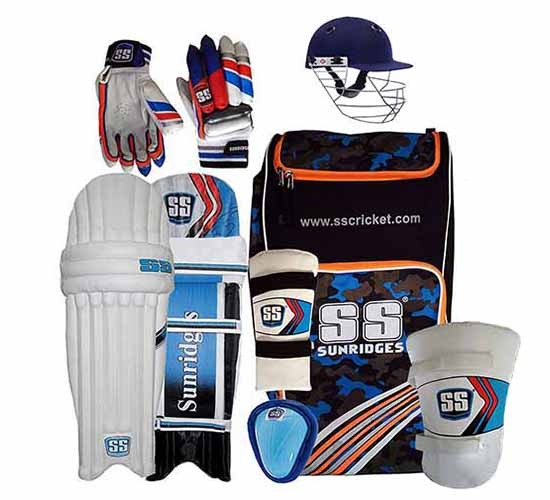
Some clubs provide shared bats and gear. Borrowing makes sense for a first visit, but protective items must fit.
A first-year club player explained why you should try the sport before buying a full kit:
I was in a similar situation to you last spring, my club is for players with more experience, but we have 3 teams that are different competitive levels. They jumped on the opportunity to help coach me and teach me how to actually play the game. Chances are your club will be the same way! Best advice is to reach out now, that way someone will hopefully have a kit you can borrow before deciding if you want to buy your own if you want to keep playing. The only thing I recommend you buy is the more personal protection like an abdominal guard (what we call a cup) and I'd possibly think about getting some cricket shoes so you don't slip. The other thing too, is they probably won't have you start batting right away, my club started me on bowling, and didn't have me bat until my 3rd or 4th week after some throwdowns.
Footwear depends on the playing surface. Natural turf, artificial surfaces and indoor facilities have different shoe rules, so wait to buy specialist shoes until you know which type is allowed.
For a soft-ball practice session, cricket equipment for beginners sorts the bat, shoes and protection into what to bring, borrow or buy.
How Do You Choose a Safe First Ball and Practice Setting?
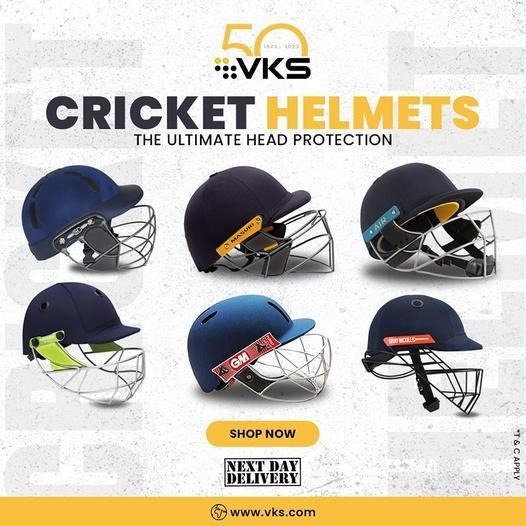
A beginner facing a hard cricket ball needs a controlled setting, supervision and protection. Deliveries should match the player's ability, and everyone in the nets should know where it is safe to stand.
- Controlled deliveries: Start at a pace that matches your ability, with clear instructions about batting, bowling and when to enter the nets. Unsupervised full-pace hard-ball batting is unsuitable for someone with no cricket experience.
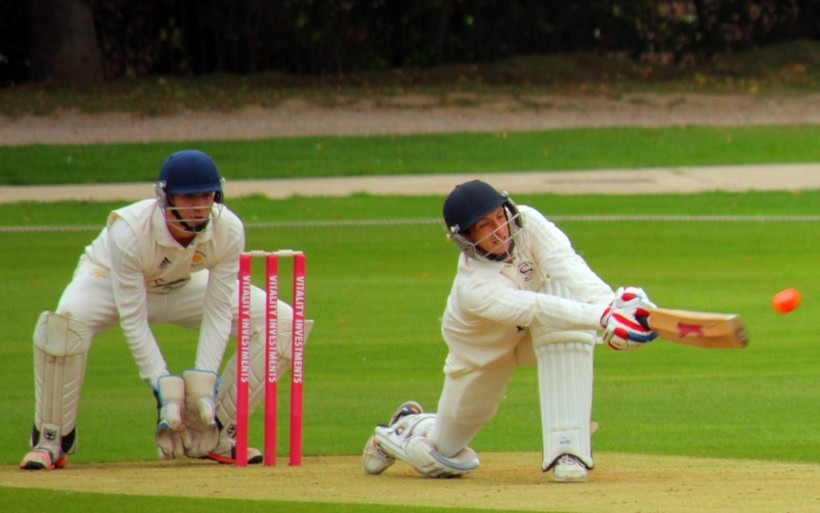
- Correctly fitting equipment: The helmet, pads, gloves and other protection must fit you and suit the activity.
- Safe practice positions: Know which areas are exposed to balls being struck or thrown and when a practice lane is occupied.
The ECB's December 2025 Recreational Cricket Safety Guidelines recommend that adults wear a helmet with a faceguard or grille when batting in games and nets against deliveries from a bowler or bowling machine. They also cover additional protective equipment and safe training conditions.
Those recommendations come from England and Wales. Cricket Australia's guidance refers to the BS 7928:2013 helmet standard for competitions under Cricket Australia's management. Neither sets a rule for US clubs.
Cricket Australia strongly recommends a neck protector alongside a British Standard helmet for community cricket. ECB recreational guidance strongly advises neck protection when a helmet is required or recommended.
After a suspected concussion, stop playing at once. The US Centers for Disease Control and Prevention advises removing an athlete from sport immediately, with no return the same day. Return only with health-care-provider clearance.
If a hard-ball session lacks suitable protection, supervision or controlled deliveries, do not face those deliveries. Choose a lower-risk introductory format until those conditions are met. For bowlers, hard-ball deliveries and protective equipment, see the hard-ball cricket practice safety guide.
What Happens at Your First Cricket Practice?
A supervised first practice typically starts with meeting the coach or captain, learning the safe areas and seeing how turns in the nets work. Controlled catching, throwing or bowling follows. If batting is part of the session, the coach may start you with slow deliveries or throwdowns, where someone feeds you the ball. The order and difficulty depend on the group, the ball and how ready you are.
Before you leave, ask the coach to name one safe skill to work on next. For a full training plan, use these beginner cricket practice drills for batting, bowling and catching.
When Are You Ready for Your First Friendly Match?
You're ready for a first friendly when you can take part safely in an agreed role and your captain or coach thinks the match fits your level.
A casual soft-ball game, a friendly club match and a competitive league match come with different expectations. In a friendly, a newcomer can contribute by fielding and learn how teammates communicate during play.
- Safe participation: You follow the safety instructions and the captain's directions.
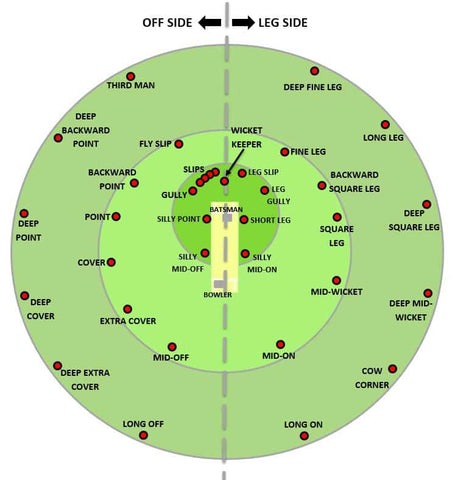
- Basic field awareness: You know where to stand, whose turn it is and what to do when the ball comes toward you.
- Skills: You can do the fielding, batting or bowling task you're given at that level.
- Team communication: You ask for clarification, respond to teammates and say so when a task is beyond you.
One Florida player built up gradually through regular club practices and friendly matches:
You sound pretty similar to me. Born and raised in the US. Got into it the beginning of 2022. Essentially cold called the nearest club to me in Florida, which was around 45 minutes away. Started going to practices every weekend. Started fielding in a friendly match 2-3 months later. By late summer or so I was playing in the league games. Our team needed players, especially when we had to travel, usually 1.5h away.
The same player took roughly a year to feel competent, after already playing in games. The club needed players, including for away matches.
Your captain or coach decides when you're ready, based on your role and the ball in use. The Florida timeline is one example. Yours will differ.
Agree on a first-game role and the conditions with the captain or coach. The separate guide to joining an adult cricket team covers batting roles, team practice and match readiness, plus the club-membership decisions that follow.
What if the Local Cricket Clubs Aren't a Good Fit?
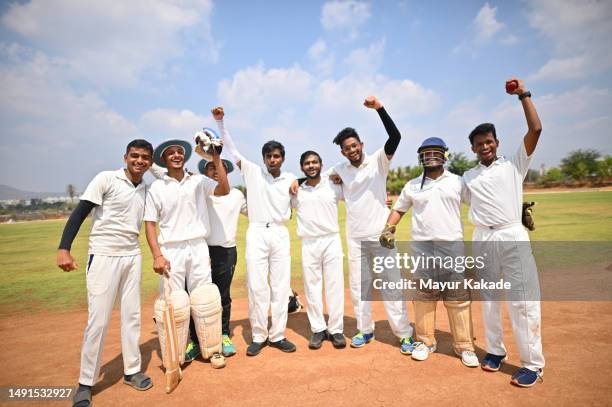
If a club doesn't fit, change your starting route. The obstacle may be age eligibility, competitive level, missing protective equipment, travel distance or seasonal availability.
- Only youth programs appear nearby: Look for adult community cricket, recreational groups or beginner coaching open to your age group.
- The club mainly fields experienced teams: Ask about a novice practice, a lower team or introductory coaching before asking for a team place.
- Hard-ball protection or supervision is unavailable: Start with a controlled soft-ball session until a supervised hard-ball one is available.
- Travel or canceled sessions make attendance difficult: Consider an indoor coach you can reach, a different organizer or a less frequent but dependable group.
- League registration is closed: Look for an introductory session or informal game outside the competition's registration window.
The Greater Boston Cricket Foundation has described recreational F15/T20 Nite Cricket using a soft synthetic ball. It is presented as open to all skill levels without specialized cricket gear.
Games were described as lasting approximately two to three hours. Registration for the 2026 season was listed as closed, so that season isn't an entry point.
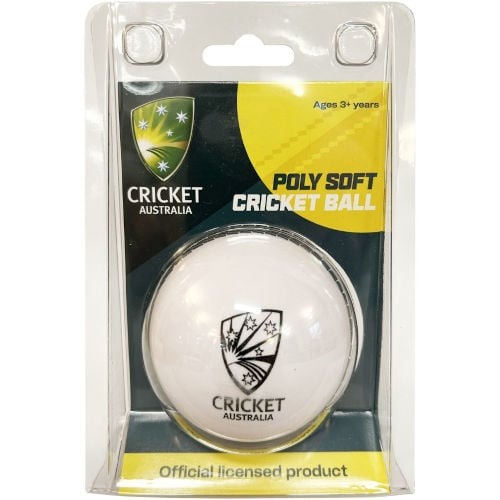
If no organized group is reachable, play a simple soft-ball game with willing friends to practice throwing, catching and hitting. Check that the space allows ball sports and is safe for players and bystanders. A public park or school ground isn't automatically fine.
Does Being an Adult or Having Played Baseball Change How You Start?
Adults bring experience from other sports, including baseball. One American newcomer described seeking cricket coaching at 32 after years of baseball. Physical ability, previous injuries and the activity you choose still matter.
Tracking a ball in flight and general coordination carry over. Cricket adds unfamiliar demands: catching without a baseball glove, reading deliveries after they bounce and adjusting the bat's path to a different kind of ball. Pick one cricket-specific adjustment to work on with a coach. For a fuller comparison of batting, bowling and fielding, see cricket versus baseball.
After your first session you'll know whether you prefer batting, bowling or simply being part of a game. Let that decide where you go next.