Yes. Adult beginners can join recreational cricket in the U.S. when a club offers a suitable way in. A first practice, paid membership, league registration and selection for a match are separate steps, so find out which of them the team offers before you pay or expect a place in a game.
Can you join a cricket team in the USA if you've never played before?
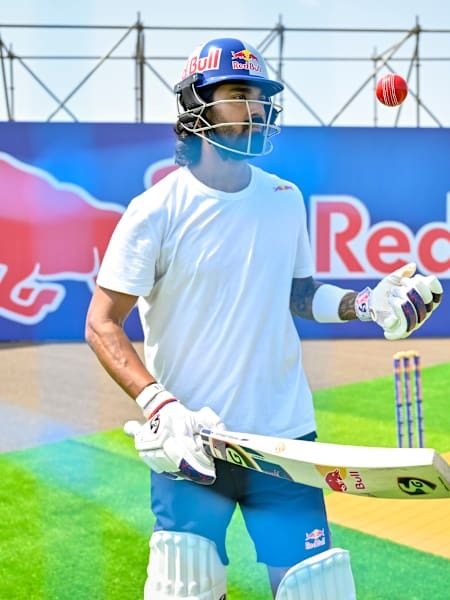
Yes, if the club has an adult practice group. Napa Valley Cricket Club and Long Island Vipers both describe ways for prospective players to join or try practice. Decide first what you want: social nets (practice sessions), occasional friendly matches or organized league cricket.
Choose a club that can train adult beginners
No shortlist yet? Start by finding a cricket club in the USA with teams, coaches, and practice sessions. Then compare up to three of them:
| What to check | Good sign | Warning sign |
|---|---|---|
| Adult beginner access | An introductory session or an organizer willing to teach beginners | Training is restricted to experienced players |
| Playing level | Social cricket, friendlies or a lower-level team with a clear path toward games | Only an advanced competitive squad |
| Practice and match locations | Both venues fit your travel and schedule | Nearby nets but impractical match travel |
| Chance to play | The captain can explain how new members get their first game | No clear way to get a game after joining |
| Club atmosphere | Clear expectations and someone responsible for new players | No one can say how beginners are supervised |
Club Cricket of Chicago advertises three sides (teams).
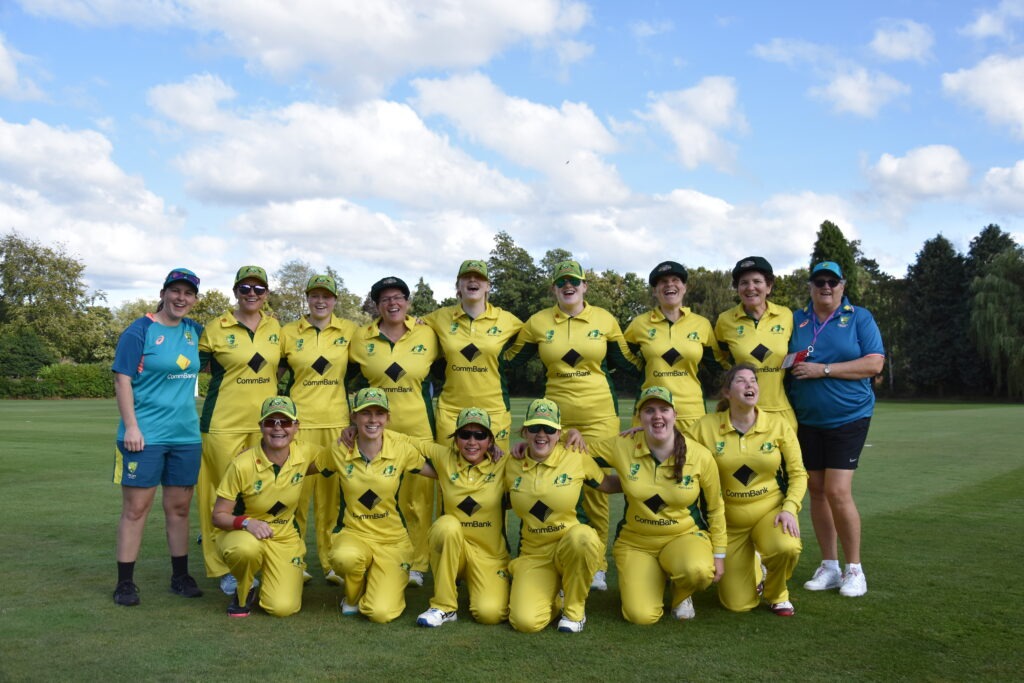
Women's cricket is another route. SoCal Women Cricket's Cali Crushers and the United Cricket League women's program are named local examples. Availability depends on where you live, so check what runs in your area.
What to say when you contact a captain or club

Tell the organizer where you live, that you're an adult beginner, what cricket experience you have, when you're available and whether you want to play socially or in a league. Ask directly for an introductory net session so the club has something concrete to answer.
In one Reddit post, a prospective player in Alabama described being nervous about approaching a club whose roster listed many experienced cricketers:
I'm in Alabama. I want to join my local cricket club but I'm nervous. Everyone in the club is an older Indian guy. I'm not worried about acceptance or racism or anything like that because 3/4 of my friends are Indian. I looked at the stats on their roster. These guys are older so they've all played 100 or more matches each. And a small part of me does think my accent might put them off at first. I have a thick twang and talk too fast. ESL speakers have to be around me for a while to understand what I'm saying.
Hi, I'm an adult beginner in the area and would love to try cricket. I've never played organized cricket, although I have some baseball experience. I'm free most weekends and would like to work toward friendly matches. Do you have a net session for beginners? When and where does it meet, who should I ask for, and what do I need to bring? Thanks, [Your name]
Adjust the experience and availability to fit you, then send the message through the club's published contact channel. A good reply names a session or tells you whether the group can take an adult beginner.
Your first net session: what to expect and what to bring
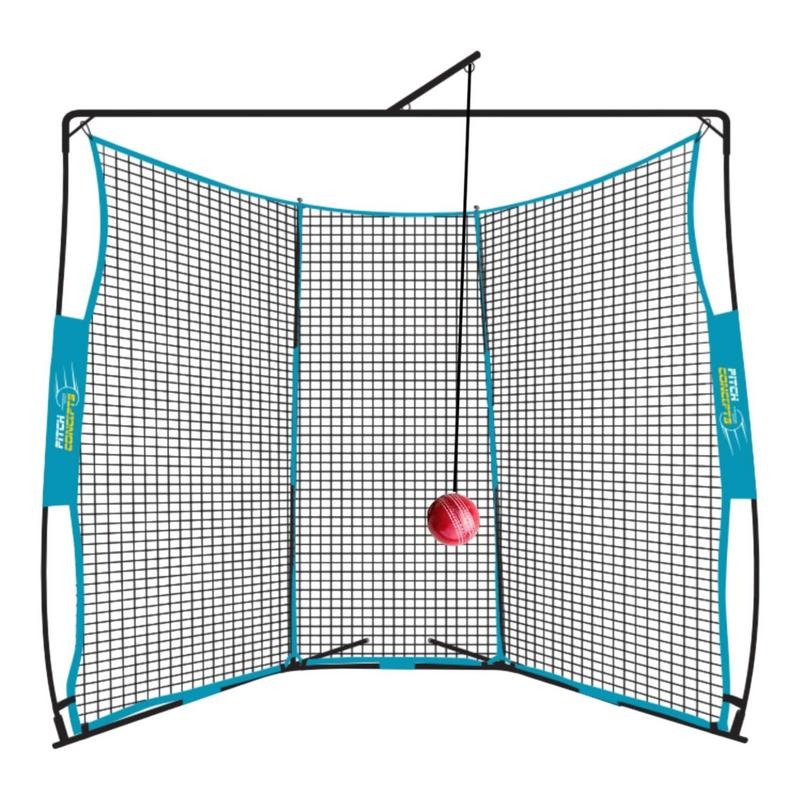
A net session is practice in an area usually enclosed with netting, where players work on batting and bowling outside a full match. Your first visit may also include catching or fielding drills, depending on the club.
Ask the organizer these questions before your first session:
- Venue and timing: The exact ground or indoor facility, the start time and who looks after newcomers.
- Type of ball: A softer or tennis ball, or a hard leather cricket ball.
- Protective kit: The helmet, pads, gloves and other equipment expected for the planned activities.
- Loan equipment: Whether you can borrow bats and protective gear in your size.
- Supervision: Who runs the exercises, especially if you have never faced a bowler.
- Clothing: Footwear and clothing suited to the venue and format.

For hardball batting, proper protection and supervision matter. ICC helmet guidance names BS 7928:2013 and its A1:2019 amendment for international cricket. Rules for a local amateur session come from its organizer and competition, so ask what applies to yours.
You can learn individual drills in the separate beginner cricket practice guide covering batting, bowling, and fielding.
What does it cost to join a cricket club in the USA?
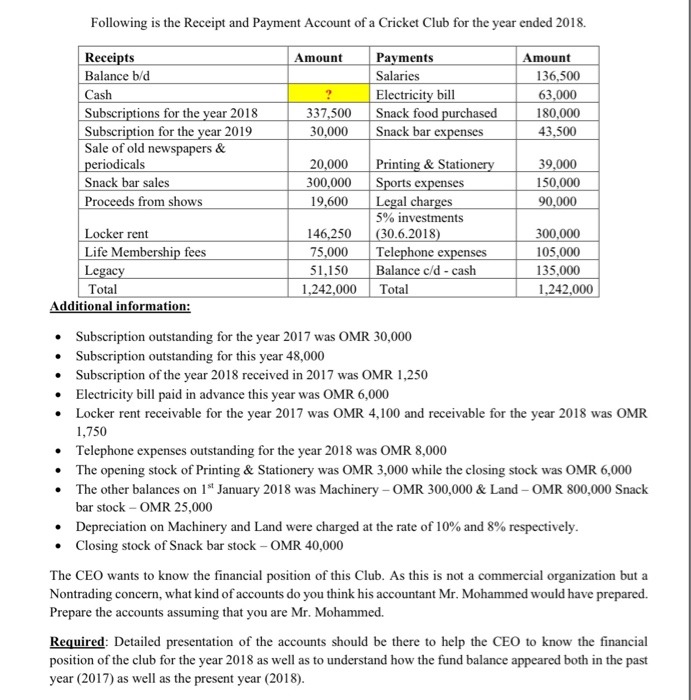
Prices vary by club, and membership is only one cost. If you want to play matches, add match fees, league registration and equipment.
| Cost | What it covers | Ask |
|---|---|---|
| First visit | A trial session or introductory nets | Whether it carries a charge |
| Club membership | Annual or seasonal participation | What training is included and the membership period |
| League registration | Competition administration | Whether a separate fee applies |
| Match fees | Individual matches | The amount and how often you pay |
| Coaching | Group or individual instruction | What ordinary practice covers |
| Equipment | Bat, pads, gloves, helmet and clothing | What you must buy yourself |
| Travel | Practice and match grounds | Likely trips during the season |
The Long Island Vipers FAQ states there is no joining fee. Napa Valley Cricket Club lists $75 for annual membership and a $50 game fee for registered players in its published 2026 information.
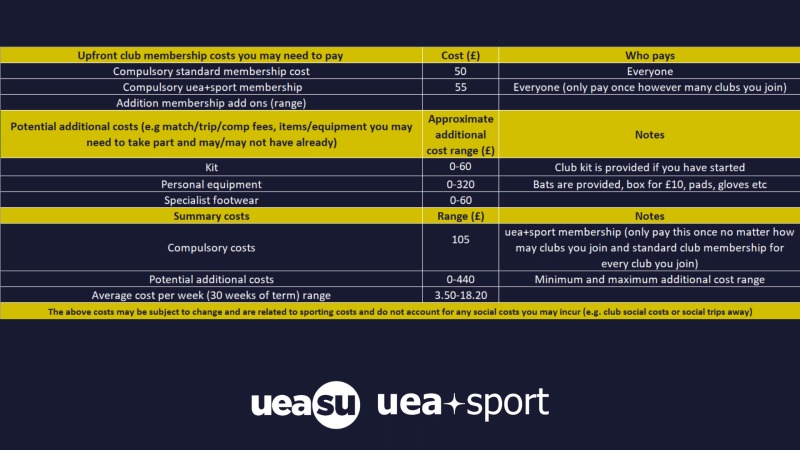
Add up the full season, including how many matches you plan to play, the travel involved and any written terms for joining partway through. A club with free entry can still charge to play.
Once you know the ball type and what you can borrow, use a first cricket kit guide to compare bats, pads, and helmets before buying. There is little reason to buy a full hardball setup before you know a club can offer the participation you want.
Joining a club and playing a league match are separate steps
Official matches can require three things: a league registers you, a club places you on an eligible roster and a captain picks you for the playing XI, the eleven players chosen for that match. A reply to your inquiry or an invitation to practice only gets you to an agreed session.
| Stage | What it means |
|---|---|
| Club membership | You have joined under the club's terms |
| League registration | The competition has registered you as a player |
| Eligible roster | Your name meets that competition's list rules |
| Match selection | The team has chosen you for a match |
The New York Metropolitan Cricket League directs prospective players toward member clubs or league contacts and requires registration before official competition.
The US Cricket League's published tournament rules give another example. For regular-season weekend games, captains or managers must add a new player to the official roster by Thursday end of day. Updates then lock until Monday, and the rules restrict adding new players during the playoffs. A late addition can therefore affect eligibility for an imminent match in that competition.
Ask the captain or league registrar which registration and roster requirements apply to the matches you hope to play. A social friendly or training game may use different arrangements. The start-playing cricket guide plans batting, bowling and fielding before a first hard-ball session.
How soon can an adult beginner play a first match?
There is no fixed training period for adult beginners. When you can play depends on the standard of the game, the matches available and a captain's judgment about safe participation.
A 32-year-old American with a baseball background described arranging individual coaching after becoming a cricket fan:
I’m in the USA and have been slowing watching more cricket ever since the 2024 World Cup. I deeply followed Major League Cricket this year and even attended my first match in Pomona (Go Knight Riders!) I am now looking to play for the first time as a 32-year-old. I have played baseball most of my life, so I feel some skills like hand-eye coordination and fielding might help me get started. I know it won’t be easy but I’m ready for a challenge. Luckily, I found a local indoor training facility that offers 1:1 coaching so I’m going to start that within the next few weeks. How long do you all think I would need to train until I’ll be able to play in matches?

Baseball experience can help with tracking and fielding a ball. Batting, bowling and match decisions in cricket still take practice. One-to-one coaching builds skills, but playing also depends on finding a team and a suitable match.
In a supervised session, the early questions are concrete: can you take part safely, handle basic catching and fielding, follow play and understand the role you're offered? A social friendly may suit a different skill level from a competitive league game.
Ask a captain or coach which skills need work, whether a friendly or lower-level match fits, and what real match opportunity exists. Your first appearance may involve plenty of fielding and little batting or bowling.
What if a club says it can't take or train beginners?
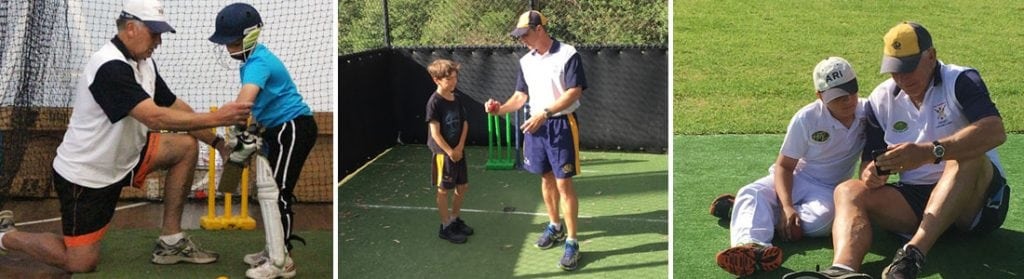
A club may lack adult coaching capacity or field only a competitive squad. In that case, try a different team or a structured beginner session.
This UK example comes from an adult beginner in England who was refused by a local club:
As a beginner in my 20's recently inspired to have a go at cricket following recent successes of my national team (England), I was hoping a local team in the city near me would have some opportunities to have a try at learning the game. Maybe I'm revealing my own naivety having not played the game before, but I was disappointed to be told by a local club that I was too old to even think about learning and that they had no capacity/interest in training new adult players...
- No adult coaching: Try a club or training facility that explicitly offers adult introductory sessions.
- Competitive squad only: Look for a social side, friendlies or a lower-level team where available.
- Travel or scheduling mismatch: Find a program whose practice and match commitments you can attend.
- Unclear refusal: A polite request for clarification may point you to another suitable group.
A beginner-friendly club gives you a suitable practice, clear match expectations and a realistic route from training into a team.