The best first club is one that takes novices. Look for an adult session, a ball type you're comfortable with, costs you can afford and practice times you can make. Listings give you names. A trial invitation tells you whether the club will have you.
Where to look for cricket clubs near you
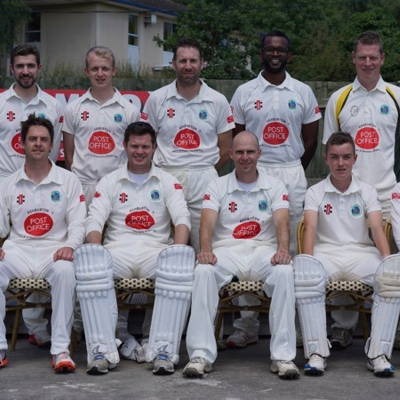
Start with your city or county, then widen the search to regional leagues. Searching for the league itself turns up clubs you'd miss by hunting for individual team names. Some teams are easiest to find through a league roster or a shared training venue.
Try searches like "[city] adult cricket club," "[county] amateur cricket league," "[city] cricket nets" and "[region] recreational cricket." If your area returns little, try the neighboring county.
| Search route | What it turns up | What to check |
|---|---|---|
| Local search and maps | Club names, possible grounds and official contacts | Whether adults can join and when they practice |
| Regional league rosters | Amateur teams and league organizers | Which teams take new players |
| Cricket directories | Clubs or teams grouped by city or region | Whether the contact details are current |
| Indoor nets and coaching centers | Places offering structured cricket practice | Whether adults and beginners can attend |
| Recreation or university groups | Informal or organized cricket | Whether nonstudents and outsiders can join |
The Cricstars USA Cricket Atlas lists clubs by city and maps Minor League Cricket teams, with a joining guide. A team on the map tells you where it plays. It doesn't tell you whether it takes new players, so contact the club.
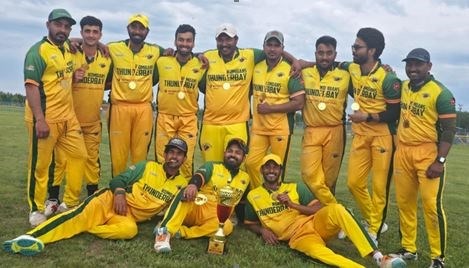
The New York Metropolitan Cricket League, for example, directs prospective participants to its member clubs. League contacts help most when a team publishes little about itself.
Shortlist three to five organizations from at least two search channels.
How to tell a real playing club from the wrong kind of listing
A “cricket club” listing might be an amateur team, a coaching facility, a youth program or a private membership organization. Check who can attend before you shortlist it. If you want women's sessions, the women’s cricket in the USA guide separates local sessions from league and national-team pathways.
| Type of listing | Likely activity | Important access question |
|---|---|---|
| Adult recreational club | Training, social games or amateur competition | Does it welcome adults at your current level? |
| Amateur cricket league | Matches and member teams | Which club accepts new players? |
| Coaching center or indoor nets | Instruction and practice sessions | Are adult beginners welcome, with or without a match team? |
| Youth academy | Age-specific coaching and junior teams | Is there a separate adult program? |
| Private multi-sport club | Member facilities and organized activities | What membership and cricket-access conditions apply? |
| Professional or development team | Higher-level organized competition | Is there any public recreational program? |
The Philadelphia Cricket Club describes private membership categories covering multiple activities. The name alone doesn't mean it runs public adult nets.
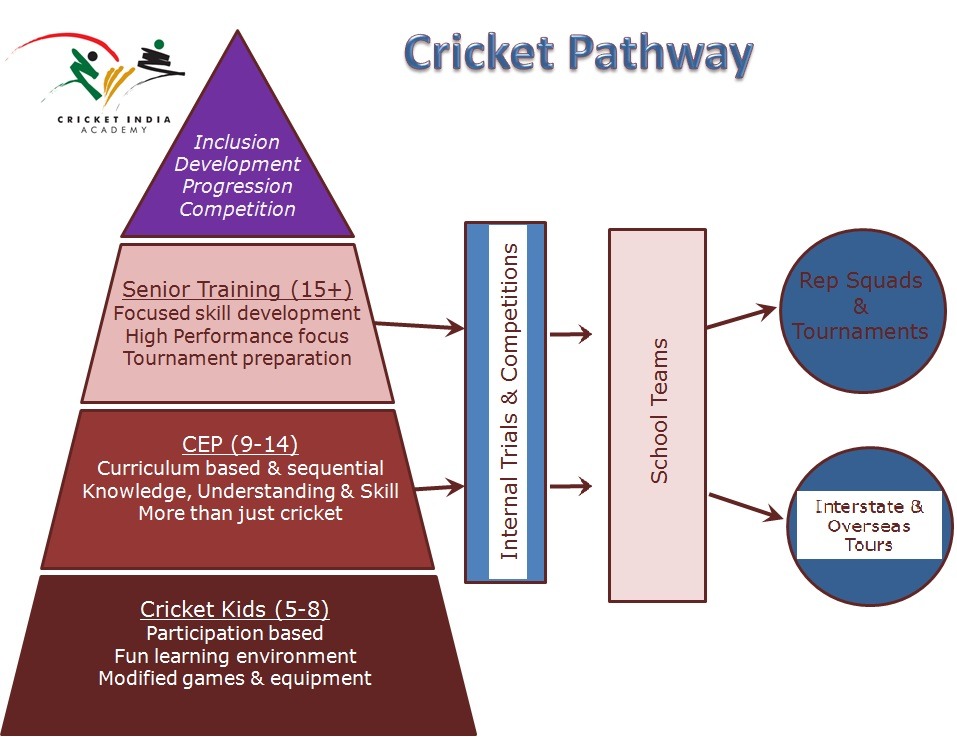
Drop confirmed mismatches. Hold unclear listings until you know what they actually offer and who can join. A strong adult-beginner club may also have a route for children; the US youth cricket guide covers age groups and coaching.
How to choose a club that fits your skill level
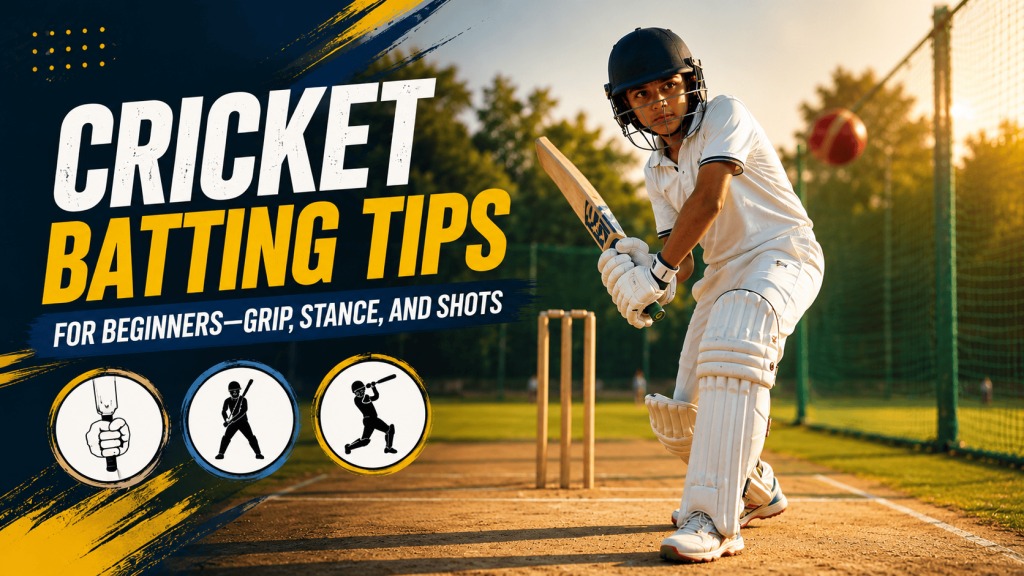
A new adult player does well with a beginner-friendly net, a recreational team or a lower-division group that will explain how it trains. An experienced returner may want stronger competition and a faster route back into matches.
Club Cricket of Chicago describes three teams playing across divisions and an initial contact process. Poinciana Cricket Club describes adult beginner support. Those are the clubs' own descriptions.
The club-fit worksheet
Compare your shortlist using the same questions. Mark each answer "confirmed," "unclear" or "unsuitable."
| Criterion | Encouraging response | Reason to keep investigating |
|---|---|---|
| Adult beginner access | A named beginner session or invitation | Vague "all welcome" wording with no session details |
| Training standard | Coached nets, a social group or a lower-level team that fits you | Only experienced players or advanced practice described |
| Venue and schedule | An accessible ground and a repeatable practice time | A trip or schedule you can't keep up |
| Ball and playing format | Ball type and recreational or competitive format explained separately | Unclear expectations about hard-ball play or match level |
| Trial arrangements | Permission to observe or attend before joining | Commitment required with no clear trial terms |
| Route into matches | A straight explanation of practice and team selection | No answer about chances to play |
| Communication and culture | Specific, respectful answers to beginner questions | Training questions are dismissed |
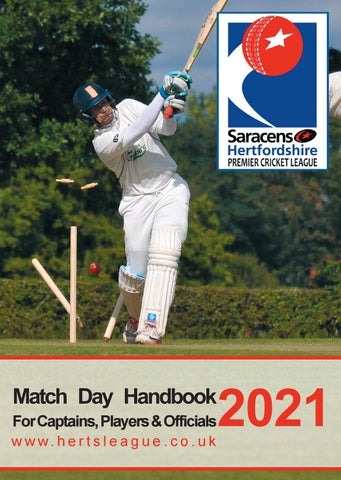
Say one club is ten minutes away but runs only advanced hard-ball practice with no introductory coaching. Another is farther but offers a beginner net, a workable schedule and a trial before you join. If you've never played and can handle the drive, pick the second. A returning league player might pick the first.
Narrow the shortlist to one to three clubs whose answers match your experience and circumstances. A clear practice invitation is a good sign. Match selection depends on the team and its requirements.
How much joining costs and what you can borrow first
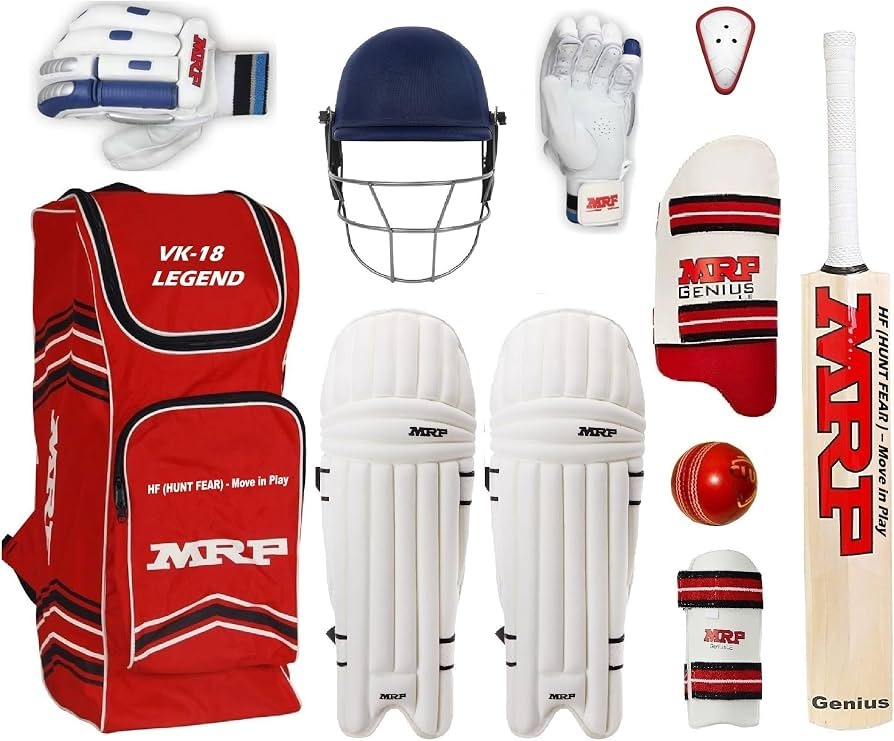
Membership dues are one cost of joining. Match fees, practice charges and equipment can add more, depending on the club and the cricket you play.
- Membership dues: A joining, seasonal or annual charge, if the club has one.
- Match fees: Payments for individual games, where applicable.
- Practice and coaching: Nets, indoor facility rental or optional instruction.
- Travel: Trips to regular practice and to separate match venues.
- Team clothing: Any uniform required for organized matches.
- Personal equipment: A bat and protective items for the activity you plan.
Napa Valley Cricket Club's 2026 joining information listed membership dues and individual match charges separately.
The New York Metropolitan Cricket League says it charges membership fees to clubs, and individual player registration fees may also apply. Work out your cost from each club's stated terms: dues, plus the matches or sessions you expect to attend, any trial charge and any confirmed extras. Ask about refund and membership conditions tied to the trial. A low joining fee can still add up if every game carries its own charge.
A newcomer asking about casual cricket in the United States wanted something far less formal:
Hi, I’m just starting to get into the world of cricket and I love the idea of going to a local field with friends and playing mini games. I was wondering if there’s any good pick-up game/backyard equipment that I can get in the US? Nothing professional, but decent enough that it’ll last.
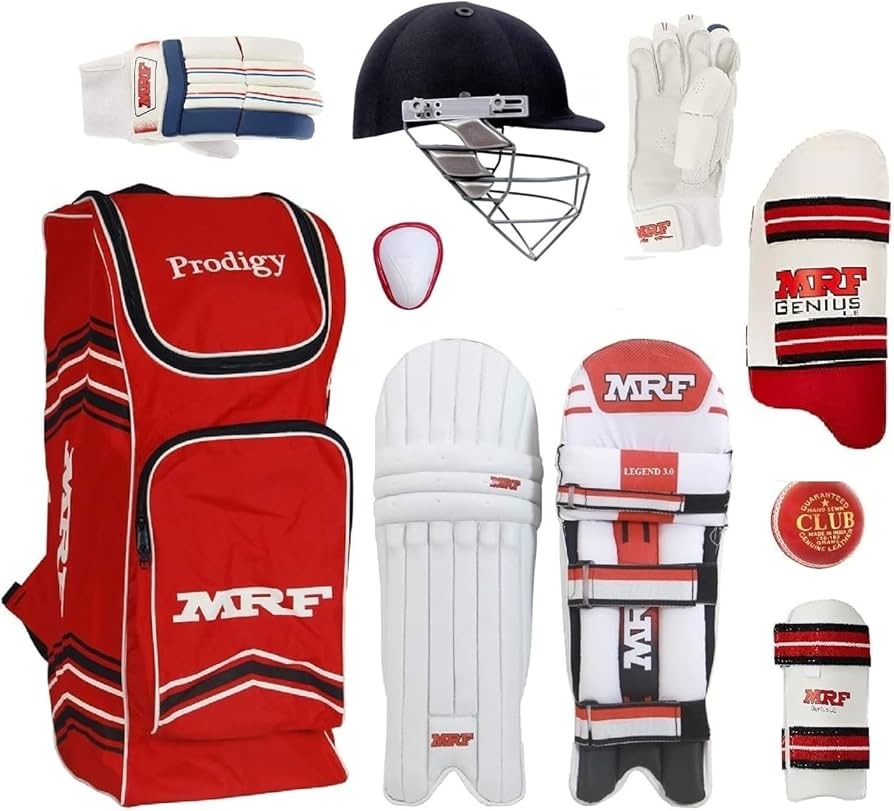
Casual tennis-ball or tape-ball cricket and an organized leather-ball session call for very different equipment. Before you buy a kit, find out what the club supplies, what you can borrow for a trial and what you'll eventually need to buy.
What to ask before booking your first visit
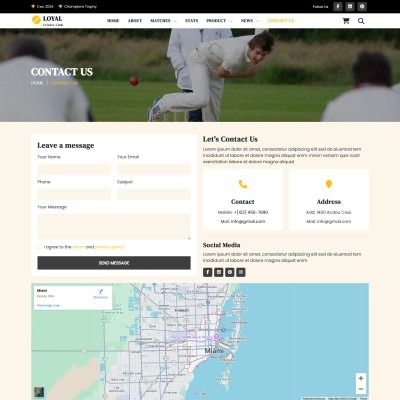
Tell the organizer you're an adult, say how much cricket you've played and when you can attend. Then ask for what you need to arrange a first session.
Adapt this message for two or three promising clubs:
Hi, I'm an adult beginner in [city] looking for recreational cricket. I've [never played / played before and am returning]. I'm generally free on [days]. Do you have beginner-friendly nets, or a social or lower-division team, and could I visit before joining? Where and when is the next suitable session, and who should I meet? Will we use a leather or tennis/tape ball, and what should I bring or borrow? Are there trial, membership or match fees? If I later want to play league matches, is there a separate player-registration process? Thanks!
Use the organization's public contact form, official email or published communication channel. A good reply names a date and start time, the actual ground address, the session length and the person who will meet you.
If the reply just says "come to nets," get the missing details before you travel. A trial invitation and permission to play in league games are separate decisions. Some leagues have registration requirements for official matches, so the club secretary or league organizer may have to answer that part.
What to check at your first cricket nets session
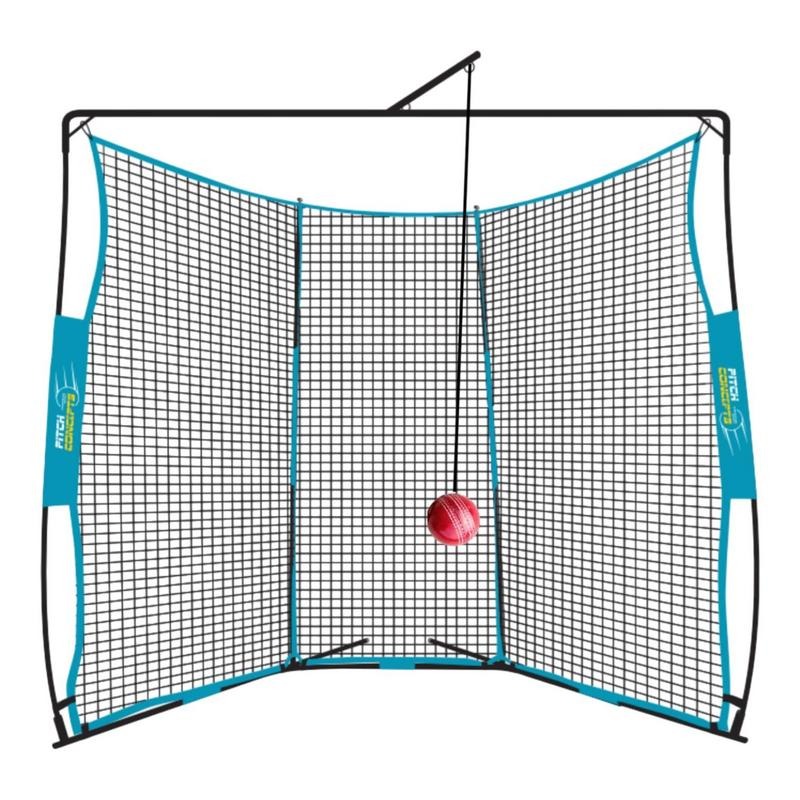
Nets are practice areas for batting and bowling. Your first session shows you the pace of practice, introduces the people involved and tells you how newcomers take part.
A social tennis-ball or tape-ball session has different equipment expectations from practice with a hard leather ball. With a hard ball, pay close attention to protection, fit and supervision.
A returning adult described the uncertainty of being pulled into a match after years away:
some how got roped in to play for the second mens team at my kids cricket club, not played since i was in school over 20 years ago and never with a hard ball. any tips for a beginner before his first game.
At the session, check three things:
- Equipment: Whether the loaner gear you were promised is there.
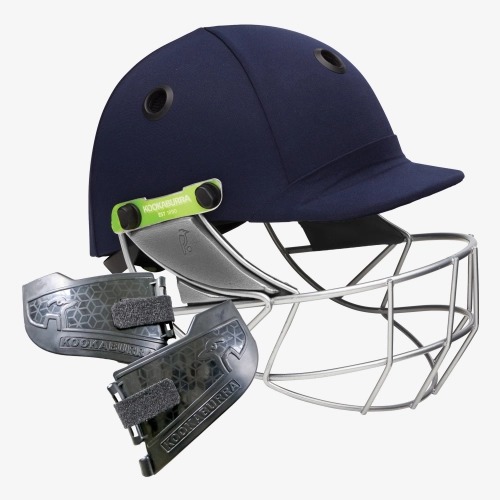
- Protective fit: Whether any borrowed helmet, pads or other protection fits properly and suits the activity.
- Supervision: Who leads practice and explains the exercises to newcomers.
The International Cricket Council's helmet guidance covers cricket helmets tested to BS 7928, including labels for the ball size used in testing and the limits of protection. Its equipment requirements for international cricket don't automatically apply to every US amateur club. Your club's own policy and the activity decide what protection you need.
If the required protection isn't available, do not take part in the hard-ball activity.
How to decide whether to join after trying it
A first practice shows how the group trains, how it explains unfamiliar tasks and how it treats newcomers. Weigh that against your available time, expected total cost and reason for wanting to play. Enjoying one session isn't the same as being able to attend regularly. Then pick one outcome: join, keep doing introductory practice without committing to matches, or arrange a trial elsewhere. Note the single factor that decided it. If competitive games are your goal, the club's actual selection process and playing opportunities count too.
What if no nearby club takes adult beginners?
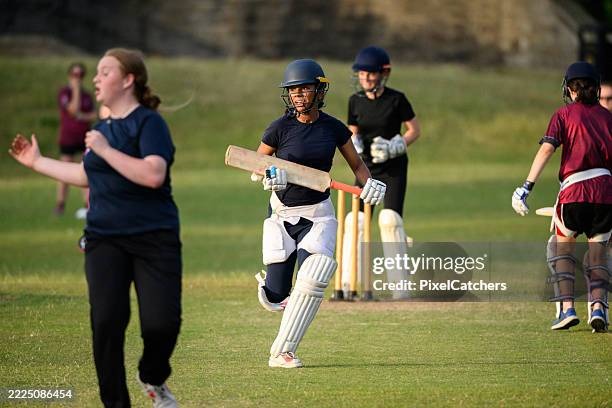
If your first search finds no adult beginner session, your next step depends on what went wrong.
- No reply: Try another published club contact, or ask the regional league how prospective players reach member teams.
- Experienced-only training: Look for coached nets, a recreational team or a lower-division group with a clear introduction.
- Youth-only listings: Search adult amateur leagues and independent nets facilities. Keep age-specific academy programs out of it.
- No practical club within traveling distance: Consider indoor instruction or informal soft-ball cricket if your area has it.
For organized games on public fields, access and reservation rules depend on the locality. New York City, for example, handles athletic-field reservations through NYC311, and other municipalities have their own rules.
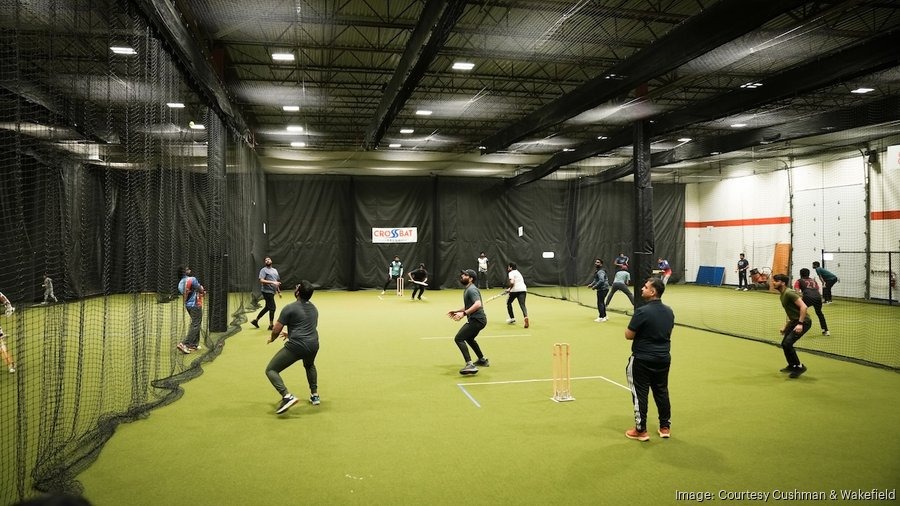
An informal tennis-ball or tape-ball game lets you try batting, bowling and fielding before you commit to organized hard-ball cricket. It's also worth playing in its own right.
The nearest ground isn't always the best first club. A good reply gives you a specific novice session, equipment expectations, costs and a contact. After your trial, the adult beginner team guide explains what joining and first-team selection involve.