Decide which game you are preparing for before you buy anything. A casual tennis-ball session needs far less gear than organized hard-ball cricket, where fitted protection and club rules come into play. Let the surface, your role and what you can borrow set your shopping list, not a generic “complete kit.”
Start with the ball and the kind of game you will play
A beginner's kit can be tiny or quite specialized, and the ball decides which. Friends playing tennis-ball cricket in a park need very little. A new batter facing a leather ball in organized nets needs a lot more.
The England and Wales Cricket Board's beginner guide separates casual soft-ball cricket, which needs relatively little equipment, from hard-ball cricket, where specialist bats and protective gear matter.
| First activity | Equipment categories to consider | What changes the decision |
|---|---|---|
| Casual tennis-ball or tape-ball game | Bat, agreed ball, comfortable clothing, shoes for the ground | A full hard-ball kit is unnecessary |
| Organized hard-ball batting | Bat, batting protection, footwear | The ball, the bowling and club requirements make protection the priority |
| Hard-ball bowling or ordinary fielding | Clothing, shoes, and any protection your position needs | Your fielding position and the session's requirements |
| Wicketkeeping | Specialist keeping gloves and protection | Standing position, ball type and club rules |
| Junior or women's cricket | Equipment fitted to the player and the ball in use | Individual size and helmet testing categories |
To compare ball behavior, bat choice and practice conditions, see tennis-ball versus leather-ball cricket.
What is enough for backyard or tennis-ball cricket?
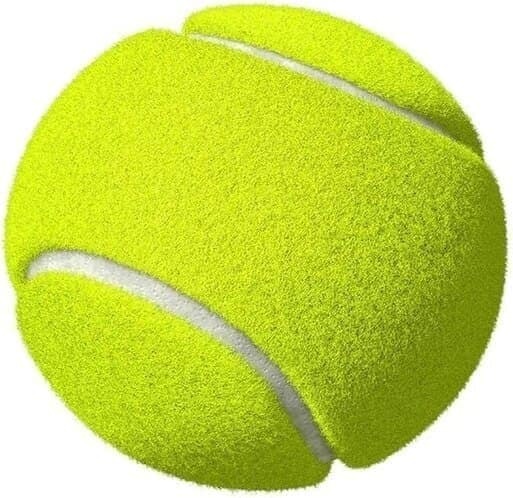
A casual game starts with a bat, the ball everyone agreed on, comfortable clothes and shoes that suit the ground. Adjust the format to the space and the people you have.
- A bat. Pick one you can handle, made for the ball you are using.
- An agreed ball. A tennis ball works for an informal game. Tape-ball cricket is a different setup, so settle with the group which one you are using.
- A wicket or target. If you bowl at a wicket, stumps or an agreed marker will do. You don't need a regulation set.
- Comfortable clothes and shoes. You need room to move and footwear that suits the ground.
- Enough space. Allow for the ball, the players and anyone nearby.
With that you can try batting, bowling and fielding without buying a hard-ball bundle.
A Reddit user asked about equipment available in the US for pickup games and backyard cricket:
Hi, I’m just starting to get into the world of cricket and I love the idea of going to a local field with friends and playing mini games. I was wondering if there’s any good pick-up game/backyard equipment that I can get in the US? Nothing professional, but decent enough that it’ll last.
What belongs in a basic hard-ball cricket kit?
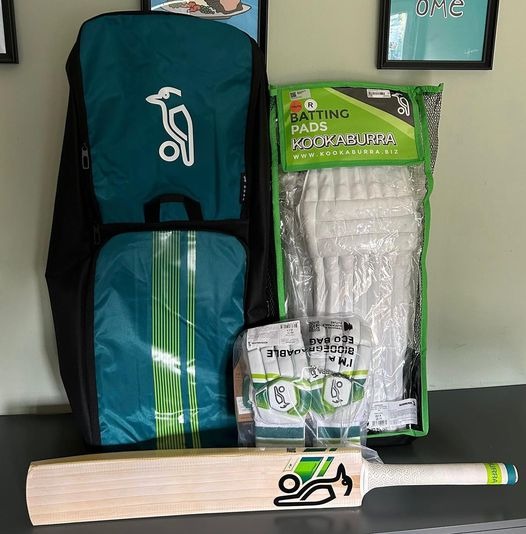
Hard-ball cricket brings in specialist protection, and what you need depends on what you do. A batter facing a hard ball needs far more than a bowler attending a bowling-only drill.
If you are preparing to bat, the main items are:
- Cricket bat. One that suits your size and hard-ball play.
- Helmet and faceguard. Head protection that meets the standard and playing requirements, and fits you.
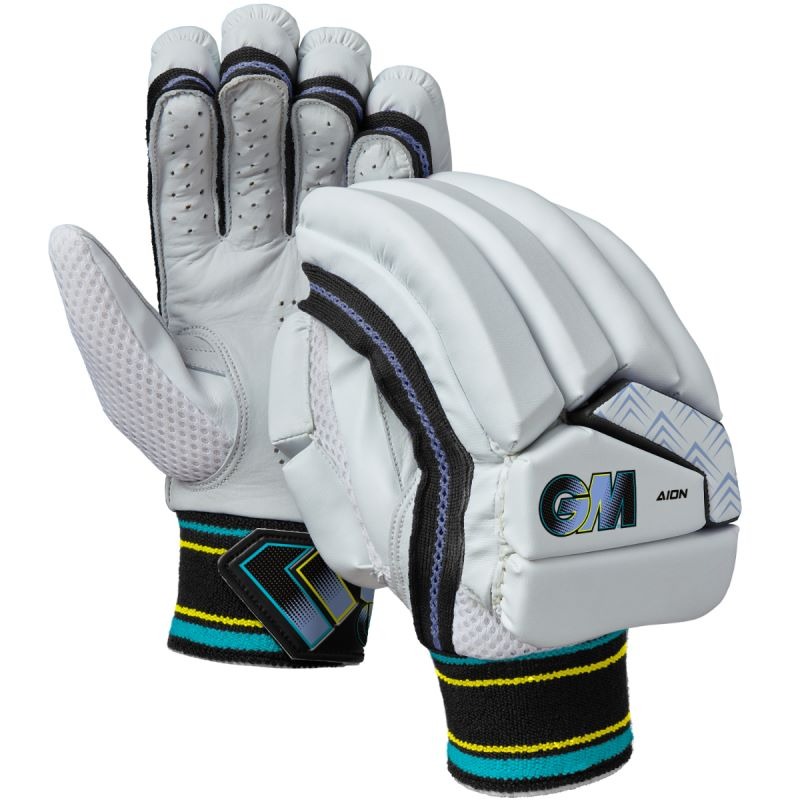
- Batting gloves. Protective gloves made for holding and controlling a bat.
- Leg pads. They protect your lower legs and let you move.
- Abdominal guard. Usually called a box, it protects a vulnerable area.
- Additional guards. Thigh, arm or other protection, depending on your activity and the guidance you follow.
That is the batting setup. Match and net requirements vary by competition, coaching arrangement and role.
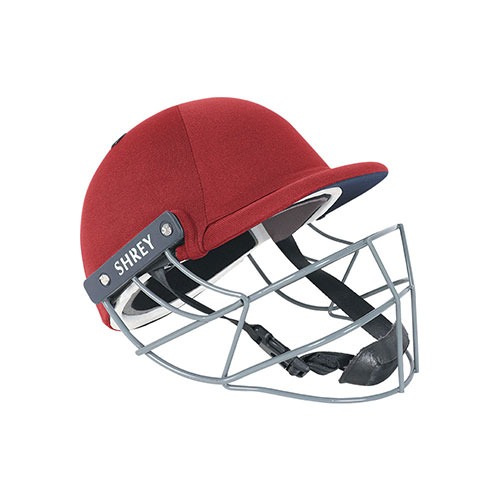
A bowler or ordinary outfielder doesn't need the whole batting set while fielding. Fielding close to the batter is the exception, because it brings in head protection. Cricket Australia's guidance requires helmets for close-in fielders in competitions it manages and treats community cricket separately.
Wicketkeeping has its own equipment: specialist gloves and position-appropriate protection. Keeping gloves are designed to receive and catch the ball behind the wicket, so they are a different piece of equipment from batting gloves. In Cricket Australia-managed competitions, wicketkeepers standing up to the stumps are also covered by head-protection requirements. For a US club session, the organizer's rules set the exact obligation.
How do you check helmets and other protective gear?
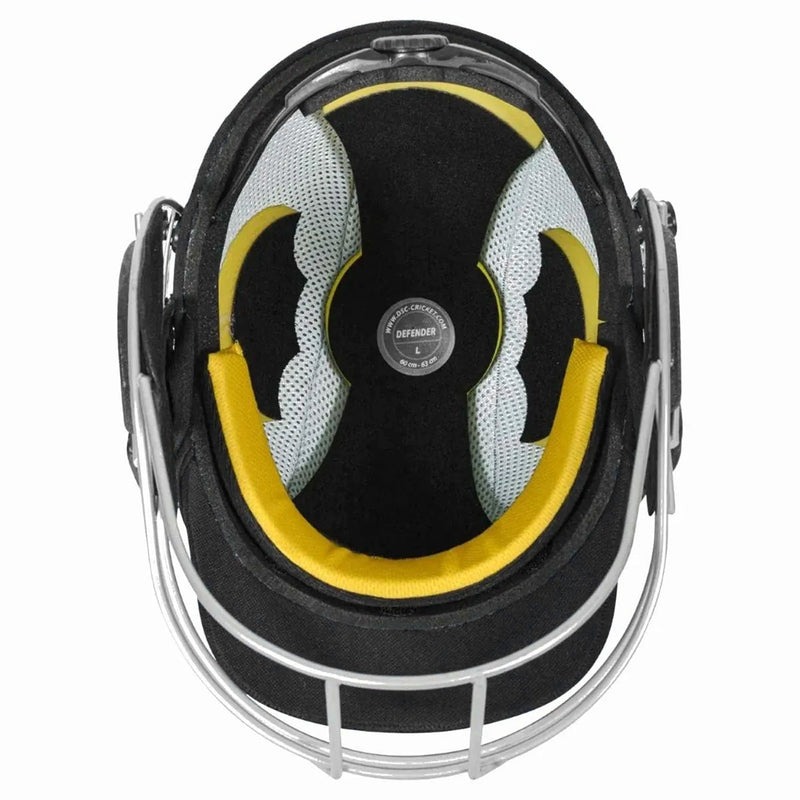
Judge a helmet by its standard, tested ball category, fit, condition and the playing requirements. A listing that just says cricket helmet tells you none of that.
The International Cricket Council's helmet guidance says that in international cricket, a batter who chooses to wear a helmet must wear one meeting the applicable BS 7928:2013 standard. The ICC also describes BS 7928:2013 + A1:2019, which covers neck protection and tests for ball penetration through the grille and possible contact between the grille and the face.
The ICC lists a 5½ oz men's ball and a 4¾ oz junior ball as separate helmet test categories. The label shows whether a helmet was tested against one category or both.
The helmet, faceguard and any compatible neck protection must work together and fit you. Check the physical setup as well as the label.
Before you buy or borrow a specific helmet, check:
- Standard and test category. Read the standard markings and the ball category on the label.
- Fit. See how it sits, whether it stays in position and whether the faceguard and neck protection are arranged as intended.
- Condition and impact history. Find out whether the helmet or any component has taken a severe blow.
- Playing rule. The governing body's standard and your competition's requirements are different things. Check both.
The ICC advises replacing components hit by a severe impact even when no damage shows, so treat a secondhand helmet with unknown history with caution. No protection removes every risk of serious injury.
A player describing a UK village match raised this question after being told to wear batting gloves:
As an adult, I was under the impression it was my decision what protective equipment I decide to wear. I could chose to go out with no pads or box if I realy wanted too (not sure who would chose to leave those at the clubhouse!) I chose to bat with no gloves most of the time, I will wear a helmet sometimes if the ball is getting up a bit. Is there anywhere in the rulebook that states what protective equipment must be worn?
That is one player's account of a dispute with an opposing team.
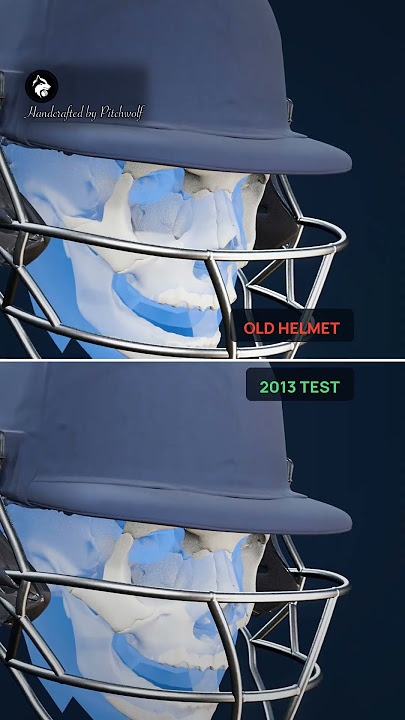
Cricket protective equipment goes further on helmet fit, pads and gloves.
Should you borrow a kit, buy used gear, or purchase new?
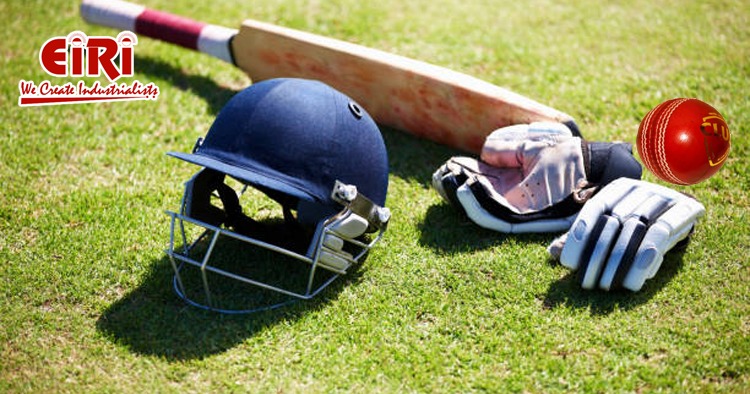
Borrowing can cut the cost of a first session, especially when the club lends bats and batting pads. A loaner only helps if it fits you and suits what you are playing.
Batting gloves should give you a comfortable grip and let your fingers move. Pads should cover the area they are meant to protect and let you bend and move.
Some batting gloves and pads are made for a right-handed or left-handed stance. On handed pads, the protective side wing faces the bowler. Ambidextrous pads also exist. Match borrowed gear to your stance as well as your size.
Helmets need a separate check for fit, standard markings and impact history. Abdominal guards raise fit and hygiene concerns.
| Equipment | Buy when | Borrow when | Used-item concern | Delay when |
|---|---|---|---|---|
| Cricket bat | You want your own bat and its size and handling suit you | The club has a bat that suits you | Damage, wear, handling | A trial bat covers your first session |
| Helmet | You need protection and no verified loaner is available | You can confirm testing, fit, condition and history | Unknown severe-impact history | Your casual game has no helmet requirement |
| Batting gloves and pads | Hard-ball batting requires them and the club has no loaners that fit | They fit, let you move and are in good shape | Wear, fit, hygiene | You aren't batting yet |
| Abdominal guard | Your activity calls for one | Only if fit and hygiene are assured | Fit and hygiene | Your activity doesn't call for one |
| Wicketkeeping kit | Your role requires personal specialist equipment | Suitable keeper equipment is available | Fit, protection, condition | You aren't keeping wicket |
| Footwear | Your current shoes don't suit the surface | Appropriate footwear that fits is available | Sole wear, traction, condition | Your shoes meet the venue's requirements |
| Extra bats and premium accessories | Your playing schedule justifies them | Suitable extras are already available | Unnecessary duplication | You have no need yet |
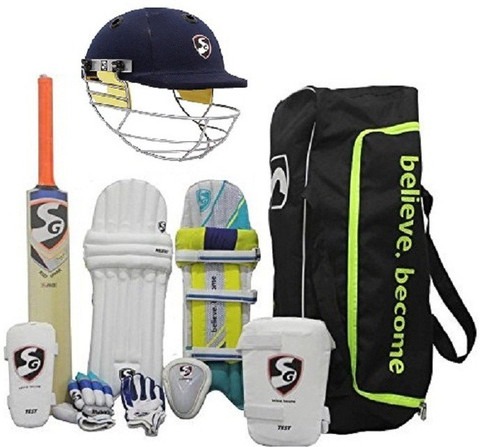
A bundle is convenient, but you still judge each piece on its own. The bat may be fine while the pads are the wrong size or the helmet has an unclear history.
A parent in Pakistan described the financial and safety trade-off while considering a first kit for a 12-year-old:
For a kid who might lose interest in three months, that's a tough sell. I told him we'd think about it, which is parent-speak for "I need to find a cheaper option or convince you to play basketball instead." I've been looking around online trying to find used gear or budget alternatives. Saw some listings on Alibaba for full cricket kits from Pakistan that were significantly less expensive. Bat, pads, gloves, everything bundled together. Reviews were hard to interpret and I'm not sure about quality, but at least it wouldn't be a massive financial commitment if he quits after one season. My concern is buying cheap gear that breaks immediately or doesn't protect him properly. But I also can't justify spending half a paycheck on equipment for a sport he's never actually played before.
The child hasn't tried the sport yet, and a full kit is a big commitment. Treat a short trial as separate from a purchase that depends on whether he keeps playing.
Which purchases and upgrades can wait?
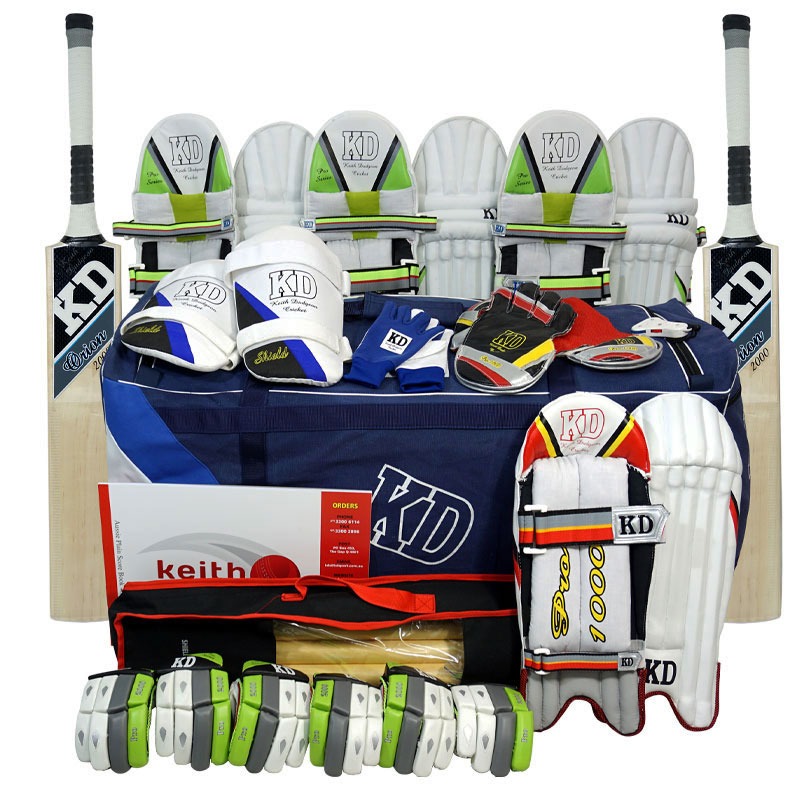
Extra bats, spare gloves, premium willow grades and specialized accessories earn their place once your schedule or role calls for them. If you attend an occasional practice, you have less reason to buy backups than someone training several times a week.
A returning amateur posed this problem after ten years away from club cricket:
Hi All, After a long break from playing club cricket (I.e 10 years), I realised I am bored spending every weekend checking out some restaurant and have decided to join a cricket club to have some fun. Now it’s been ages since I’ve played or trained at a club. Back when I was practicing batting seriously, my cricket gear would be used at least 3 times a week. So I wanted some insights from you all so that I know what gear to buy and how much to spend given times are tough. The questions below pertain to club cricket, the standard cricket season over the summer and then indoor nets from January to April. Probably practicing once a week and the odd cricket match over the weekend.
- Immediate essentials. What your activity and its requirements demand, including protection.
- Backups. Spare bats or duplicate gloves, once regular play creates a need.
- Quality-tier upgrades. Higher-priced willow grades or accessories, after handling and playing experience show what would improve your kit.
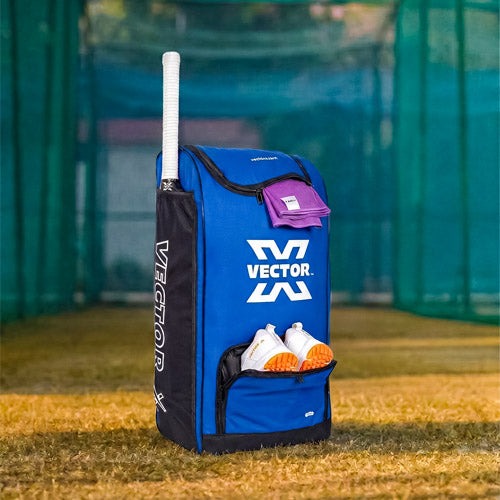
Replace items based on wear, impact history, fit and manufacturer guidance.
How should a beginner judge a cricket bat?
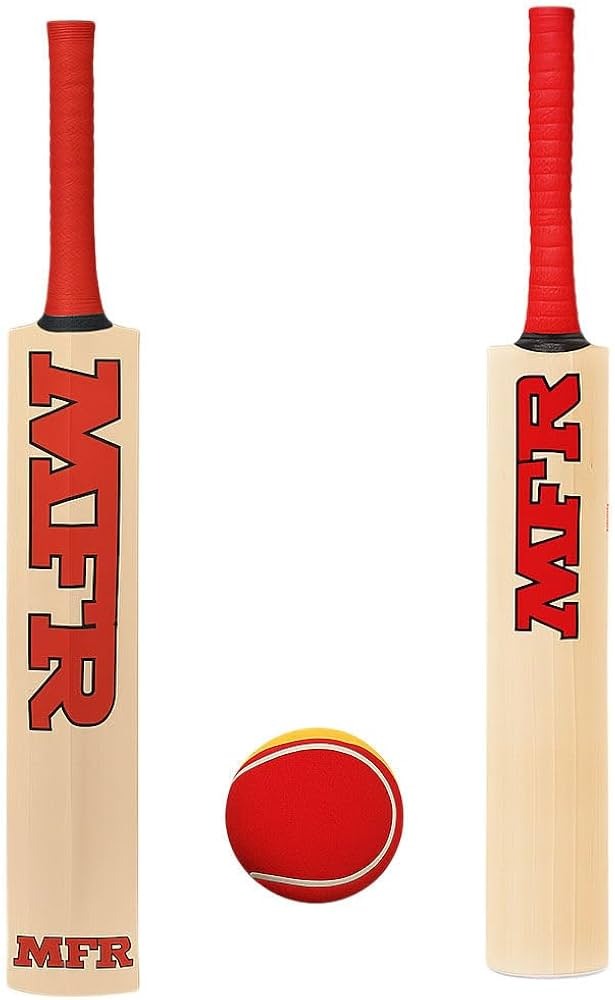
A beginner needs a bat that is the right size and comfortable to lift, move and control. Check how it handles before you pay extra for a willow grade or an attractive grain pattern.
Players call this handling quality pickup. Two bats of similar stated weight can feel different in your hands, so pick up the bat you plan to buy and see how easily you control it.
One first-time club player, for example, asked whether 8 to 11 grains were ideal and was considering grade 3 to 4 English willow.
Your first bat should give you a comfortable grip and controlled movement at your size and ability, and it should suit the ball you will use it with.
Choosing a cricket bat compares willow, pickup weight and blade shape in detail.
Which shoes work on turf, synthetic pitches and indoor surfaces?
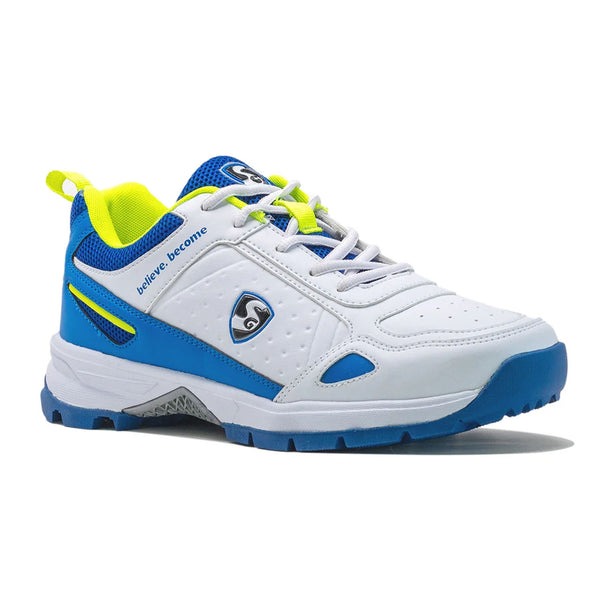
Your shoes have to suit the ground. Natural turf, synthetic or matting pitches and indoor facilities can need different soles, and some venues prohibit metal spikes. If you buy spiked shoes for an indoor session, the venue may not allow them on its surface. The facility's footwear policy settles which shoes work.
What changes for children and women players?
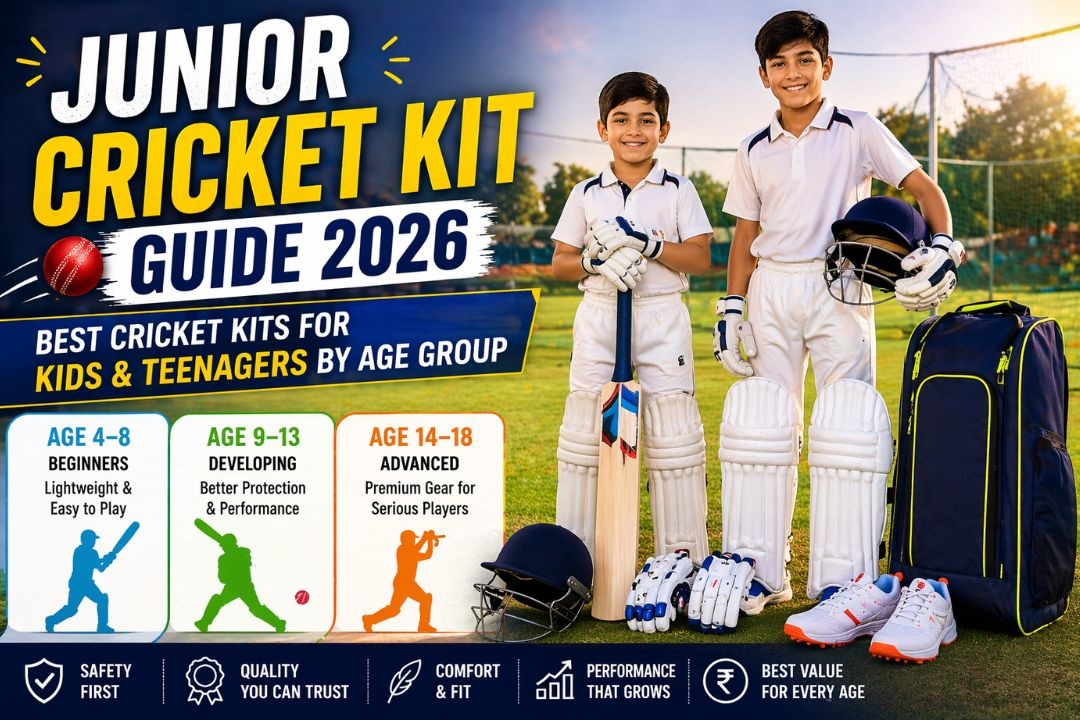
Children need bats, pads, gloves and helmets sized and fitted to their bodies and the way they play. Age alone doesn't decide a safe fit.
Helmets also depend on the ball used. The ICC separates men's-ball and junior-ball helmet testing, and labels show which categories a head protector was tested for.
For women's cricket, the ICC gives its own guidance because the standard women's ball falls between its men's and junior testing categories. It advises head protectors tested for both categories, or at least the junior-ball category, with attention to the faceguard considerations described in its guidance.
For junior players and women's cricket, the helmet's ball-test markings and fit decide whether it works.
A growing player may need a different bat size from an adult in the family. For measurements, use the cricket bat sizing guide for height, handle length, and pickup.
The five questions to ask before buying your first kit
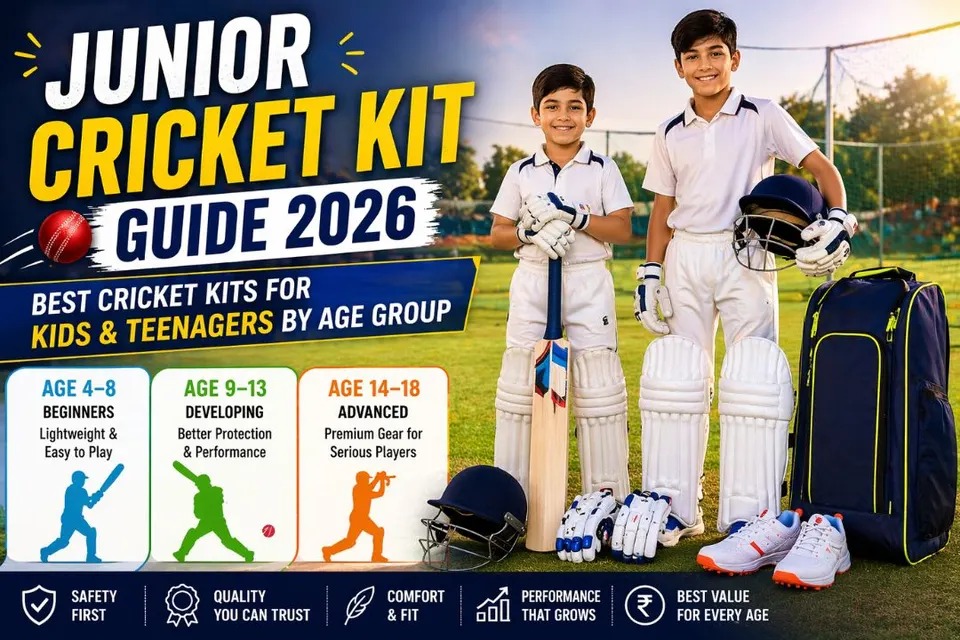
Before you order anything, talk to the club or session organizer. Their answers tell you which purchases apply to your first session.
- Which ball will we use? Tennis-ball, tape-ball, or organized hard-ball practice or competition?
- What will I do during the session? Bat, bowl, field, keep wicket, or rotate?
- Which protection is required? What head, neck, or other protective equipment and helmet standards does this session or league specify?
- What can I borrow? Which items come in your size, and what can the club tell you about their fit, condition, and impact history?
- What shoes are allowed? Which surface will we play on, and what soles or spikes does the venue permit?
Once you have the answers, use the first cricket kit checklist to organize bats, helmets, and pads for the session. If you haven't chosen a club yet, start with a beginner-friendly cricket club in the USA that has teams, coaches, and beginner practice.
Buy only what solves a real problem at the session you plan to attend. Find out what the club lends and what protection your role needs before you pay for a full kit that may never leave the bag.