For hard-ball batting, wear a tested, correctly fitted cricket helmet with batting gloves, pads and groin protection. Wicketkeepers and fielders need gear that matches the ball, their position and the competition rules.
What protective equipment do you need for your role?
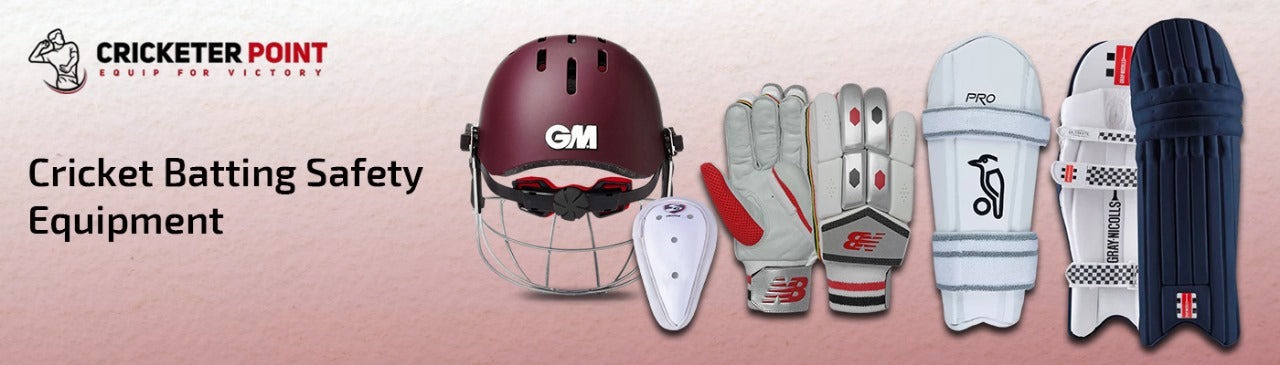
Start with the ball in use and where you will stand. A hard-ball batter, a wicketkeeper up to the stumps and a close fielder face different exposure. Pace matters too, and so does the practice setup, especially a bowling machine.
| Activity or playing role | Protection to wear | What changes the choice |
|---|---|---|
| Beginner soft-ball or tape-ball session | Protection the session calls for, plus any kit the organizer lends | Ball construction, pace, drills and supplied equipment |
| Hard-ball batter | Tested, correctly fitted helmet, batting gloves, batting pads and groin protector; extra guards for exposed areas | Helmet's tested ball category, fit and delivery conditions |
| Wicketkeeper close to the stumps | Wicketkeeping gloves and pads, groin protection, and head or face protection to suit the exposure | Short distance from the batter, ball pace and competition rules |
| Wicketkeeper standing farther back | Wicketkeeping gloves and pads, plus other protection as exposure warrants | Keeping distance, pace and playing conditions |
| Close-in fielder | Head, face or other protection suited to the position | Proximity, ball speed, age category and event rules |
| General or outfield fielder | Protection specified for that fielding position and activity | Position, conditions and organizer requirements |
Soft-ball cricket can still cause injury. A soft-ball session may need different equipment from a hard-ball net session, even when both are advertised to beginners.
A helmet covers the head and face with a shell and a faceguard, or grille. Gloves protect the hands and fingers, pads protect the knees and shins, and the abdominal protector, usually called a box, protects the groin. Supplementary guards cover other exposed areas.
For adult hard-ball batting, the ECB recommends a suitable helmet in matches and practice, including bowling-machine sessions. Each event's playing conditions decide which items are compulsory.
New to the gear? Read cricket equipment for beginners for bats, pads and helmets used in practice. The tennis-ball and leather-ball cricket guide compares practice balls, bats and protective equipment for the two playing environments.
How do you verify a cricket helmet's certification and ball-size testing?
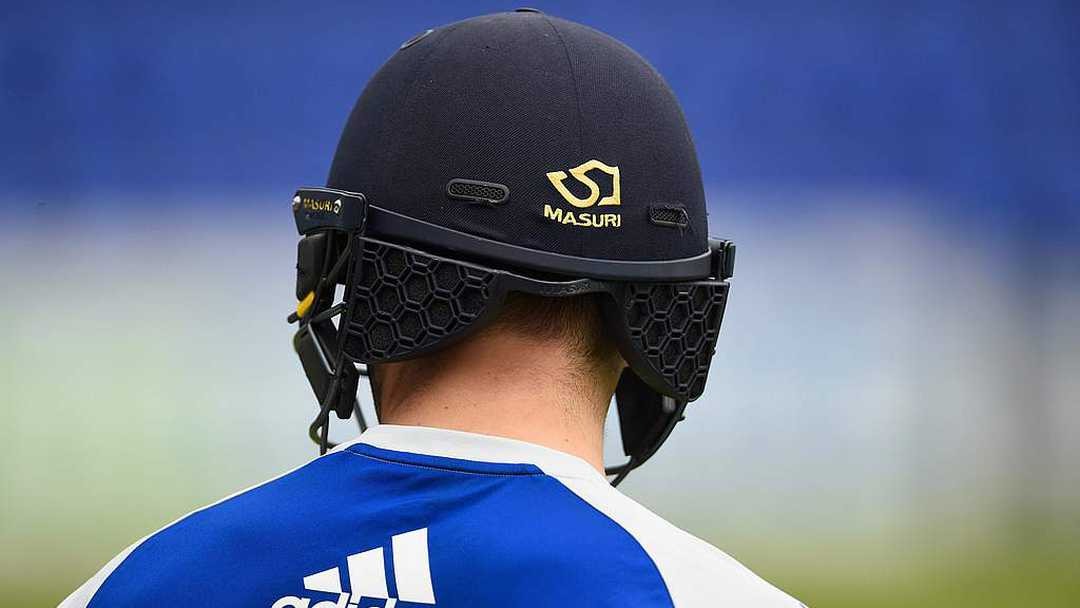
Match the helmet's exact model to documented testing for the ball used in play.
The International Cricket Council references BS 7928:2013 for cricket helmets and the A1:2019 amendment in connection with neck protection. Its helmet and head-protector guidance covers testing and equipment.
Helmets are tested with men's and junior-sized balls. A smaller ball carries a different risk of passing through the peak-grille opening. For women's-ball cricket, the ICC recommends a helmet tested against both men's and junior balls, or at least the junior ball. Junior players need testing evidence for the ball their activity uses.
| Evidence check | What to establish | When to stop assuming suitability |
|---|---|---|
| Exact helmet identity | Manufacturer, model and available compliance documentation | The model or documentation cannot be identified |
| Cricket helmet testing | Evidence relevant to BS 7928:2013 for the actual product | The claim exists only in a generic listing |
| Ball-size category | Testing with the ball-size category relevant to play; junior-ball evidence for women's-ball cricket under ICC advice | Only a larger-ball test is documented where smaller-ball testing matters |
| Neck protection | Applicable A1:2019 information and approved model configuration | A separate attachment is presented as universally compatible |
Compare the label with the manufacturer's information for that exact model and the ICC's published helmet list, and confirm the ball category recorded for it.
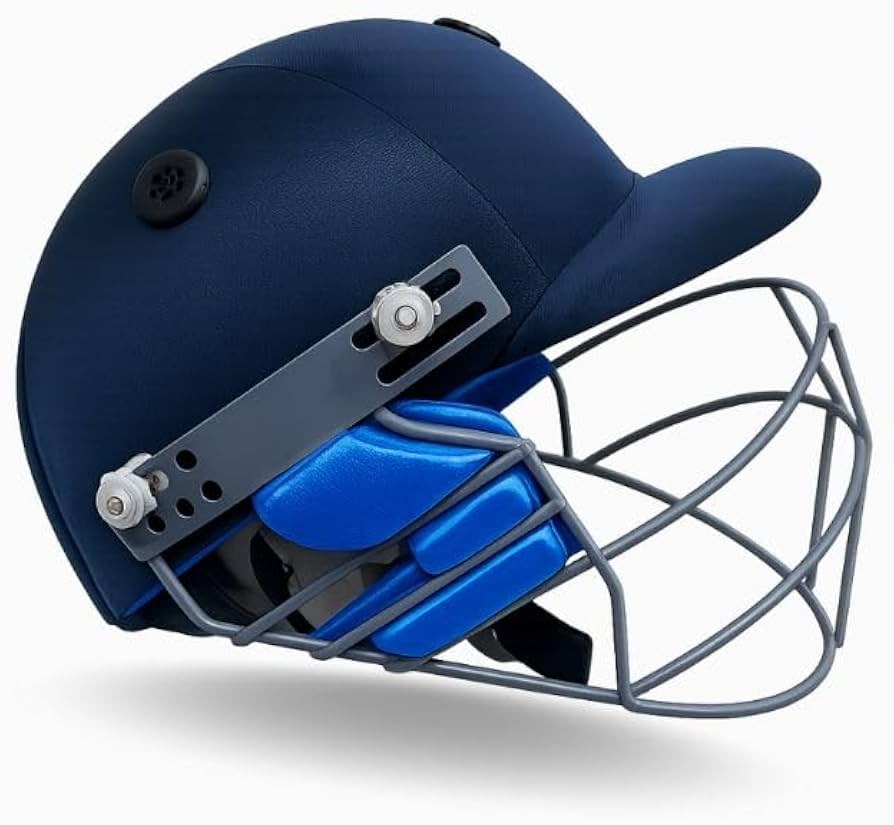
A junior borrows an adult-sized helmet. It sits comfortably, but the paperwork describes testing with a larger ball. Until you see smaller-ball evidence, don't treat that helmet as suitable.
How should a helmet, faceguard and neck protector fit together?
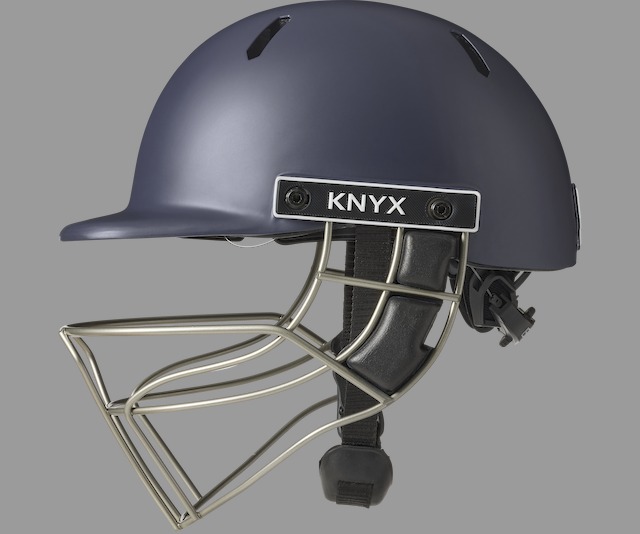
A helmet should sit securely, with a correctly positioned faceguard and clear vision. Start with your head circumference and the fitting instructions for the exact model.
Masuri's fitting guidance places its helmets low, slightly above the eyebrows and ears, without painful pressure points. Once the chin strap is secured, excessive rocking means poor fit. For its helmets, Masuri also specifies at least two finger widths between the chin and grille.
The peak is the part projecting above the faceguard, and the grille is the framework in front of the face.
Never bend, widen or reshape a certified peak–grille gap to improve visibility. If the approved configuration blocks your view or shifts, find a correctly fitting size or model with help from a competent fitter.
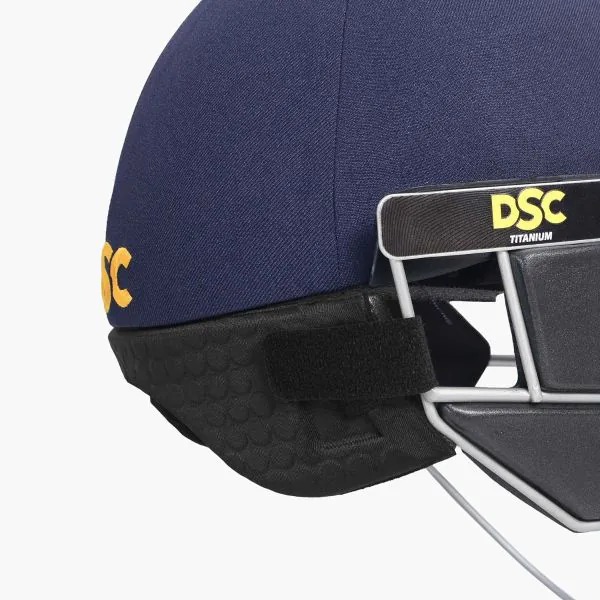
A stem or neck protector attaches to specific helmet systems. Check both parts together against the helmet and guard makers' documented compatible combination and fitting method.
Masuri's helmet buying guide covers steel and titanium grille options, including weight and cost. Pick the grille material only within a tested, correctly fitted helmet configuration.
How do batting pads, gloves and a groin protector fit correctly?
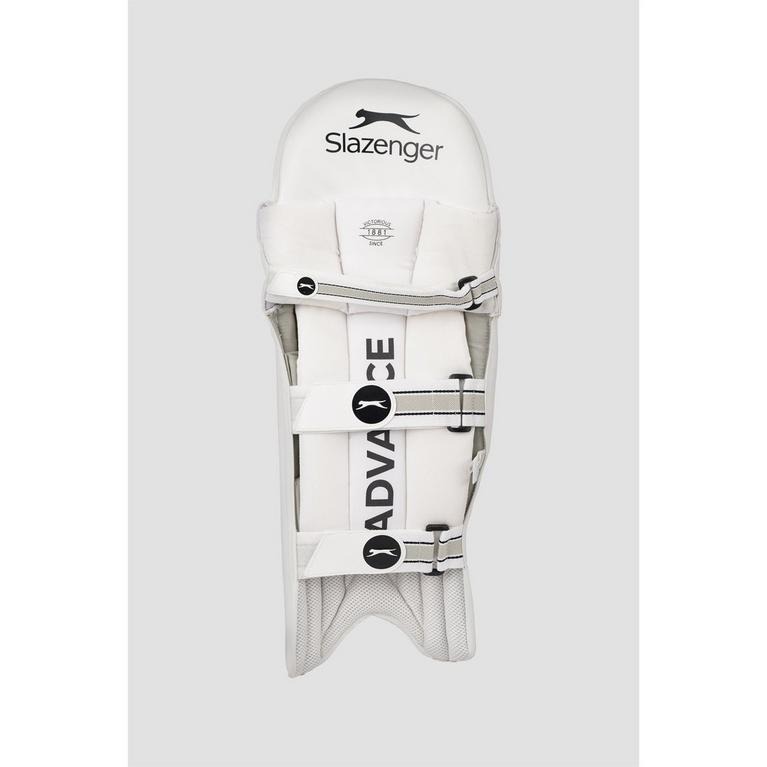
Start with the maker's measurements, then check the coverage.
| Item | Measurement or fitting basis | Coverage to assess |
|---|---|---|
| Batting pads | Kneecap-to-instep measurement and model-specific sizing | Knee and shin protection aligned with the leg |
| Batting gloves | Hand measurements from the chosen model's size chart | Fingers, thumb and hand, with reliable bat grip |
| Abdominal/groin protector | Shape, size and supporting clothing that suit your anatomy | Correct coverage and secure retention |
The pad method in the table comes from Kookaburra's cricket equipment size guide. Its glove chart uses wrist-to-longest-fingertip length and palm circumference.
Two people of similar height can have different lower-leg measurements and body proportions, so they can need different pads even when an age-based or general size category points both to the same shelf.
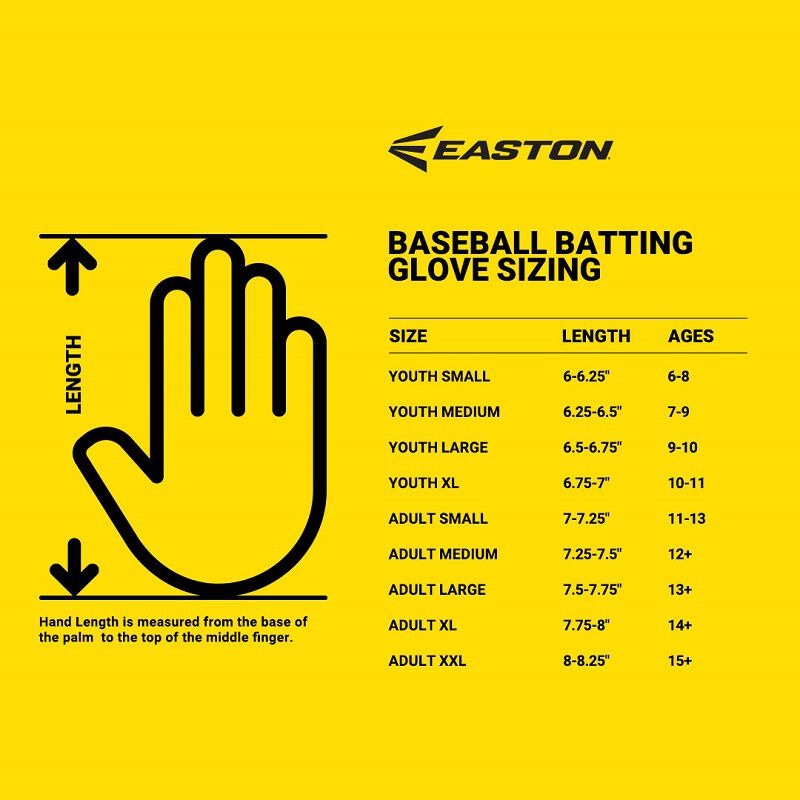
Batting gloves must cover the fingers and thumb and still allow a reliable grip. Gunn & Moore makes right- and left-handed variants with extra thumb protection on the bottom hand: right for a right-handed batting pair and left for a left-handed pair. Pick the handedness that matches the design you are buying.
A box needs a shape that covers you and supportive clothing that keeps it in place.
What protection changes for wicketkeepers and close fielders?
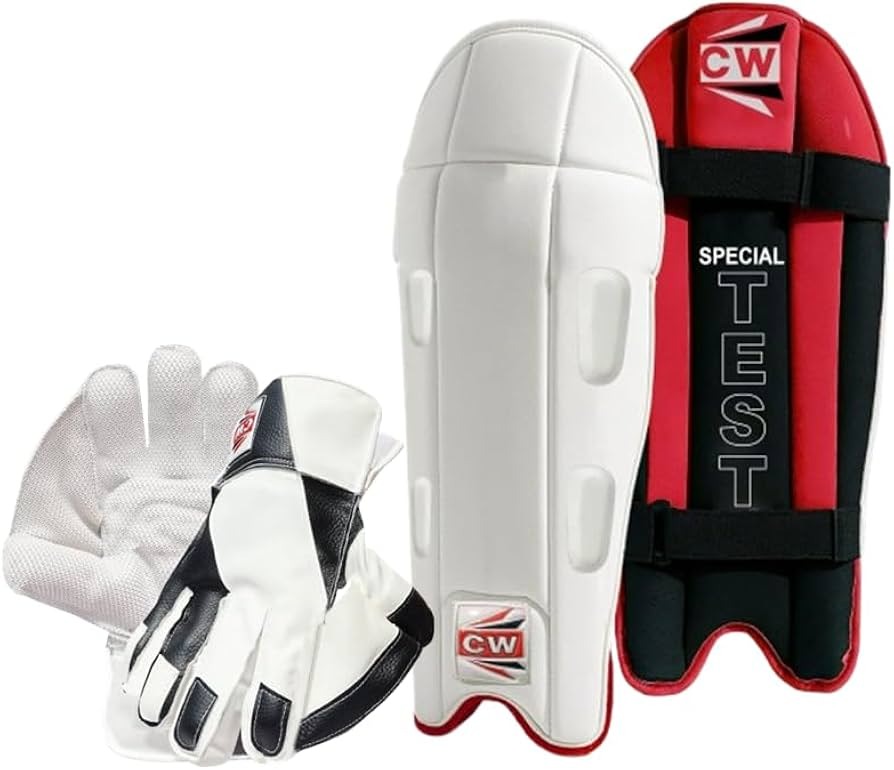
Wicketkeeping gloves are built for receiving and catching deliveries, and wicketkeeping pads are cut for a keeper's movement. Batting gloves and batting pads are made for a different job.
A keeper standing up to the stumps is much nearer the batter than one standing back. In England and Wales, the ECB recreational regulations allow a qualifying face protector as an alternative to a helmet for specified junior keeping situations; the cited standard is BS 7929-2:2009.
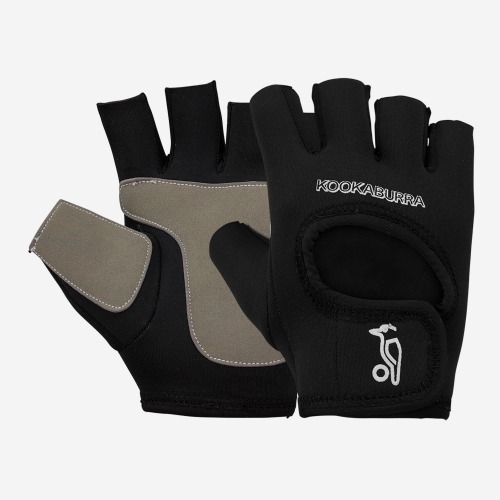
A close-in fielder can face deflections and hits from a shorter distance than an outfielder. Proximity and pace decide which areas need protection.
Under ECB recreational regulations in England and Wales, 16- and 17-year-olds fielding within 8 yards (7.3 meters) of the striker in hard-ball cricket must wear a helmet with faceguard.
If you alternate between batting and keeping, set aside the batting gloves when you prepare to keep and use the kit made for catching deliveries. Before taking an unfamiliar close-fielding position, find out how close you will stand and what protection that position requires.
When do thigh, forearm and chest guards make sense?
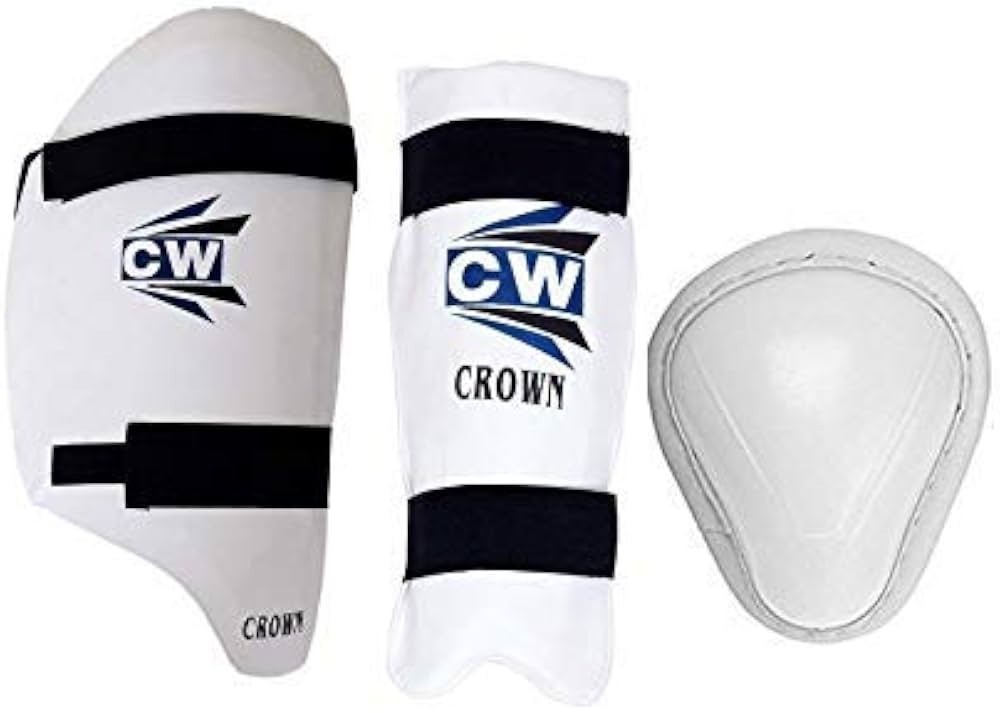
A thigh pad protects the thigh, a forearm or arm guard covers part of the arm, and a chest or rib guard adds upper-body coverage. They suit players whose position, ball pace, bounce or expected contact leave those areas exposed. Each one adds bulk, so wear one only for a specific exposed area and keep enough mobility to play. Team requirements come before personal preference.
How do you test the fit of your full cricket kit before playing?
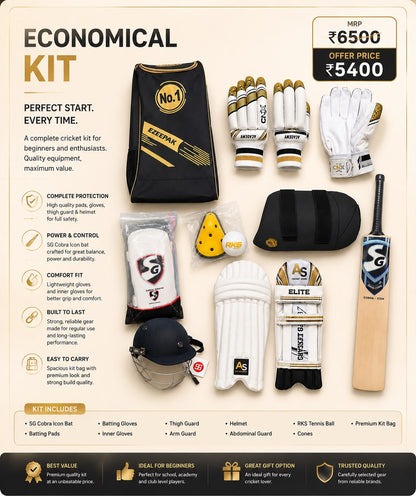
Pieces that fit acceptably one at a time can still cause trouble together. A full-kit check shows shifting protection, restricted movement and interference between pieces before you face a ball.
Put the kit on in an order that follows the manufacturer's instructions. In a safe, non-contact area, try these movements:
- Stand and settle the equipment. Check whether the pads, protective underwear, gloves and helmet stay in place once everything is on.
- Take a batting stance and bend. Check whether the knee protection slides out of alignment, the groin protector shifts or anything presses into your body.
- Step and jog a few strides. Watch for pads hitting each other, fastenings moving and anything blocking your legs.
- Grip and move the bat. The gloves should stay secure and allow your grip and stroke, and you should see clearly through the helmet.
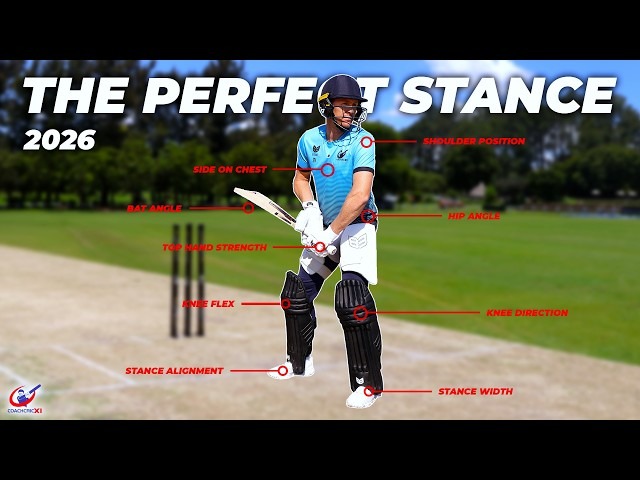
A pair of pads can match the size chart and still touch on every stride when you jog. A glove can match your hand measurement and still move too much on the bat. Both are fitting problems to solve before practice, with an approved adjustment or a different cut or size.
The kit passes this informal check when the protection stays aligned and you can move normally. It is not a certified impact-protection test. If protection keeps slipping, leaves areas exposed or limits your movement, refit it or choose a different item. A short adjustment period for unfamiliar gear is no reason to accept displaced protection.
Can you borrow or buy second-hand protective equipment?
Borrowed pads and gloves work when they fit properly and are in good condition. A used helmet is a harder call because its history of serious impacts matters.
A club may lend a helmet, pads and gloves in one bag, so judge each item on its own.
| Equipment | Condition or history to establish | Reason to reject or seek further assessment |
|---|---|---|
| Used or borrowed helmet | Exact model, known significant impacts, structural and fastening condition | Uncertain severe-impact history, damaged components or doubts about suitability |
| Batting or wicketkeeping pads | Size, protective coverage, straps, fastening security and padding condition | Damaged or badly fitted protection |
| Gloves and supplementary guards | Correct role, fit, material condition, securing components and hygiene | Torn, missing, deteriorated or unsuitable components |
If you cannot trace a used helmet's history of significant impacts, reject it and choose a known-suitable replacement.
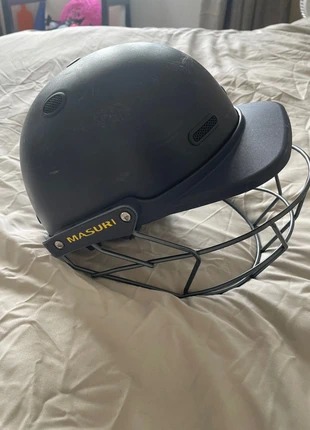
If the club lends a bat but not fitted helmets, pads or gloves, read which pieces of your first cricket kit to buy or borrow. It sorts first-session equipment into what must be personal and what you can borrow.
What protective-equipment rules apply at US cricket clubs?
US clubs and competitions set equipment requirements for their own playing conditions.
Cincinnati Youth Cricket Club requires a helmet, box, gloves and pads for hard-ball batting within its youth program.
The USASC NPL 2026 playing conditions make helmets optional in that competition, with certification and fit conditions when worn. Section 4.3.2 separately requires appropriate protective equipment for batters and wicketkeepers.
The ECB regulates specified junior hard-ball batting and close-fielding activities in England and Wales. Cricket Australia's policy has required neck protectors in certain sanctioned fast- or medium-pace contexts from the 2023–24 season. Those UK and Australian provisions are not blanket rules for US clubs.
For your session, read the organizer's playing conditions and equipment policy for your age group and position. Ask the club or organizer about anything unclear before play.
When should damaged protective gear be taken out of use?
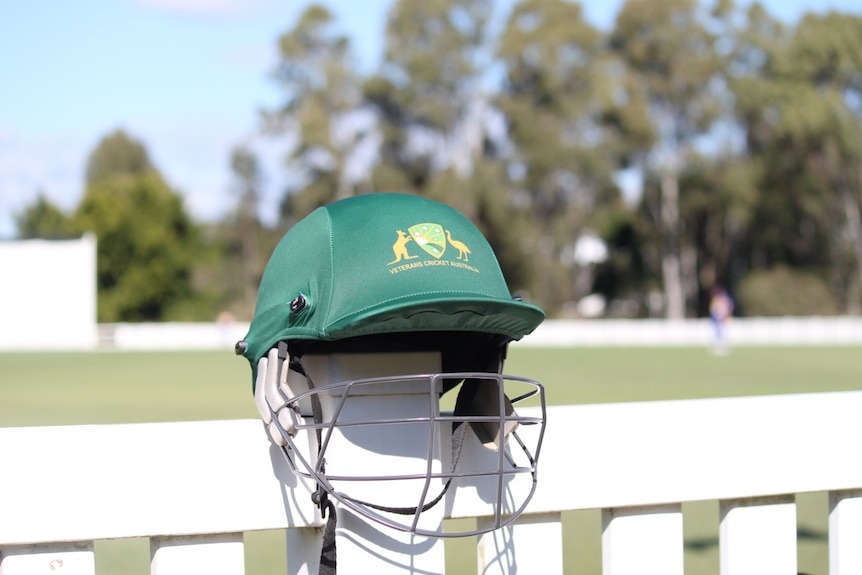
Replace any head-protector component that sustains a severe blow, even if no damage is visible. The impact can compromise its energy-absorbing structure.
Other protective items also come out of use when you see clear damage:
- Cracked or broken parts. A damaged shell, guard or rigid component can fail to protect as intended.
- Failed fastenings. A broken strap or insecure fitting lets protection move out of place.
- Compromised padding. Missing, damaged or displaced padding can leave the area inadequately covered.
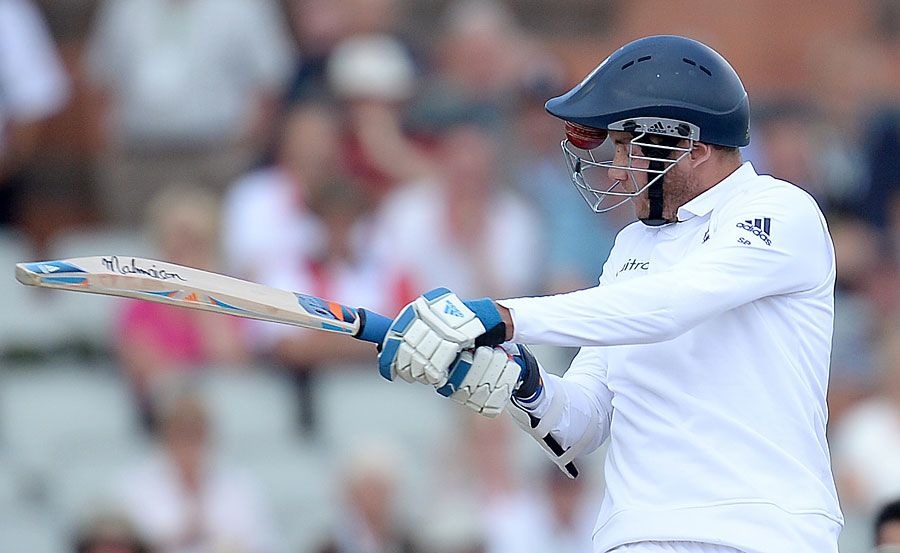
A head impact is also a health concern. The CDC's HEADS UP guidance states that no helmet is concussion-proof. If you suspect a concussion or head injury, stop playing and get a qualified medical assessment before any return-to-play decision. For general practice arrangements, read how to organize safer hard-ball practice, which covers helmets, pads and supervised batting.