Hard-ball cricket changes the setup before it changes the drill. A first-timer needs protection that fits their role, controlled deliveries, a safe practice area and a supervisor who knows the job. If any of those is missing, stop. After a suspected concussion, the player is out for the day and follows medical clearance guidance before returning.
Before You Start: Make the Hard-Ball Go/No-Go Decision
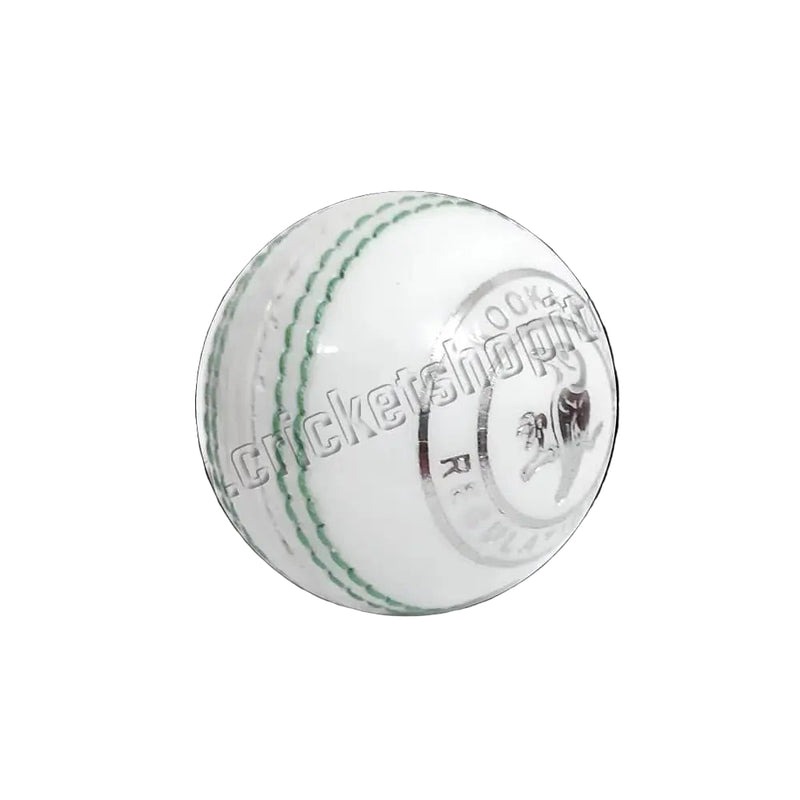
Before you step into the net, find out three things: whether the session uses a hard leather ball or a softer training ball, which role you'll play (bat, bowl, keep wicket or field), and who controls the deliveries. Those answers decide what gear you need, how the nets are arranged and who should supervise. At an unfamiliar club you might turn up with a bat and borrowed kit and no idea what bowling is planned.
Match Protective Equipment to Your Playing Role
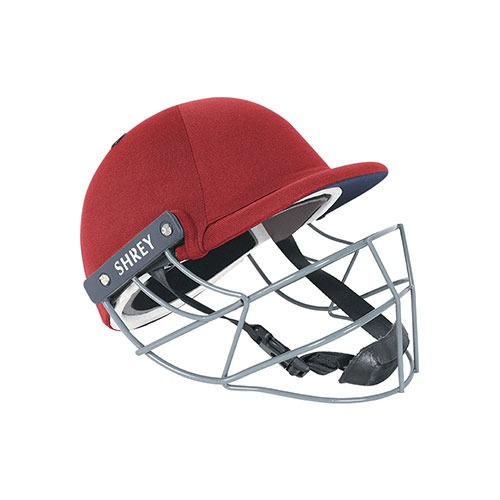
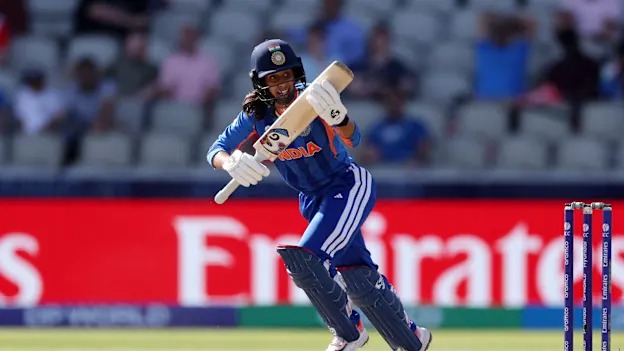
A batter facing a leather ball needs different protection from someone feeding a bowling machine or waiting outside the net. Start from your actual position and the ball you'll meet.
The England and Wales Cricket Board's recreational safety guidance sets out how to match equipment to each cricket activity.
| Your role | Main exposure | What to check |
|---|---|---|
| Batter facing a hard ball | Strikes to the head, face, hands, legs or body | Cricket helmet with grille, batting gloves, leg pads, abdominal or pelvic protection, and proper footwear |
| Wicketkeeper up to the stumps | Close-range deliveries and deflections | Head and face protection, wicketkeeping gloves and role-specific padding; the ECB allows a face protector as an alternative in specified circumstances |
| Close-in fielder | Shots or deflections from short range | Head and face protection; for adults fielding closer than 8 yards (7.3 meters) from the striker, the ECB recommends a helmet |
| Bowler or ball feeder | Struck balls, returns and unexpected releases | Safe positioning, a controlled feeding process, and protective screens or barriers |
| Waiting player | Stray balls or entry into an active lane | A set waiting spot outside delivery and rebound paths |
Borrowed kit has to fit
Borrowing equipment makes a first session easier to arrange, but club pads and gloves can be the wrong size. Pads should stay in place while you move, and gloves should let you grip the bat firmly. An abdominal protector, called a box in cricket, has to fit you and suit the activity. If essential body protection is missing or fits badly, change the planned activity before hard-ball batting starts.
Check Helmet Certification, Fit, Grille and Impact History
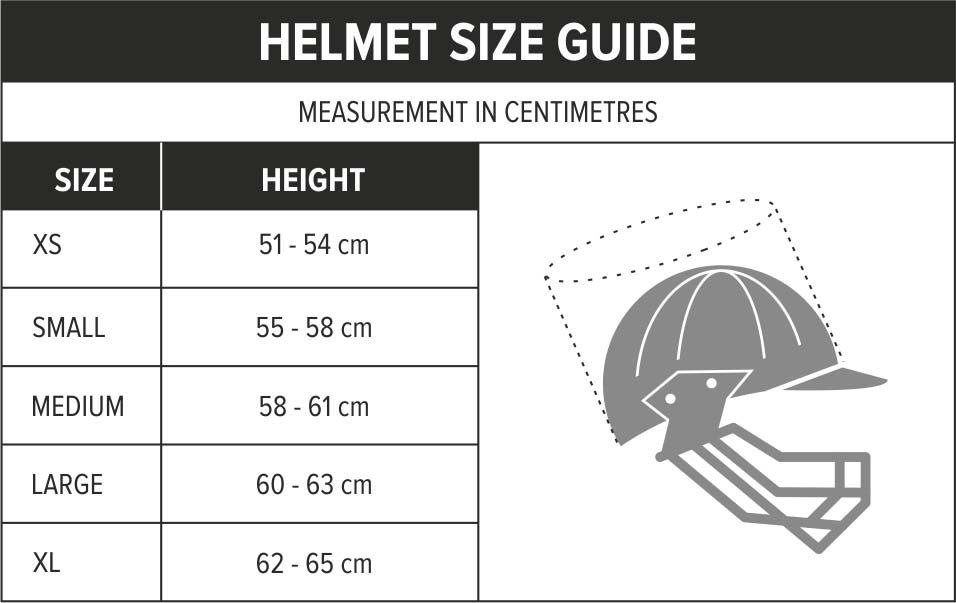
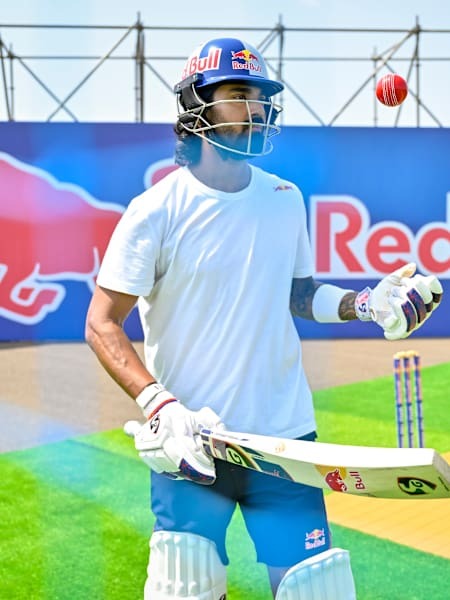
A cricket helmet needs the right certification and testing category, a secure fit and sound condition. Read the label, put it on and look it over.
The International Cricket Council's helmet guidance names BS 7928:2013 for cricket helmets and amendment A1:2019 for neck protectors. The ICC describes testing against 5½-ounce men's cricket balls and 4¾-ounce junior balls.
For play with a women's-sized ball, the ICC recommends a helmet tested against both men's and junior ball sizes, or at least the junior size. The reason is that a smaller ball can pass through the gap in an unsuitable grille.
Read the label and inspect the helmet
- Certification: Look for the standard and ball-testing category printed on the helmet. A sales listing can't tell you what is in your hands.
- Fit: It should sit securely, stay put through normal batting movement and fasten as intended.
- Grille: The faceguard must be correctly fitted and compatible with the helmet. Never change its gap or attachment beyond the manufacturer's instructions.
- Neck protection: Check whether a compatible neck protector or stem guard is fitted and what the rules say about using one. In its December 2025 recreational safety update, the ECB strongly advises neck protectors where helmets are required or recommended.
- Impact history: Replace any helmet or protective component that has taken a severe blow, even if it looks undamaged. If you can't confirm a borrowed helmet's history, don't bat in it.
Weight and comfort
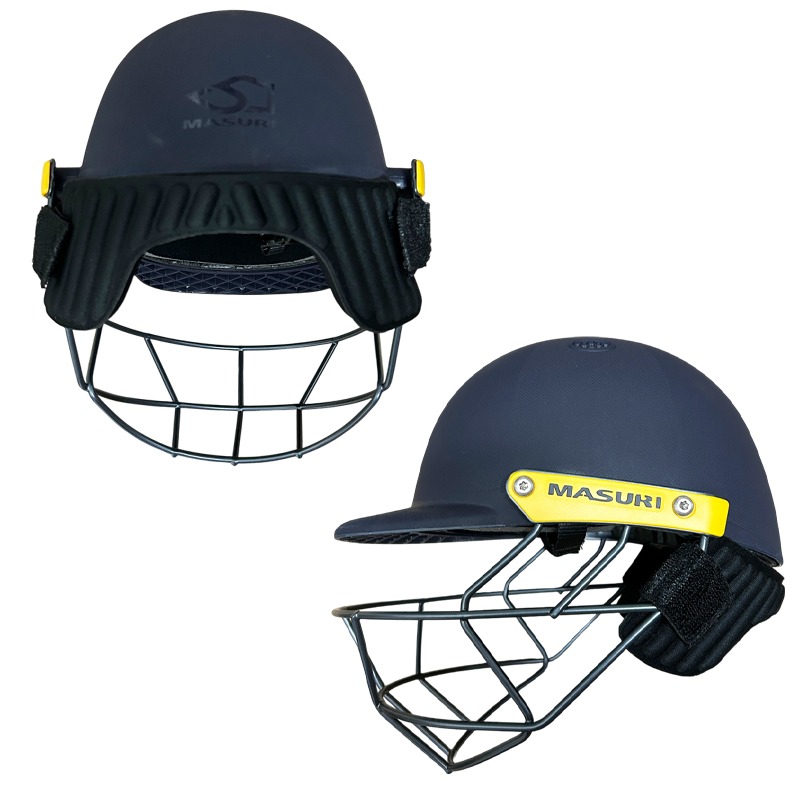
One recreational cricketer described the difference a lighter helmet made during net practice:
I’ve always used traditional heavier helmets because they felt more protective, but recently I tried a lighter setup during longer net sessions and the difference in neck fatigue and overall comfort was noticeable. At the same time, part of me still feels heavier helmets are psychologically more reassuring against faster bowling. Curious how others feel about the newer lightweight helmet trend. Do you actually notice a difference while batting, or is protection still the only thing that matters?
Inspect the Nets, Surface, Feeder and Other Players
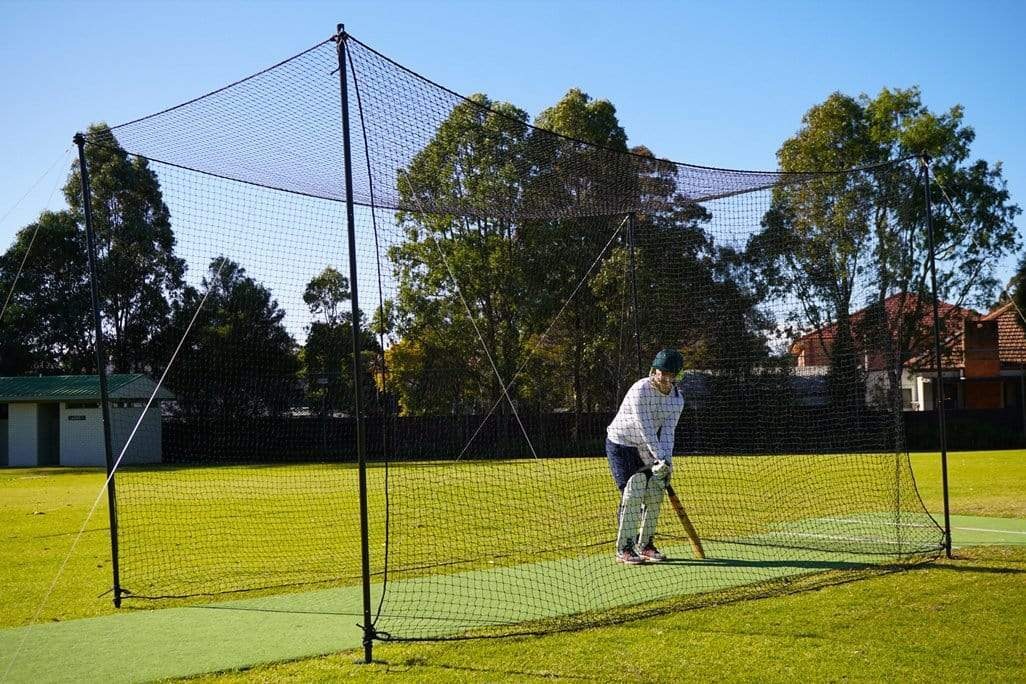
A well-equipped batter can still end up in an unsafe practice area. Rebounds, loose matting, adjacent lanes, exposed entrances and poorly managed feeding equipment each cause their own problems. The net has to contain the practice and keep bystanders out of the ball's path.
Walk the lane before play
Inspect the practice area with the person supervising the drill.
| What you find | Why it matters | Action |
|---|---|---|
| Loose matting, a raised edge or unstable footing | Ball behavior and player movement become unpredictable | Pause until the surface or the plan is fixed |
| Damaged netting, gaps or unsecured barriers | Balls can escape the intended area | Stop hard-ball use of the affected lane until containment is restored |
| People entering or waiting in exposed areas | Deliveries or deflections can strike bystanders | Clear the area and control access |
| Poor lighting or obstructed sightlines | The batter or feeder can lose sight of the delivery | Fix visibility before you continue |
| Uncontrolled bowling machine or ball thrower | Deliveries can arrive unexpectedly or outside the planned exercise | Suspend feeding until an operator who knows the machine restores control |
Allow for bounce and neighboring activity
Picture a beginner who has practiced with a tennis ball and now faces a leather ball on matting over concrete. The next delivery can bounce differently from what they expect. A raised seam adds avoidable uncertainty, especially when another player is moving near the lane entrance.
The ECB's training guidance names net condition, access, neighboring activity and rebounds as things to control actively.
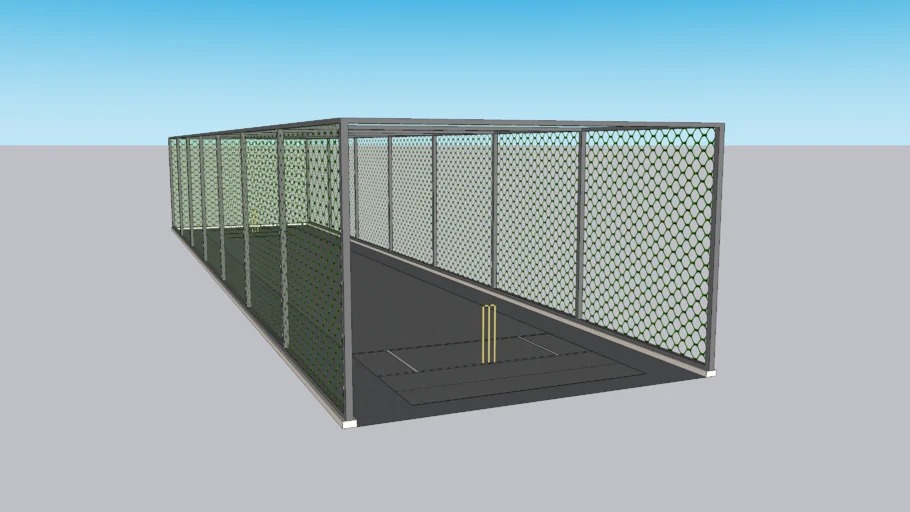
Know who controls each delivery
Whoever runs a bowling machine or ball thrower needs to know the equipment, its instructions and the agreed exercise. Feed the next ball only when the batter signals readiness, the previous ball is under control, and delivery and return paths are clear. Nobody changes pace or ball type without warning, and nobody starts feeding while someone is exposed.
Make Your First Hard-Ball Drill Manageable
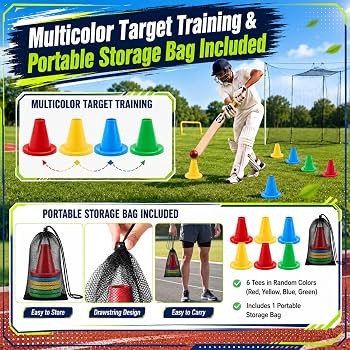
Match your first hard-ball exercise to the experience you bring. If you're comfortable with tennis-ball or tape-ball cricket, a leather ball can still feel unfamiliar in its impact, movement and equipment demands.
Agree on one exercise
Settle the starting conditions with your supervisor:
- Starting feed: Pick a delivery difficulty that matches your experience and the control available.
- Stop signal: Agree on a clear way for the batter and feeder to pause or adjust the exercise.
- Fielding role: Have your position explained before you're placed close to the bat.
- Next step: Raise the challenge once the current task feels manageable under supervision, never to keep up with an experienced group.
If you're an adult returning after several years, you might know the rules and still feel unsure about facing a hard ball. A less demanding drill or a modified training ball keeps the session useful without forcing an unfamiliar delivery. Protection and supervision still need to fit that revised exercise.
Stop After a Head Strike or an Unsafe Change
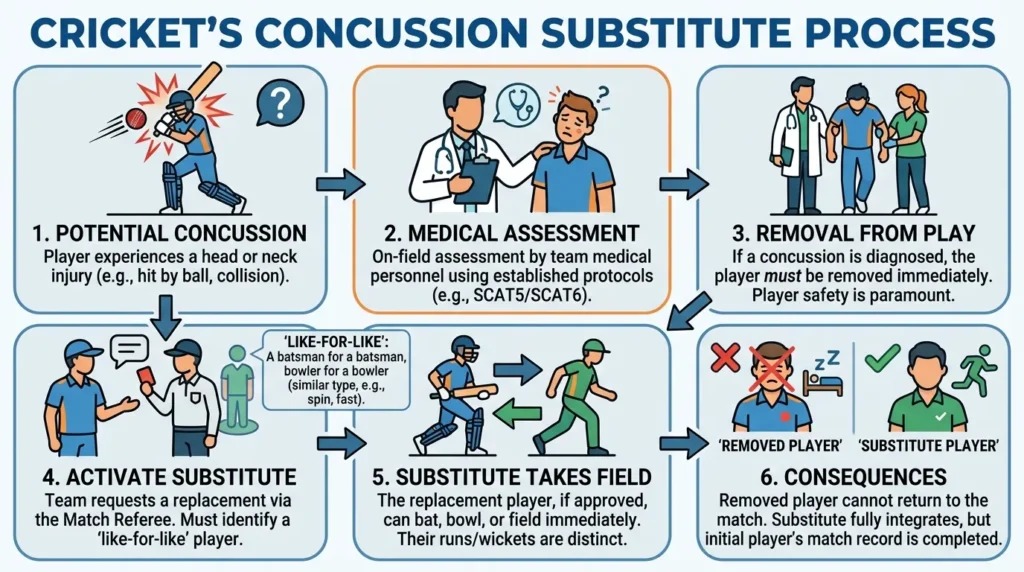
Anyone with a suspected concussion leaves cricket immediately and stays out for the rest of the day. Medical assessment and a healthcare provider's clearance decide when they return to sport.
The US CDC HEADS UP response guidance sets out these remove-from-play and return principles.
A player says they feel fine after being hit
Say a batter takes a ball to the head, stands up and insists they're okay, but seems confused about the previous delivery. Their reassurance doesn't clear a suspected concussion. Symptoms can appear or become clearer later, so no coach or teammate should approve a return through an informal on-field test.
Emergency danger signs
The CDC's concussion signs and symptoms guidance lists signs that need emergency medical care:
- Worsening headache: Head pain that keeps getting more severe.
- Repeated vomiting: More than one episode.
- Confusion or abnormal behavior: Increasing trouble responding, understanding or staying oriented.
- Neurological changes: Seizures, slurred speech, unequal pupils or weakness.
- Reduced alertness: Difficulty waking or staying awake.
In the United States, call 911 when any of these signs appear. The list is not exhaustive.
Other reasons to stop the drill
A serious injury elsewhere on the body also stops the drill. Arrange first aid or medical help to suit the injury.
Check the Rules and Safety Support at Your US Club
A helmet standard describes how equipment is tested. Your club or competition policy decides when you must wear it. A foreign cricket board's requirements don't automatically govern a recreational club in the United States.
The ICC provides helmet standards, the ECB publishes recreational guidance for England and Wales, and Cricket Australia distinguishes mandatory conditions in specific competitions from community recommendations. Find out which organizer controls the session you'll attend.
Find the right local contact
- Equipment rules: Which protections are required for the actual ball, role and activity?
- Supervision: Who oversees beginners and controls the deliveries?
- Machine operation: Who may use the bowling machine or ball thrower?
- Emergency plan: Who handles first aid, emergency access and incident reports?
- Junior participation: What extra requirements apply if children are involved?
The ECB's December 2025 update recommends competent adults to operate bowling machines and ball throwers and says under-18s should not operate them.
Cincinnati Youth Cricket offers a US example: its published guidance covers protective equipment for junior hard-ball batting and progression from modified balls.
Record the First-Session Checklist and Your Next Move
Use one status sheet to turn the completed checks into a decision. Mark each item Pass, Change or Unknown, and use N/A only where the item truly doesn't apply to your role.
First-session status card
| Readiness item | Record | When it applies |
|---|---|---|
| Ball type, player role and delivery controller identified | Pass / Change / Unknown | Every session |
| Role-specific non-helmet protection fitted | Pass / Change / Unknown | Depends on role |
| Helmet label, fit and impact history checked | Pass / Change / Unknown / N/A | Where head protection is relevant |
| Net, bystanders and feeding process controlled | Pass / Change / Unknown | Practice with deliveries |
| Beginner drill and stop signal agreed | Pass / Change / Unknown | New or returning players |
| First-aid contact, emergency access and means of calling for help established | Pass / Change / Unknown | Every session |
| Applicable club or league requirements established | Pass / Change / Unknown | Organized sessions |
For example, if a borrowed helmet moves on your head and its impact history is unclear, mark that check Unknown. Hard-ball batting can't begin with that helmet.
- Proceed: Every essential check for this activity has passed, and the agreed session can begin.
- Change the setup: A specific equipment, environment or exercise fix is available. Pause until it's made and checked.
- Do not start: An essential hazard or uncertainty can't be resolved for the planned session, or nobody can reliably control the deliveries.
For a starting exercise, see beginner cricket practice drills for bowling, catching, and fielding practice. For unresolved equipment needs, see the first cricket kit guide. If you still need an organizer, use the guide to finding a cricket club in the USA to compare teams, practice sessions, and coaches.