If you're new to cricket, start with a slow ball. Get set, move into its path, stop or catch it cleanly, and return it with control when the play calls for one. Speed up or move to a hard cricket ball only when those actions are repeatable. Begin with a slow ground-ball stop, an easy catch and a short return.
What Should a Beginner Fielder Do When the Ball Is Hit?
A fielder stops runs, takes catches when the ball goes in the air, and can help run a batter out. When the ball rolls toward you, get behind its path and stop or collect it. When it comes through the air, move into position and receive it. If it goes elsewhere, back up a teammate and reset for the next delivery.
Start With a Safe Ball, Pace, and Practice Area

Start with a ball you can follow easily and a feed slow enough to reach. A soft training ball works well for learning the movements. A tennis ball or a tape-ball setup also works in an adapted session, though its bounce and feel differ from a leather cricket ball.
Pick a clear area with stable footing. Check for bystanders and obstacles behind both players, agree on the direction of the return, and make sure the receiver is looking at you. Then start with a gentle roll. Pace, distance and trajectory each change the difficulty, so change one at a time.
Hard-ball boundary: Fast leather-ball catches, close catching and diving need instruction, equipment and the right conditions. Do not use painful impacts to build confidence. If a ball strike causes injury or lasting pain, stop and get it assessed by a professional.
The England and Wales Cricket Board publishes recreational safety guidance for its jurisdiction. US clubs and organizers can set different requirements, so follow the rules and supervision of the session you join.
Get Into a Ready Position Before Each Delivery
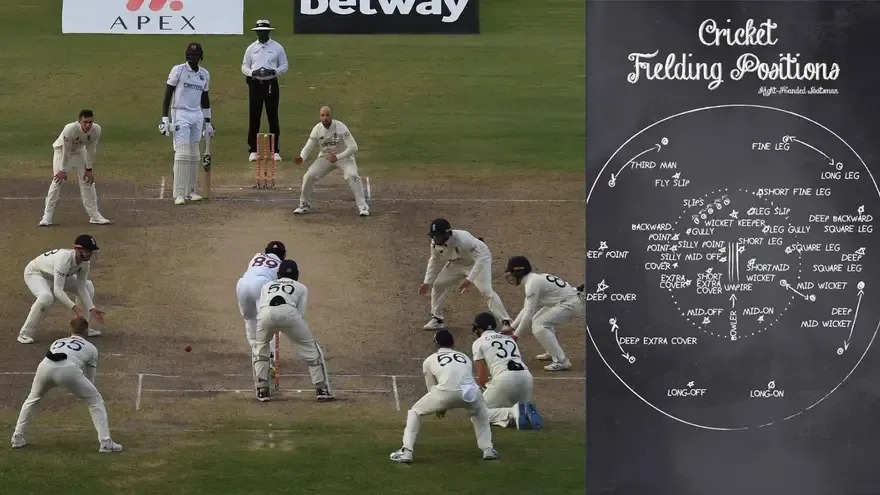
Stand with your knees slightly bent and your weight ready to shift, so you can move either way without losing balance first. Keep your eyes on the play. A rigid crouch makes the first step awkward.
In a match, the bowler delivers to the striker, the batter facing that ball. Find the striker and follow the play as the ball is delivered. In a partner drill, face the person rolling the ball. If a slow roller will pass a step to your right, step toward its line. Your hands get closer and you stay balanced.
Some fielders make a small movement as the bowler approaches. The MCC's clarification of Law 28.6 separates permitted minor adjustments and limited movement from unfair changes of position, including substantial sideways movement during the bowler's run-up.
On your first easy feed, start balanced, watch the ball and step toward either side.
Stop a Ground Ball: Long Barrier or Attacking Pickup?
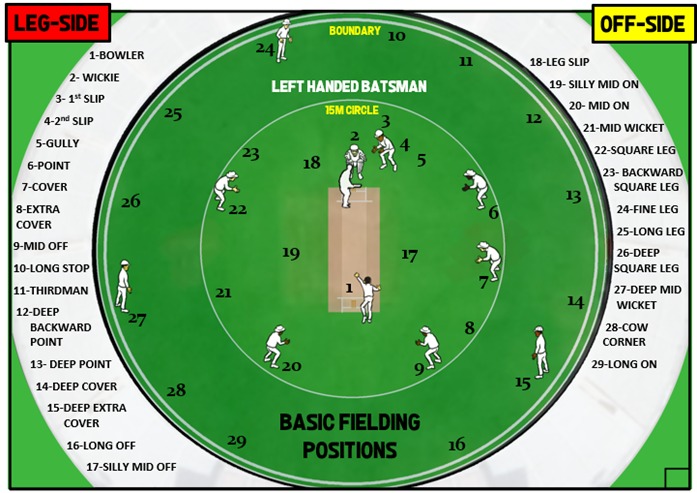
A ground ball gives you one of two jobs. You may need to stop it from reaching the boundary, or you may have time to gather it for a quick return. Its speed, the bounce, your balance and the state of play decide which.
For a long barrier, move into the ball's line and lower your hands with fingers pointing at the ground. Bend a knee and place that leg behind your hands as a second barrier if the ball escapes the gather.
An attacking pickup adds forward movement so you can gather the ball and release it faster. It asks more of your timing and balance, especially on uneven ground or when the bounce changes. Historical ESPNcricinfo fielding instruction explains the defensive and attacking approaches.
| Situation | What to do | Cost |
|---|---|---|
| Slow roller on an easy line | Gather it cleanly | You need time to get into position |
| Ball heading for the boundary | Defensive stop or long barrier | A sure stop can delay the return |
| Roller you can handle, urgent return on | Attacking pickup | A quicker release demands better timing |
| Uncertain bounce or poor balance | Conservative stop | Securing the ball comes first |
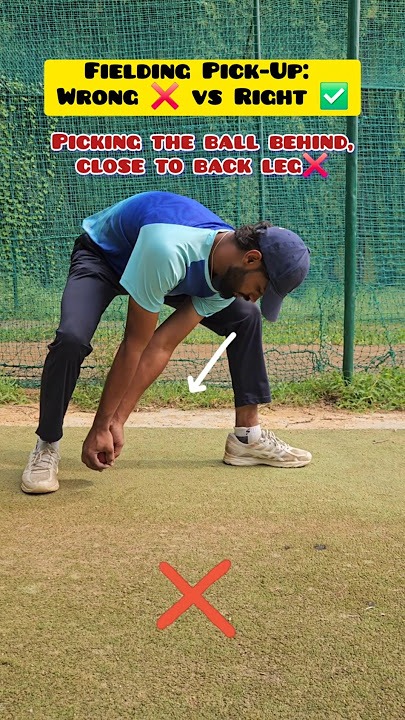
Choose the technique you can finish with your balance and the ball under control. Between group sessions, rebound and ground-ball stops build control. The solo practice drill guide adapts the fielding drill for solo work.
One club player gave this advice to a newcomer. If you walk in as the bowler delivers, stay within the movement limits above.
Listen to the captain in terms of where to stand in the field. Try to remember where you were told to stand. Walk in as the ball is being delivered. Use the long barrier (down on one knee sideways) to put as much of yourself behind the ball. The ball being hard takes some getting used to. Arrive early and try to get involved in some catching practice before the game starts
To compare the two choices, have a partner roll a soft ball along two clear paths: one where a sure stop matters and one where a quick gather works. Check that the ball stays in front of you and your balance holds through the gather.
Catch a Cricket Ball With Better Footwork and Softer Hands
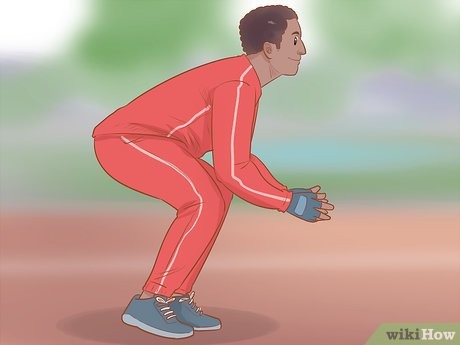
For a catch you can reach, move your feet into the ball's path and let your hands cushion its arrival. Track the ball from the feed, adjust early, and take it within comfortable reach.
Hand shape changes with the height and direction of the catch. Sikana's catching lesson demonstrates higher, lower and sideways receiving positions.
| Feed | How to receive | Watch for |
|---|---|---|
| Above chest height | Move into line; fingers pointing up | Keep the ball in sight and away from your face |
| Below chest height | Bend or adjust your body; fingers pointing down | Take it within reach without locking your arms |
| Slightly to the side | Move your feet toward the path; turn your fingers sideways | Stay balanced |
These shapes follow the incoming path. A little give in your hands at contact absorbs the ball's momentum.
That receiving action is called soft hands. Stiff hands let the ball rebound or bobble. If the ball pops out of your palms, go back to an easier toss.
Have a partner toss three soft, reachable balls, changing only the height or the side. Note which receiving position keeps the ball secure.
Return the Ball Accurately and Back Up a Missed Throw
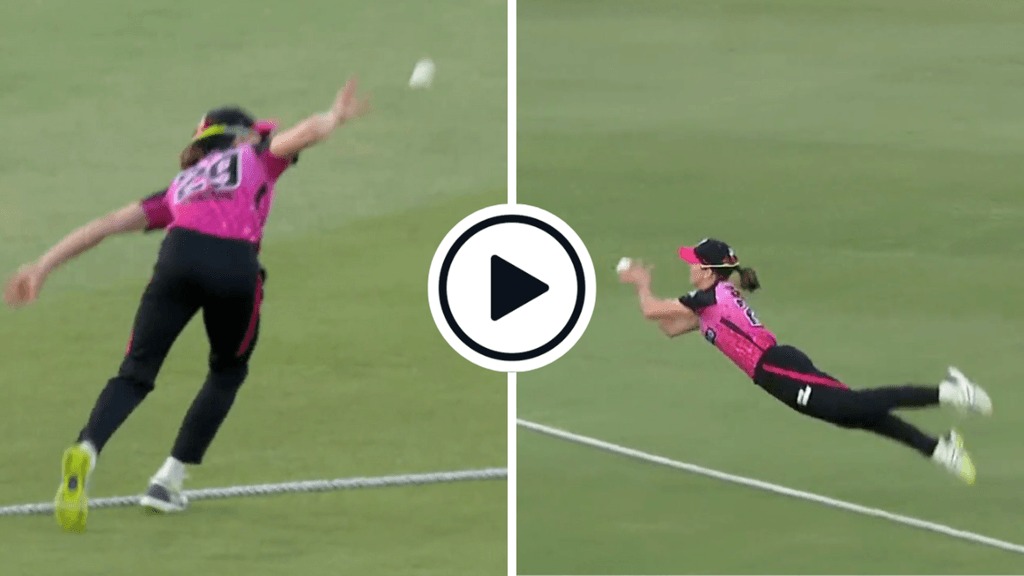
Once you've collected the ball, pick a receiver and a route to that target. The positions of the batters and your teammates decide where the return helps.
For a short underarm return, face an alert teammate and swing the ball forward gently from a low position toward the agreed target. For an overarm throw, turn side-on to the target and point your non-throwing arm toward it before a controlled release. Use only the force you need.
Backing up means taking a position behind the likely receiving point while a teammate returns the ball to a receiver or the wicket. If the return passes its target, you can collect it and limit further running.
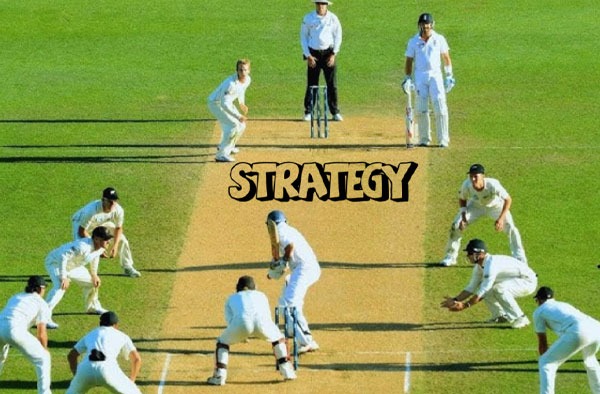
Your position depends on the direction of play and the space available. Stay clear of teammates and unsafe throwing lanes, and follow the captain's instructions.
Set the receiver and the throwing lane, then make a short underarm return while a second fielder covers a safe miss behind the target. Check that the ball reaches the intended player and that the backup collects a miss.
Know Where to Stand in Your First Club Match
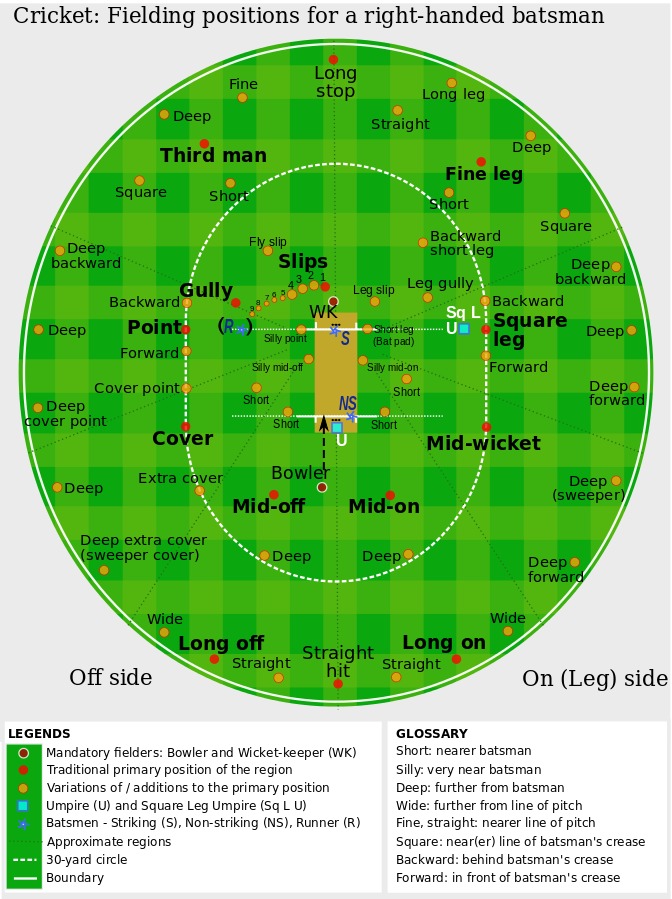
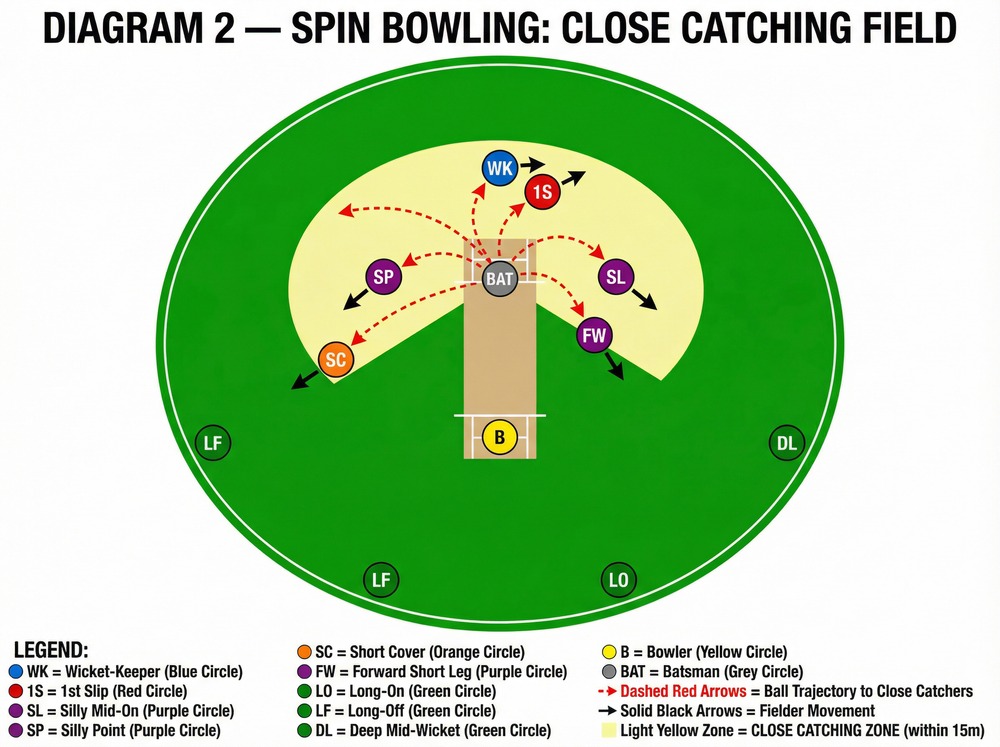
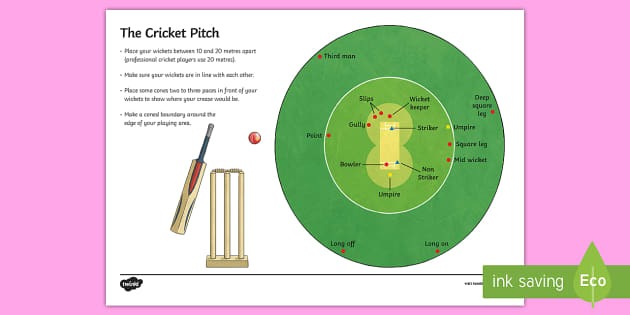
Your captain may tell you to stand at long-on, short mid-wicket or a position you've never heard named. Ask the captain or an experienced teammate to point to the area on the field, and check it again before each over. You can learn the full vocabulary later.
One detail trips up newcomers: in ordinary play, consecutive overs are bowled from opposite ends of the pitch. The new bowler, the striker and the captain's field decide which way you face.
One player recalled taking a friend to his first cricket match:
I took a mate along for his first game of cricket once. First over the captain put him at short mid wicket. Second over he didn't realise about changing ends so spent the whole over crouching facing the bowling end umpire. We had a good laugh about that.
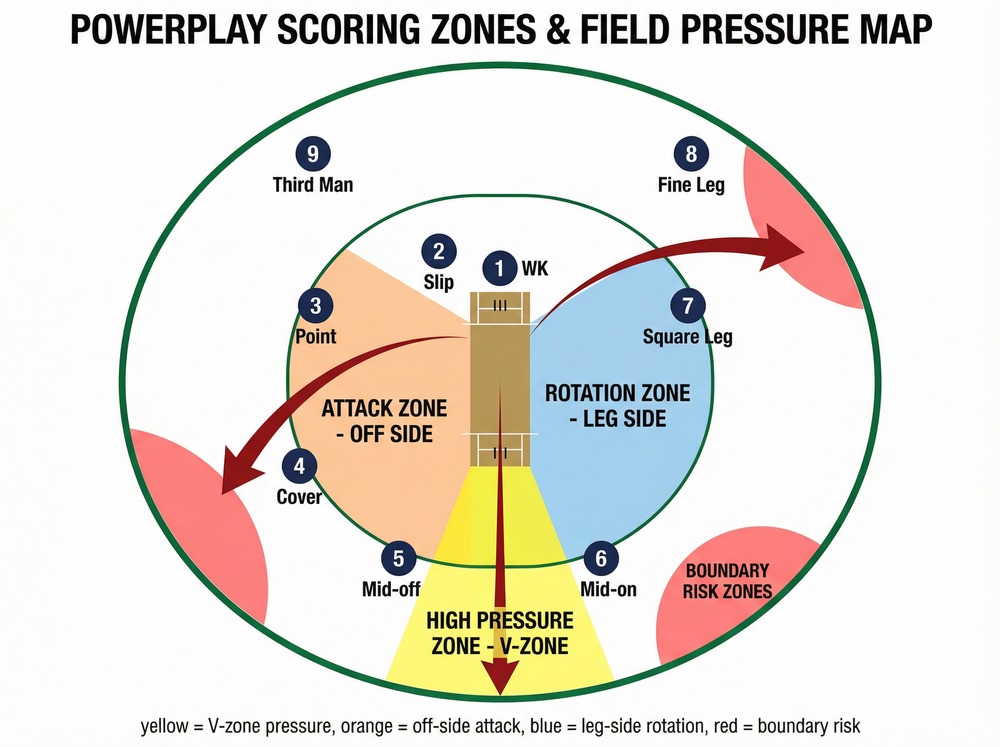
Before each over, identify the bowler and the striker. When the bowling ends change, turn toward the play before the first delivery.
Fix Six Common Fielding Errors, One Correction at a Time
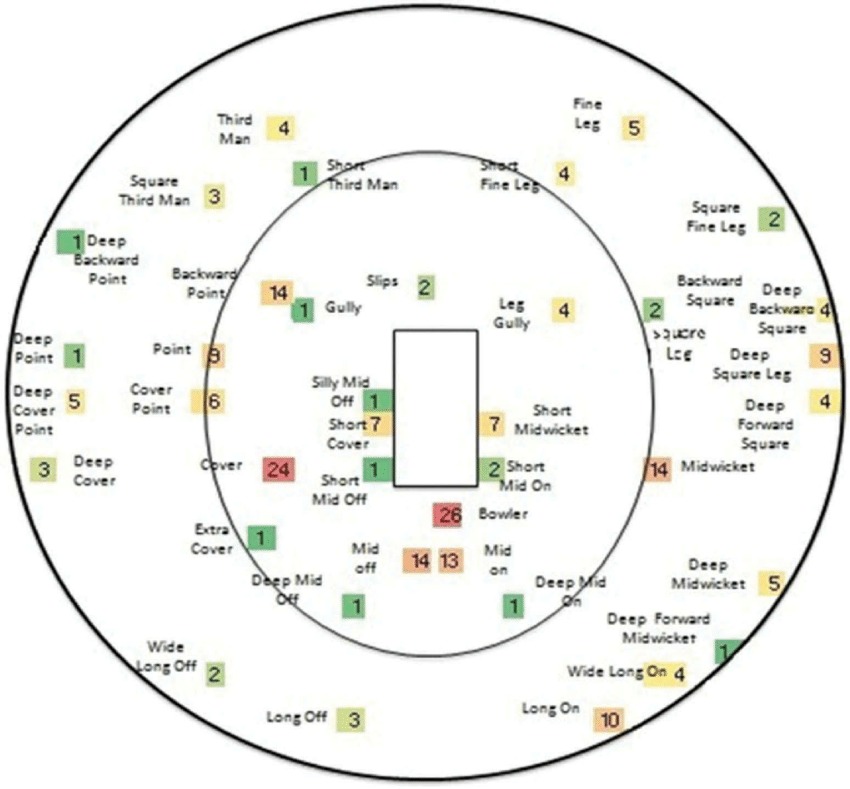
Describe what happened first. Similar misses have different causes, so test one adjustment on an easier version of the task.
| What happened | Cause | One fix to test | Easier retest |
|---|---|---|---|
| Ground ball slips beneath the hands | Body outside the ball's line | Adjust your approach line earlier | Slow roller on a clear path |
| Ball pops out of the hands | Stiff hands or wrong hand shape | Let the hands give | Softer, easier toss |
| Catch arrives beside the body | Feet did not move toward the path | Move into a comfortable line | Easy sideways toss |
| Return travels wide | Rushed release or too much force | Use less force and set your direction | Short underarm return to a target |
| Attacking pickup ends in a fumble | Speed beyond your current control | Gather conservatively | Slower ground feed |
| Fielder faces the wrong direction after an over | Missed the change of bowling ends | Use the field-orientation routine | Name the direction of the next delivery |
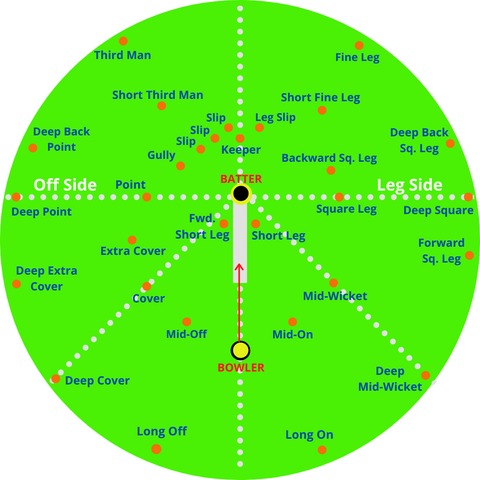
Pick one recurring error and compare the next easier feed with your last attempt. Look for the result that matters: a clean gather, a secure hold, an on-target return or the correct orientation.
A Short Fielding Session for Your First Practice
Two people can work through ground balls, easy catches and short returns, then review one difficulty. One feeds while the other fields; switch roles during a safe pause. Here is a 19-minute session for two.
| Phase | Time | Activity | What to check |
|---|---|---|---|
| Setup and roles | 3 minutes | Agree on positions and feeds | Both players know the task |
| Ground fielding | 5 minutes | Collect slow rollers | Clean gather or stop |
| Catching | 5 minutes | Receive soft, reachable tosses | Secure hold or bobble |
| Returns and backup | 4 minutes | Make short returns and cover a safe miss | Target direction and backup awareness |
| Review | 2 minutes | Pick one adjustment for next time | One next step |

The ICC's criiio programme, described in July 2021, is an adaptable eight-week introduction to cricket. This circuit is a separate, one-session example.
When Are You Ready for a Faster Ball or Your First Match?
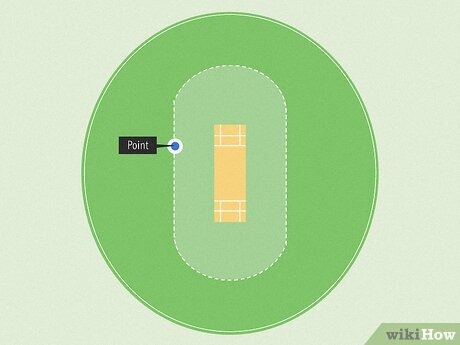
Repeat simple catching and stopping drills reliably before you take on faster hard-ball work near the batter. A captain can assign you a role in a friendly match. The fielding positions guide helps place the fielder on the pitch before a stop or return.
Before moving up, look for five signs:
- Set: Check that you're balanced before an easy feed.
- Intercept: Move toward a controlled ground ball and stop it without losing balance.
- Receive: Follow and hold an easy, reachable catch.
- Return: Send the ball to an alert, identified receiver with control.
- Reorient: Pick out the bowler, the striker and your assigned area.
Close hard-ball work is a separate safety decision. A club coach or qualified supervisor should make it, and should also choose your next drill or first-match role based on your control, the playing surface, protection and club rules. Your next practice can target a catch, a stop or a return; the beginner practice plan separates those skills into drills.
Make one stop, one catch and one return your first sequence, and fix each in turn before you chase a faster ball.