Start with a comfortable, repeatable stock delivery that you can bowl safely, with control of line and length. Cricket has two broad bowling families, pace and spin; swing and seam describe how the ball moves. If the action hurts, feels unsafe or raises a question about legality, get qualified help before you progress. Your first step is a short stock-ball practice in a suitable setting.
Which cricket bowling style should you try first?
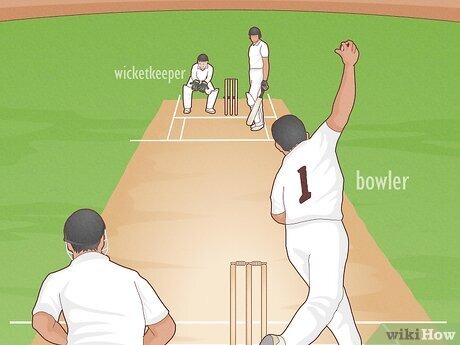
Pick the style that gives you a comfortable action and a delivery you can repeat. Pace and spin challenge a batter in different ways, and neither is the easiest choice for everyone.
Take two newcomers at a supervised cricket session. One feels balanced with a modest approach and medium pace. The other finds a simple finger-spin release more natural. Compare where their balls land and whether each can repeat the release.
Line is the ball's path across the width of the pitch in relation to the batter and stumps. Length is where the ball lands before it reaches the batter. A stock ball is the delivery a bowler aims to reproduce reliably.
If you know baseball, start with the action itself. Cricket bowling has its own rules for arm movement and delivery, so do not copy a baseball pitching motion into your bowling, even though both sports talk about speed, spin and accuracy.
Pace and spin: the two main bowling families
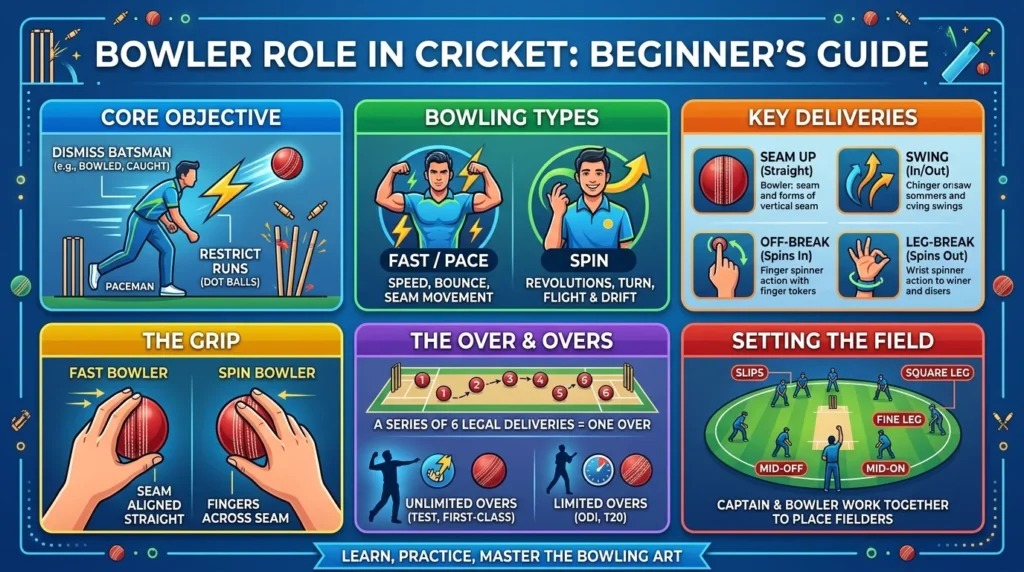
Pace bowling uses speed, bounce and movement to challenge the batter. Spin bowling imparts rotation that influences the ball's flight and its behavior after pitching. Fast, fast-medium and medium are descriptive categories within pace bowling.
| Term | Type | What the batter may see | Distinction |
|---|---|---|---|
| Pace | Broad family | Speed, bounce or sideways movement | Includes fast and medium-pace approaches |
| Swing | Movement in flight | The ball curves sideways before bouncing | Often used by pace bowlers |
| Seam | Movement after contact | The ball deviates after striking the pitch | Depends partly on seam presentation and the surface |
| Finger spin | Spin subtype | Rotation that changes flight and produces turn | The fingers play a central role at release |
| Wrist spin | Spin subtype | Rotation from the wrist and hand that shapes flight and turn | The wrist and hand contribute differently at release |
Pace bowlers can also impart rotation, and spinners still send the ball forward at speed. Right- and left-arm bowlers often use different names for their stock deliveries, especially in spin. Which way a ball turns depends on the bowling hand and the batter's stance.
Swing versus seam: when and why does the ball move?
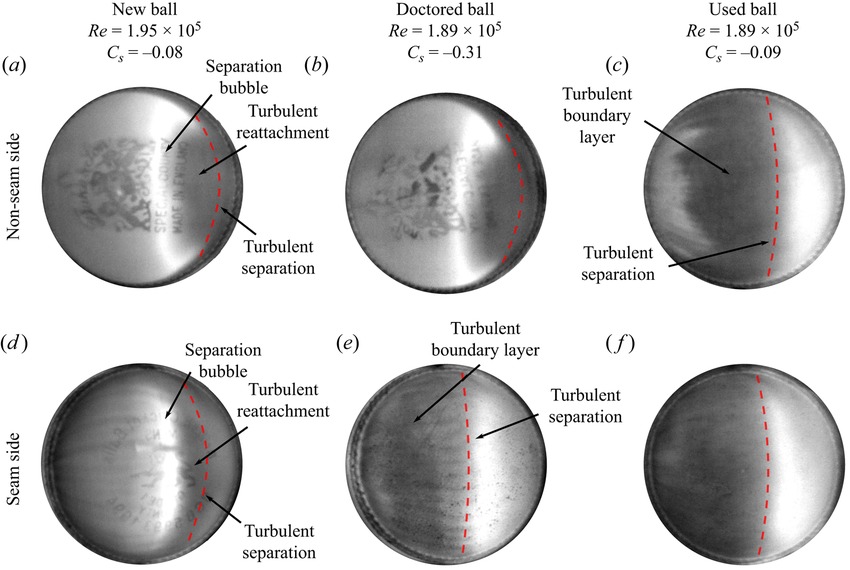
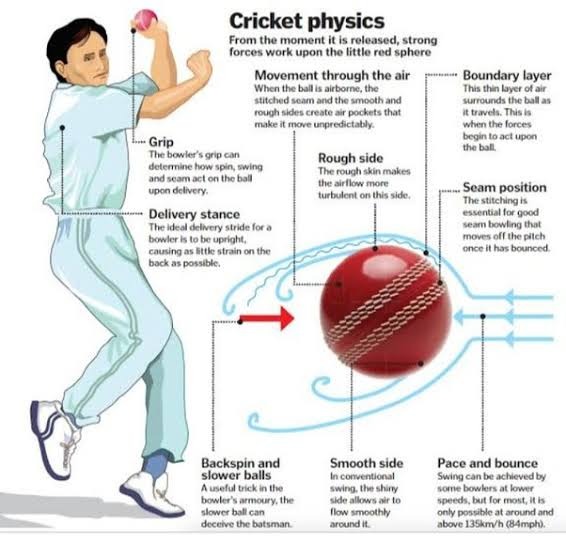
Swing is sideways movement during the ball's flight. Seam movement happens when the ball hits the playing surface and changes direction. One delivery can show both effects.
To tell them apart, follow the ball toward its landing point. A ball that curves before the bounce is swinging. One that travels toward the pitch and then deviates as it rises is moving off the seam. A view from behind the bowler shows sideways travel; a side view makes the bounce easier to locate.
Seam orientation, the condition of the ball, its speed and airflow influence swing. Seam movement depends on how the ball is presented at impact and on the surface, and the response changes with those conditions.

Conventional and reverse swing are names for different aerodynamic behavior. A 2024 review in Flow reassessed the physics of cricket-ball swing. Humidity alone does not guarantee movement, and polishing the ball alone does not produce swing.
Former England bowler Stuart Broad has demonstrated swing and wobble-seam releases in an England and Wales Cricket Board masterclass. His examples show the role of seam presentation, while a beginner still needs a manageable stock release.
Finger spin versus wrist spin: what creates turn?
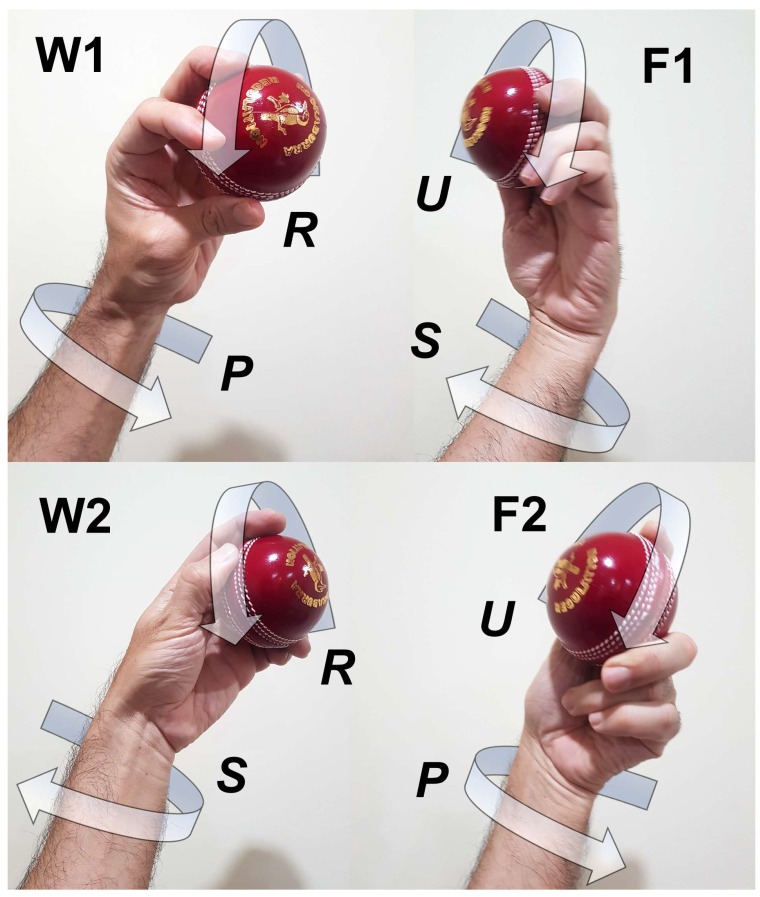
Finger spinners use their fingers to impart rotation. Wrist spinners generate rotation through a different combination of wrist and hand orientation at release. Published comparisons of off-spin and leg-spin actions show clear mechanical differences, so no single hand position describes both families.
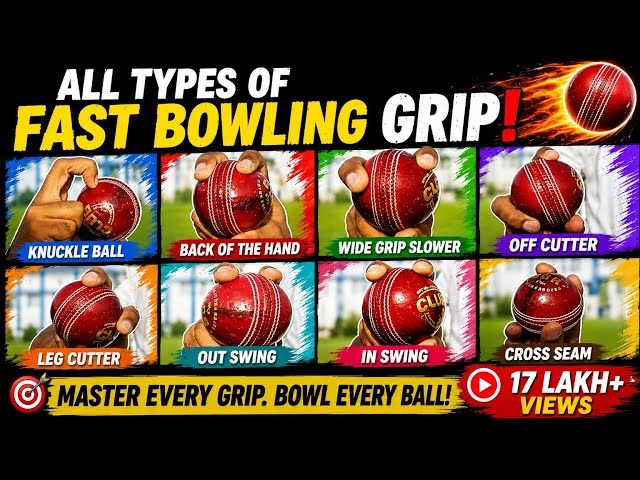
One introductory finger-spin grip puts the index and middle fingers across the seam, sometimes with the ring finger also touching the ball; adjust the hold to the bowler's hand and stock delivery.
Off-break and leg-break are stock deliveries, while a googly is a wrist-spin variation that changes the expected direction of turn. The names below assume a right-handed batter. Line and length make more sense beside a field plan; the fielding positions guide shows which spaces on the pitch each position covers.
| Stock delivery | Family | Typical turn against a right-handed batter |
|---|---|---|
| Right-arm off-break | Finger spin | Into the batter |
| Slow left-arm orthodox | Finger spin | Away from the batter |
| Right-arm leg-break | Wrist spin | Away from the batter |
The direction changes with the batter's stance or the bowling arm. A right-arm leg-spinner's googly normally turns opposite to the corresponding leg-break, often bringing the ball into a right-handed batter. For the batter's side, see the cricket batting basics on grip, stance, timing and watching the ball.
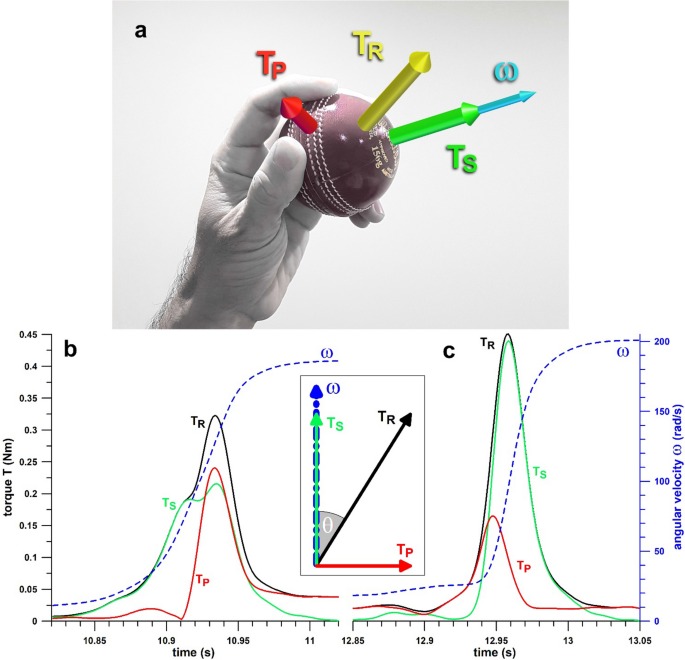
A ball behaves differently before and after pitching. Flight is its path through the air; dip is downward movement, drift is sideways movement in flight, and turn occurs after the bounce. A ball that shows little turn on one surface can still have rotation at release.
How the bowling action works
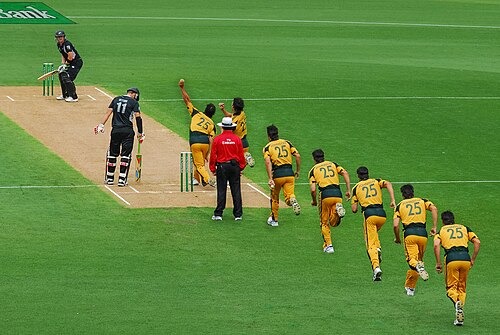
Run-up, delivery stride, release and follow-through form one connected movement. A controlled approach brings the bowler to the delivery balanced and in rhythm, which the ECB's coaching guidance emphasizes.
- Approach. The bowler moves toward the crease at a rhythm that supports the delivery.
- Gather and delivery stride. The body prepares to release the ball while the front foot lands on the pitch.
- Release. The bowling arm and hand deliver the ball; fingers or wrist set its rotation.
- Follow-through. The bowler keeps moving after release and recovers balance.
A long run-up helps only when the bowler turns its momentum into a controlled delivery. An abrupt sprint over the last few steps leaves a bowler rushing or braking near the crease.
Hey guys I asked advice on the subreddit a few weeks ago and I needed advice regarding pace bowling. I have trouble with my runup so when i take around 24 ish steps i get a good runup but sometimes even on 24 steps i sometimes feel the runup i short and sometimes feel its ok. So any tips for consistent runup would be appreciated. Just for a picture I take a few jogging steps and when i get in around 5 lunges of the crease i start to sprint really fast and bowl the ball but sometimes i have to break myself
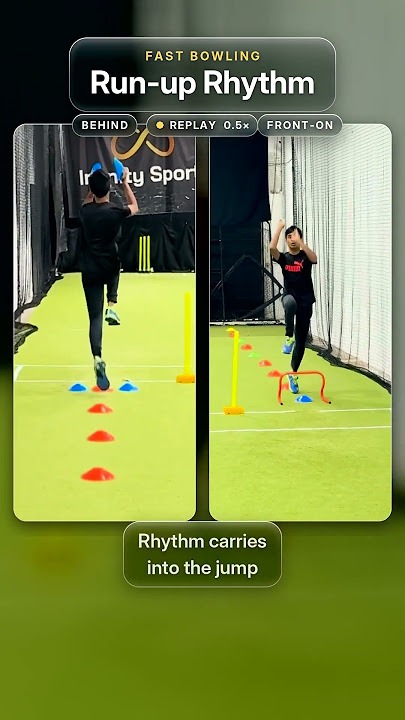
This bowler describes about 24 steps, a late sprint and occasional braking. The step count is personal. What counts is whether the approach carries you smoothly into release.
Copying a professional bowler's stride length or front-foot position can obscure the alignment, timing and balance problems in your own action.
Your first stock-ball practice: control before variations
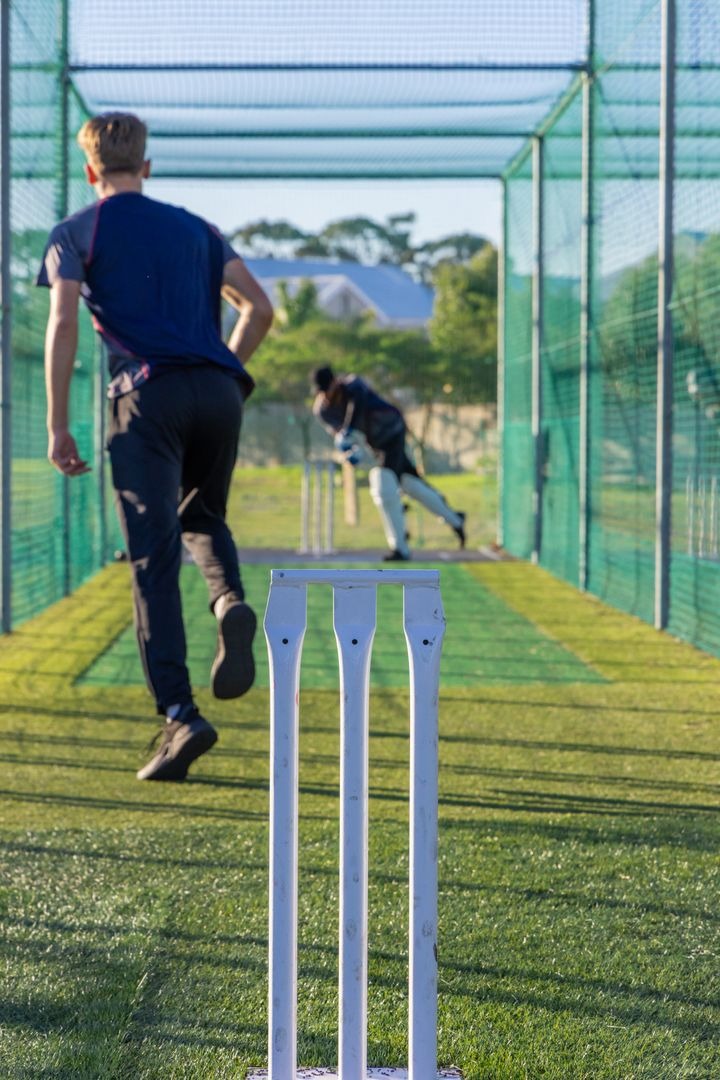
A short practice session shows whether your chosen stock delivery is comfortable and repeatable. Start with a low-risk ball and clear space. Hard-ball nets call for protective equipment, controlled surroundings and qualified supervision.
For an introductory pace or seam-style release with a seamed cricket ball, one basic grip puts the index and middle fingers on either side of the seam, with the thumb supporting the ball underneath. This is a conventional teaching example described in Sikana's beginner tutorial. A smooth soft ball has no seam to position, and a spinner releases differently.
- Choose a landing area. Pick a safe, visible target and the line the ball should travel along.
- Bowl a few comfortable deliveries. Keep the same basic stock action and avoid throwing at maximum effort.
- Watch the result. Note where each ball pitches, whether it stays on the intended line, and whether release and approach feel the same.
- Judge what you saw. Check how repeatable and comfortable the delivery was and how predictable the release felt.
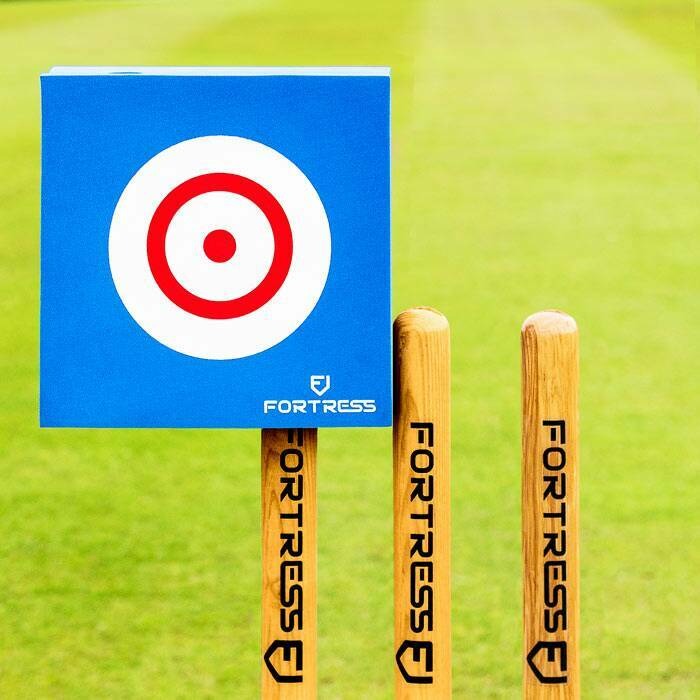
Say an adult tries medium pace with a practice ball. Some deliveries land in the chosen area, while others pitch much shorter or travel wide of the line. That difference separates the action you intended from the result.
Common beginner bowling problems and what to observe
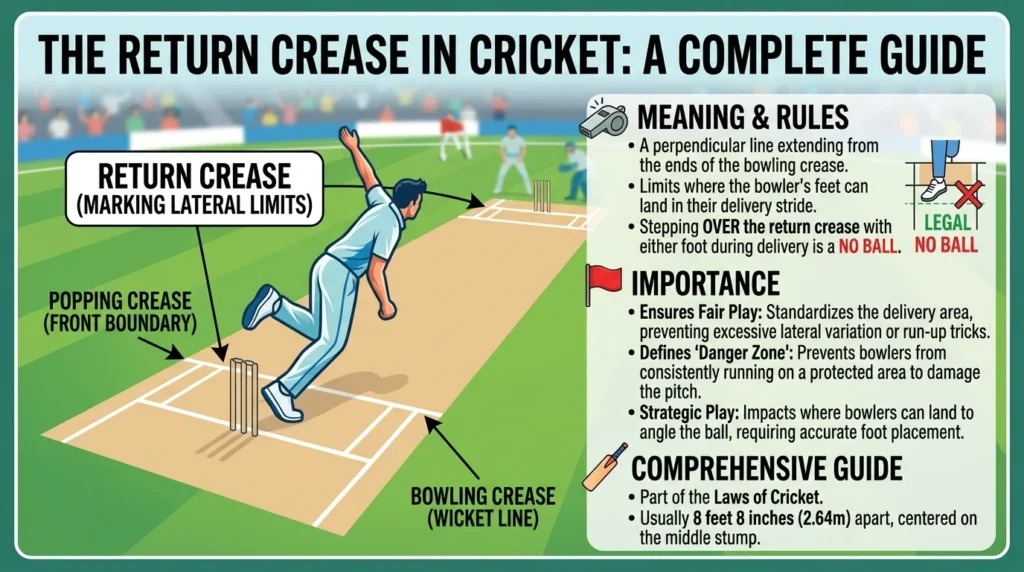
Each error calls for a different observation. A ball that travels wide, lands short or turns opposite the intended stock delivery raises a different question.
| Observed problem | What to identify | Coaching focus |
|---|---|---|
| Ball turns the wrong way | Intended stock break versus actual direction after pitching | Ball rotation and release mechanics |
| Ball repeatedly travels wide or lands short | Missed line, missed length or both | Control of intended line and length |
| Bowler rushes or brakes at the crease | Approach rhythm immediately before delivery | Transition into the delivery stride |
| Action feels unstable or causes pain | Balance and presence of symptoms | Safety response and assessment |
A note that states the ball you intended and how it departed gives a coach a specific problem to examine. “Leg-break intended; ball turned the other way” is more useful than “my spin is bad.”
When to learn yorkers, bouncers, cutters, slower balls and googlies
A yorker lands very full near the batter's feet. A bouncer pitches short and rises sharply. A cutter is a pace delivery given rotation that affects movement after pitching. A slower ball changes the expected pace, and a googly is the opposite-turning variation of a wrist-spinner's leg-break. Add them once you control a comfortable stock delivery in a supervised setting.
What makes a cricket bowling action legal?
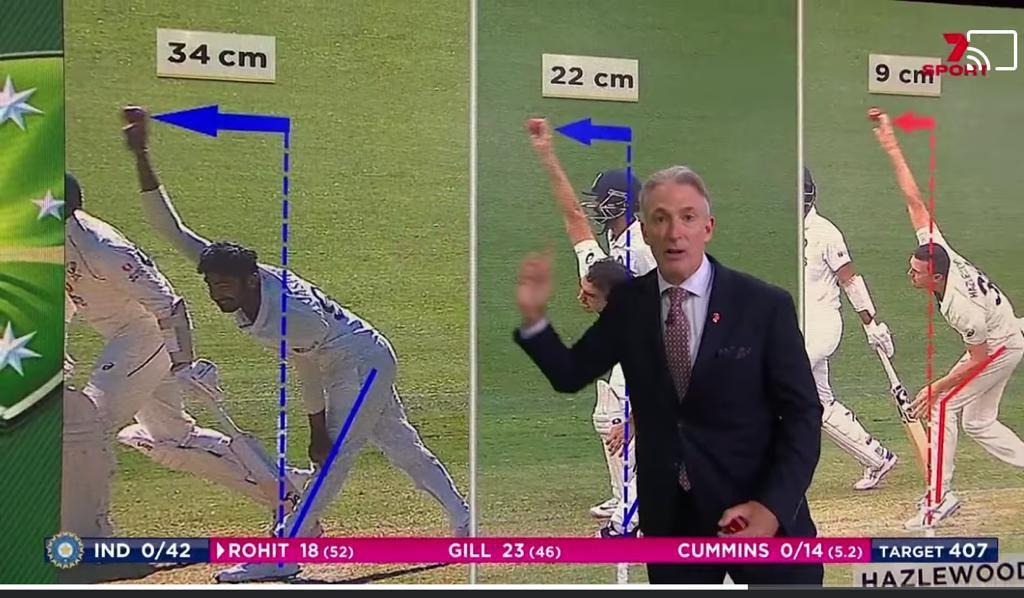
Legality depends on how the arm moves through the delivery, including elbow straightening during a defined phase. A bent-looking arm or an apparent jerk in a recording cannot establish a measured illegal action.
For reported international actions, the ICC's illegal bowling action procedure assesses whether elbow extension exceeds 15 degrees between the bowling arm reaching horizontal and release. Accredited testing centers assess reported bowlers under that procedure.
The MCC Laws of Cricket word it differently in Law 21.2: once the arm reaches shoulder level during the delivery, it must not be straightened from the elbow before the ball is released. A local competition's adopted playing conditions govern its matches, and the ICC testing tolerance does not permit every recreational delivery.
Yesterday I had a tough moment while playing local cricket. I bowled a few overs and some players started saying my action looked like chucking or that there was a jerk in my arm. Honestly, it really bothered me because I’ve been practicing alone for a while and I try my best to bowl fairly.
If your action is disputed, check the rules your competition uses and get feedback from a qualified bowling coach or action assessor. That settles the specific concern without relying on an online verdict.
Safe bowling practice and when to get qualified coaching
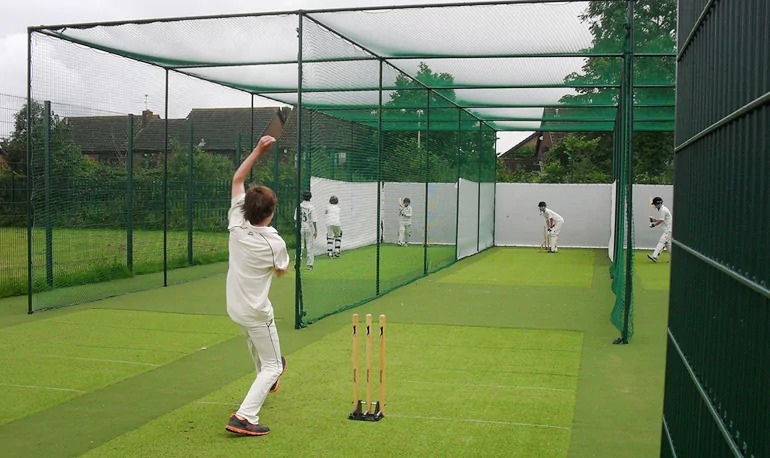
A soft-ball introduction and sustained hard-ball pace bowling place different demands on the bowler. Age, experience and recovery still govern the setup, and the beginner practice plan keeps early bowling practice focused on one controlled delivery.
Cricket Australia's junior bowling guidelines identify lumbar bone stress injuries as a concern for young pace bowlers and emphasize gradual workloads and recovery. A junior pace bowler with lower-back pain should stop bowling and see an appropriately experienced sports doctor or physiotherapist before returning. These workload recommendations come from an Australian institution; they are not US regulations or adult bowling limits.
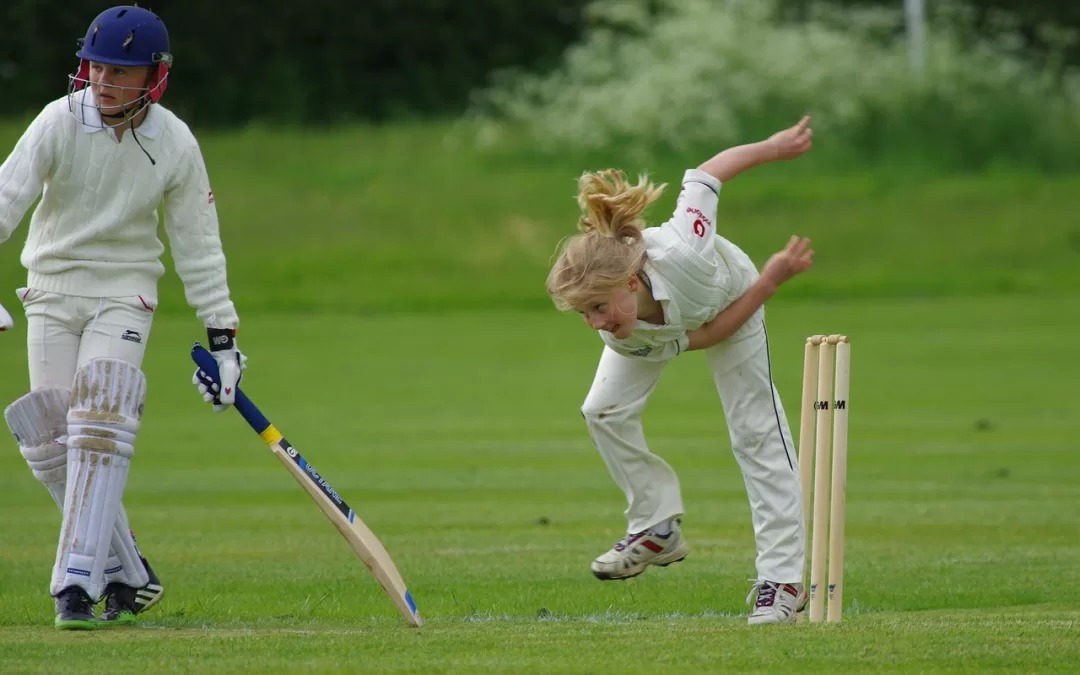
An adult gently exploring release with a suitable soft ball faces different conditions from a young fast bowler delivering repeated hard balls in nets. Pain, an unsafe environment or uncontrolled deliveries mean you stop and get appropriate help.