Start with a relaxed, balanced grip and stance. Judge the ball's length, then defend or drive straight with a controlled swing before you try to hit harder. If you can't make clean contact with a soft ball, slow the feed and work on one problem at a time. Move to hard-ball nets only with proper protection and supervision.
A cricket bat feels awkward when you're new to the game. The blade is broad, the ball bounces at different heights, and your feet have to get you to it without tipping you off balance.
Your first goal is modest: make controlled contact with a ball you can judge. Once you know your setup, where the ball pitches and how your bat comes through, you have something specific to fix when a shot goes wrong.
How to Grip a Cricket Bat and Stand Ready
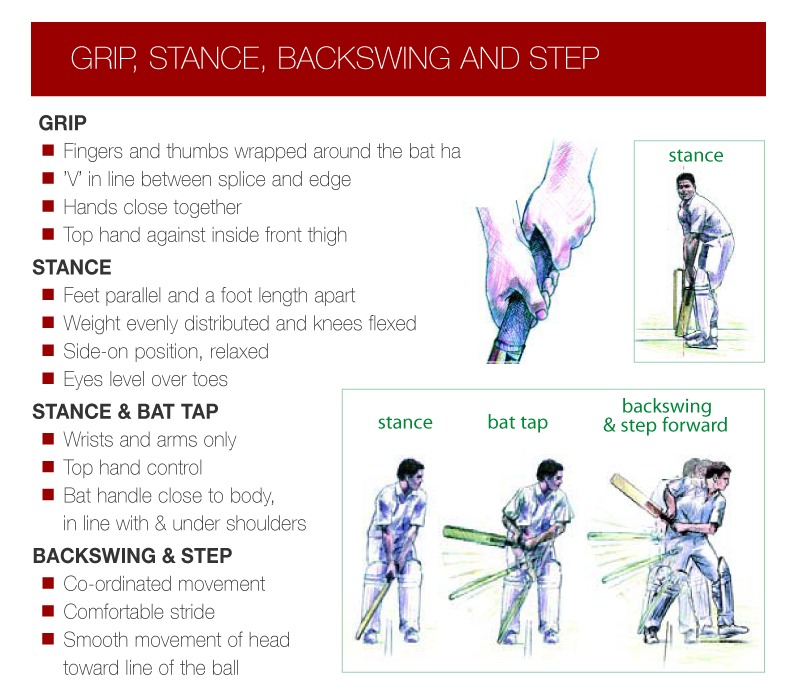
A beginner's stance should be balanced enough for a small step either way, with your hands working together and your eyes on the bowler.
Start with the handle. If you bat right-handed, your left hand is the top hand, higher on the handle, and the right hand sits beneath it. Left-handers reverse this. A right-hander's front foot is the left; a left-hander's is the right.
Keep your hands close together near the top of the handle. Your thumb and index finger make a V around the handle on each hand. In a conventional grip, the top-hand V points toward your front shoulder and the bottom-hand V toward your back shoulder. Wrap your fingers around the handle without squeezing so hard that your wrists stiffen. The top hand gives much of the control while the lower hand supports the movement. Keep your arms free so the bat comes down without crossing awkwardly.
Stand partly side-on to the bowler, feet comfortably apart, knees slightly bent. Face the incoming delivery with your head and keep your eyes level. The stance has to leave you room to move forward or back and stay balanced.
The bat starts near your back foot, then rises in a movement called the backlift, which gives you room to bring the blade to the ball. For a straight shot, pick the bat up to a comfortable height and swing down under control.
A rigid grip or a backlift higher than is comfortable makes that movement harder to coordinate.
The CricketAmerica batting teaching guide introduces the grip, stance, eye position and backswing before asking learners to hit a delivered ball.
A quick setup check
Before anyone feeds you a ball:
- Hold the handle comfortably. Both hands stay together and can guide the blade.
- Look toward the bowler or feeder. Your head should give you a clear view of the approaching ball.
- Take a small practice step. You should be able to move either way without stumbling or locking your knees.
- Bring the bat through slowly. The broad face should travel toward an imaginary ball on a steady path.
Treat this as a starting point. Guards (starting alignments relative to the stumps), backlift heights and preparatory movements differ from batter to batter, depending on body, comfort and coaching.
Read the Ball: Front Foot or Back Foot?
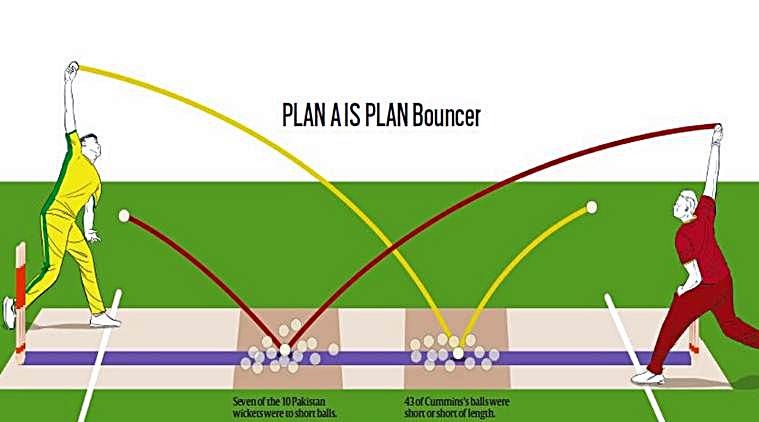
Your first decision comes from the delivery itself. A fuller ball invites a forward movement, while a shorter ball asks you to move back and make room for the bounce.
Line is where the ball travels relative to your body and the stumps. A ball heading at the stumps is a different problem from one passing outside them. Length is where the ball lands on the pitch before it reaches you, and it decides how much room the ball has to rise.
Imagine someone feeding you two foam or tennis balls.
The first lands close to your front foot and arrives at a comfortable height. Step your front foot toward it, carry your head and upper body with the step, and meet the ball in front of you.
The second lands farther away and rises more by the time it reaches you. Moving back gives you space to judge it and bring the bat into position.
Speed, line, bounce, surface and your position all affect the choice. If the ball passes outside a line you can control, let it go.
Watch the bounce before you commit. A forward step taken too early leaves you reaching for a ball that rises past your contact point.
Try this with a partner and a soft ball. Your partner gives you two clearly different bouncing feeds. Before you play a shot, say which one is full and which is short. Keep the pace low enough that you can tell the difference.
Your First Two Shots: Defend and Drive Straight
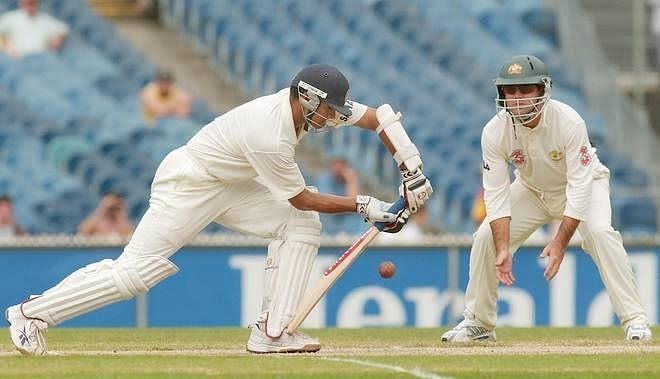
The forward defense and the straight drive use the bat face in two different ways. One protects the stumps; the other sends a suitable delivery along the ground.
Forward defense: control the ball
Take a gentle delivery coming at the stumps at a reachable height. Get balanced and bring the bat down so its broad face meets the ball in front of your body.
Your job is to stop or soften the ball. Skip the big follow-through. Keep your head over the contact so you can watch it, and let the bat cover the line of the ball.
Watch where the ball goes after it leaves the blade. An angled face sends it sideways, and an edge gives a different result from the broad face.
Straight drive: guide the ball along the ground
A straight drive starts the same way: judge the ball and bring the bat through its line. When a gentle, fuller delivery suits the shot, extend the swing smoothly and send the ball back along the ground.
Aim for clean contact and control. Swinging for maximum force makes both harder, because the bat path and the contact point get difficult to manage.
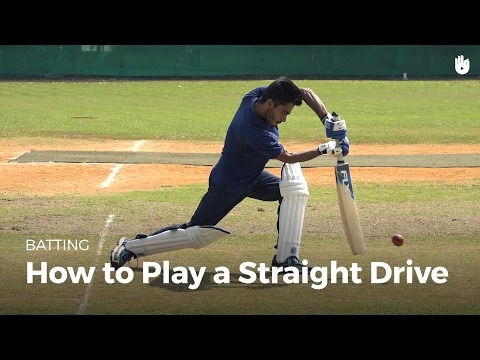
For a first comparison, use a slow underarm soft-ball feed toward a comfortable front-foot contact area.
- First attempt: Defend, and see whether the ball stays close and low.
- Second attempt: With a similar feed, let the bat carry on through a gentle straight drive and note where the ball goes.
- After each attempt: Check where your head, lead knee and bat face were at contact.
Common Batting Mistakes: What Should You Fix First?
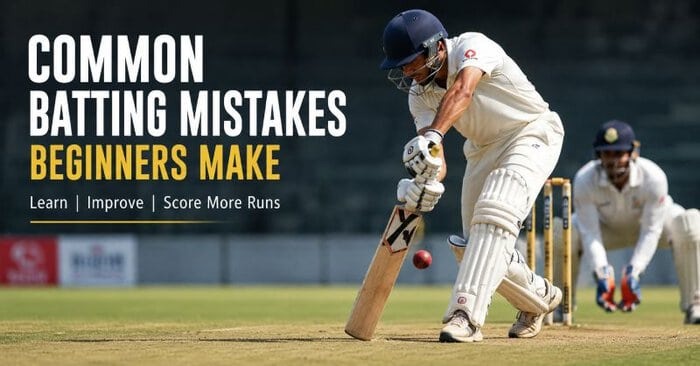
When your batting changes from one session to the next, start with what you can see. A miss, an outside edge and a ball hit high on the blade are different clues, even though several technical faults can produce each one.
A returning club player put the problem like this:
I'm newly returned to playing village cricket and I love it. I've had very up and down results with my batting and I don't what to think about / focus on... Feet movement/hand position. Clueless. Grateful for any tips on how to approach my next innings.
| What happens | What to check | First adjustment | Look closer when |
|---|---|---|---|
| Complete miss | Feed speed, length judgment, bat path | Use a slower, predictable soft-ball feed | You still miss an equally easy feed |
| Outside edge | Shot choice, bat-face direction, ball line | Slow the feed and watch where the face meets the ball | The edge only shows up on balls outside your intended line |
| Ball struck high on blade | Bounce, timing, contact position | Use a gentler, repeatable feed and watch the contact | The contact point changes when the bounce changes |
| Intended ground shot goes airborne | Face angle, swing control, whether the delivery suited the shot | Go back to a softer ground stroke | The ball still rises on an easy feed |
| Weak shot after apparent contact | Where the ball met the bat, timing, the shot you chose | Look at the contact before you swing harder | The contact is clean but the shot still goes wrong |
A complete miss can come from poor length judgment, a late start, a bat path that crosses the line, or a feed that is too hard for the exercise. Change all of those at once and you won't know what made the difference.
Pick one symptom and one cue. If the feed seems too quick, slow it down and leave the rest of the exercise as it was. If the bat swings across the line, rehearse a straight path before the next easy feed.
Then see whether the same symptom is still there.
Why You Miss the Middle
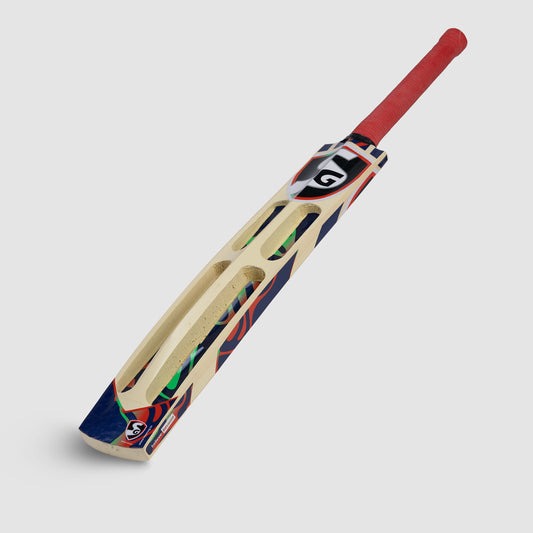
A ball that hits the middle of the broad face feels very different from one that catches the edge or lands higher on the blade. When a shot feels weak, ask where the ball met the bat and how it got there.
One amateur batter recorded a net session and described the problem:
Hey guys, I am trying to improve my batting skills , I have recorded myself batting. If I can get some comments and feedback from any batsmen or coaches in this subreddit it would be awesome. This is the link for my batting nets videos: Dropbox link I also tend to hit the ball slightly above the middle that causes my shots to not have enough power.
Check these four things:
- Contact location: A mark on the broad face tells you whether you hit the middle, the edge or higher on the blade.
- Bounce: A ball that rises more than you expected meets the bat at a different point from the one you planned.
- Timing and bat path: The blade can arrive early, late or from an unexpected direction even when your stance looks the same.
- Balance and shot choice: Reaching away from your body, or playing an ambitious stroke at an awkward ball, leaves you little control at impact.
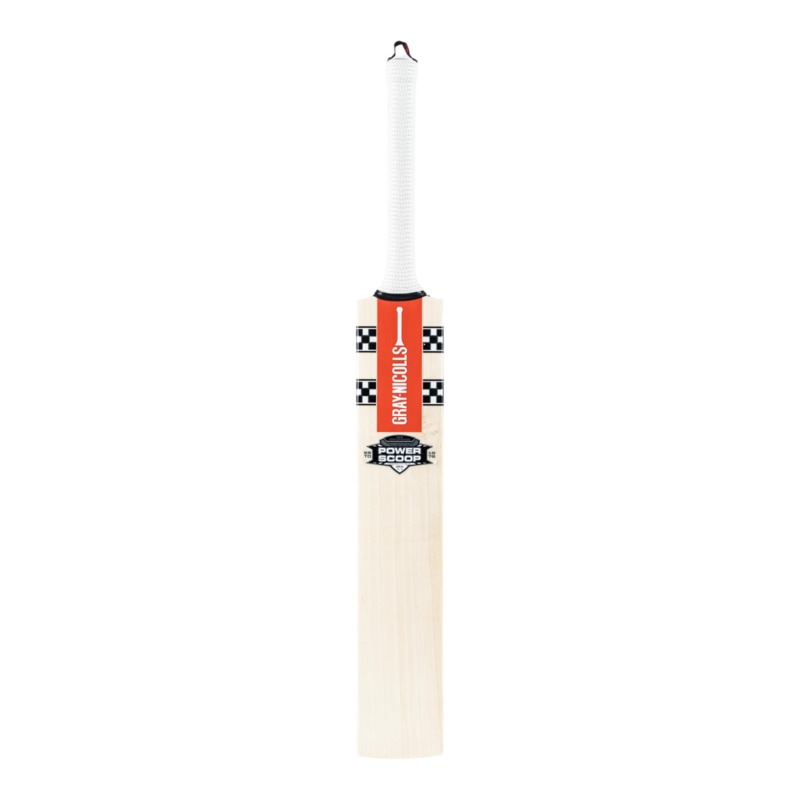
In one soft-ball attempt, check where the ball meets the bat and where it goes afterward. Watch directly, or film from a safe spot side-on. Keep the feed gentle enough that you can see the contact.
A clip shows one angle, so the cause depends on the delivery, the shot you meant to play and your whole action. If contact keeps failing on similar easy feeds, a coach can see what the clip leaves unclear.
Practicing Alone Versus Facing a Moving Ball
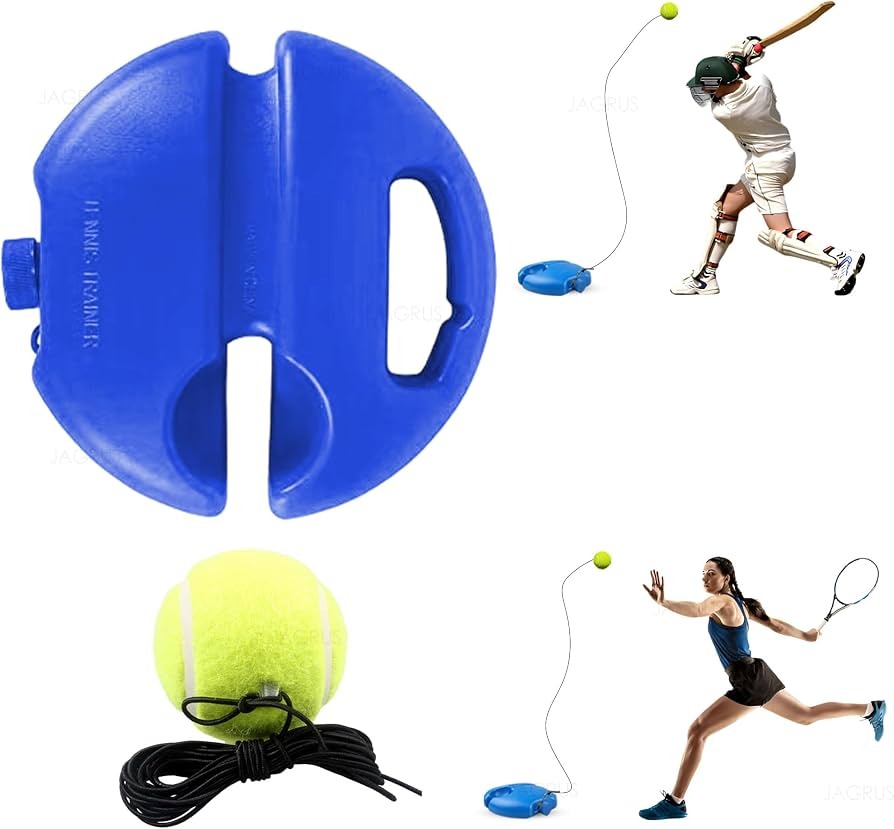
Alone, you can rehearse bat pickup, which covers how the bat's weight, handle grip and blade balance feel, along with a straight swing in a clear space. Use a mirror if you want to check your posture.
A stationary soft ball adds a contact point. A gentle partner feed adds the challenge of judging changing line, length and timing.
Choose solo rehearsal, a partner feed or supervised nets depending on the space and help you have.
A Safe Beginner Batting Practice Progression
Start with movement and no ball. Then move to a stationary soft ball, then a gentle feed, and add pace and supervision only after that. The beginner practice plan turns this order into batting, bowling and catching exercises.
| Phase | Practice situation | Main task | Move on when |
|---|---|---|---|
| A | Shadow movement in an empty area | Rehearse stance, bat pickup and straight path | Movement stays balanced and controlled |
| B | Stationary foam or tennis ball | Guide the bat face toward a chosen contact point | You can control contact and direction |
| C | Gentle underarm soft-ball feed | Judge an easy bounce and make a controlled stroke | You can follow the delivery without frantic movement |
| D | Coach- or club-organized practice | Apply familiar skills to more realistic conditions | Equipment, pace, supervision and venue conditions are suitable |
Move on when you can do the current task with balance and control. No set number of repetitions qualifies you for the next phase.
Adding a target, then bounce
Phase B gives you a target: you can see whether the broad face reaches the chosen contact point. Phase C adds bounce and timing, so the feeder has to leave you enough time to read the ball. Keep the batting area clear whenever someone else is feeding.
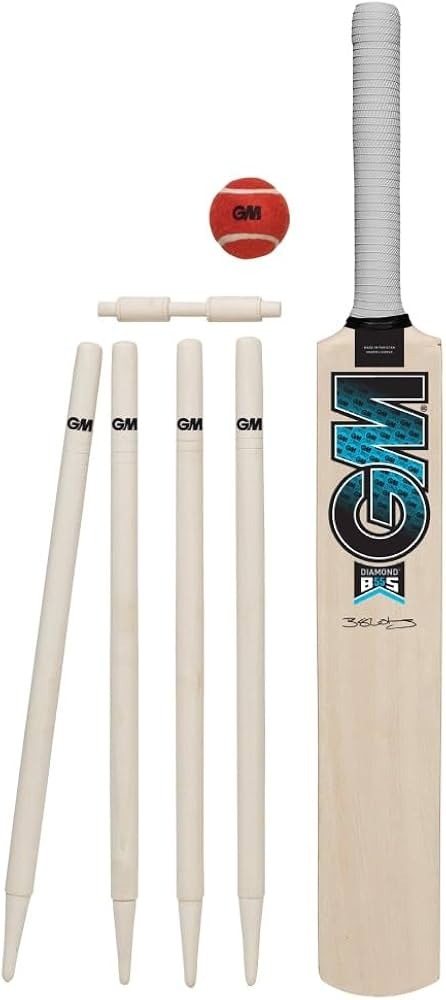
CricketAmerica's teaching activities follow the same order. They use soft or tennis balls, with foam balls for indoor exercises, and controlled underarm feeding. The examples include multi-bounce exercises and later deliveries that bounce once before reaching the learner. Blocking comes before ground strokes, and the location of the bounce introduces the different batting responses.
If your balance or judgment slips, go back one phase.
When to Try Hard-Ball Nets and What to Check First
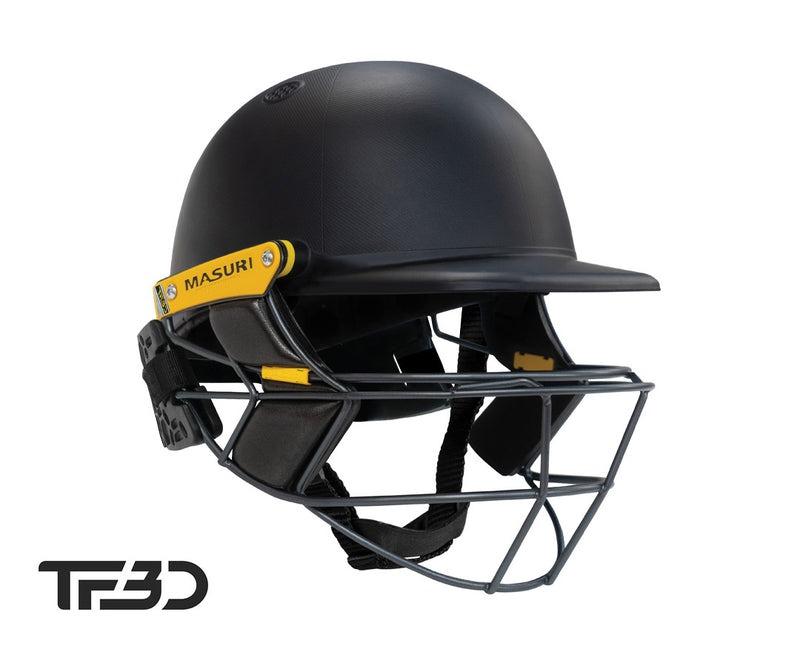
Hard-ball nets are a different level of exposure from a gentle tennis-ball exercise. Before you face a leather cricket ball, you need supervision, a controlled practice area and properly chosen protective equipment.
One person about to play for a club's second team put it this way:
some how got roped in to play for the second mens team at my kids cricket club, not played since i was in school over 20 years ago and never with a hard ball. any tips for a beginner before his first game.
What to verify before the session
- Coach and session: Find out who is supervising, what level of delivery is planned and whether the session is meant for beginners.
- Practice area: Confirm that the nets, boundaries and access arrangements suit the session, and that other people stay outside the batting area.
- Protective equipment: Check your helmet's fit, condition, labeling and the ball size it is made for. Ask the coach about batting pads, gloves, suitable groin protection and any other equipment the session calls for.
- Personal readiness: If the pace, conditions or equipment feel wrong, stay with supervised lower-intensity practice until those concerns are sorted.
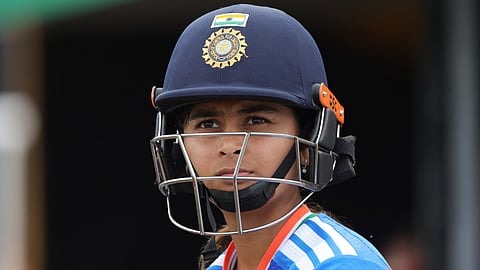
The ICC's helmet guidance names specification BS 7928:2013+A1:2019. It separates testing for men's 5½ oz balls from junior 4¾ oz balls, so the label on your helmet and what it is meant for both matter.
The ICC also says a helmet cannot guarantee protection from serious injury. Replace any head-protector component that takes a severe blow, even if you can't see damage.
International playing conditions and the equipment rules of a recreational club in the United States can differ, so the organization running the session sets the conditions that apply.
How to Check Whether Your Batting Is Improving
A short practice record shows what delivery you faced, where it met the bat, where it went and whether you stayed balanced.
A ten-feed self-observation card
Use a ten-feed card to keep a gentle soft-ball session short and focused. It records what you saw, and nothing on it is graded.
For each feed, write down:
- Delivery: Full, short or unsure.
- Intended response: Defend, straight drive or another suitable choice.
- Contact: Broad face near the middle, edge, high on blade, miss or unsure.
- Ball direction: Where you meant it to go, somewhere else, or no contact.
- Balance: Kept, lost or unsure.
- One note: The most noticeable thing about that attempt.
A record might look like this:
| Feed | Delivery | Intended shot | Contact | Direction | Balance |
|---|---|---|---|---|---|
| 1 | Gentle full feed | Defense | Middle area | Low, intended line | Maintained |
| 2 | Quicker short feed | Drive | Miss | No contact | Uncertain |
| 3 | Gentle full feed | Defense | Slight edge | Unexpected line | Maintained |
Feeds 1 and 3 are similar gentle full deliveries. Feed 2 is quicker and shorter, so its missed drive is a different situation and belongs in a separate comparison.
Repeated misses on similar gentle full feeds point to a specific situation to examine. If pace or bounce varies widely, group like deliveries before you read the results.
Next session, compare contact location, ball direction and balance with this record for similar gentle feeds, and note any difference in pace or bounce that could affect the comparison.
A slow, straight feed shows you where your eyes went, when the bat came down and whether contact was under control. Pick the one problem that keeps coming back and work on it between sessions with the solo practice drill guide.