Pick a bat made for the ball you play with, start from the manufacturer's size guidance, and favor a pick-up you can control. If you can't handle the exact bat before ordering, buy only if the seller gives details for that bat and written return terms you're happy with. Otherwise, arrange a trial or loan first.
A bat that looks perfect in photos can feel clumsy after a few strokes. The printed weight, the height of the blade's middle and the grain pattern each tell you something different. For a new club player in the United States, what counts is whether the bat is easy to handle in the cricket you actually play.
Start with the ball and the cricket you're playing
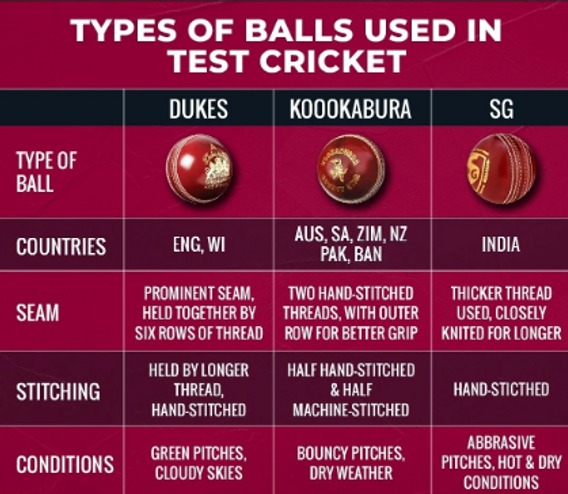
The ball you play with comes first. Tennis-ball games and leather-ball club matches call for different equipment, preparation and protection. The tennis-ball versus leather-ball guide compares bounce, protective equipment and safe practice.
US retailers sell English-willow, Kashmir-willow, tennis-ball and youth bats. Buy the category the manufacturer intends for the ball used at your session.
| Playing situation | First question | How it narrows the choice |
|---|---|---|
| Leather-ball club cricket | What ball and equipment rules apply at practice and in matches? | Look at bats made for that ball, and plan for the preparation they need. |
| Casual tennis-ball cricket | Which tennis or soft ball is used? | Look at bats specified for that casual format. |
| Junior cricket | What ball, player size and club guidance apply? | Start with junior bats and follow the coach's conditions. |
Before you compare bats, ask the club which ball the first session uses and what protection it can lend. The first cricket kit checklist separates a personal bat purchase from borrowing pads and other gear for the opening practice.
Find a bat length you can handle
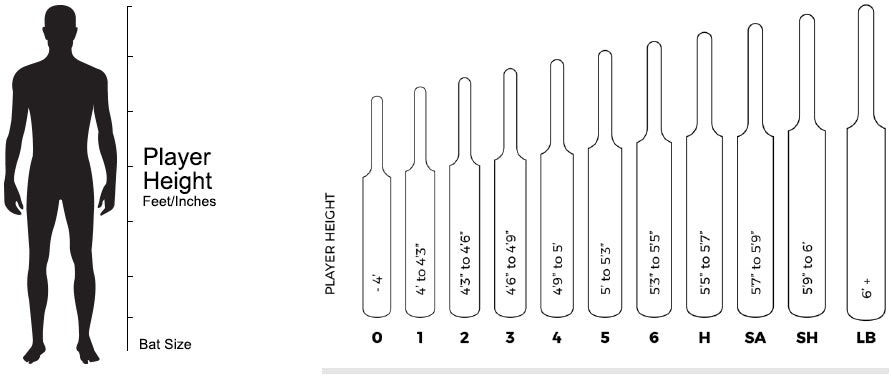
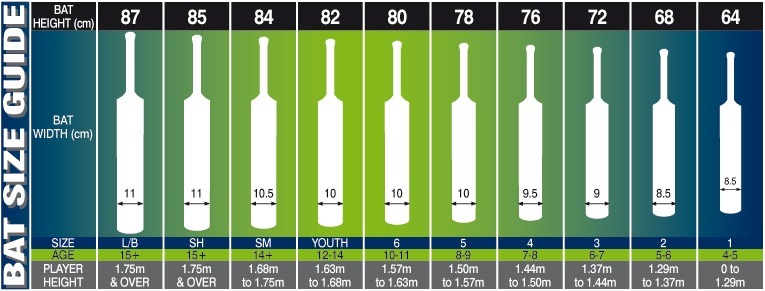
The right length lets you take a natural stance and reach comfortably. A height chart narrows the choice; holding the bat settles it.
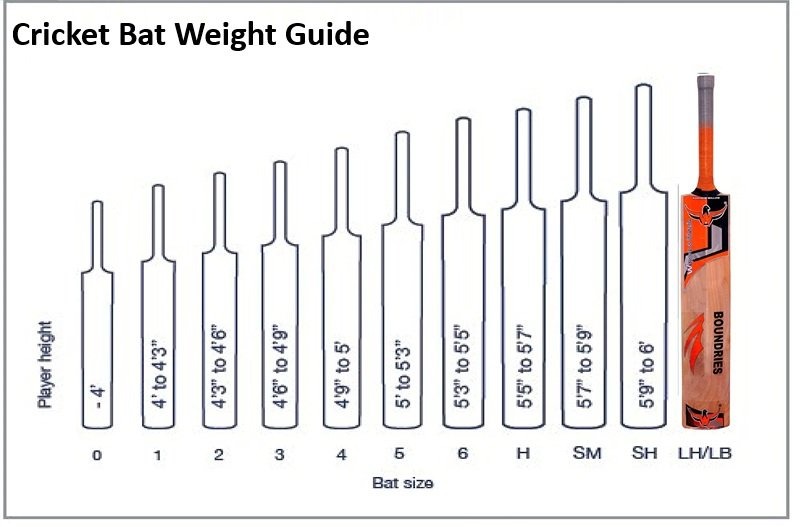
Kookaburra UK's size chart puts Short Handle (SH) at approximately 175 to 182 cm in player height. The cricket bat size guide covers player height, handle length and pickup weight.
At 178 cm you fall inside that maker's range. SH is only a size label, so judge fit by the actual handle and blade length. A younger or smaller player may need a Harrow, Small Adult or junior bat, following the relevant maker's chart.
Hold the suggested size in your normal batting stance. The blade should reach a comfortable position without an awkward grip or an exaggerated bend. If the length hurts your stance or control, drop the bat, even when the chart suggests it.
What matters more: the weight on the label or how it picks up?
Scale weight measures mass. Pick-up describes how manageable the bat feels when you hold and move it. Two bats of similar weight can pick up differently because the wood and other mass sit differently along the blade.
The physics behind this is moment of inertia, the resistance to angular acceleration. A bat with more mass farther from your hands resists changes in its swing more than one with mass near the grip.
In a 2021 Sports Engineering study, Curtis, Heller and Senior examined methods for estimating cricket-bat mass properties.
Note each bat's weight in grams or pounds and ounces, plus how it picks up: easy, manageable or awkward.
A bat can also feel different after you buy it. One Reddit buyer describes it:
I bought a bat recently which weighed 1160 gms when I bought it. The balance and pick up was good. I oiled my bat just one coat of oil which is size of a coin. It’s been two months now since I bought the bat now the bat is weighing 1190 gms and balance and pickup feels heavy. What should I do now?
The buyer saw a 30 g gain and a heavier feel. The post doesn't say why.
How to compare three bats in a shop
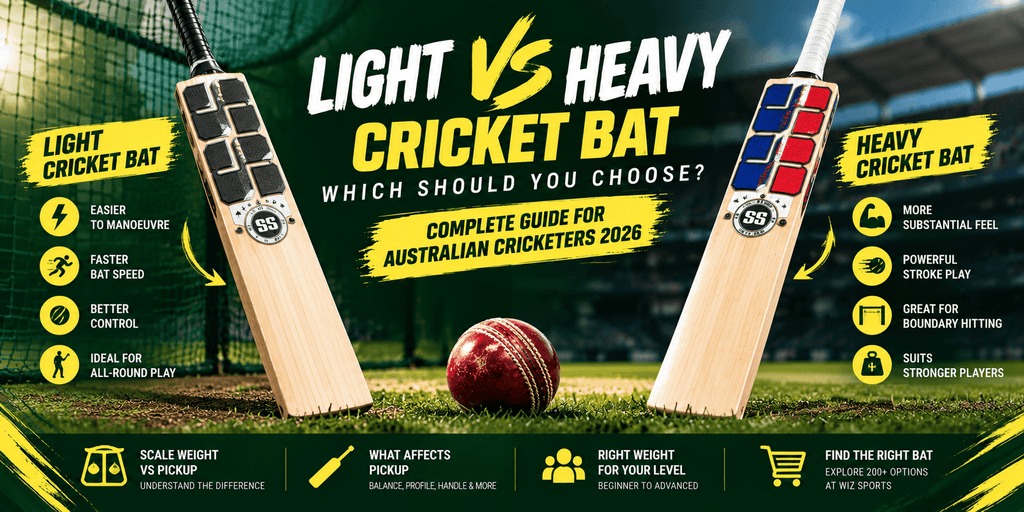
Once a few bats match your ball and size, an in-store comparison shows handling differences a product page can't. Try three.
- Use your normal grip. Take your usual stance, and wear batting gloves if you normally play in them.
- Move each bat slowly. Make small, controlled batting motions, with the shop's permission and clear space. Stay away from people and displays.
- Feel the change of direction. Notice the effort to start, stop and gently redirect the blade, and whether the handle stays comfortable.
- Decide on each bat. Keep it or reject it with one clear reason, such as awkward reach, heavy pick-up or an uncomfortable grip.
Notes from three trial bats might look like this:
| Bat | Reach and grip | Handling impression | Decision |
|---|---|---|---|
| A | Comfortable reach | Difficult to redirect | Reject |
| B | Comfortable reach and grip | Manageable through slow strokes | Keep |
| C | Suitable length, awkward grip | Easy to lift | Reject |
Only B has no clear handling problem. If every bat gets rejected, try others.
Choose a blade profile and middle you can use
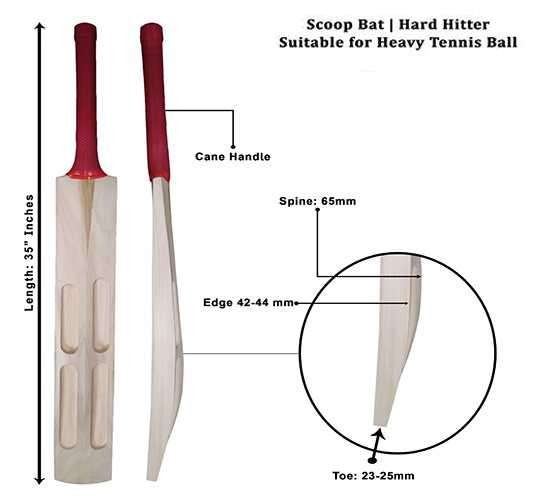
The middle, or sweet spot, is the blade's main hitting region. The toe is the bottom end, and the spine, edges and swell describe how the wood is shaped. Manufacturers associate a low middle with front-foot drives, a central middle with varied strokes and a high middle with back-foot cuts and pulls. Match the advertised profile to where you usually make contact, and choose the bat you control best.
English willow, Kashmir willow, grades and grains: what they mean
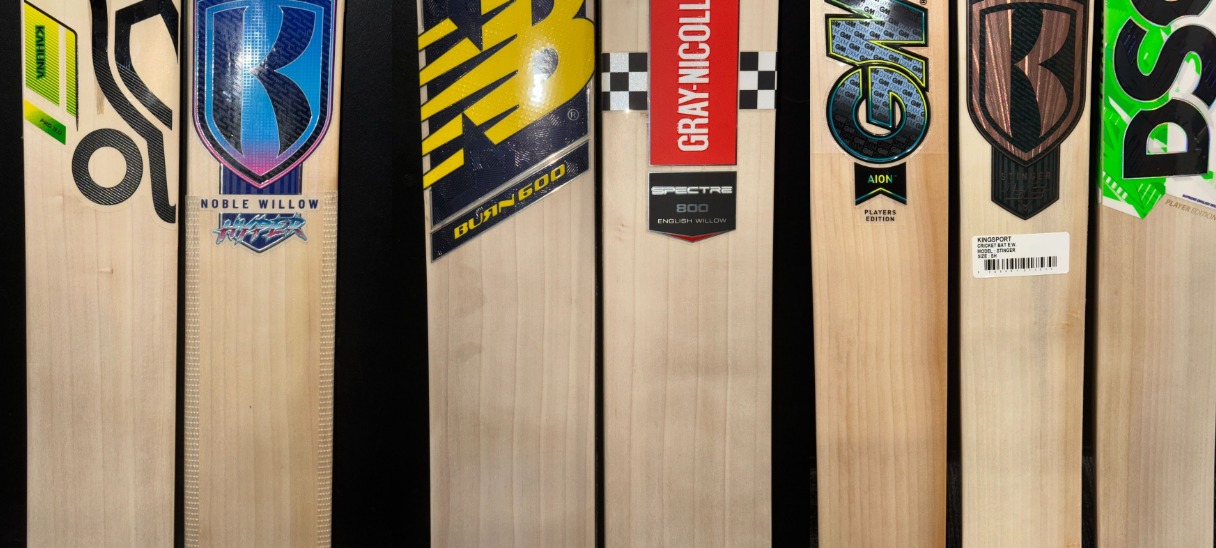
English willow is the premium option for leather-ball and club cricket. Kashmir willow costs less and suits beginner, practice and casual bats.
Each maker grades its own willow, judging looks, blemishes and expected playing quality. Grade 2 at one brand won't match Grade 2 at another.
A first-time club player asked about grains and grades on Reddit:
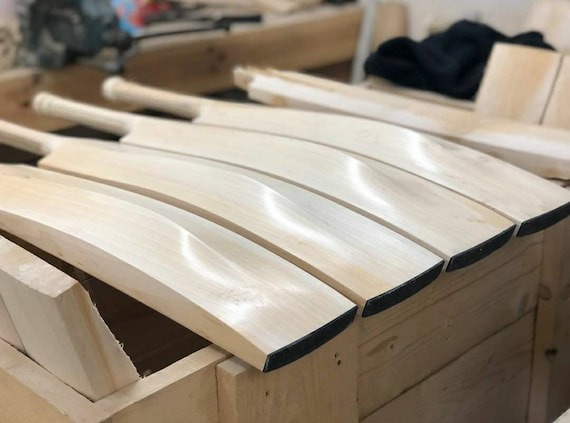
Hello! How important are the grains and wood for a bat? I'm playing club cricket for the first time and haven't bought a short handle bat before. If grains are important, what are the recommendations? I've heard between 8-11 is recommended Then with the wood, English Willow? What grade is recommended? I was looking at grade 3-4 English Willow Any advice is appreciated! Below are some of the ones I've been looking at and considering.
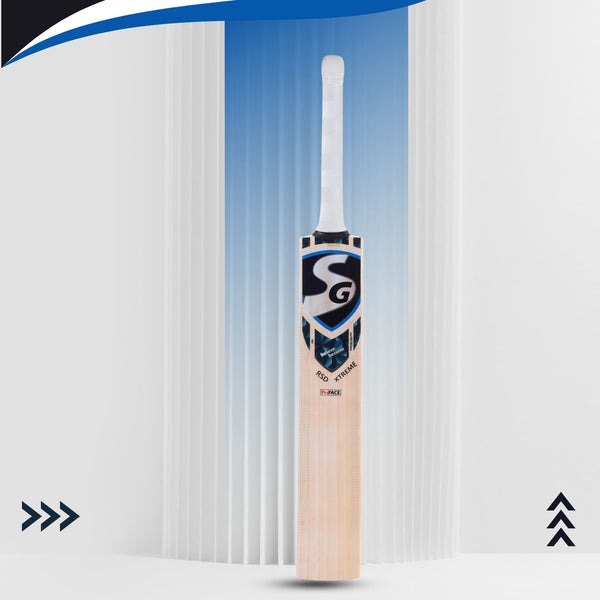
Grain lines show in the timber and can influence looks and grading. The numbers this shopper mentions don't set a playing standard.
| What the label says | What it describes | How to use it |
|---|---|---|
| English willow | Timber used in higher-priced club ranges | Consider it for regular leather-ball use within your budget. |
| Kashmir willow | Timber sold at lower prices | Compare beginner or practice models for fit and condition. |
| Grade | A maker's rating of a piece of willow | Read that maker's grading description. |
| Grain count | Visible lines on the face of the willow | Treat it as one visible trait of a particular bat. |
Sellers charge extra for higher grades and cleaner-looking faces.
When a more expensive bat is the wrong first purchase
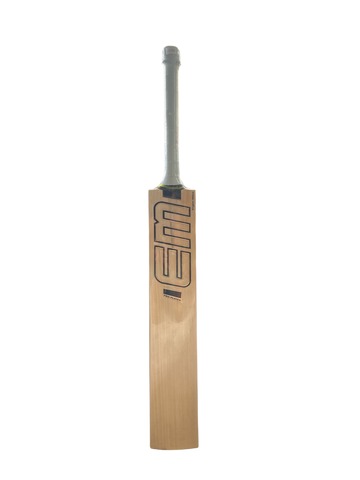
An expensive bat is a poor first choice if it uses up your budget while feeling awkward in play. While you're still finding your size and pick-up, paying for finish or a prestigious grade is premature. A premium bat with flawless-looking willow and a pronounced profile can feel clumsy next to a simpler model, and the cheaper, controllable one is then the better buy. A player with settled preferences can reasonably pay more if the workmanship, looks and handling justify the cost to them.
Set a spending ceiling and compare only bats that pass the ball, fit and handling checks. In club cricket the bat is one cost among protective gear and preparation, so count those in your budget.
Buying online: verify the exact bat before you pay
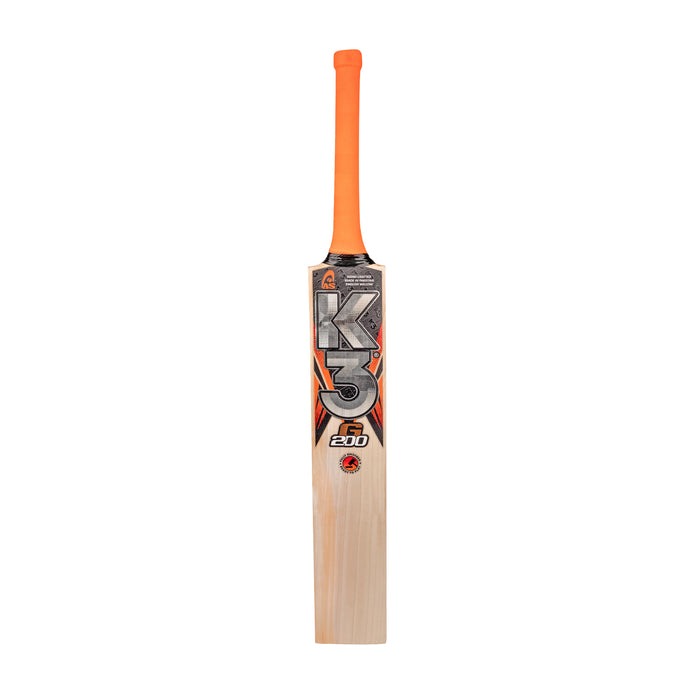
Online, the question is whether the listing matches the bat you'll get. A stock photo shows the model, not the weight, grains or condition of your bat.
A first-time buyer on Reddit compared three low-priced listings and didn't know how to check their English-willow claims:
Hi, I’m buying my first bat . I’ve narrowed down my choices to these three bats but I’m not sure which one to get . They all claim to be English willow but I’m not to sure about how true that is and I don’t really know how to check . Any help would be greatly appreciated . Bat 1 - Slavenger Panther £26 Bat 2- Slaventer 500 £30 Bat3 - Slavenger XRS £36 If people have other alternatives do let me know , I’m 6ft 1 so if someone also knows a better deal for a SH let me know .
Those prices are in UK pounds. For a US buyer, the decision turns on what the seller can show about the actual bat and what it costs to receive or return it.
| Request | Useful evidence | Decision it supports |
|---|---|---|
| Identity and size | Maker, model, size and handle type for the bat being sent | Does it match your category and fit? |
| Actual unit weight and appearance | Weight with units, plus front, back and side photos of that bat | Can you judge its real specifications and condition? |
| Timber and preparation | Maker-stated wood and grade; work already done and care still needed | What are you getting, and what must happen before use? |
| US delivery and written terms | Shipping cost, possible import charges, bat-specific return and cancellation terms, and warranty | What will it cost to receive, and can you return an unused bat for unsuitable fit or pick-up, or only for defects or shipping damage? |
On international shipments, customs charges depend on the transaction. Some return policies change once a bat has been oiled or knocked in.
Suggested message to the seller: “Please confirm the actual weight and send photos of the bat that would be shipped, then provide the total US delivery price and your written return terms.”
If the seller can't identify the bat or won't give usable return terms on a costly order, try another seller.
Check condition, preparation and your competition rules
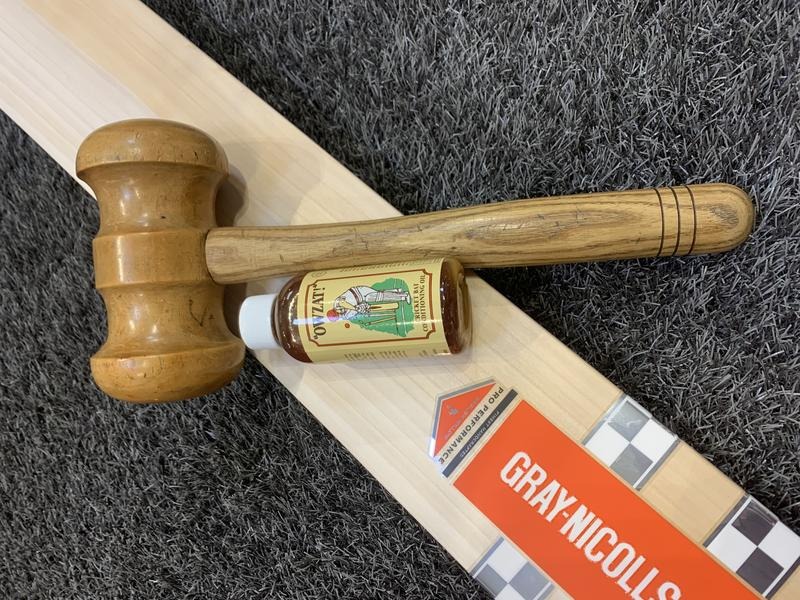
A new bat may need preparation before it meets a leather ball. Follow the instructions for your model, including any knocking-in or protection work. A label like “pre-prepared” doesn't give a universal first-use schedule.
Inspect the face, edges and toe for dents, chips or marks. If you're unsure, check the maker's guidance before calling a mark a defect. Kookaburra's bat-care guidance is one example.
A competition can add its own rules. The MCC 2026 Law 5 amendments broaden Type D bat use, including laminated bats, to open-age cricket at levels the relevant national governing body permits. A US competition may still restrict which bat types it allows.