For a casual game, use an ordinary tennis ball if you have room and nobody is standing nearby. For an organized US competition, use the ball the organizer specifies. If you're heading toward leather-ball cricket, add sessions with the real match ball, a coach and proper protection. Check your club's ball rule before the next session.
"Tennis ball" covers three different things in cricket: an ordinary felt tennis ball, a cricket-specific hard-tennis ball and a taped tennis ball. Each suits a different game. A leather ball is a separate product, with a stitched seam and far more mass.
Which ball fits your session?

| What you're doing | Best choice | Rule it out if |
|---|---|---|
| Casual game, or basic catching and batting repetitions | An ordinary tennis ball the players agree on | There's not enough room, or people are nearby |
| Organized hard-tennis cricket | The event's approved hard-tennis ball | The model or construction is wrong |
| Organized tape-ball cricket | The event's specified taped ball | The base ball or wrapping isn't approved |
| Preparing for a leather-ball match | The leather match ball in a supervised session | Protection, facility or supervision is missing |
| Junior or first coached session | The coach's approved ball for that group | It doesn't match the program or player stage |
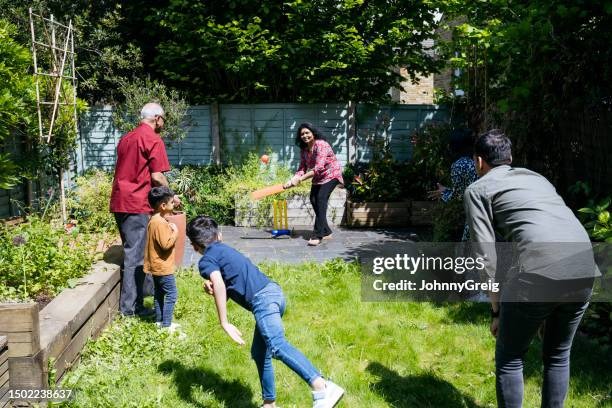
First identify the ball: regular tennis, hard-tennis, tape or leather
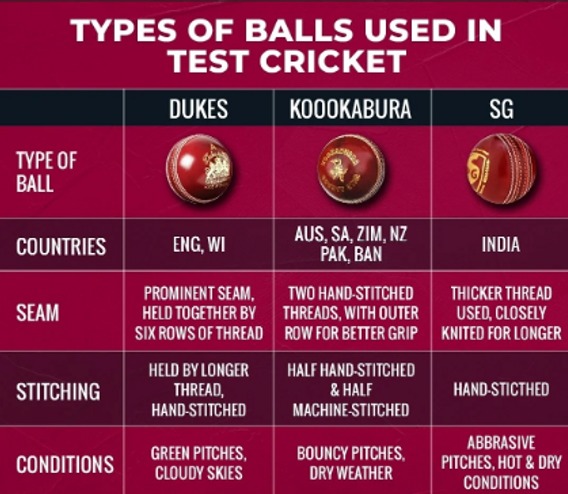
The ITF tennis specification applies to one kind of ball only. Identify yours before you compare weight or performance.
| Ball category | Construction and reference measurements | Where the distinction matters |
|---|---|---|
| Ordinary tennis ball, ITF Types 1 and 2 | Felt-covered; 56.0 to 59.4 g and 6.54 to 6.86 cm diameter | Casual play or selected training exercises |
| Hard-tennis cricket ball | Cricket-specific; mass and firmness depend on the model | Events that specify a hard-tennis type |
| Tape ball | Tennis-ball base wrapped with tape; properties depend on the ball and wrapping | Tape-ball competitions and some bowling practice |
| Purpose-made soft or synthetic practice ball | Material and response vary by product | Coached progression or a set practice exercise |
| Leather cricket ball, MCC Size 1 | Leather exterior and stitched seam; 156 to 163 g when new, 22.4 to 22.9 cm circumference | Conventional adult hard-ball cricket and match preparation |
The ordinary tennis-ball measurements come from the International Tennis Federation's 2026 technical booklet. The adult leather-ball figures come from MCC Law 4. Other cricket-ball sizes exist for different categories.
A new adult Size 1 leather ball weighs roughly 2.6 to 2.9 times as much as an ordinary regulation tennis ball. Don't use that ratio to estimate rebound or impact force.
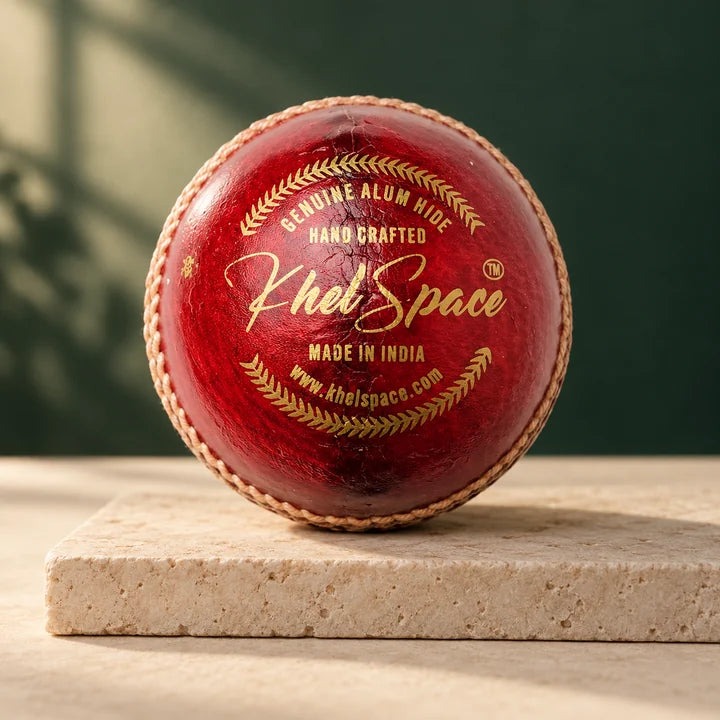
A tape wrap gives you a raised ridge and a different grip, but the ball is still a modified tennis ball with no stitched leather seam. A hard-tennis ball needs its own model specification, so a generic shop label tells you nothing about its mass. Check the package or the maker's declaration for type and mass. Before using a bat from casual tennis-ball games with a leather ball, confirm it is built for hard-ball use.
Why bounce, seam and flight can feel different
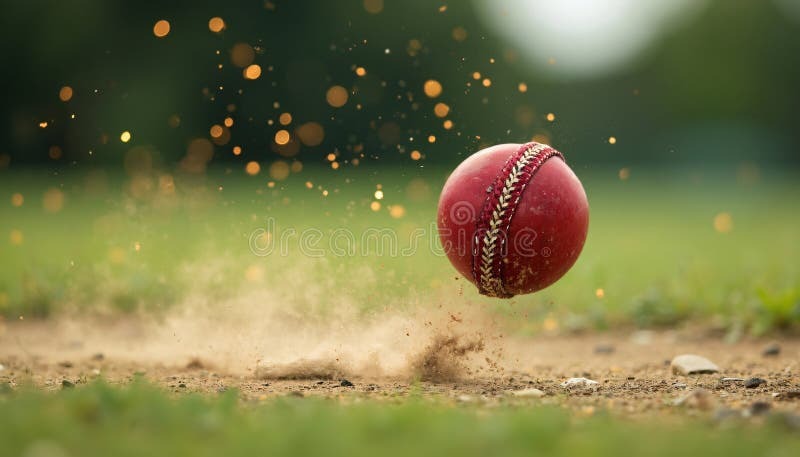
Rebound describes the impact with the pitch: the ball meets the surface at an angle, deforms and leaves with a speed and direction set by that collision. Swing describes movement through the air. On a leather ball, the stitched seam, the state of the surface and the delivery all affect flight. A piece of tape won't reproduce those effects.
The coefficient of restitution (COR) measures rebound in a defined collision. A 2025 study by Mondal and colleagues compared five types of cricket balls on turf, astro turf and concrete pitches from four drop heights. The tested tennis balls recorded higher COR than the tested synthetic and leather balls, and pitch type had no statistically significant effect on COR in that experiment.
Those results apply to the tested balls, drops and surfaces. Bounce angle and speed after impact also depend on surface construction and playing conditions. For batting, compare the combination of ball, pitch and delivery you will face.
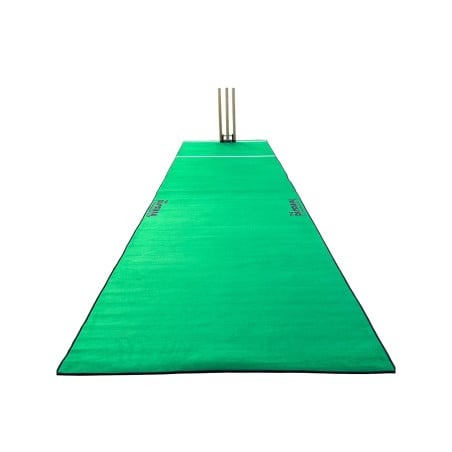
One bowler described the problem of switching to hard-tennis cricket:
I’m about to start playing hard tennis ball cricket soon for the first time. There’s no “rough and shiny” side of it so I’m wondering how I’d go about swing bowling and what not. Should I focus more on cutters? Thanks in advance!
The bowler is choosing between cutters and other deliveries on a ball that has no leather seam. Test any choice with the actual hard-tennis ball on a suitable pitch. When someone promises that a taped ball will swing or that a tennis ball always bounces higher, ask which product and pitch they mean.
Can tennis-ball practice prepare you for leather-ball cricket?
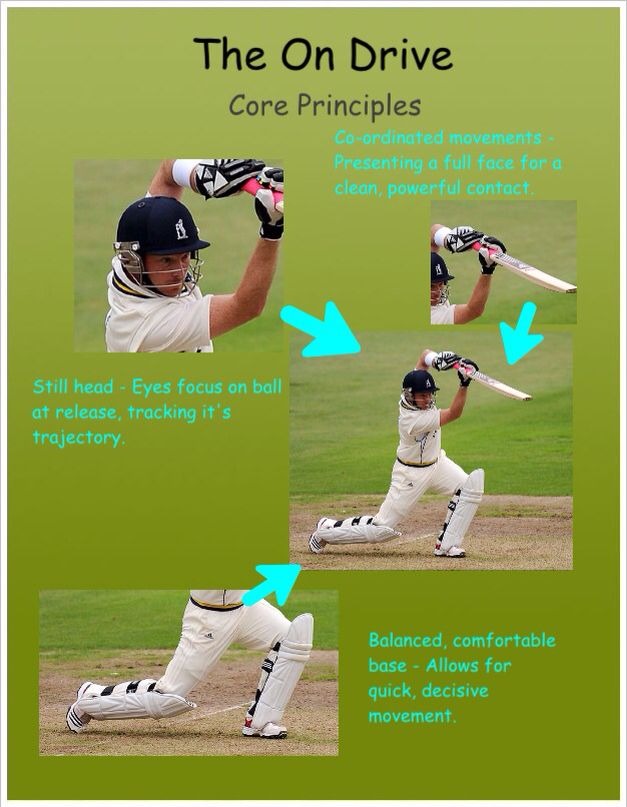
Yes, for selected skills. Tennis or tape-ball sessions let a beginner watch deliveries, repeat a batting movement and practice a release. Facing a stitched leather ball under match conditions is a different physical task.
| Practice goal | What a modified ball rehearses | What leather-ball training adds |
|---|---|---|
| Batting | Stance, attention and coordinated movement; repetition against available deliveries | Responding to the match ball and the pace of the intended game |
| Reading a bowler | Watching release and following the approaching ball | Seeing the actual seam, flight and bounce under supervision |
| Catching | Ball-tracking and catching repetitions | Handling the impact of the match ball |
| Bowling | Repeating grip and release for the chosen ball | Learning how a stitched leather seam feels and responds |
Experience in another bat-and-ball game helps with parts of the movement, but the delivery still has to be learned. One newcomer who had played baseball described the adjustment after joining a cricket group:
This past weekend I found a group about a hour & half away from me and played for my first time. I did alright, struggled to read the ball, and edged the ball in both of my innings to get out. Throughout my youth & until I graduated high school I played baseball, that I noticed has affected my swing & mentality when it comes to playing cricket that I need to shift somewhat. Does anything I learned in baseball help translate over to Cricket, obviously it's too different games but just didn't know? I was wondering what would some tips for new players to the game such as myself to work on, I've bought a bat and some hard tennis balls but having a hard time finding someone to practice with.
Following the bowler's release and reading the approaching delivery are the skills to work on, whatever your batting background.
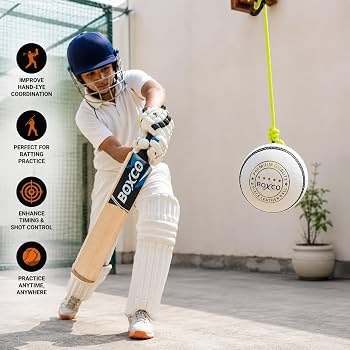
To work toward leather-ball cricket, start with a ball and feed that match your current skill, then bring in the real match ball with a coach or supervisor. Begin with deliveries you can track and respond to. Make them harder only as your confidence and control hold, and step back if control breaks down. Soft-ball repetition cannot fully replace experience with the real match ball.
The safety setup changes before the first leather-ball session
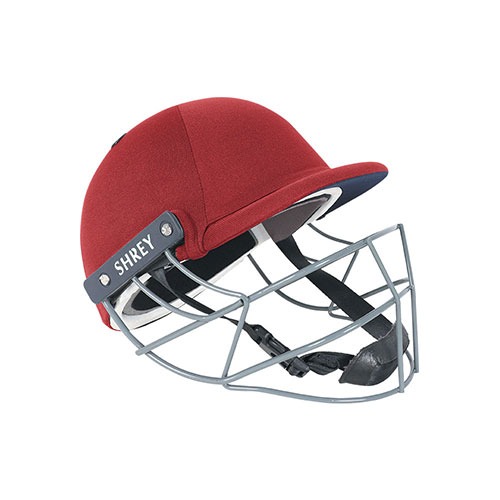
A leather-ball net session needs a suitable place, supervision and protective equipment that fits what each person will do. That means helmets, pads and batting protection, chosen by role, delivery and player.
The ECB's December 2025 Recreational Cricket Safety Guidelines recommend a helmet with a faceguard or grille for adults batting against a hard ball in games and nets. The December update also strongly advises a neck protector whenever a helmet is required or recommended, and it covers wicketkeepers standing close to the stumps, certain close-fielding positions and safe practice environments. These recommendations come from England and Wales; the US facility or organizer sets the local requirements.
- Space and supervision: Match the net or field to the planned deliveries, keep bystanders protected and have someone competent run the session.
- Head and face: Fit a helmet and faceguard for hard-ball batting. Establish what wicketkeepers and close fielders need for that session.
- Body protection: Check gloves, pads and other gear for the role.
- Player stage: The coach or program picks the ball, feeds and protection for juniors and first-timers.
If borrowed pads knock together as a novice walks between deliveries, fix the fit before play. Don't drop the pads.
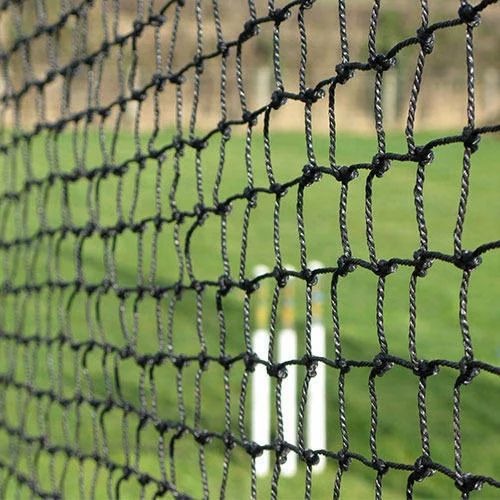
Ball strikes are a recognized injury mechanism in community cricket. The published injury review does not quantify a comparative tennis-versus-leather risk, and a taped or ordinary tennis ball can also hurt someone in a confined or uncontrolled space. If supervision, protective fit or the practice area falls short, postpone the hard-ball session. The hard-ball safety guide covers the setup you need before returning to play.
In the United States, the club's ball rule comes first
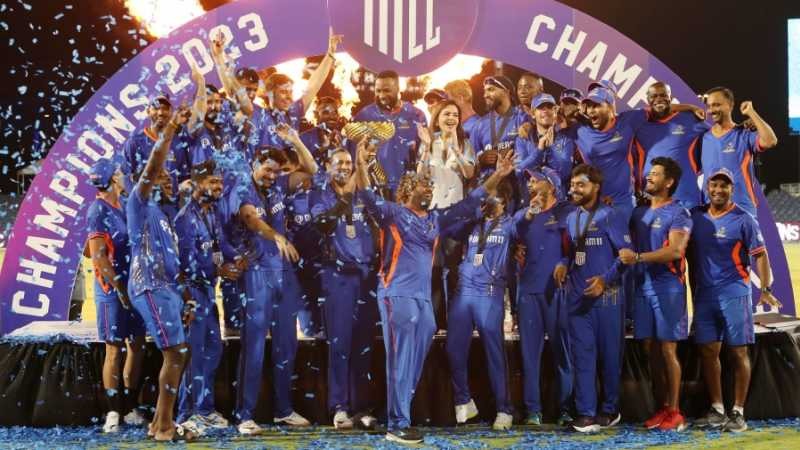
The event's rules decide whether a standard tennis ball, specified hard-tennis ball, taped ball or leather ball is eligible. The Atlanta Cricket League described both leather-ball and hard-tennis participation in its 2026 material. Major League Tapeball is a US example built around regular tennis balls and tape. A local US tape-ball event in 2025 prohibited hard balls and required wooden bats.
Lords Indoor Sports in Plano, Texas, distinguishes recreational tennis-ball cricket from its competitive indoor offering. Indoor sessions can have different equipment rules from outdoor matches.
Ask the organizer for the current playing conditions and confirm:
- Ball type: The required category, size or model.
- Tape: Whether it's allowed and how to apply it.
- Bat: Any limits on type or material.
- Division and venue: Player category, pitch, and indoor or outdoor play.
- Protection: Requirements for your role.
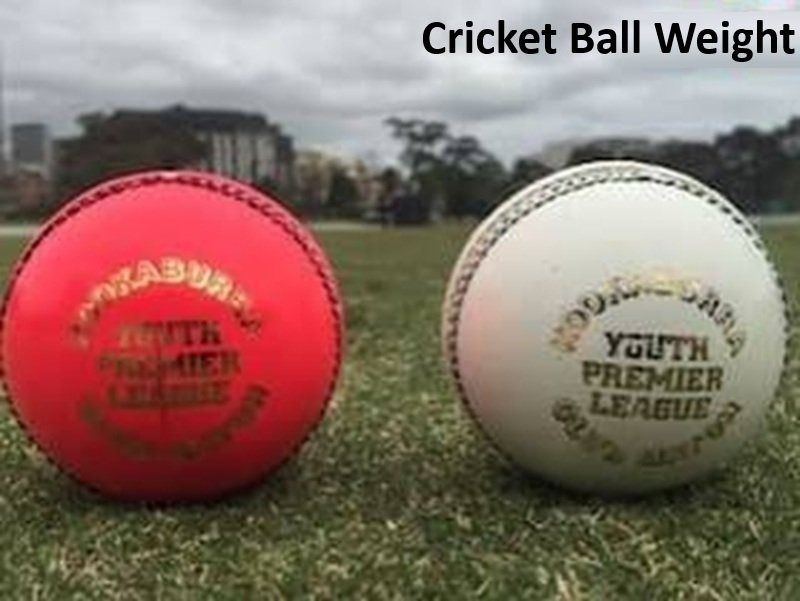
Suppose you practiced with a personally taped ball and enter a hard-tennis event. Your ball is eligible only if the event permits that exact configuration.
To compare local options, see the guide to finding a US cricket club with coaches, teams, and supervised practice.
Moving from tennis ball to leather
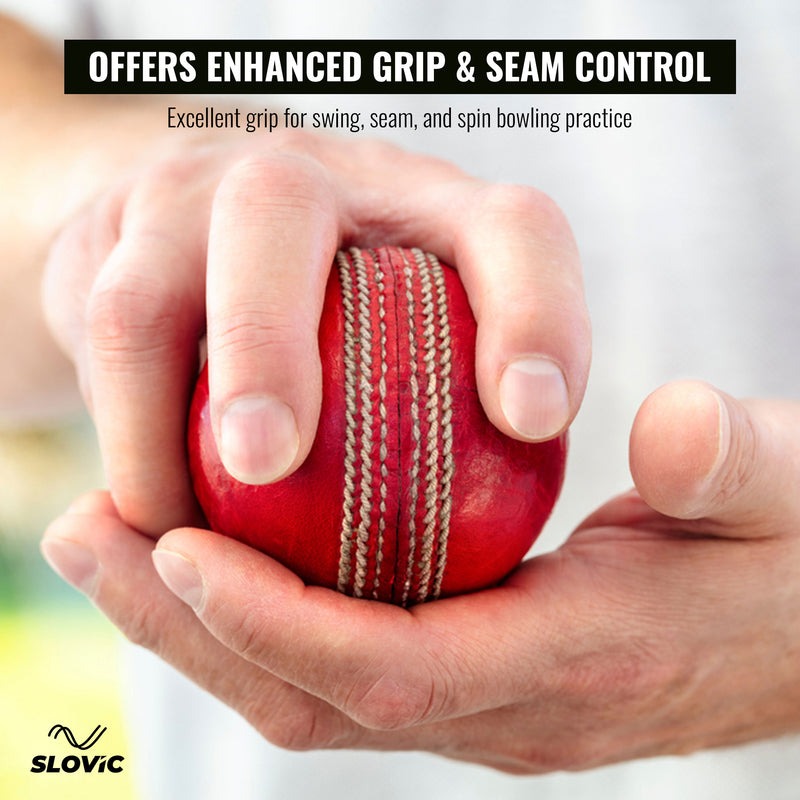
Pick the ball that fits the space, the players and the organizer's rules. If leather is your goal, book a supervised session with the real ball once your basics are solid.