Buy for the session you're actually attending. Borrow a shared bat and other club gear when the club offers it, and buy only the personal items the organizer can't supply. A hard ball or a wicketkeeping role adds protective equipment.
A cricket shop will happily sell you a bag with nearly everything a batter could want. Your first practice needs far less. What you need depends on the ball, your role and what the club already owns.
What kind of cricket are you playing at your first session?
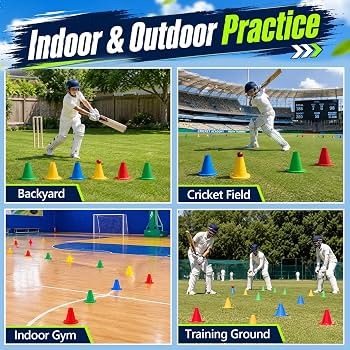
Supplied soft-ball sessions and hard-ball batting nets call for very different gear.
Soft-ball introduction. You play with a soft or tennis-style ball and a plastic or lightweight bat the organizer supplies. The England and Wales Cricket Board's All Stars program in the UK is an example of introductory activities with soft balls and plastic bats.
Club trial with few details. An invitation to “nets on Sunday” tells you little. You might bat, bowl, field or do all three, with a soft ball or a hard cricket ball. Hold off on shopping until you know.
Hard-ball batting or wicketkeeping. Facing a hard cricket ball changes what you need, and a bat is only one piece. Your role and the ball decide which protection you wear, and it has to fit and be in good condition before you use it.
A bowler at a trial has little reason to buy batting pads right away. That changes if you'll also bat against a hard ball. Wicketkeeping adds its own gear.
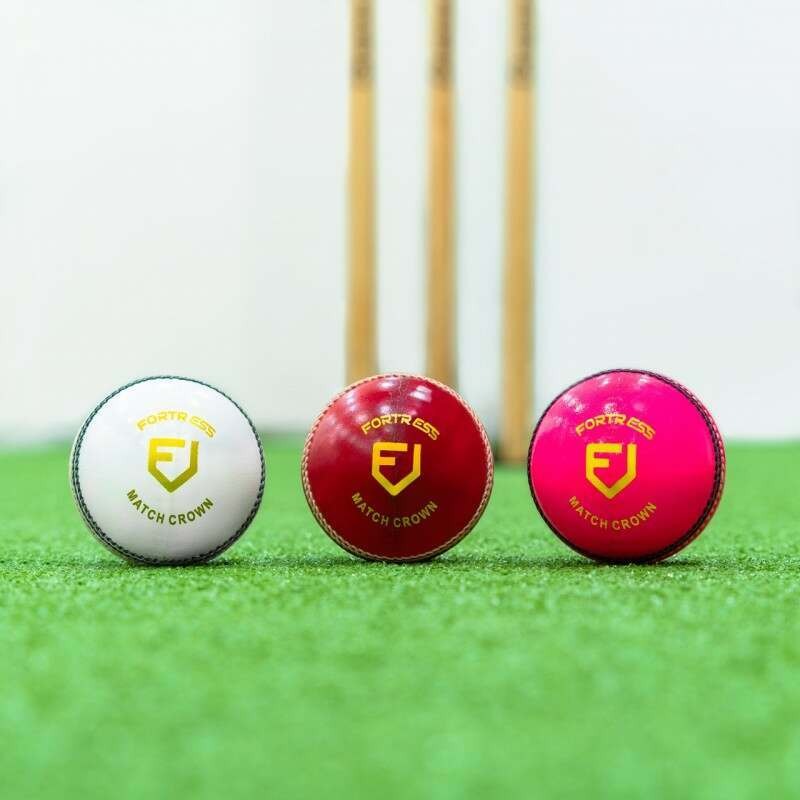
A soft ball, or one wrapped in tape, can still hurt. Its construction, the pace of the delivery and what you're doing decide the protection the organizer requires. Borrow a bat first to test length and pickup; the cricket bat selection guide sets out the fit checks before you buy.
What belongs in a first cricket kit, and what can wait?
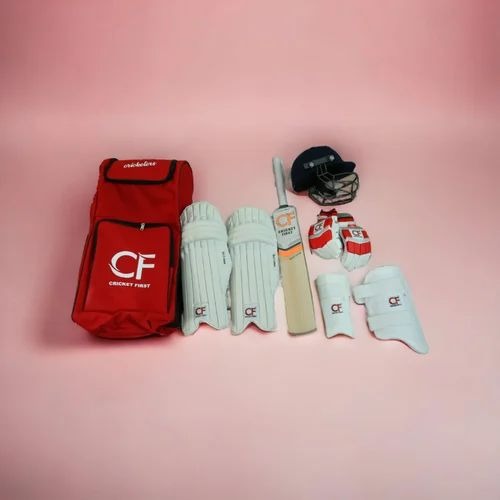
Your first-session kit should let you take part safely and comfortably. Some of it can come from the club.
| Equipment | Supplied soft-ball session | Trial with details unknown | Hard-ball batting |
|---|---|---|---|
| Sports clothing and water | Bring them | Bring them | Bring them |
| Suitable footwear | Bring shoes the venue allows | Check the surface first | Wear shoes the venue allows |
| Cricket bat | Use the supplied bat | Ask to borrow one in your size | Have a prepared bat ready |
| Balls and stumps | Organizer supplies them | Ask whether they're provided | Use the session's equipment if provided |
| Batting gloves | Wait | Wait unless you'll bat | Have gloves that suit the conditions |
| Batting pads | Wait | Wait unless you'll bat | Have pads that suit the conditions |
| Helmet and faceguard | Ask whether the activity requires them | Ask about the ball, and about a fitting one to borrow | Wear a properly fitting helmet and faceguard as required |
| Abdominal or groin protection | Only if the activity calls for it | Ask about your role | Wear personal protection if your role needs it |
| Wicketkeeping equipment | Only if you're assigned to keep | Ask whether you'll keep | Get keeping gear if you're assigned |
| Large bag and extras | Skip | Skip | Buy when you need it |
What matters is whether suitable gear is available to you, not whether you own it. If the club has a bat in your size, the purchase can wait. Protective gear, especially helmets, pads and batting protection, has stricter fit and history requirements.
One beginner described the spending problem after enjoying a single session:
I don’t want spend a lot of money at the moment, I’m still in my trial phase. I went to one session really enjoyed bowling but still have to buy my gear for batting. I just can’t find any info out their guiding a beginner like me. Something as cheap as possible I want to buy all my gear for £100-£150 ideally. What bat and what gear would you recommend.
Ask your club or coach these four questions before buying
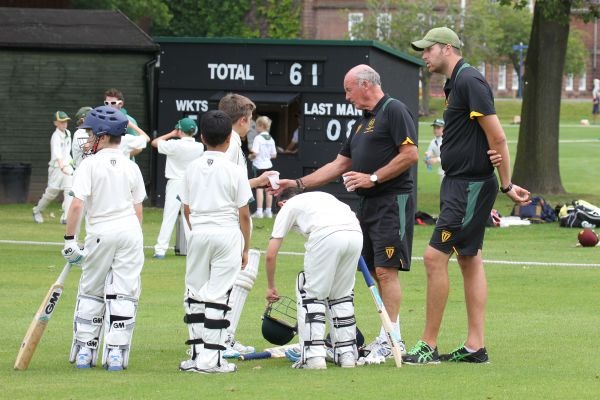
The organizer knows the ball, the roles, the loan equipment and the footwear rules for your session. Send one message with four questions:
- Ball and exposure: “What ball will we use at my first session, and what kind of bowling or batting exposure should I expect?”
- Role and protection: “Will I be batting, bowling, fielding or wicketkeeping, and what protective equipment do you require for that activity?”
- Loan equipment: “Can I borrow a bat, pads, gloves or a helmet in my size? How is the condition of loan equipment checked, including helmet impact history and hygiene?”
- Playing surface: “Will we be on grass, turf, matting, a synthetic pitch or indoors, and which shoes or spikes are permitted?”
Include the date of your trial. “We have bats” doesn't tell you the size, and “we have helmets” doesn't tell you the condition.
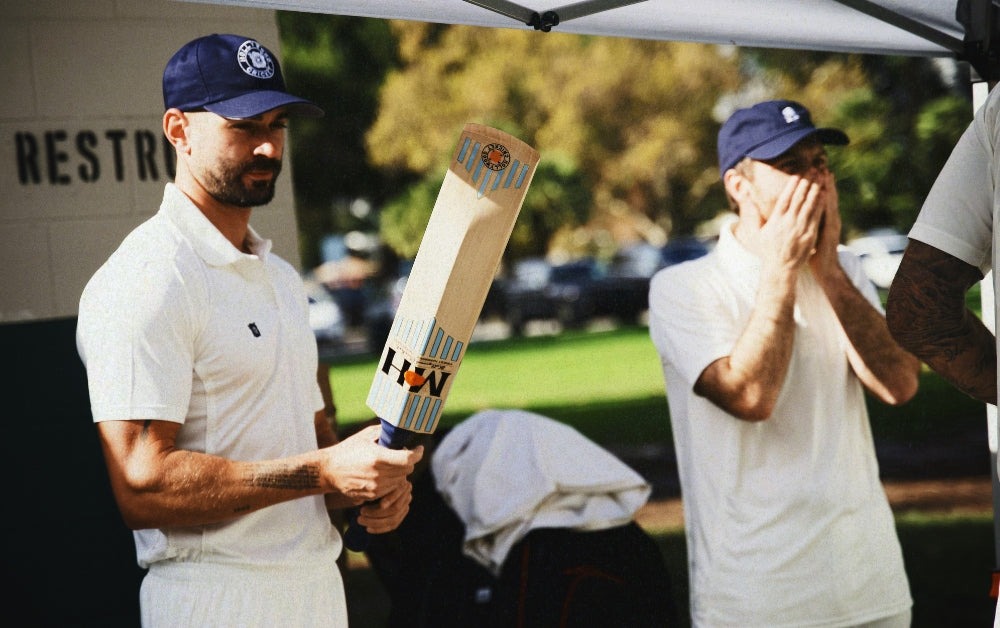
Some clubs organize equipment for newcomers; others expect players to bring particular items. The surface answer can save you from buying shoes the venue prohibits.
If you haven't yet found a training group, finding a beginner-friendly club comes before choosing specialist equipment.
Protective gear: what to check before facing a hard ball
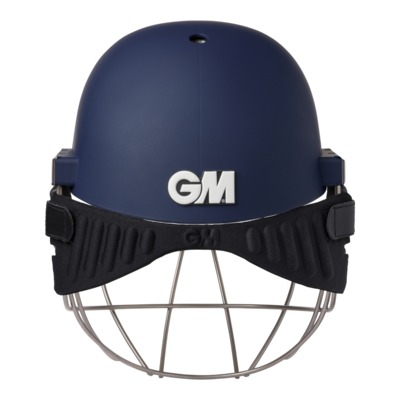
Facing a hard ball means checking your protection first. Fit, condition, previous impacts and the activity all count.
Depending on the organizer's rules and your role, batting protection can include a cricket helmet and faceguard, batting gloves, pads and an abdominal or groin guard. Wicketkeepers add role-specific equipment.
The ICC helmet guidance covers BS 7928:2013+A1:2019 and testing for men's and junior cricket ball sizes. Its compliance reference, dated September 29, 2026, covers particular models and specifications.
That matters when you buy junior gear or an older model. Check the exact helmet against the standard; the name on it settles nothing. The ICC also warns that a severe impact can require replacement even when the helmet looks undamaged.
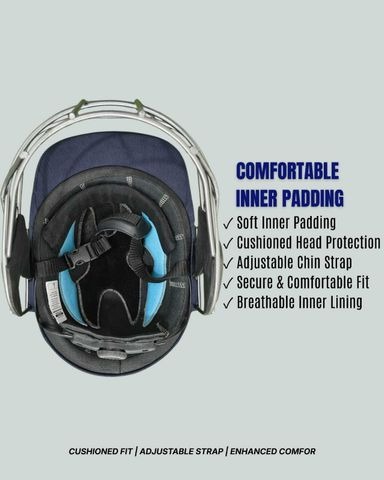
Stop before facing a hard ball: If a helmet doesn't fit, you can't establish its specification, or its impact history is uncertain, don't rely on it. Arrange a suitable helmet and have someone who knows check the fit before you take part. The hard-ball safety guide checks helmets, protective pads, batting practice and supervision.
You can borrow batting pads and gloves when they fit and are clean and in good condition. Groin protection raises separate hygiene concerns. A bike, hockey or lacrosse helmet isn't a cricket helmet, even though it covers the head.
Get the fit right: bat pickup, gloves and pads
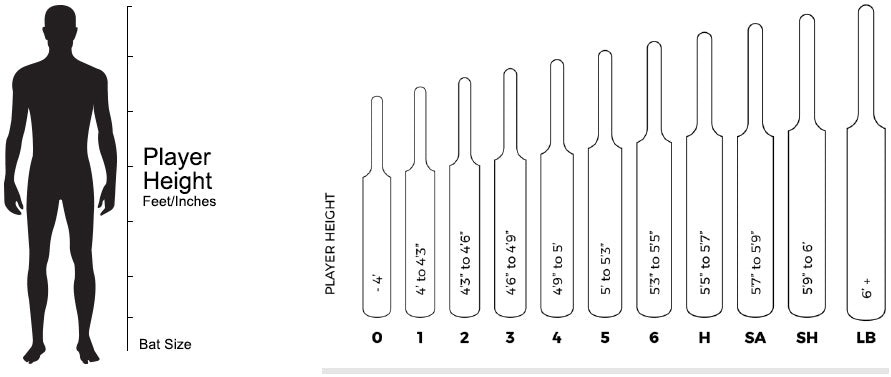
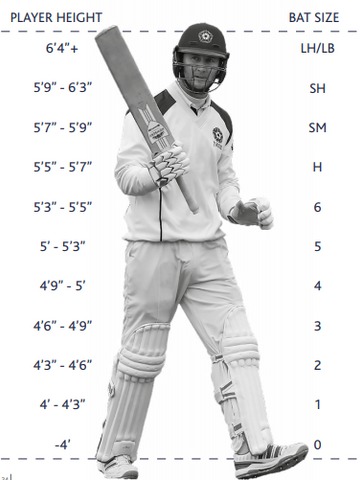
Pick a first bat that fits you and feels controllable in your stance. Use the printed size to narrow the choice, then handle bats to judge balance.
Kookaburra's bat-selection guidance gives bat-size recommendations based on player height and explains pickup, the way a bat's weight distribution feels when held and moved.
Two bats with the same stated weight can feel different because their balance differs. In a cricket shop, hold bats of the right size in your stance and try a controlled motion. Check whether the bat feels manageable or awkwardly weighted toward the toe.
A commenter discussing a beginner's first bat described the test in everyday language:
At the stage you're at, brand doesn't matter. Go to a store that has a lot of bats and go and hold some. Get in your stance and see what they feel like. Practice a couple of shots, straight and cross bat. Does it feel too heavy? Does the weight feel like it's all at the bottom? (That's not a bad thing, some people like more weight at the bottom). Whichever bat feels the nicest to you is the right one.
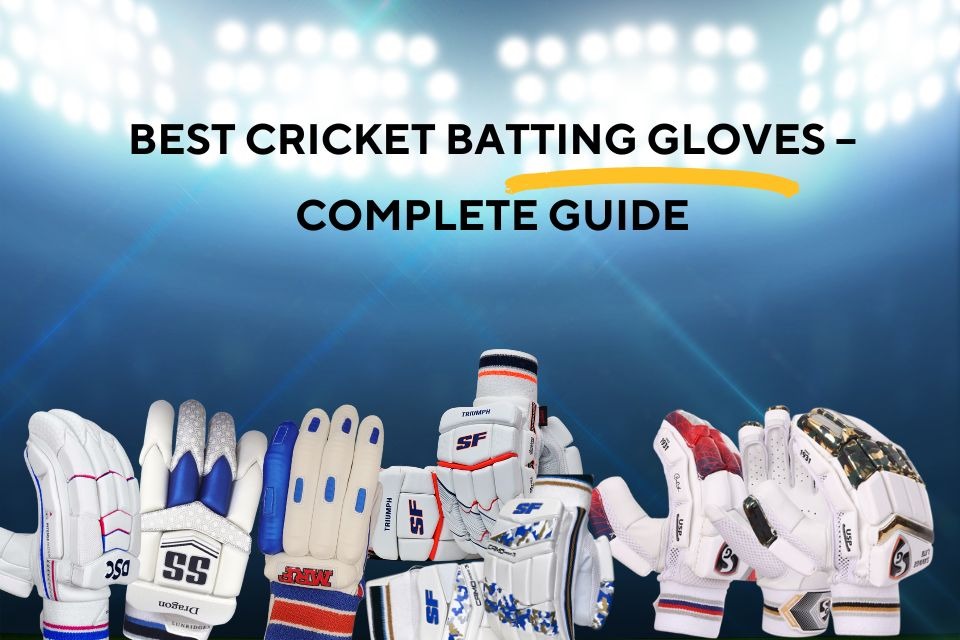
Check the rest separately:
- Batting gloves: Grip the handle. Your fingers should bend without binding or sliding around.
- Batting pads: Take your batting stance. The pads should stay in place and let you move comfortably.
- Junior equipment: Use junior sizing guidance and ask for help. An age label on a bundle can't settle the fit of each piece.
Kookaburra publishes separate sizing guidance for bats, batting gloves, wicketkeeping gloves, pads and helmets, so each part of a commercial starter kit can need its own fit decision.
New, used or borrowed: spend where the difference matters
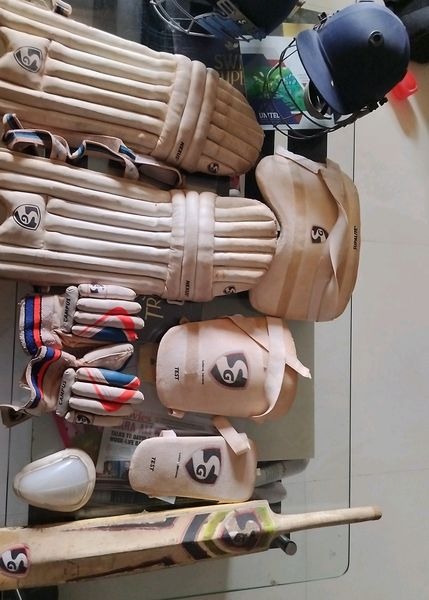
Judge each item on its condition, fit, history and return options before deciding how to get it.
| Option | When it fits the need | Limit to consider | Decision |
|---|---|---|---|
| New | Personal gear needs dependable fit, documented specifications or retailer support | Higher initial cost; you may still be unsure of your role | Buy once you need it |
| Used | You can inspect the item and it's in good condition | Wear, preparation, missing history or limited returns | Inspect the item and read the seller's terms |
| Borrowed | A club or teammate offers gear that suits you | Size, condition, hygiene and history must be right | Use it when they are |
| Wait | You haven't confirmed your role or the item's need | You may need it for a later session | Postpone the expense |
A club bat makes sense for a trial if it fits and is in good condition. A used bat is a reasonable purchase when you can see its wear and know it's ready to use.
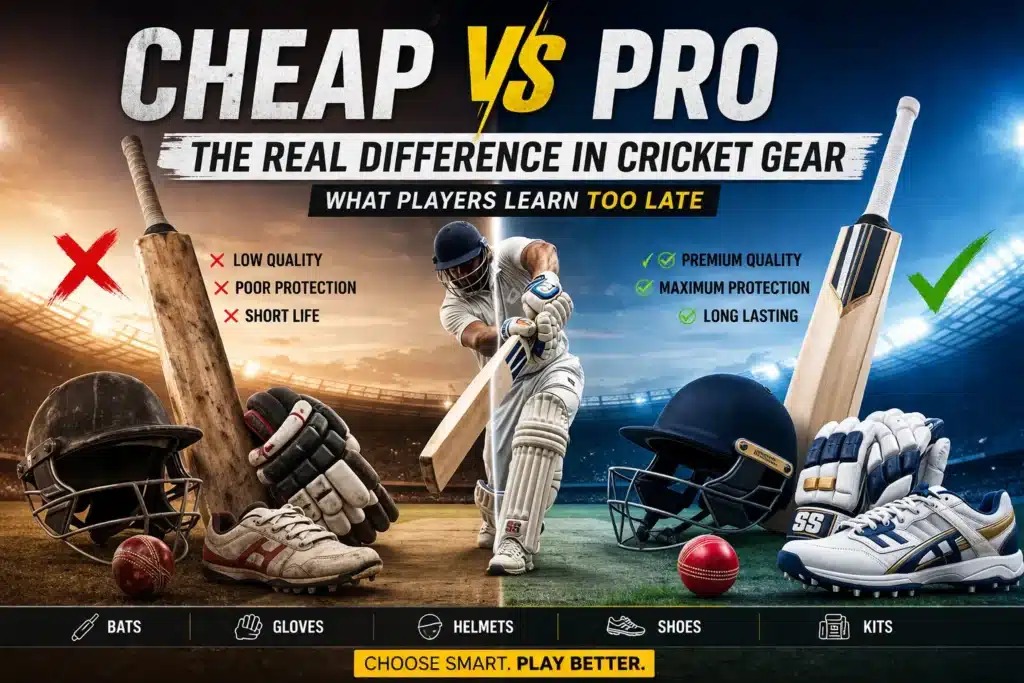
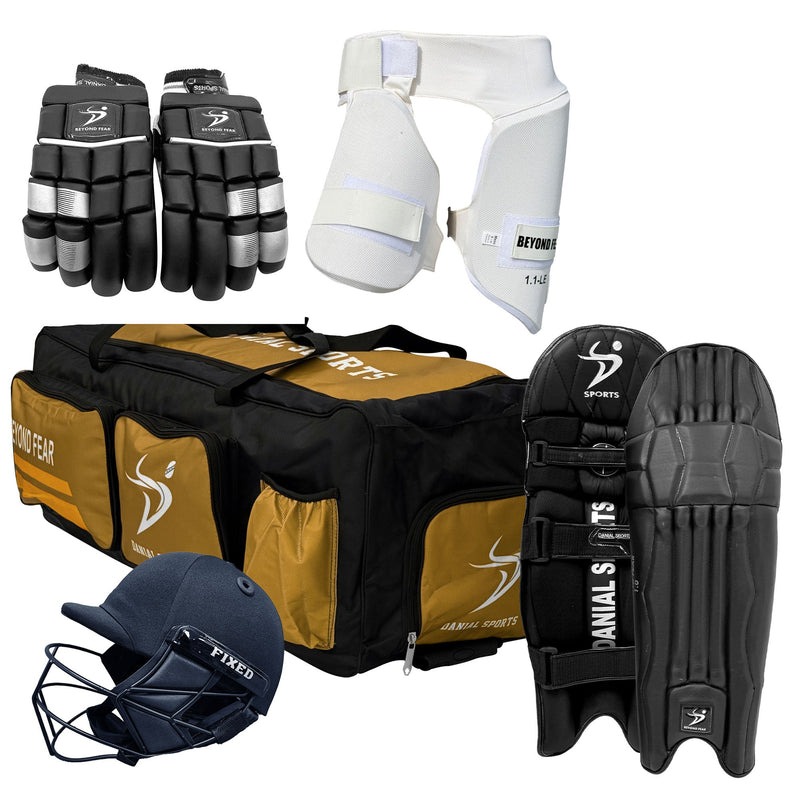
Check what's actually in a starter bundle. A bag and accessories you won't use add nothing to your first session; the fit and condition of the pieces you will use decide it.
Before practice: is the bat ready and are the shoes right?
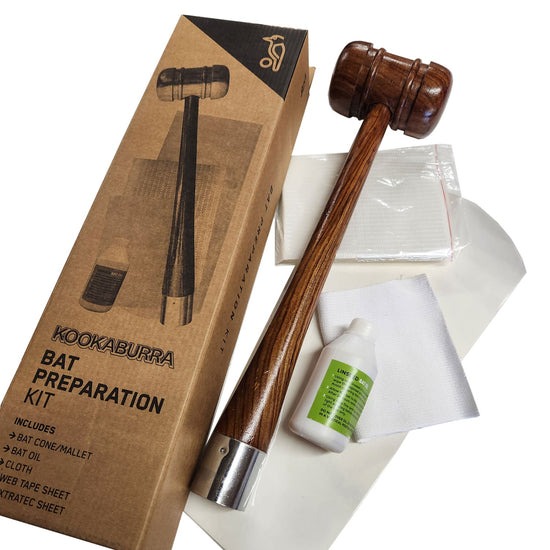
A new bat can arrive before it's ready for hard-ball use. Pre-prepared bats can still need knocking-in, and Gray-Nicolls' guidance separates prior preparation from finishing the process.
Knocking-in prepares a wooden bat for the impact of the ball. How much work is left depends on the treatment already applied and the maker's instructions.
Kookaburra calls its pre-treatment KPP. The company's bat-care instructions say KPP is not a complete knocking-in service and specify at least six additional hours of preparation before match use. Kookaburra also warns against over-oiling.
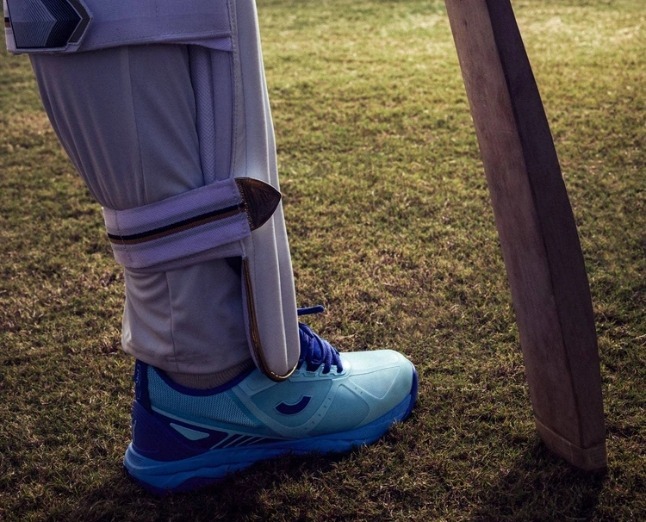
Choose footwear for the venue. Grass, turf, matting, synthetic pitches and indoor areas have different restrictions, so a shoe allowed on one surface may be prohibited on another. Follow the footwear policy where your first session takes place.
Buying cricket gear online in the USA: a short preflight

When you can't try gear in person, exact sizing information and workable returns matter most.
Start with the exact product variant. A retailer may list several sizes or configurations under one product family; some pads, for instance, come in left-handed and right-handed designs. Make sure protective claims match the model and category you're ordering.
Then check the order:
- Measurements: Compare your size and variant with the manufacturer's chart, using individual measurements when supplied.
- Stock and destination: Confirm the exact item can ship to your US address.
- Total cost: Add up shipping and any taxes or import fees for that order.
- Returns and exchanges: Find out whether you can exchange a wrong size and who pays return shipping.
- Condition and preparation: For a bat, find out what the seller means by prepared or ready for use, and whether it's new or previously used.
For example, Gray-Nicolls' FAQ warns US buyers about import charges and says it can't accept returns once goods have been dispatched from the UK.
Make your first-session kit decision
Pack for the session you've booked: the club's loan gear and the ball in use show which personal items to buy first.