Pick one skill and the simplest drill that fits your space and ball, then track the same result every session. If you need a real bowler, a check on your action, or hard balls, train with a coach, a partner, or in a supervised net.
Choose a Solo Drill That Fits Your Space and Ball
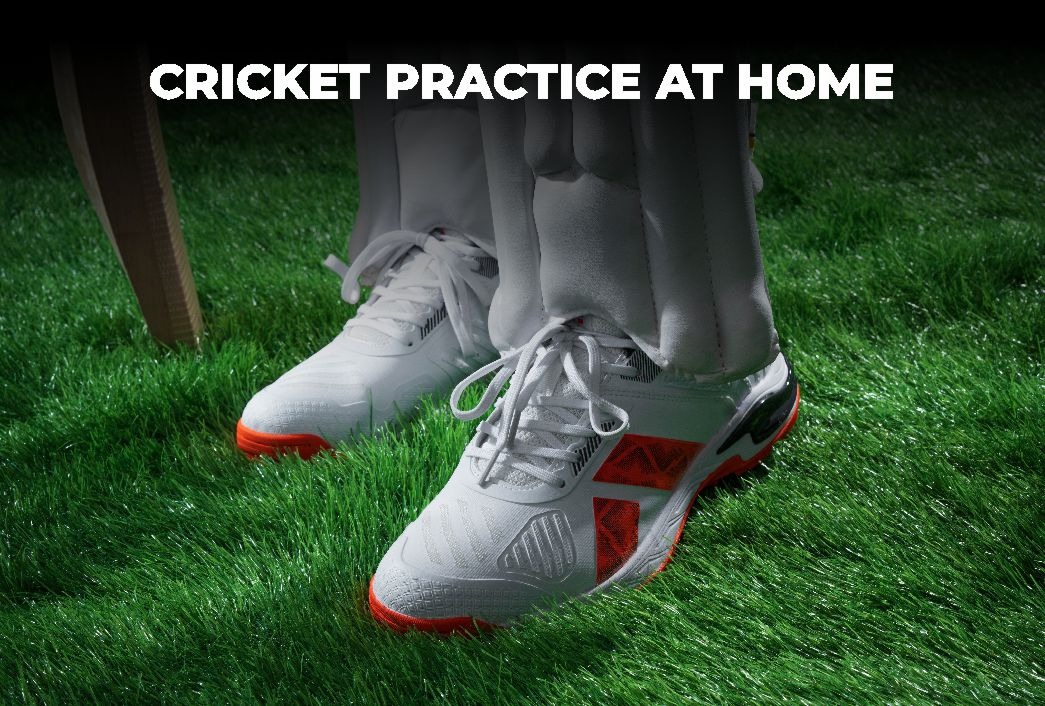
An apartment, a backyard with a safe catching area, and an open field each allow different drills. Pick the skill you want to improve, then decide whether a ball and bat fit the space.
| Your available space | Suitable starting activity | Equipment | Main restriction |
|---|---|---|---|
| Small clear area with little ball clearance | Slow footwork and balance | No ball; bat optional | Skip the bat if you can't swing it freely |
| Space for gentle ball handling | Self-toss catches and ground pickups | Foam or other soft ball | Keep every toss and miss inside the area |
| Wall with a predictable rebound | Gentle rebound catches | Soft ball and a plain wall | Stop if rebounds turn unpredictable |
| Permitted open field with a safe background | Low-force target bowling | Ball and a non-breakable target | Never set up where a miss could hit people or property |
Before you use a ball, work out where it can go if you mishit or miss. People, pets, traffic, windows, fragile objects, slippery ground, and boundaries all matter. A soft ball can still cause damage or injury, especially when it rebounds unpredictably.
An empty space still needs permission and room to stop after you move or collect a ball.
For outdoor practice in hot weather, the CDC's heat guidance for athletes advises moving activity away from the hottest periods and staying hydrated. If you feel faint or weak, stop and get somewhere cool. For a broader batting, bowling and catching setup with other people, see the beginner practice plan.
Solo Batting Drills When Nobody Can Bowl to You
Batting practice is possible without a bowler. Slow footwork, shadow movements, and gentle self-fed contact are the easiest options where you have room.
A self-dropped ball has none of the release cues, changing pace, or uncertain bounce that make facing a bowler hard.
1. Batting stance and balanced finish
Stand in your normal batting position, feet comfortable. Take a slow forward step as if defending a delivery, then hold the finish. The cricket batting basics cover stance, grip, timing and watching the ball.
Check three things: is your weight under control, have your feet crossed awkwardly, and can you get back to your starting position without stumbling?
Try five deliberate steps and count how many end with a stable finish. Repeat with a backward step.
2. Shadow defensive and driving movements
Play the shot with no ball, slowly enough to see where your hands finish.
Run through the sequence: prepare, step, bring your hands through the shot, return to your stance. A repetition counts when your feet and hands get back to the starting stance with your balance intact. If you start reaching or losing balance, simplify the movement.
One returning player described how hard it is to get back into cricket with nobody to go to the nets with:
Hey guys, 22y/o from Aus here. Recently my dad took me to get some cricket gear for chrissy as I've been looking to get back into club cricket. I haven't played for around 9 years and since my dad has some physical issues I don't have anybody to go to the nets with at the moment. Was just wondering if you guys have any advice on how I can work on my batting in the meantime?
A solo movement drill gives someone in that position something to work on while the nets are out of reach. If a batting movement still feels uncertain or uncomfortable, get qualified feedback before you repeat it much more.
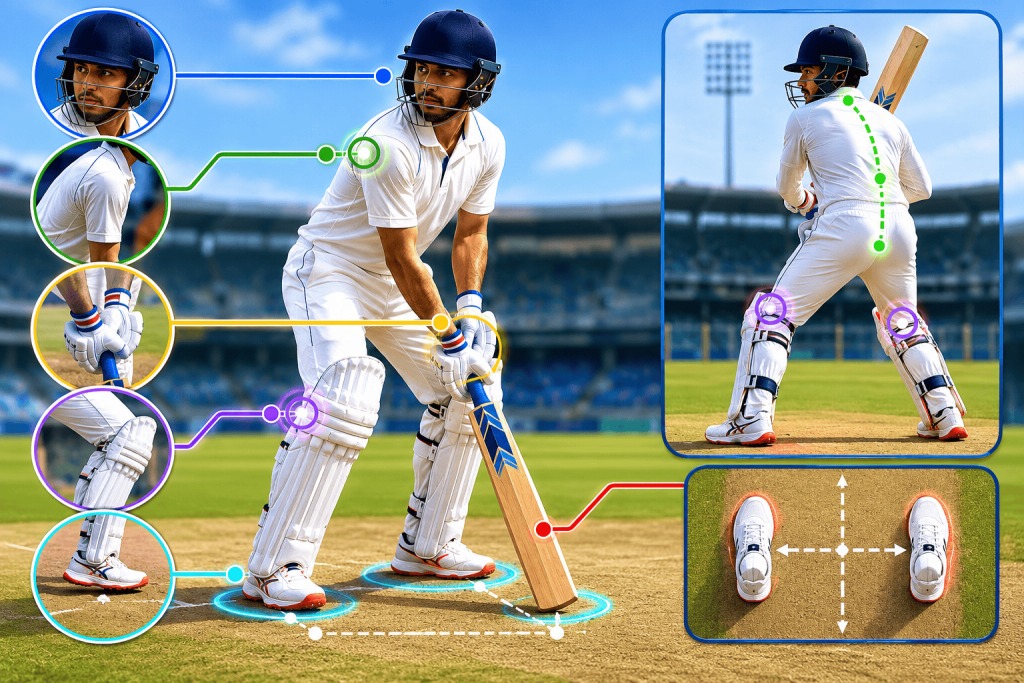
3. Gentle self-drop batting
With a soft ball, room to swing, and a clear stopping area, you can practice gentle contact on a ball you drop yourself.
Drop the ball into a predictable spot and play a short stroke toward the clear area.
Count contacts that land in your chosen safe zone. If a mishit leaves it, stop and fix the setup before you carry on. Check that your finish stays balanced as the ball reaches the stopping area.
Catching and Ground-Fielding Drills You Can Do Alone
A soft ball opens up several one-person fielding drills: receiving a gentle toss, handling a rebound, or approaching and collecting a ball on the ground.
A bobbled catch doesn't count the same as a ball secured cleanly on the first attempt.
| Drill | How to do it alone | Result to observe | When to change or stop |
|---|---|---|---|
| Gentle self-toss | Toss a soft ball to a comfortable height and catch it | Clean catches out of total tosses | Lower the toss or stop if the ball nears a ceiling or obstacle |
| Gentle wall catch | Throw softly at a wall and catch the return | Catches and misses | Stop when the bounce turns unpredictable |
| Ground pickup | Put a soft ball on the ground, approach, collect, and stop | Clean pickups with a balanced finish | Slow down if you lose control or stopping space |
A self-toss is the simplest option when the ball has room to rise and fall.
Wall catching adds a rebound, but the surface matters: different materials return the ball differently even from similar throws. Use a gentle ball and a surface where you can predict the return without damaging anything.
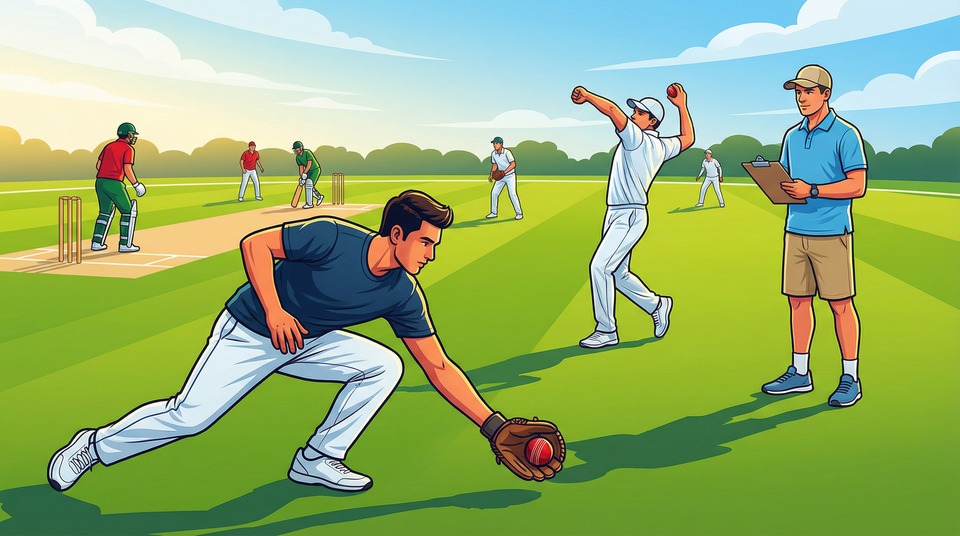
On ground pickups, give the stopping step as much attention as the catch. Approach at a pace you can manage, collect the ball, and finish under control.
In 2020, Durham Cricket shared Chance to Shine home activities covering catching, bowling, striking, and fielding.
Practice Bowling Accuracy Alone
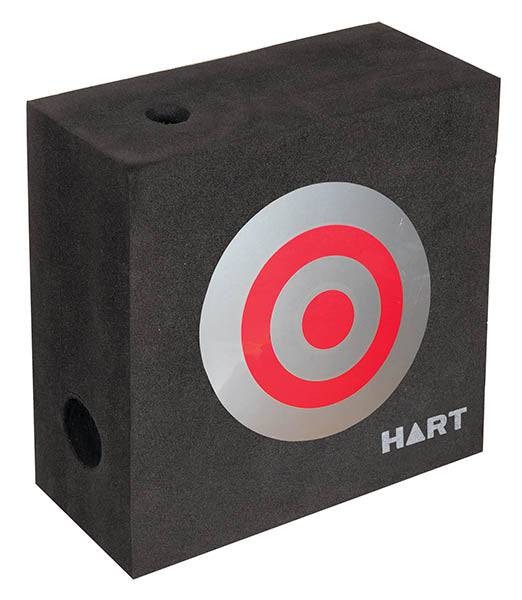
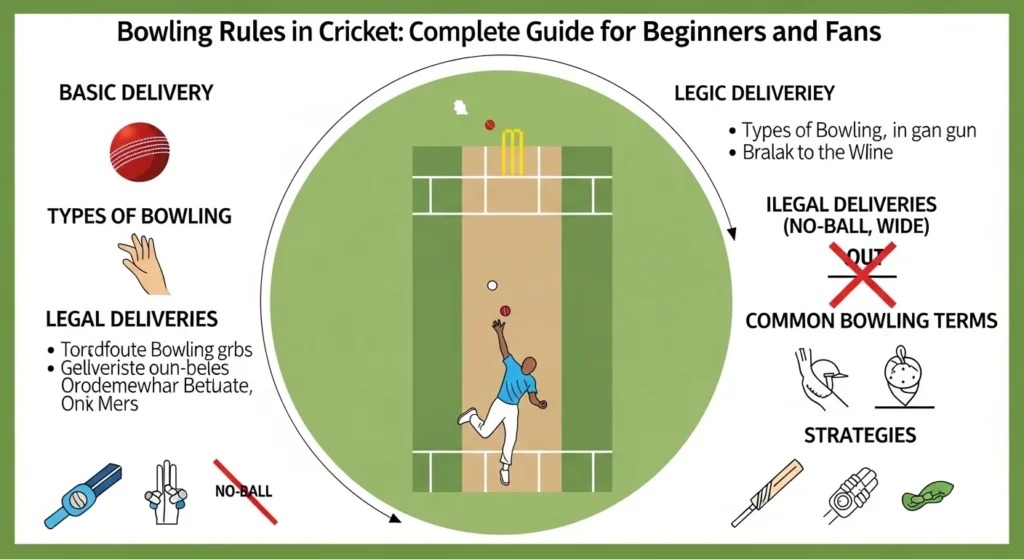
A visible target gives you something to measure. In a permitted open area, you can judge gentle deliveries by whether they land in a chosen zone.
1. Fixed target accuracy
Pick a non-breakable marker where the whole ball path and any miss are safe. Choose a starting mark and a target zone.
Bowl with controlled effort, watch where the ball lands, retrieve it safely, and go back to the same mark.
Keep a simple hit-or-miss tally. Say you bowl ten and six land in the target zone.
2. Slow alignment without a ball
If your space can't safely contain a delivered ball, practice the approach and skip the release.
Mark a starting position and a finishing area, then move between them slowly enough to stay balanced. Watch for an inconsistent start or a finish that carries you past your space.
Count each attempt that ends inside the marked area with a controlled stop.
Bowling workload needs particular care for younger players. Cricket Australia publishes age-specific junior bowling guidance for young pace bowlers, including pace bowlers aged 17 to 19. Those Australian youth guidelines do not set a universal repetition allowance for adult recreational players in the United States.
A soft ball cuts some impact risk but doesn't remove the physical demand of repeating a pace-bowling movement. End the session if you feel discomfort, your control slips, or the ball travels somewhere unsafe.
What Solo Bowling Practice Cannot Tell You About Your Action
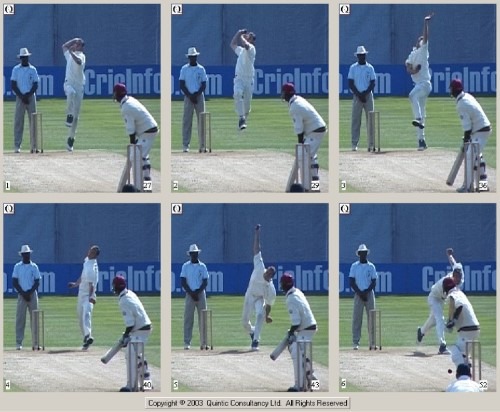
Three separate questions come up when you look at a bowling action:
- Target accuracy: Did the ball land in the intended zone?
- Movement consistency: Did the approach and release movement appear repeatable?
- Action legality: Does the bowling action satisfy the rules that apply to the relevant cricket competition?
One recreational player was challenged over a bowling action after practicing alone for a while:
Yesterday I had a tough moment while playing local cricket. I bowled a few overs and some players started saying my action looked like chucking or that there was a jerk in my arm. Honestly, it really bothered me because I’ve been practicing alone for a while and I try my best to bowl fairly. The thing is, I didn’t even have proper cricket gear or a plan to record anything. I just quickly recorded this video randomly so I could check my action later and maybe ask people who understand bowling better than the guys arguing on the ground. I’m not a professional bowler, just someone who enjoys cricket and wants to improve. If there really is a jerk in my arm or something illegal in my action, I genuinely want to fix it.
The post asks for feedback and includes no ruling on the action.
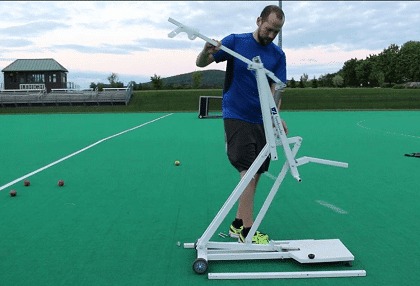
A phone recording can help you show a movement to a knowledgeable coach. Camera angle, recording quality, and the viewer's expertise limit what anyone can work out from it.
If someone questions your action, describe the specific issue and ask a coach or cricket official who can assess it in context.
Build a Focused 20-Minute Solo Session
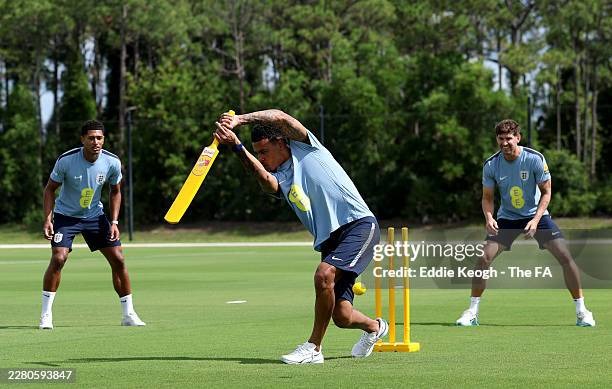
A short solo session works best with one main purpose. Give most of the time to one skill and a smaller block to a second activity that suits the same space and equipment.
Here's one way to split 20 minutes. Adjust the times to suit you.
| Time | Activity | Purpose |
|---|---|---|
| 2 minutes | Set up the area and equipment | Get the setup right |
| 3 minutes | Easy warm-up | Settle into the movement |
| 8 minutes | Primary drill | Practice one selected skill |
| 5 minutes | Second drill in the same setup, or another set | Add a related task without changing the safety conditions |
| 2 minutes | Write down the result | Keep a record you can compare |
With soft-ball clearance, combine gentle catches with ground pickups. In a permitted open field, give the main block to target accuracy.

Don't stack batting, bowling, and fielding just to fill the minutes. You'll learn more when you know what you practiced and how it went.
Stop early if fatigue, pain, footing, heat, a wild rebound, or another person in the area changes the conditions.
Track Progress Without Fooling Yourself
A good practice log shows whether an exercise is getting steadier under comparable conditions. Keep enough detail to explain the result, and skip the diary.
Record five things:
- Session identifier: The date or a simple session label.
- Conditions: Ball type, location, surface, and any target or toss setup.
- Drill: The named exercise.
- Attempts and result: Clean catches, controlled finishes, or target hits out of total attempts.
- Observation: A repeated error, a change in balance, an unsafe miss, or the reason you stopped.
Say you take ten gentle self-tosses with a foam ball in a permitted yard. In the first session, seven catches are clean and three bobble. In another session under the same conditions, eight are clean. That's a gain on that catching task.
Keep the conditions the same. A different ball or a lower toss makes eight against seven tell you little, so note any change.
A high target score from increasingly forceful deliveries misleads for the same reason. Log whether your control and surroundings held up.
After a few comparable sessions, use the errors you logged to choose what comes next. If your control is uneven, repeat the same setup. When attempts are consistently controlled, change one variable and treat the next score as a new test. If the drill gets out of hand, go back to a simpler one.
A better score shows you've improved at that drill. Matches add demands the score doesn't measure.
When Solo Drills Are No Longer Enough
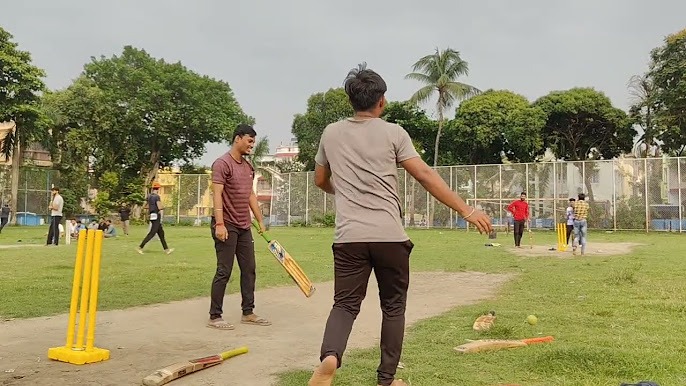
Timing against an unfamiliar bowler and coordination with teammates need a shared practice session. Solo drills can't cover every skill.