U-numbers are under-age cutoffs, and every US organizer sets its own age bands and birth-date rule. Check that the cutoff includes your child, then look at the coaching level, the ball type, supervision, and the full cost. Once those fit, book a trial session and see whether your child enjoys it.
What do U8, U11, U13, U15, and U19 mean in youth cricket?
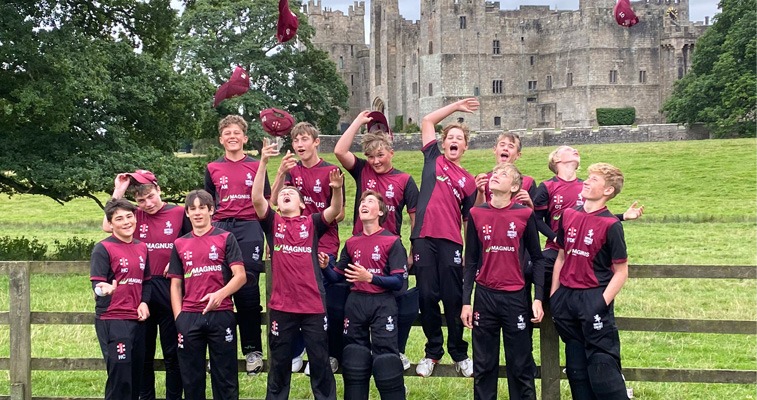
The U stands for under: U11 is an under-11 category, for example. The organizer or tournament sets the date-of-birth rule for its season, so your child's age today, their age under that rule, and their training group can all differ.
US organizers publish different divisions:
| Organizer | Published groups | What the grouping tells you |
|---|---|---|
| Atlanta Cricket League Kids | U8 (ages 6 to 8), U10 (9 to 10), U12 (11 to 12), U15 (13 to 15) | Age bands for its own introductory program |
| Washington Cricket Academy | U11, U13, U15, U17 | Runs alongside a beginner entry route |
| World Cricket Institute, Austin | U9, U11/12, U13/15, U17/19 | Combined developmental bands |
| Illinois Cricket Enterprise | U11, U13, U15, U19 | Categories used at registration |
| Junior League Cricket, 2026 Thanksgiving event | U11, U13, U15 | Event divisions, each with its own birth-date table |
Southern California Youth Cricket Academy runs programs for ages 6 through 19. For tournament entry, the competition's published birth-date range decides. The Junior League Cricket Thanksgiving event lists its eligibility separately from the U-number.
Compare your child's full birth date with the current season rule, and check whether the cutoff date itself counts. A rule that says “born on or after” a date includes that date. “Born after” excludes it.
Which type of cricket program fits your child?
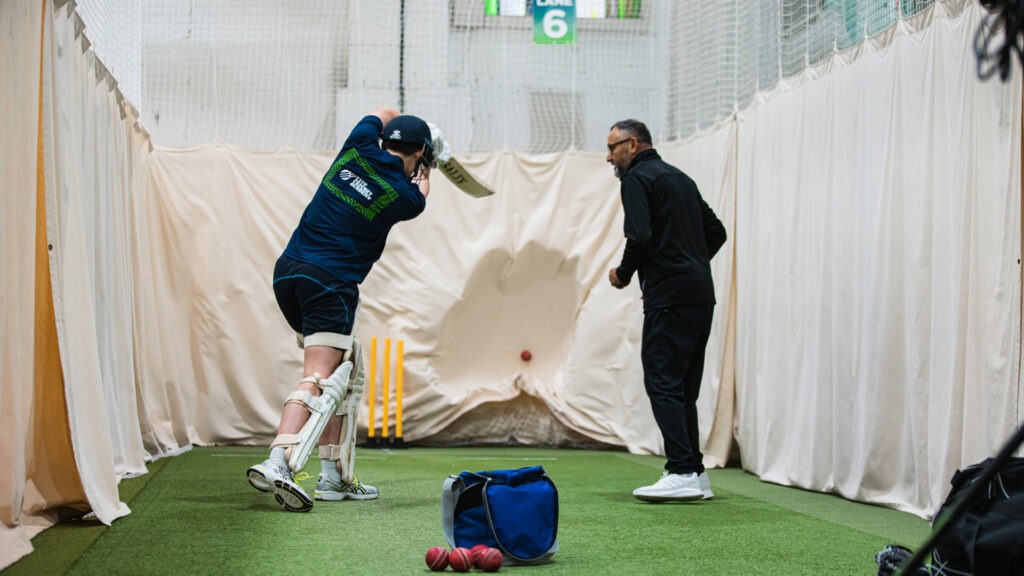
The right program depends on your child's cricket experience, the coaching, and whether sessions use a modified ball or a hard cricket ball. A teenager joining for the first time needs the same basics as a much younger newcomer.
Washington Cricket Academy offers a beginner tennis-ball entry route as well as age-group training. Other academies split their programs into development stages.
| Child's situation | Likely starting point | What to expect from the session |
|---|---|---|
| First-time younger player | Introductory or modified-ball group | Basic batting, bowling, catching, and fielding drills |
| Teenager new to cricket | Beginner coaching for their age | Fundamentals explained without assuming match experience |
| Player with uneven skills | Development group | Coaching aimed at specific weaknesses |
| Experienced junior who wants matches | Structured competition group | Organized games and coaching at their level |
A 15-year-old who has played baseball knows how to hit a ball but still has to learn a bowler's action and how to run between wickets. A child who already plays junior matches may be ready for a higher level of coaching.
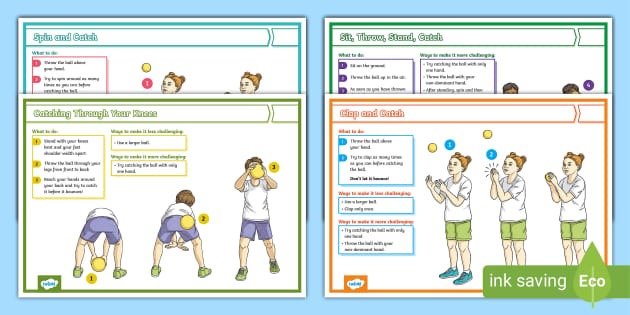
Some children enjoy fielding long before they feel ready to face deliveries, so look for an instructor who adapts practice to each child.
The American Academy of Pediatrics advises that youth sports leave room for enjoyment and varied participation, and it cautions against intensive early specialization.
How can you find an active youth cricket program near you?
Start with local cricket clubs, regional leagues, youth academies, and community recreation programs. You need a junior group that runs at a workable location and enrolls your child's age band.
Washington Cricket Academy offers beginner and age-group coaching in its region; Chicago Youth Cricket Academy runs training and travel teams. For a broader search, see the guide to finding and contacting cricket clubs in the USA for coaches, teams, and age-group sessions.
Atlanta Cricket League's Kids page published a 2026 summer camp with U8, U10, U12, and U15 groups and marked its registration closed.
Search your city or metro area with “junior cricket,” “youth cricket academy,” or “kids cricket.” Local league and recreation-department pages can turn up programs that have no academy website.
For each program, get these details before you visit:
- Session: Dates for the class or training term.
- Group: Which age and beginner levels meet that term.
- Venue: The practice or match location, indoor or outdoor.
- Enrollment: Whether your child can register or attend an introduction.
- Contact: Who confirms all of the above.
What should parents check about coaching and safeguarding?
Find out who supervises the children, how coaches communicate with minors, and where concerns are reported. A program should be able to explain all of this in writing.
The U.S. Center for SafeSport Minor Athlete Abuse Prevention Policies (MAAPP) set requirements for specified participants and organizations within the US Olympic and Paralympic Movement. Organizations outside that framework may adopt the policies voluntarily.
SafeSport's coach guidance covers observable and interruptible one-on-one interactions, parental observation, and transparent electronic communication. Ask:
- Supervision: Which adults are responsible during training and between activities?
- Communication: Which channels do coaches use with minors, and how are parents included?
- Screening and training: What background checks and safeguarding training do coaches have?
- Reporting: Where is the written policy, and who receives a concern or incident report?
A respected playing career explains a coach's technical background, not how they supervise children. You need a clear account of supervision and reporting, with a named contact. If the program can't give one, choose another.
Does a beginner need a helmet, pads, and a full cricket kit?
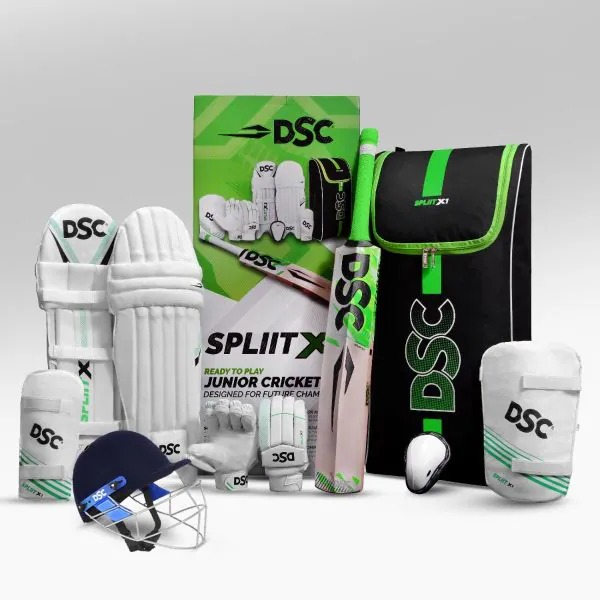
What you bring depends on the ball. An introductory tennis-ball or modified-ball class has a different list from supervised hard-ball training.
For its 2026 modified-ball summer program, Atlanta Cricket League supplied training equipment but required participants to wear sports shoes, a protective cup or guard, and suitable sports attire, and to bring their own drinks. A personal bat was optional. Children without shoes were not permitted to participate.
Before the first session, ask for the ball type, required protection, loaned equipment, and injury-response procedure.
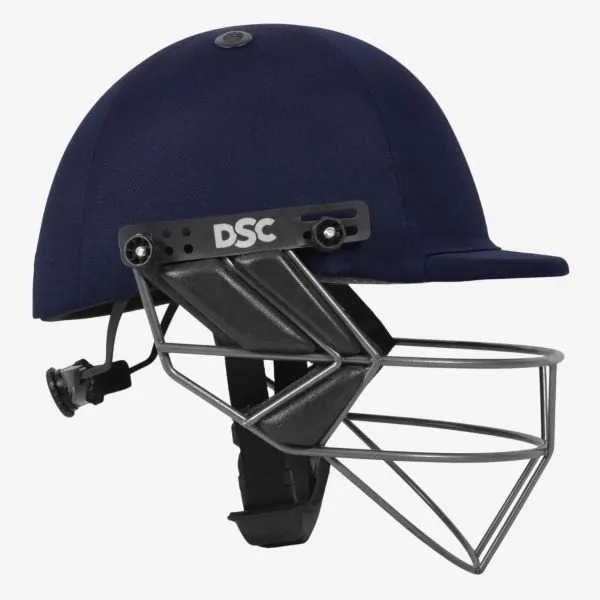
For hard-ball sessions, check the intended protection
The International Cricket Council's helmet guidance describes BS 7928:2013+A1:2019 and distinguishes between testing against junior and adult cricket balls. Choose protection that matches the ball and the use. Local equipment requirements follow the playing conditions and organizer rules.
For more, see the guides to hard-ball cricket safety and a first cricket kit (bats, pads, and helmets).
Suspected concussion requires immediate removal
Under CDC HEADS UP guidance, a child with a suspected concussion should be removed from play immediately and must not return to sport the same day. An appropriate healthcare provider decides clearance and the return-to-sport process.
How much does youth cricket cost beyond the session fee?
The coaching fee is only part of the cost. Programs can charge separately for membership, extra sessions, match entry, equipment, and travel.
| Cost or commitment | What to ask for |
|---|---|
| Trial session | Fee, length, supplied equipment |
| Membership and coaching | Enrollment fee and price per term or session |
| Facilities | Separate indoor or field charges |
| Uniform and equipment | Required purchases and loaned items |
| Matches and tournaments | Entry charges and game schedule |
| Travel | Destinations, transport, overnight stays |
| Withdrawal | Refunds, cancellation and missed-session terms |
World Cricket Institute's Fall 2026 information lists free Basic membership for tryout access, $120 annual Premium membership for regular training, and $25 for a two-hour group session. Games have separate charges.
To compare programs, give each one a column, fill in the rows from its terms, and add travel time and your other weekend commitments next to the money. A higher coaching fee can still mean less travel.
Can girls and less-confident beginners find a suitable group?
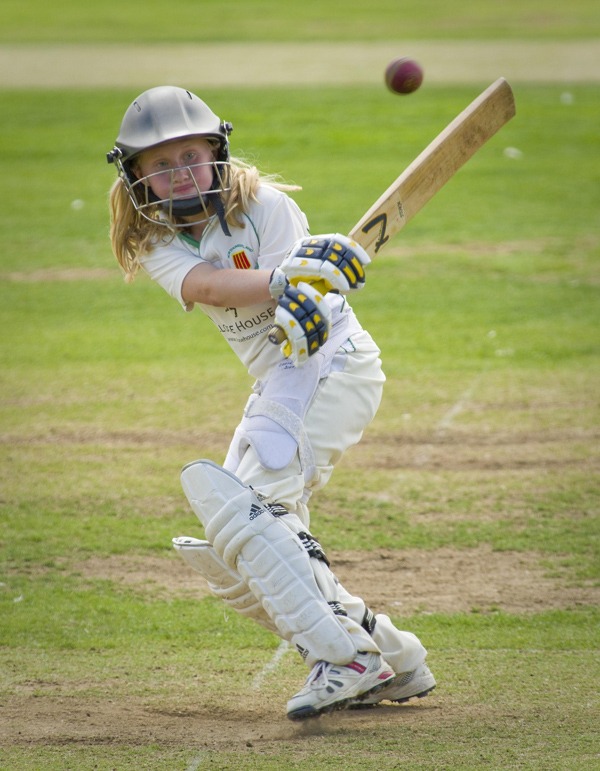
Yes. Chicago Youth Cricket Academy has described coaching for girls and boys ages 8 to 18, and Junior League Cricket's 2026 event included gender-specific competition categories. Mixed or introductory coaching gives less experienced children an easy way in. Match opportunities and adaptations vary by organizer, so ask what each one offers. Older participants can also explore girls' and women's cricket opportunities in the USA through clubs, coaches, and teams.
How do academies, tournaments, and representative pathways differ?
Coaching, organized matches, and selection into a representative group are separate activities with their own commitments and eligibility rules. An academy may offer several of them.
| Setting | Purpose | What participation involves |
|---|---|---|
| Introductory coaching or recreational games | Learn the game and take part | Instruction and informal games |
| Academy development group | Improve skills over time | Regular coaching and feedback |
| Junior league or travel tournament | Play organized age-group matches | Team setup, match schedule, event eligibility |
| Hub, zonal, or representative opportunity | Join a defined competitive pathway | Eligibility and selection set by the organizer |
Junior League Cricket's 2026 Thanksgiving event is an example of tournament-specific divisions. The USA Cricket Junior Pathway scoring portal separately lists a 2026 U11 Hub competition and U12 development competitions.

Illinois Cricket Enterprise's registration form asks for a USA Cricket ID and a CricClub ID where required.
What should you look for during a youth cricket trial session?
At a good trial, your child takes part at the right level while you watch everyday coaching. Pay attention to three things:
- Participation: How often does your child get to bat, bowl, field, or practice a skill with useful feedback? Some waiting is normal in team sport, but long stretches of standing around make a beginner's first session frustrating.
- Coaching response: What happens after a missed ball or a misunderstood instruction? Look for an explanation or an adjusted drill the child can use.
- Your child's response: What did they enjoy, what was difficult, and do they want to go again?
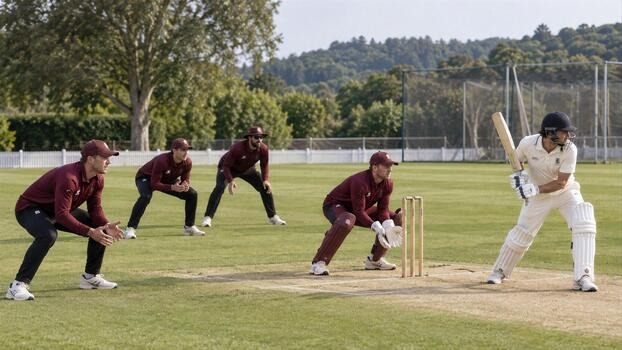
A child who asks to go back after the first session has given you your answer.