Check for a no-ball first. If the delivery breaks a no-ball rule, that's the call. If not, decide whether it's a wide. Each costs the bowling side one run and has to be bowled again, but they differ in how extra runs are credited, which dismissals are possible and whether a free hit follows.
Wide ball vs no-ball: the practical difference
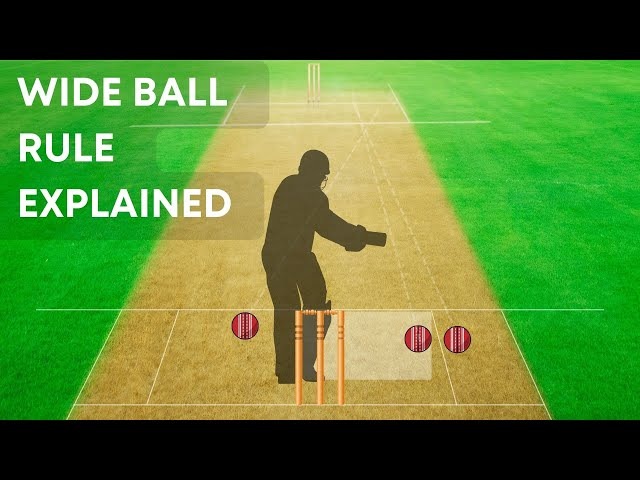
A wide and a no-ball both penalize the bowling side, but for different reasons. A no-ball is an illegal delivery, such as a front-foot fault or an unfair delivery. A wide is a ball that passes beyond the striker's reach, or meets another defined wide condition.
| What happens | Wide | No-ball |
|---|---|---|
| Main cause | Ball outside reach or another defined wide condition | Illegal delivery or specified infringement |
| Initial penalty | 1 extra run | 1 extra run |
| Counts as a legal ball? | No | No |
| Additional runs | Credited as wides | Bat runs or other extras |
| Batter can be Stumped? | Yes | No |
| Batter can be Run out? | Yes | Yes |
| Next-ball free hit | Not for a wide alone | Yes in ODI/T20I playing conditions |
| If both appear to apply | No-ball takes priority | Recorded as a no-ball |
| Governing authority | MCC Law 22 and competition conditions | MCC Law 21, unfair-delivery Laws and competition conditions |
A ball that passes beyond the striker's normal reach can be a wide. A bowler who oversteps the popping crease bowls a no-ball even if the ball is easy to hit. In that second case, the foot fault alone decides it.
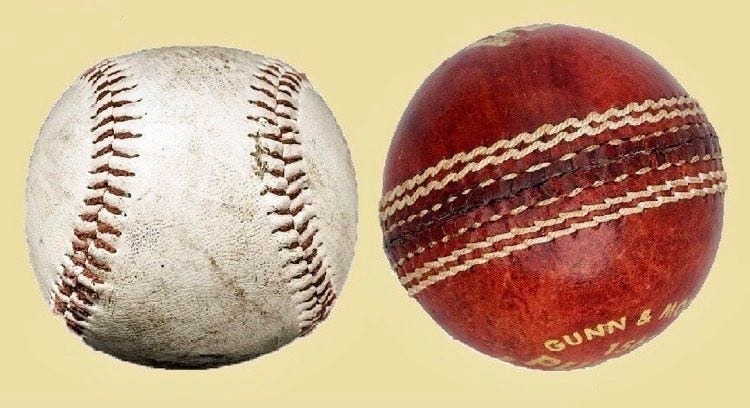
For the full list of Laws, see cricket rules and laws explained.
How an umpire decides between a Wide and a No-ball
Start with the no-ball question, then move to the wide.
- Check for a no-ball offence. Look at the bowler's feet, the delivery method and any unfair-bowling rule.
- If there isn't one, assess the wide. Consider the striker's position, normal reach and the height condition.
- Account for contact. Under MCC Law 22.3.1, a wide must be revoked if the ball touches the striker's bat or person before it touches a fielder. A separate no-ball infringement still stands.
- Score it. Decide the extras, whether the ball counts in the over, which dismissals stay possible and whether a free hit follows.
A bowler oversteps and sends the ball far outside the striker's reach. Law 21.12 gives the no-ball priority: one no-ball penalty, and further runs follow normal scoring.
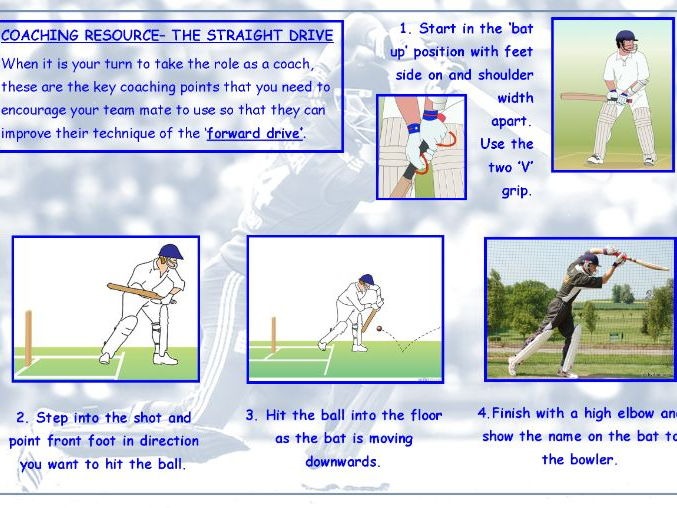
One distance rule is unusual. MCC Law 21.8 covers a delivery that lands so far from the pitch that the striker would need to leave the pitch to try to play it. If the ball hasn't touched the striker's bat or person, the umpire calls no-ball and immediately calls dead ball. That is the exception, since an ordinary wide or no-ball call doesn't make the ball dead.
A high bouncer or a high full toss: which call applies?
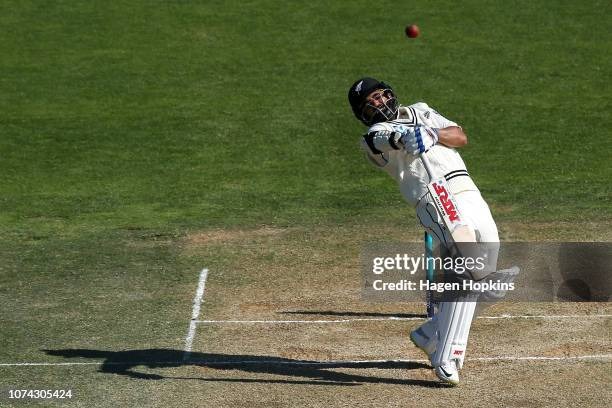
Whether the ball pitches before reaching the striker decides which 2026 MCC height rule applies.
A bouncer pitches and then rises. A full toss reaches the striker without pitching. They use different height references and can draw different calls.
Law 22.1.3 covers a delivery that has pitched and passes above the head of the striker standing upright at the popping crease.
Law 41.7.1 covers a non-pitching delivery passing, or that would pass, above the waist height of the striker standing upright at the popping crease. That delivery is a no-ball under the unfair-delivery rule.
On October 1, 2026, the MCC Fourth Edition placed this pitched, head-high provision in Law 22.1.3. The 2026 MCC Laws of Cricket also set out the separate unfair-bowling provisions.
Law 41.6 separately covers dangerous or unfair short-pitched bowling, including repeated high deliveries. If it creates a no-ball offence, the no-ball takes precedence.
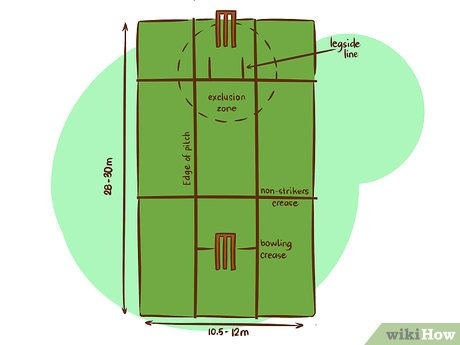
When a batter jumps and hits the bouncer
In March 2025, before the 2026 edition, a player described a disagreement with friends after jumping to strike a high bouncer:
Recently this caused a lot of problems for me and my friends The first ball of the over was a bouncer and way above my height but I was still able to hit it by jumping , I called it.no ball Whereas my opponents said that generally bouncer above height is wide ball but since I hit it it's not longer wide so it's fair delivery Any rules that support me ?
Under the 2026 MCC Laws, the bat contact means the umpire revokes any wide, but it doesn't cancel a separate no-ball offence under Law 41.6 or another rule. The upright striker's head height remains the reference for Law 22.1.3.
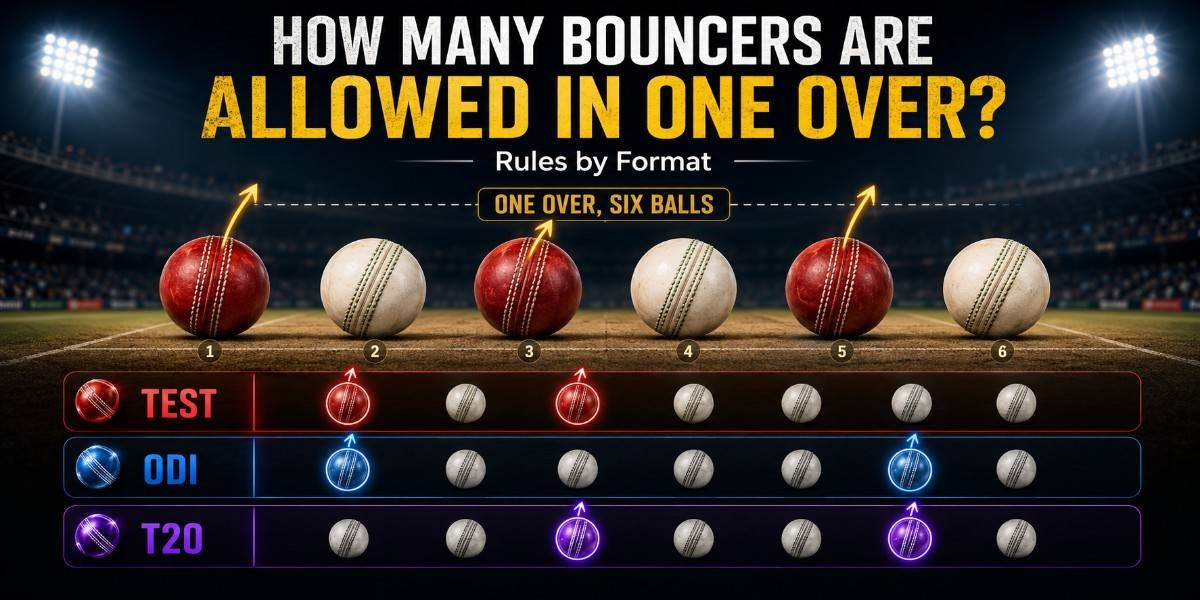
Does moving across the crease affect a Wide call?
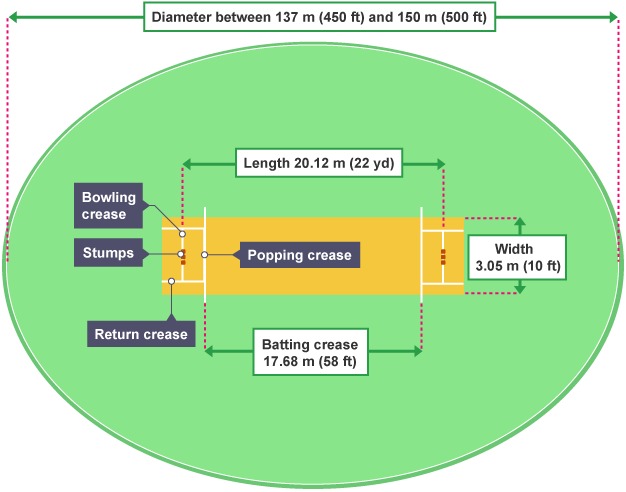
Yes. A wide is judged in relation to the striker, so a batter's position and movement can change the call.
The MCC definition asks whether the ball is wide of the striker and wide of the striker in a normal batting position, judged by whether it is within reach for a normal cricket stroke.
Law 22.4.1 rules out a wide in two cases: the striker moves so that a ball otherwise within reach passes wide, or moves to bring an otherwise out-of-reach ball within reach of a normal cricket stroke.
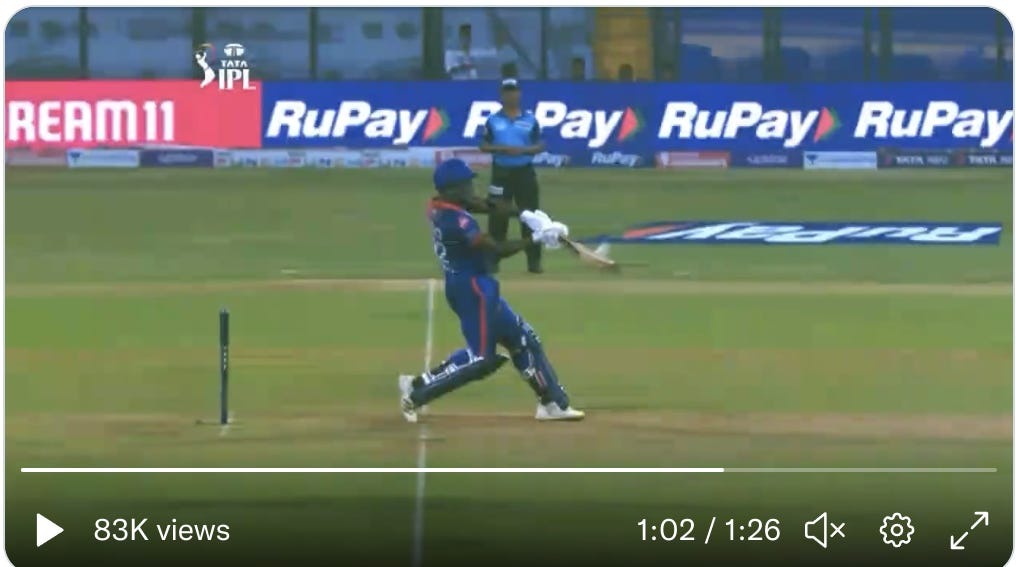
A striker who sets up outside off stump faces a different situation from one standing near middle stump or moving across after the bowler begins the delivery.
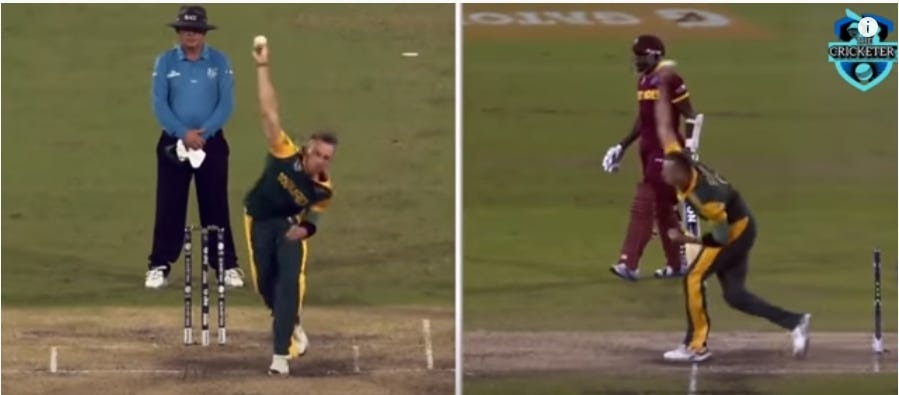
Why two similar-looking deliveries can receive different calls
In April 2024, one viewer compared two reviewed IPL decisions:
Pic 1 Context - Ruturaj was standing outside offstump before ball was delivered but did not move from his initial position Result - Umpire gave it Not Wide and review by 3rd umpire gave it Not Wide My view - The ball is wide enough to be given Wide despite batsman standing outside off stump Pic 2 Context - Dube standing at middle stump throughout and didnt move from his position Result - Umpire gave it Wide and review by 3rd umpire also gave it Wide My view - This can go both ways as ball is slightly towards other side of line but still above the line
The ICC made its revised leg-side wide interpretation permanent in ODI and T20I playing conditions in October 2026. Under it, the striker's leg position at the point of delivery is a key reference, even if the batter then moves across the crease. The change has no retrospective effect on the 2024 IPL decisions, which followed the conditions of those matches.
The ICC announcement of the updated playing conditions establishes the effective-date framework for new international series.
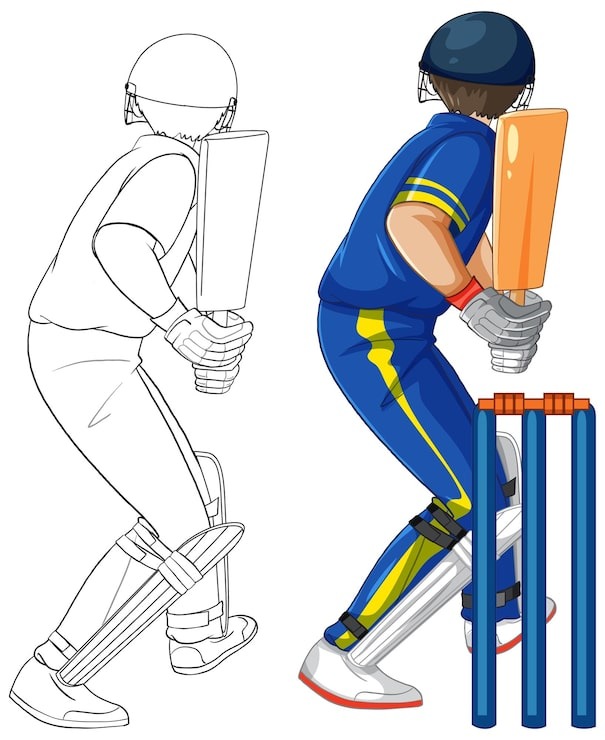
In a T20I, a striker whose legs start near middle stump and who then moves across toward the off side after delivery is judged by where the legs were at the point of delivery.
How many runs do Wides and No-balls add?
Each starts with one penalty run. Any runs on top depend on what happens to the ball.
When a no-ball is struck with the bat, the batter gets the runs from the stroke and the no-ball penalty is recorded separately as an extra. Additional runs from a wide are recorded as wides, and the batter gets no batting runs from a delivery correctly scored as a wide.
Three deliveries that each add five runs
These examples assume normal boundary treatment, no unrelated penalties and no dead-ball ruling.
| Delivery | Team runs | Batter's runs | Extras | Bowler charged |
|---|---|---|---|---|
| No-ball hit for four | 5 | 4 | 1 no-ball | 5 |
| Untouched wide reaches boundary | 5 | 0 | 5 wides | 5 |
| Untouched no-ball reaches boundary | 5 | 0 | 1 no-ball + 4 byes | 1 |
In the third case the bowler is charged with only one run. The four byes are extras against the fielding team but are excluded from the bowler's conceded runs.
Do a Wide or No-ball count toward the over?
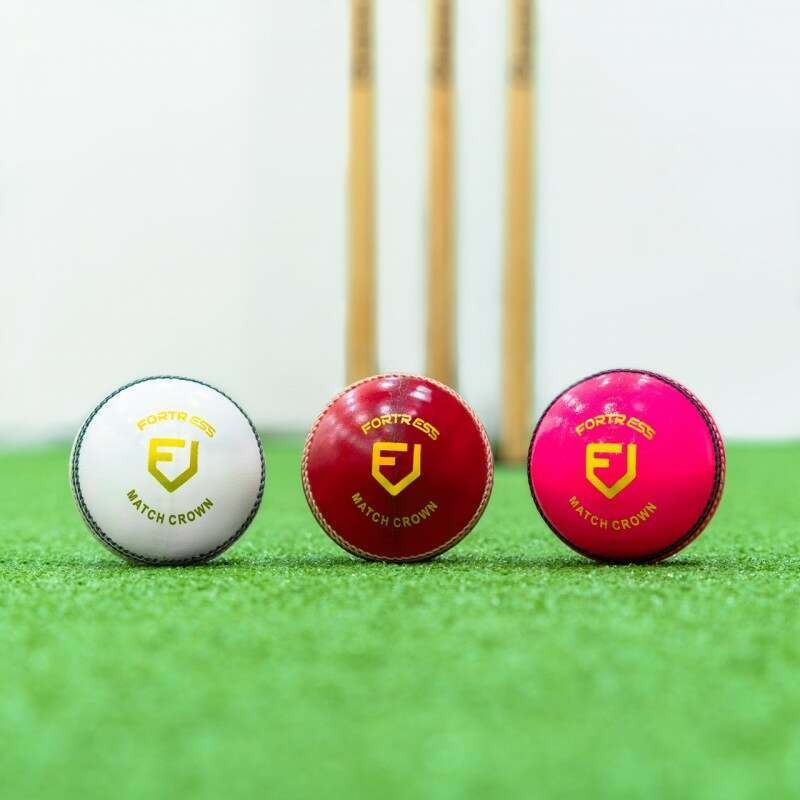
An ordinary over has six legal deliveries, so a wide or no-ball can add runs without advancing the over count. A score of 3.2 overs means three completed overs and two legal balls, or 20 legal deliveries. A wide leaves it at 3.2, a following no-ball also leaves it at 3.2, and the next legal delivery moves it to 3.3.
Can a batter be out from a Wide or a No-ball?
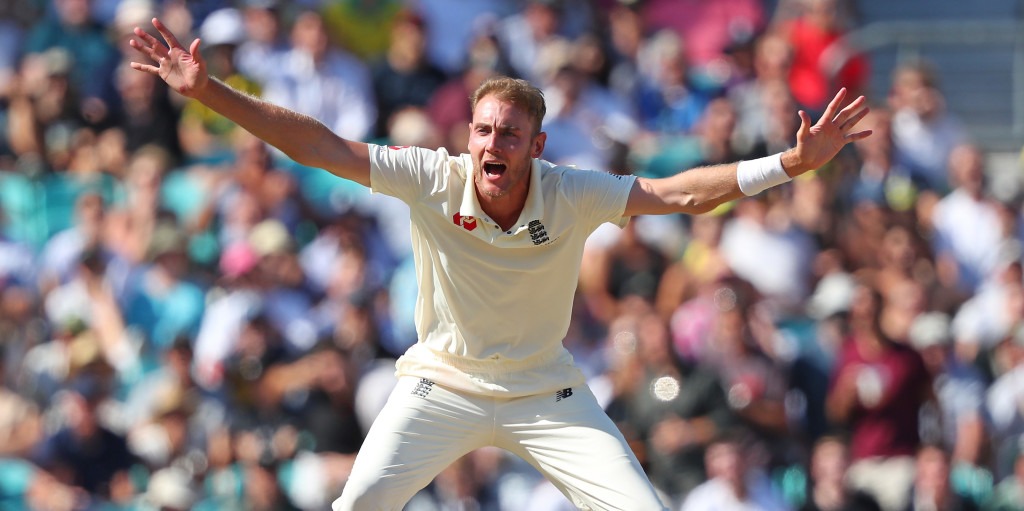
The classification decides which dismissals are allowed. A wide still allows stumped and run out, among others. A no-ball protects the batter from bowled and caught, among several others, while leaving other dismissals open.
| Dismissal | On a wide | On a no-ball |
|---|---|---|
| Bowled | Not permitted | Not permitted |
| Caught | Not permitted | Not permitted |
| LBW | Not permitted | Not permitted |
| Stumped | Possible | Not permitted |
| Hit wicket | Possible | Not permitted |
| Run out | Possible | Possible |
| Obstructing the field | Possible | Possible |
| Hit the ball twice | Not permitted | Possible under its own conditions |
Stumped after a wide
A striker who steps outside the crease to play at a wide can be stumped if the wicketkeeper fairly breaks the wicket while the striker is out of their ground and the other stumping requirements are met.
Caught after a no-ball
If the bowler oversteps and the striker hits a catch, the batter stays in, however cleanly the fielder takes it.
Run out after a no-ball
If the batters run off a no-ball and a fielder breaks the wicket while one of them is out of their ground, the umpire can give run out.
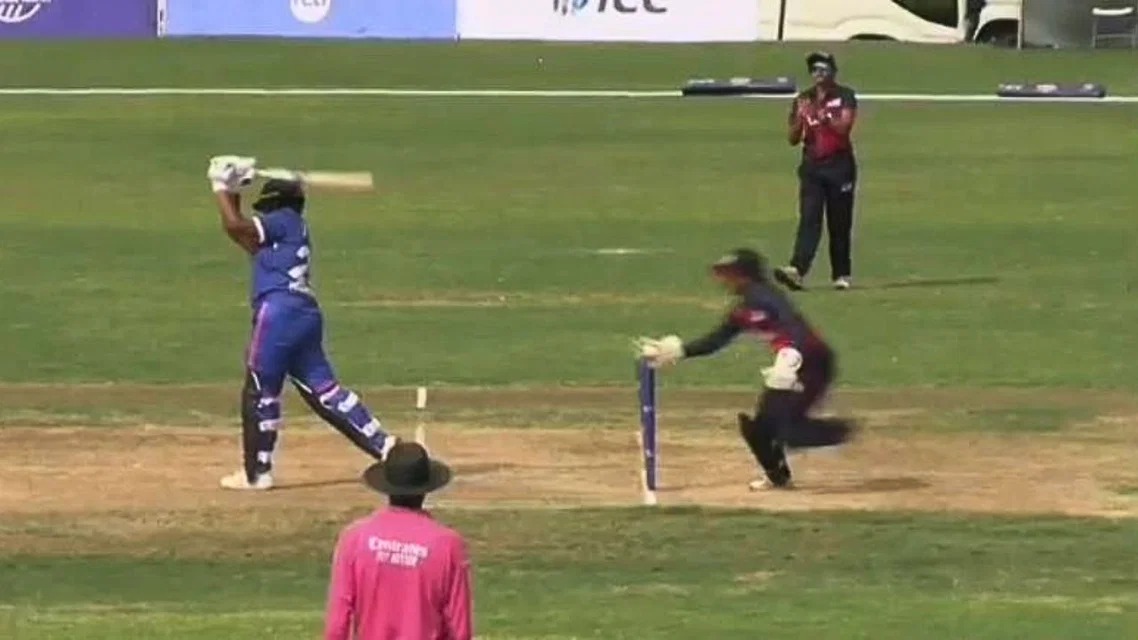
For the separate dismissal requirements, see which dismissals count as a wicket.
When does a No-ball lead to a free hit?
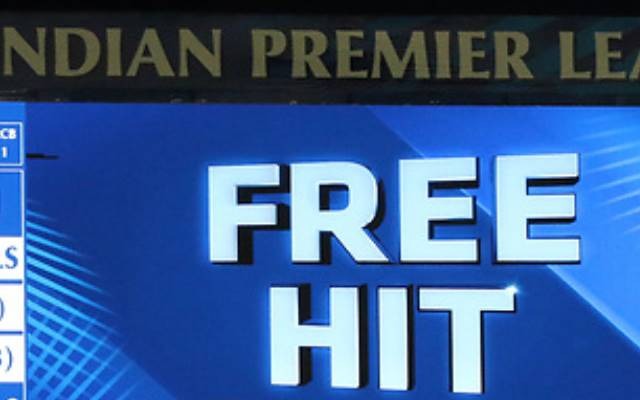
A free hit comes from competition playing conditions. In ICC ODI and T20I cricket, a qualifying no-ball is followed by a free hit. The MCC's general no-ball rule doesn't give an automatic free hit in every form of cricket.
On a free hit, the batting side is protected from the familiar dismissal methods. Run out and some other dismissals remain.
Under clause 21.19.2 of the ICC Men’s T20I Playing Conditions effective July 2025, even a wide bowled during a free hit carries the dismissal restrictions of a no-ball, so the striker cannot be stumped from it.
What happens if the free-hit delivery is also illegal?
Example, in a competition using the ICC free-hit conditions:
- First delivery: The bowler oversteps and the umpire calls no-ball. The next delivery is a free hit.
- Second delivery: The bowler sends down a wide while the free hit is in effect. The wide adds its penalty but isn't a legal delivery.
- Third delivery: The free hit carries over to the next legal delivery.
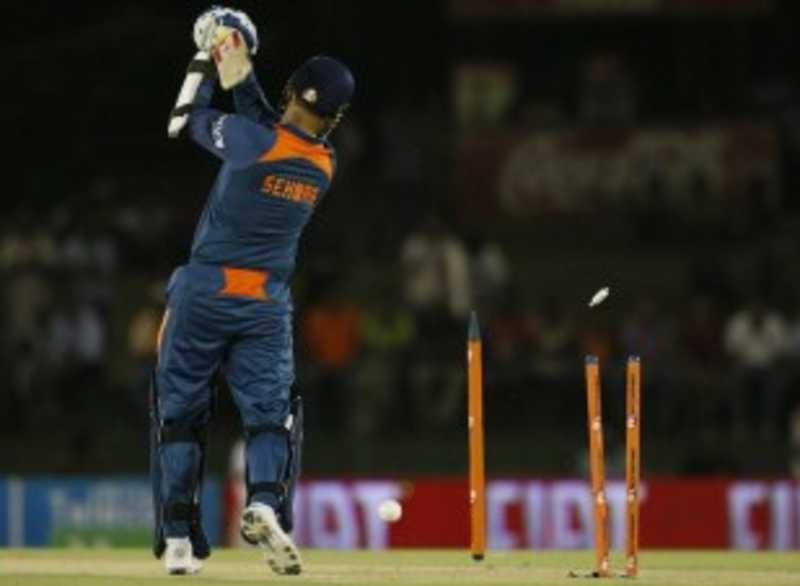
A further no-ball extends the sequence the same way.
For related format rules, see how T20 cricket works.
Why are Wide calls sometimes reviewed?
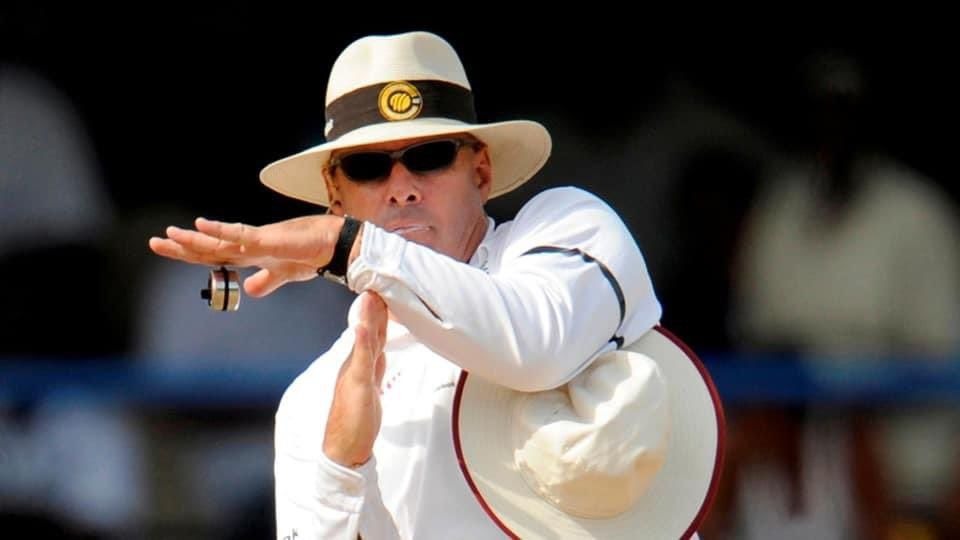
Some competitions allow third-umpire reviews of wide or no-ball calls.
One viewer described frustration with the interruption caused by wide reviews:
Today’s match felt unnecessarily dragged because of all the wide reviews! Every other over there was a stop for checking wides, and it really broke the flow of the game. I get that accuracy is important, but some of these reviews felt excessive for marginal calls. Why can’t the 3rd umpire just quickly cross-check wide decisions in real time, similar to how they monitor no-balls? That system works pretty seamlessly without disrupting the game. Feels like we’re overcomplicating something that could be handled much faster in the background. What you all think is this improving fairness or just slowing the game down?
Which rules apply to your match?
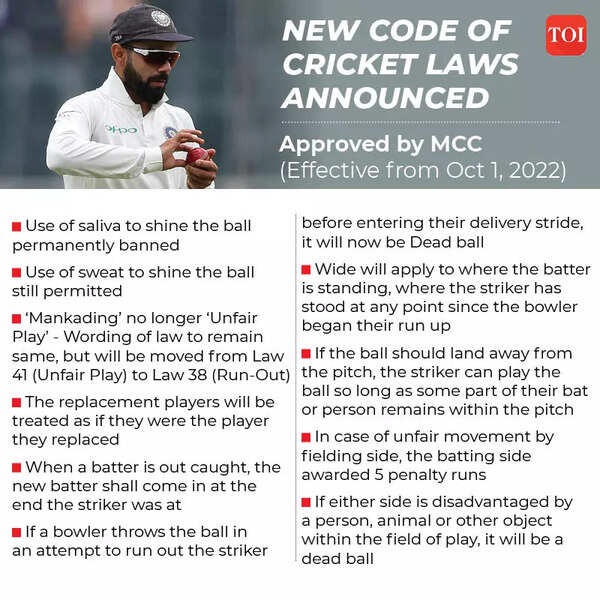
The MCC Laws set the general rules. ICC playing conditions add or modify requirements for international cricket, including particular wide interpretations and free-hit provisions. Local, junior and recreational competitions may adopt their own, and those decide which decisions can be reviewed and whether free hits are used.
The MCC Fourth Edition took effect on October 1, 2026. The ICC's October 2026 changes applied to international series beginning on or after that date, while series already underway could continue under their previous playing conditions.
How to verify the governing rule
For a real match, work through three steps:
- Identify the competition and its documents. Is it a Test, ODI, T20I or a particular domestic or recreational format? Then find the MCC Laws and the organizer's playing conditions that apply.
- Check the edition and effective date against when the series or match began.
- Find the provision and apply it. Use Law 21, Law 22 or the unfair-delivery and competition-specific clauses, then test the delivery's foot placement, pitch, height, striker position and contact against it.
The ICC playing-conditions index lists format-specific documents; the edition and start-date provisions within the document for your match govern it.