An over is six valid balls bowled by one bowler from one end. Wides and no-balls don't count toward the six, so an over can take seven, eight or more attempts. On a scoreboard, 17.3 means 17 completed overs plus three valid balls.
What Is an Over in Cricket?
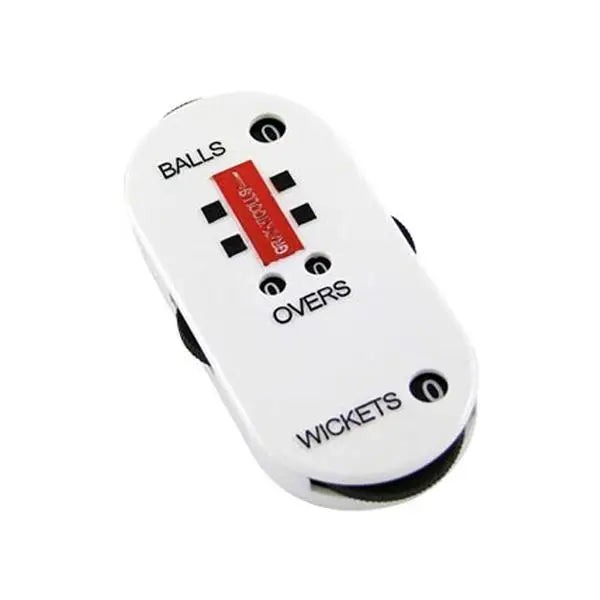
An over is six valid deliveries from one bowler at one end of the pitch. The umpire calls “Over” once the sixth has become dead.
The word valid matters. Some deliveries are bowled and recorded without increasing the six-ball count.
The ICC Men's T20 World Cup 2026 Playing Conditions define the start of an over as the bowler's run-up, or the bowling action when there is no run-up. The first valid ball shows as 0.1. Six completed valid balls make 1.0. Tournament rate calculations can credit more balls than were bowled in an all-out innings, and the NRR calculation walkthrough shows where the difference enters.
Which Balls Count Toward an Over?
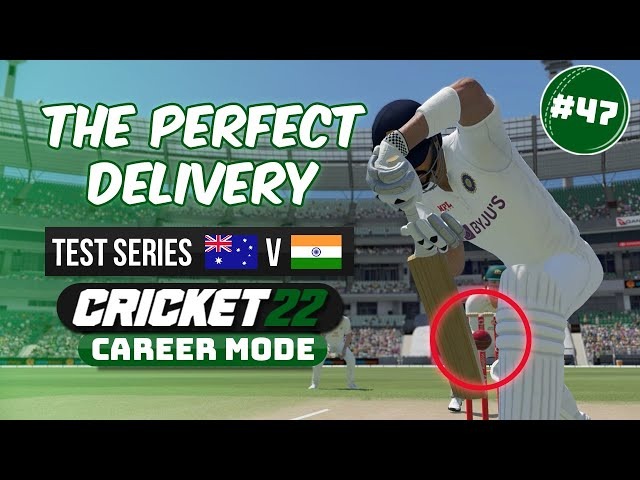
A wide or no-ball leaves the valid-ball count where it was. The bowler has made an attempt, but another valid delivery is needed to finish the over.
Here is a fictional sequence with two such calls. The table tracks the over display after each attempt. Runs are left out.
| Attempt | Delivery | Valid ball? | Over display |
|---|---|---|---|
| 1 | Valid | Yes | 0.1 |
| 2 | Wide | No | 0.1 |
| 3 | Valid | Yes | 0.2 |
| 4 | No-ball | No | 0.2 |
| 5 | Valid | Yes | 0.3 |
| 6 | Valid | Yes | 0.4 |
| 7 | Valid | Yes | 0.5 |
| 8 | Valid | Yes | 1.0 |
The sixth valid ball arrives on attempt eight. The ICC conditions also assign a one-run penalty to a wide or no-ball, and further runs can be scored while the over display stays the same.
Some dead balls are excluded from the count too, such as a ball declared dead before the striker has had a chance to play it. A valid ball that becomes dead before the umpire calls “Over” stays in the count of six.
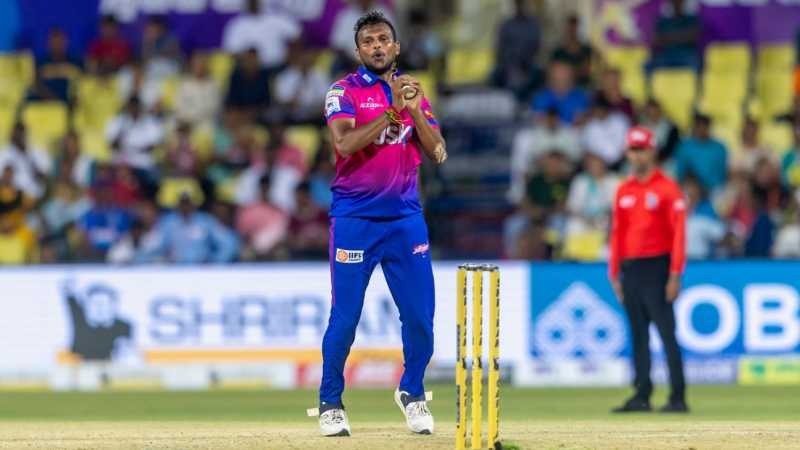
A Test cricket spectator on Reddit wondered why leg-side deliveries aren't always called wide:
I’ve always wondered about this while watching Test matches. Sometimes, the bowler bowls way down the leg side, almost unreachable for the batter, but the umpire doesn’t signal it as a wide. I know in limited overs cricket (ODIs, T20s), the wide rules are stricter, especially down the leg side.
Whether a delivery counts as a wide depends on the playing conditions and the umpire's judgment. The Wide and No-ball comparison sets out what happens when the umpire calls an extra delivery.
How Do You Read 17.3 Overs on a Scoreboard?
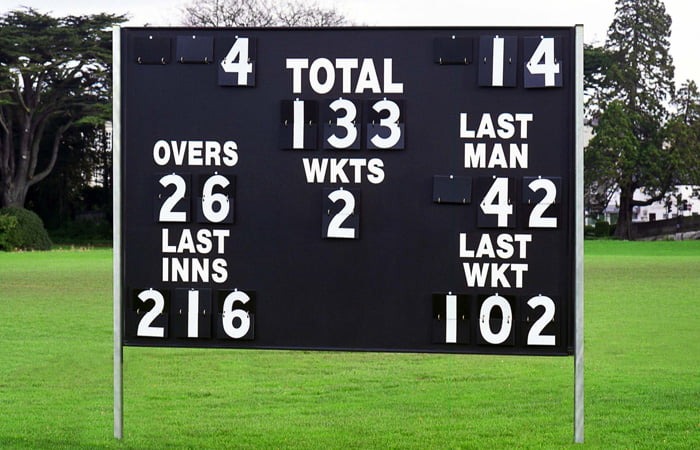
The number before the dot shows completed overs. The digit after it shows the valid deliveries already bowled in the current over. At 17.3, seventeen full overs account for 102 valid balls and the next three take the total to 105.
| Display | Meaning | Valid balls |
|---|---|---|
0.1 | One valid ball in the first over | 1 |
0.5 | Five valid balls in the first over | 5 |
1.0 | One completed over | 6 |
17.3 | 17 complete overs and three valid balls | 105 |
18.0 | 18 complete overs | 108 |
102.4 | 102 complete overs and four valid balls | 616 |
17.6 | Invalid normal six-ball notation | Not applicable |
After 17.5, one more valid ball changes the display to 18.0. The calculation for a displayed count is: completed overs × 6 + valid balls in the unfinished over. The cricket scoreboard walkthrough keeps the valid-ball count separate from runs and wickets, which can change without advancing the over notation.
Does a Wicket End an Over?
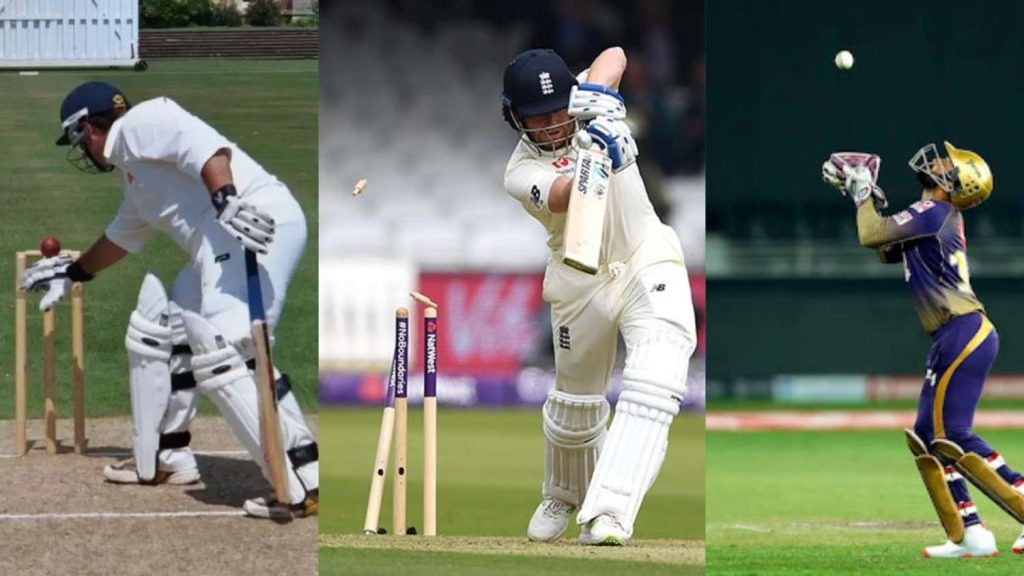
No. A wicket can fall on a valid ball or in circumstances that leave the valid-ball count unchanged, and the over continues if the innings is still open.
Say a batter is caught on the second valid ball of the first over. The display reads 0.2, and four valid deliveries remain if the innings continues.
When the last available wicket falls, the innings can end with part of the over unbowled. A dismissal between deliveries also leaves the ball count unchanged.
Who Bowls the Next Over?
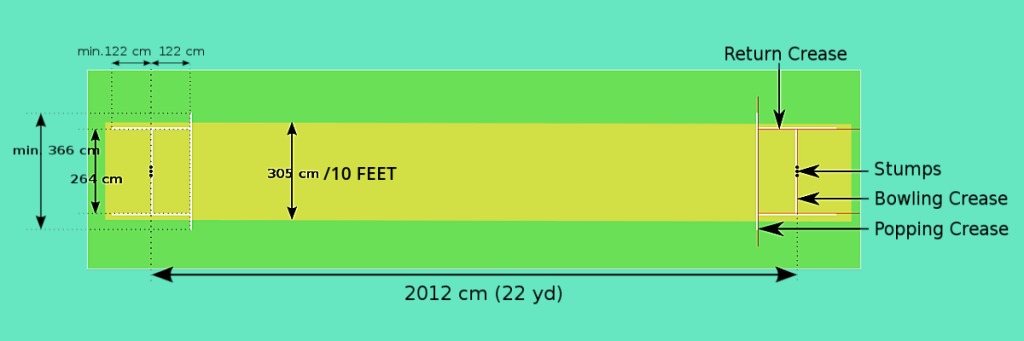
Successive overs are bowled from opposite ends of the pitch. Under the ICC conditions, a bowler cannot bowl consecutive overs or parts of consecutive overs in the same innings.
If Bowler A begins from End A, another bowler delivers the next over from End B.
After an interruption, the unfinished over resumes at its previous valid-ball count.
Can a bowler be replaced halfway through an over?Yes. When a bowler becomes incapacitated or is suspended, another eligible bowler can complete the remaining valid deliveries. The replacement must satisfy the restriction on consecutive overs.
Is an Over Different in T20, ODI, or Test Cricket?
No. An over has six valid balls in T20, one-day internationals (ODIs), and Test cricket. T20 innings run 20 overs and ODI innings 50. Test innings have no fixed over allocation. Weather or competition conditions can reduce scheduled innings limits.
Can an Umpire Miscount an Over?
Yes, but seven deliveries in an over do not always mean a miscount.
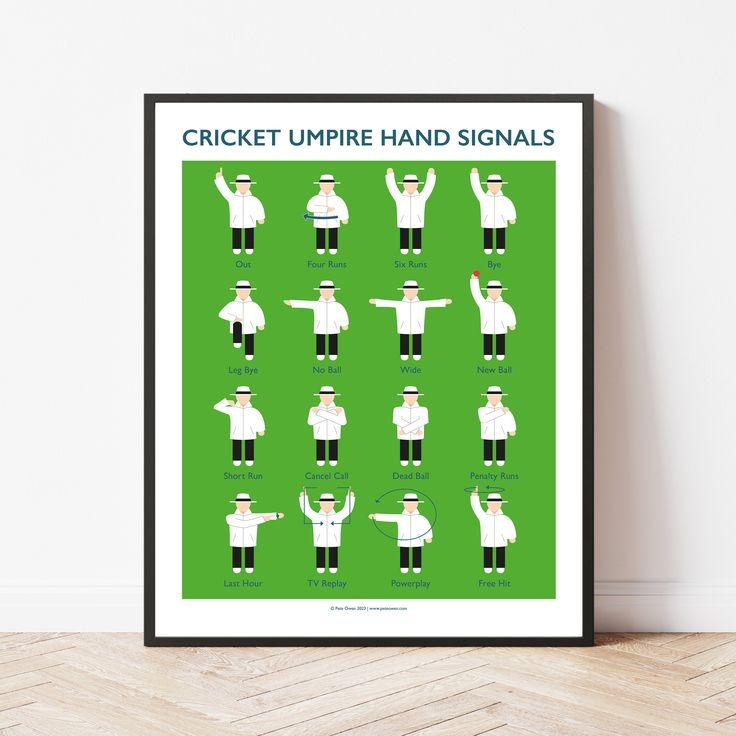
- Seven attempts, six valid balls: One delivery was a wide or no-ball, leaving six valid deliveries to complete the over.
- Seven valid balls: The umpire mistakenly allowed an extra valid delivery. The rule for an official miscount then applies.
Clause 17.5.1 of the ICC Men's T20 World Cup 2026 conditions says an over stands as counted by the umpire. Clause 17.5.2 says that after the umpire mistakenly allows play beyond six valid deliveries, the umpire may call Over when the ball becomes dead after any delivery, including an invalid one.
The MCC's 2026 changes document replaces may with shall in Law 17.5.2. The two texts belong to different versions, so the competition's own rules decide how a miscount is treated.
The MCC's fourth edition of the 2017 Code took effect on October 1, 2026. The ICC also introduced updated playing conditions for international series beginning on or after that date.
The earlier tournament conditions require the third umpire to liaise with the scorers and notify the on-field umpires of a miscount where possible.