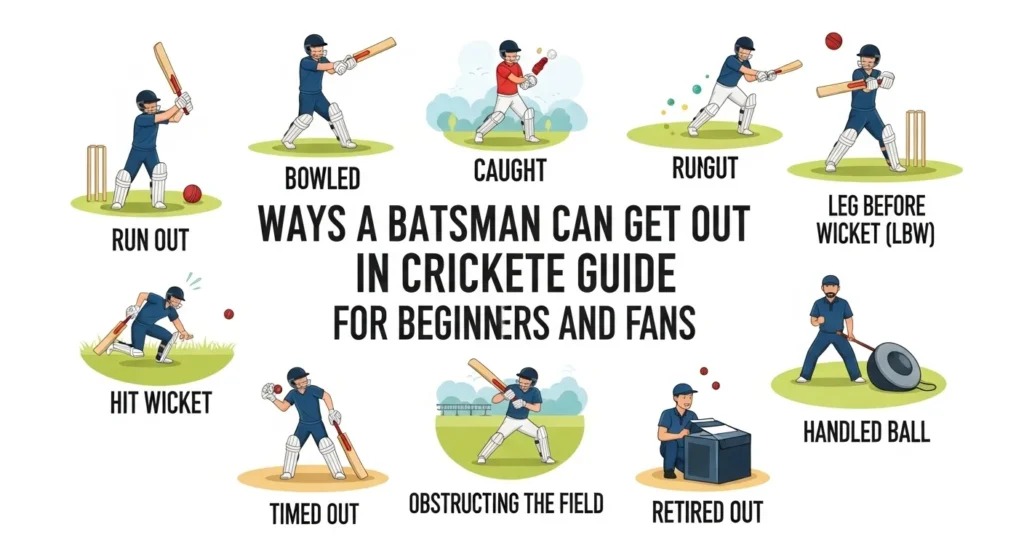
For a new cricket viewer, a wicket means the stumps and bails, a batter's dismissal, or sometimes the pitch. A score of 162/4 means 162 runs and four wickets lost. Five common ways to get out are bowled, caught, LBW, run out and stumped. Check for a no-ball, wide or dead ball first, then match what happened to the dismissal.
What does “wicket” mean in cricket?
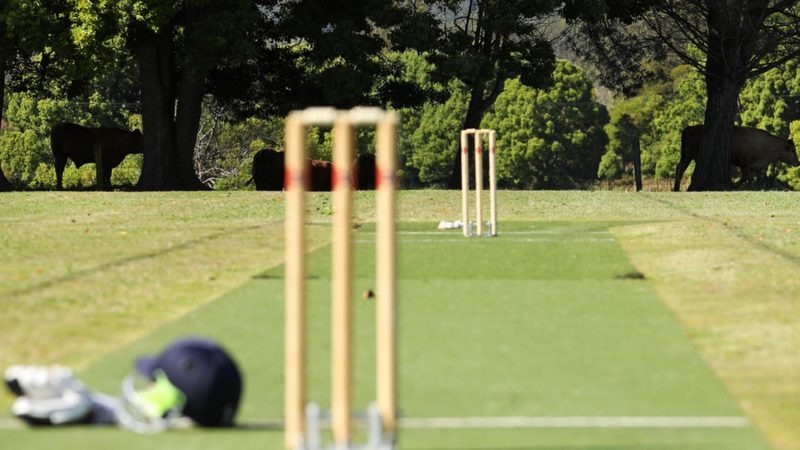
A wicket has three meanings in cricket: the physical target a bowler attacks, the dismissal of a batter, and an informal name for the playing surface. The surrounding words tell you which one is meant.
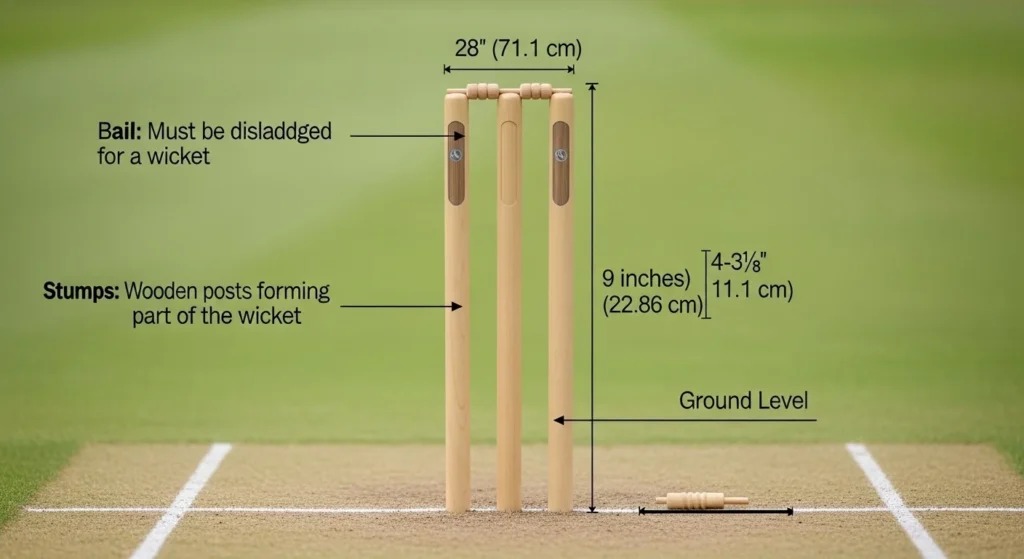
At each end of the pitch stands a wicket made of three stumps topped by two bails. A delivery that strikes it knocks off a bail. But when a commentator says a team has “lost a wicket,” the subject is a batter being dismissed. A batter can be caught or given out LBW without the stumps being touched.
| What you hear | Meaning | Example |
|---|---|---|
| “The ball hit the wicket.” | Stumps and bails | A delivery knocks off a bail. |
| “They're four wickets down.” | Dismissals | The score reads 162/4. |
| “It's a slow wicket.” | Pitch surface, informally | The surface influences the way the ball behaves. |
You'll also hear commentators describe a “turning wicket.” They're talking about the character of the pitch, particularly how the ball behaves after bouncing.
The five common ways a batter gets out
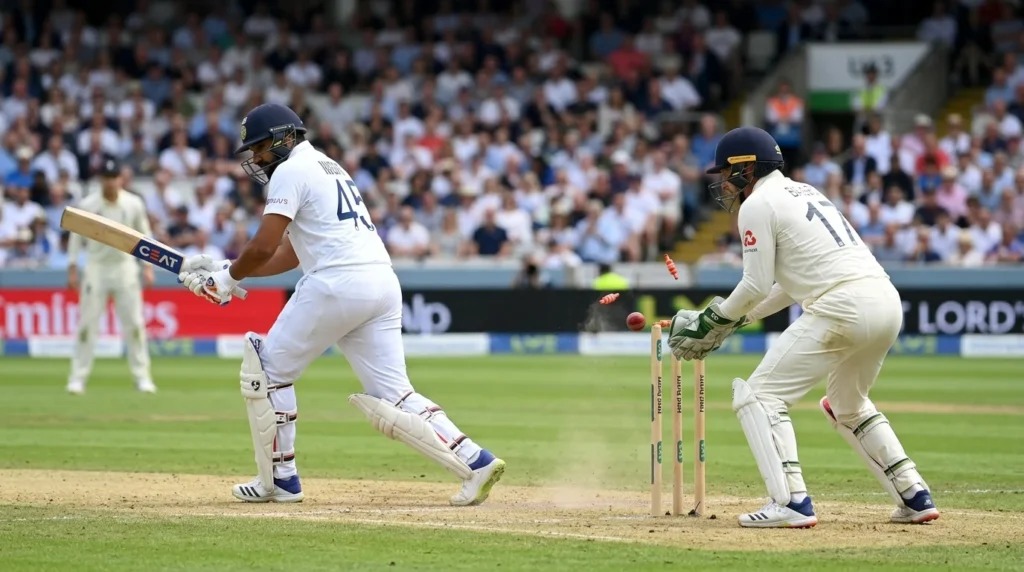
Five common cricket dismissals are bowled, caught, LBW, run out and stumped. Each has a recognizable event and a legal condition that must be met. The MCC Laws of Cricket, 2026 edition set out the requirements in Laws 32, 33, 36, 38 and 39.
| Dismissal | What happens | What decides it | Fairly broken wicket needed? | Bowler credited? |
|---|---|---|---|---|
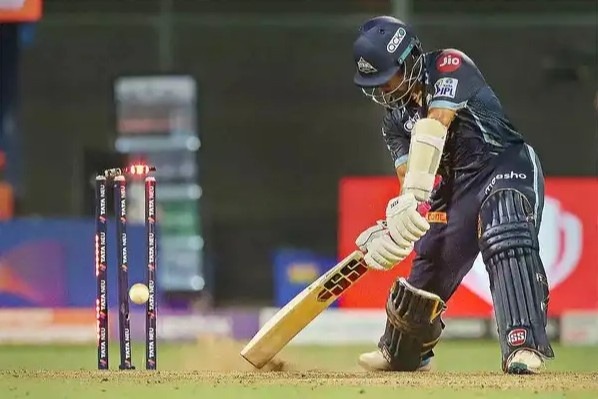
| Bowled | The delivered ball puts down the striker's wicket. | The break must be fair under Law 32. | Yes | Yes |
| Caught | A fielder catches a ball after it touches the striker's bat or hand holding the bat. | The catch is completed fairly before the ball touches the ground. | No | Yes |
| LBW | The delivered ball strikes the batter's person. | The ball has not previously touched the bat, and Law 36's pitching, impact and projected-path checks are all met. | No | Yes |
| Run out | A batter is out of ground when the relevant wicket is put down. | The ball is live and Law 38's rules, including a fair break, apply. | Yes | No |
| Stumped | The wicketkeeper puts down the striker's wicket with the striker out of ground. | The striker has not attempted a run and the other requirements of Law 39 apply. | Yes | Yes |
The ball can touch the striker's bat before it dislodges a bail, and the batter is still bowled.
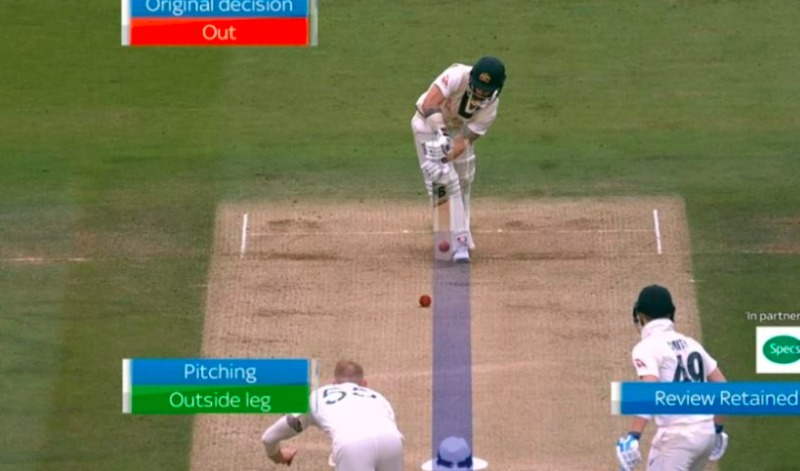
LBW is harder to spot from a single moment of play. Contact with the pad prompts the question, but the umpire also weighs the ball's path and the other conditions in Law 36. For the full test, see how the LBW decision works.
Run out and stumped can look almost identical on television. The crease section below shows how to tell them apart.
What does a wicket count mean on the scoreboard?
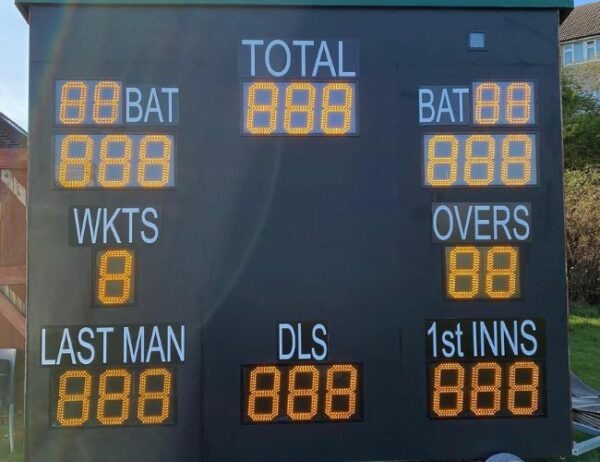
In a score such as 162/4, the batting side has made 162 runs and lost four wickets. In ordinary eleven-player cricket, an innings is all out after ten dismissals, although it can end earlier for other reasons, including reaching its allotted overs. Each dismissal appears in an individual batter's row on the scorecard. To match it with the team's wickets and the bowling figures, use the complete scorecard guide.
The team total and a bowler's personal wickets can differ.
Fictional scorecard: 162/4
Bowler A takes a Bowled and a Caught dismissal: 2 bowler-credited wickets.
Bowler B takes a Stumped dismissal: 1 bowler-credited wicket.
A fourth batter is Run out: 1 additional team wicket, no bowler credit.
Team wickets lost: 4. Combined wickets credited to those bowlers: 3.
Run out or stumped? The crease and the attempted run
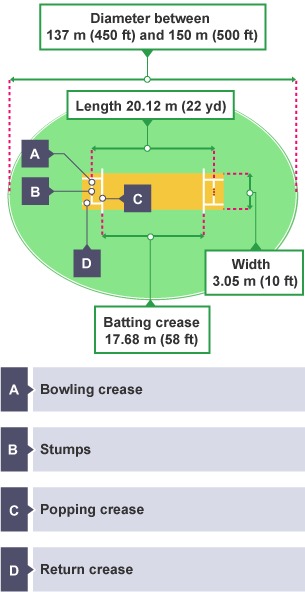
Both run out and stumped involve a batter out of ground when the wicket is fairly put down. To tell them apart, ask whether the striker attempted a run, whose wicket was broken, and whether the wicketkeeper made the dismissal.
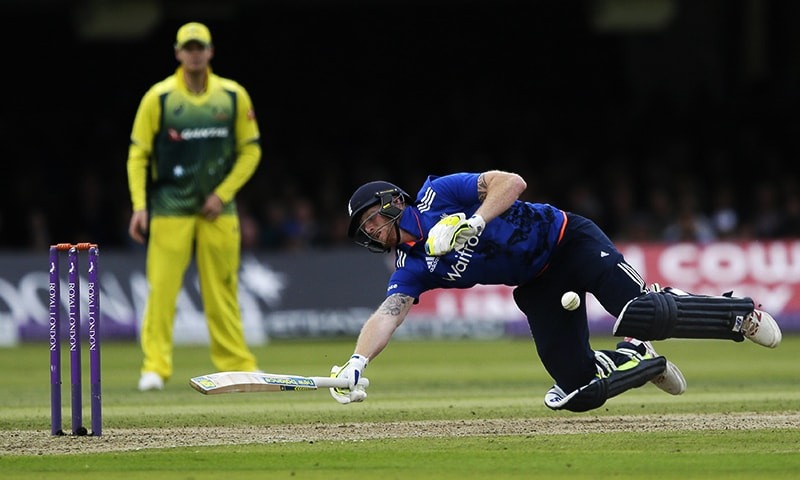
The popping crease marks the boundary for making ground. Under MCC Law 30.1.1, a batter makes ground by having part of the bat or person grounded behind it. Once ground is made while running or diving, Law 30.1.2 protects the batter if contact is lost as the movement continues, so a bat momentarily in the air can still count. A bat still travelling toward the crease for the first time hasn't made that ground yet.
- Possible stumping. The striker misses the ball and steps forward, having made no attempt to run. The wicketkeeper gathers the ball and fairly puts down the striker's wicket while the striker is out of ground. The delivery and the other conditions of Law 39 must permit a stumping.
- Possible run out. A batter sets off for a run. Before that batter makes ground, a fielder fairly puts down the appropriate wicket while the ball is live. Law 38 sets the conditions for a run out.
A run out can involve either batter at either end. Which batter is out depends on the ground assigned to the end whose wicket is fairly broken, under Laws 30.2 and 38.4. An attempted run is a useful clue, but a batter can also be run out when no run is being attempted.
An Australian community umpire gave this batter out, and he wasn't happy:
I do community cricket umpiring here in Australia. Yesterday, a batter hit it towards fine leg and run for a single. It intially looked like that the striker took a start for double run but they didn't complete as the batter on other end was late to complete even first run. So striker was stranded on bowlers end and just started to move towards keeper end to discuss with his partner. In the mean time, keeper threw the ball to bowler and he knocked the bails and appealed. Within the laws of cricket, I had to give batter out as he was outside the crease and ball still was in play. I made this decision as batter left crease for discussion as soon as keeper collected the ball from out fielder and he didn't wait for even 2-3 seconds. The batter was unhappy for obvious reasons.
The dispute was partly about sporting conduct. As a rules question, it turns on whether the ball was live, whose ground was involved, and whether the wicket was fairly broken after a valid appeal.
When is a wicket fairly broken?
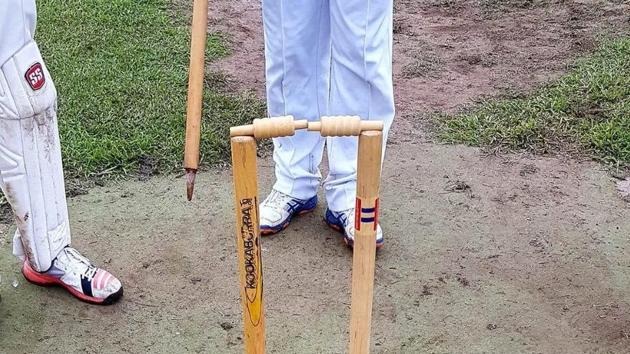
A wicket is fairly broken when the conditions of MCC Law 29 are met. This involves completely removing a bail from the top of the stumps or removing a stump as the Law describes.
The instant of the fair break matters for run out and stumped. A batter has not yet grounded any part of the bat or person behind the popping crease. If the wicket is fairly broken before the bat or body is grounded, the batter is out of ground at that moment. If ground was already made during a qualifying run or dive, the continued-movement protection in Law 30.1.2 also needs checking.
The way a wicket is broken matters too. In its October 8, 2026 run-out clarification, MCC explained that a fielder who breaks the wicket using a hand or arm must be holding and controlling the ball as the Law requires.
A ball that itself strikes the stumps and dislodges a bail is a direct break.

Say one ball hits the stumps and knocks off a bail, while in another the ball slips from a fielder's hand as he reaches for the wicket. The second depends on whether he was holding and controlling the ball.
Law 29 also covers wickets played without bails.
A fan who grew up on 90s cricket asks why so many run outs go to the third umpire:
Growing up in the 90's, I remember umpires being able to call the third umpire but making the obvious decisions on-field. Usually when there was a referral, the bat was a couple of inches from the crease and you needed camera tech for a photo finish. These days, every run out seems referred unless the batsman is in the centre of the pitch. Why? What has changed for umpires?
A replay can examine when the wicket was fairly broken and where the batter's ground stood at that moment.
Does a No ball, Wide or Dead ball change the dismissal?
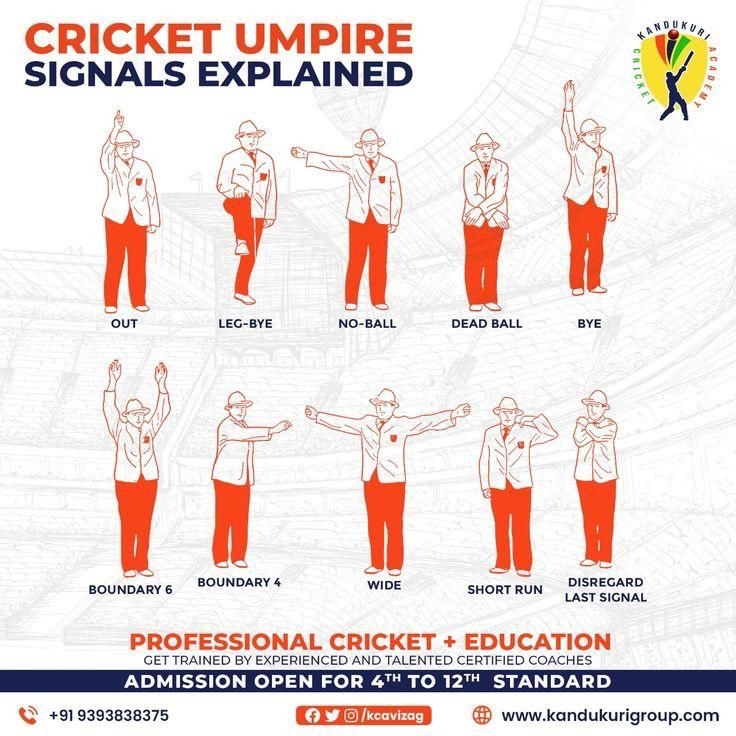
Yes. The umpire's delivery signal changes which dismissals are legally possible. A no-ball and a wide leave different categories available, and the underlying dismissal Law must still be met.
| Delivery status | Dismissals allowed under the MCC provision | Important condition |
|---|---|---|
| No ball | Hit the ball twice; Obstructing the field; Run out | Law 21.17 excludes Bowled, Caught, LBW and Stumped. |
| Wide | Hit wicket; Obstructing the field; Run out; Stumped | Law 22.9 permits these modes under their separate conditions. |
A yorker hits middle stump and a bail falls off, but the umpire has called no-ball. The batter stays in. A run out remains possible on a no-ball when its own requirements are met.
On a wide, the striker may end up out of ground after missing the ball. If the wicketkeeper fairly puts down the wicket and the striker hasn't attempted a run, stumping is still possible under Law 39.
MCC Law 20 governs when the ball becomes dead, which ends the live-ball phase an ordinary run out needs. A brief pause between the players' movements doesn't make the ball dead.
For the full comparison, see how Wide and No ball differ.
Less common dismissals and misleading old lists
The MCC's 2026 Code has nine named dismissal Laws, numbered 32 through 40. That includes the five common methods and four less familiar ones. Law 25.4 covers retirement separately.
| Method or status | Law | Decisive distinction |
|---|---|---|
| Hit wicket | 35 | The striker puts down their own wicket in circumstances covered by the Law. |
| Hit the ball twice | 34 | A deliberate second strike can lead to dismissal; defending the wicket has a specific exception. |
| Obstructing the field | 37 | Wilful obstruction or distraction is central to the dismissal. |
| Timed out | 40 | The incoming batter fails to satisfy the applicable readiness time. |
| Retired out / Retired not out | 25.4 | The circumstances of leaving the innings determine the recorded status. |
Hit the ball twice is easy to misunderstand. Law 34 allows a batter, within its conditions, to strike the ball a second time solely to defend the wicket. A deliberate second hit used to pursue runs raises a different dismissal question.
Intent matters in obstruction too. A spectator asked about a bat flying from a batter's hand near a wicketkeeper:
bat flies and hits the keeper who is trying to affect stumping or take a catch? In today’s match, when Pant got stumped, the bat flew out of his hand and almost hit KL Rahul who was doing the stumping. The bat could have easily hit him harder, making him lose control of the ball and not execute the stumping. I think it would have been obstructing the field, although it was not intentional.
Under Law 37, accidental obstruction doesn't automatically become an Obstructing the field dismissal. Whether the bat flew accidentally or the batter interfered wilfully decides which rule applies.
Older explanations add confusion. The ICC's 2017 educational material lists Handled the ball separately, but the 2026 MCC Code no longer contains a separately numbered Handled the ball dismissal Law. Obstructing the field covers that conduct.
For the ICC Men's T20 World Cup 2026, the competition playing conditions gave the incoming batter 90 seconds. MCC Law 40's general Timed out period is three minutes.
How to check a disputed wicket decision
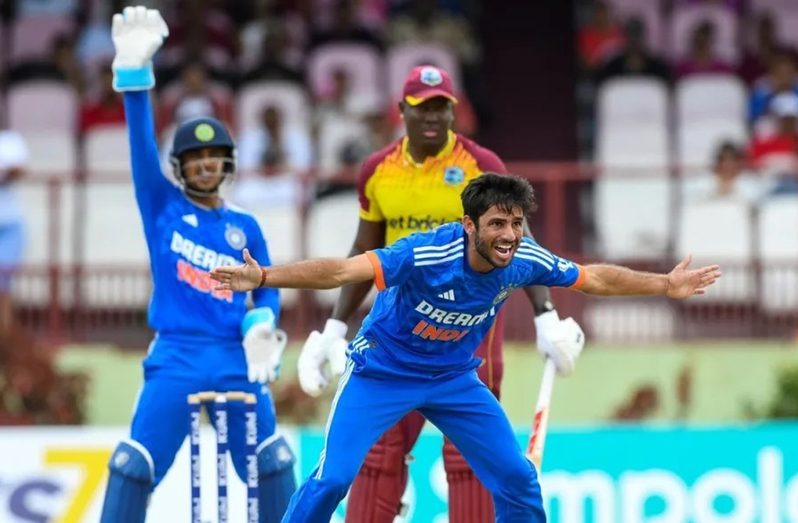
MCC Law 31 governs the appeal, but a falling wicket doesn't tell you how the batter was dismissed. Work through four steps:
- Check the delivery signal: no-ball or wide.
- Check whether the ball was live or dead.
- Note what happened (bat, pad, ground, wicketkeeper) and the umpire's decision.
- Match that to the Law, using the MCC edition and the playing conditions of the match.
For how the dismissal changes the team total and wickets column during the innings, see the full cricket scoreboard guide.