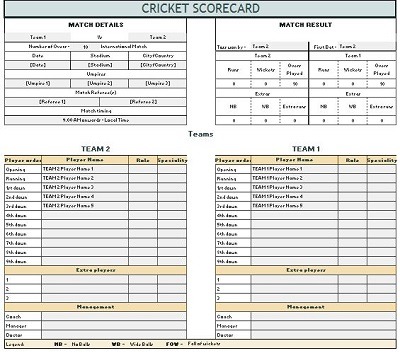
Read a scorecard in order: innings, batting rows, bowling figures, extras, then fall of wickets and the result. For a finished innings, the batters' runs plus extras equal the team total. The Pakistan innings below lets you check that sum.
Find the match, innings, and team score first

The match heading gives you the teams and format. The innings heading tells you whose batting is being recorded.
In the ICC scorecard for the Pakistan versus India men's T20I final on October 3, 2026, India made 211/6 in 20.0 overs. Pakistan replied with 192/6 in 20.0 overs. India won by 19 runs.
The ICC's Pakistan line, 192/6 (20.0), reports 192 team runs, six wickets lost and 20 completed overs. Those 20 overs contain 120 legal deliveries. The batting table below it belongs to Pakistan, while the matching bowling table records India's bowlers.
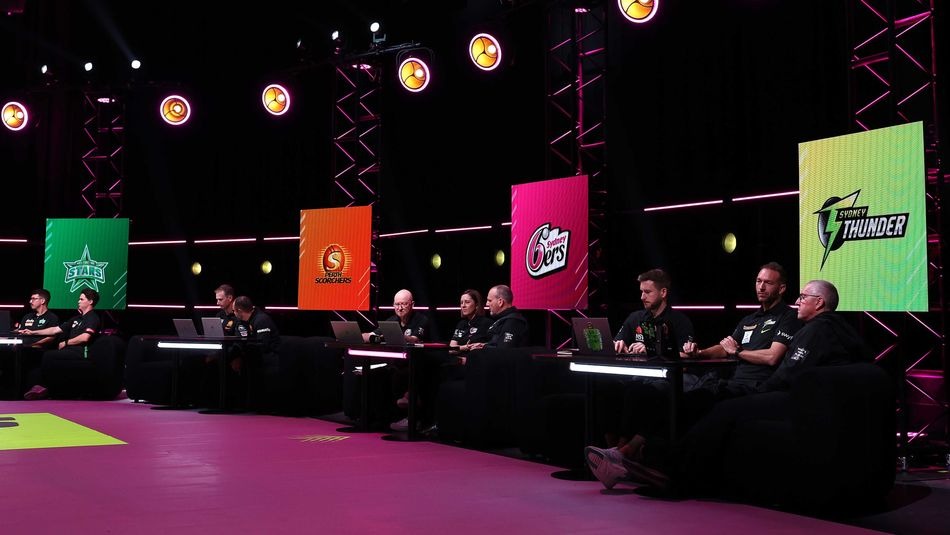
Score order varies by provider. The Cricket Australia match center shows the same Pakistan innings as 6-192, wickets before runs, and India as 6-211. Check each site's layout before you read the numbers.
Read a batting row: runs, balls, boundaries, and strike rate
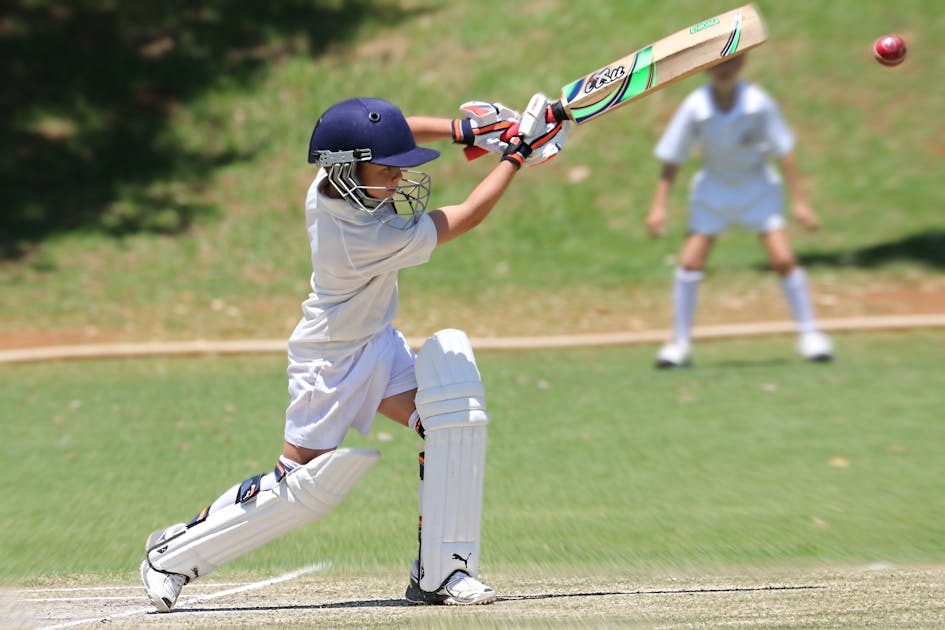
Each batting row belongs to one batter, and five common columns describe that innings. If a dismissal entry looks unfamiliar, the wicket and dismissal guide separates the wicket from the batting score and the way the batter was out.
| Column | Meaning | Reading |
|---|---|---|
| R | Runs | Runs scored by this batter |
| B | Balls | Deliveries the batter faced |
| 4s | Fours | Boundaries worth four runs |
| 6s | Sixes | Boundaries worth six runs |
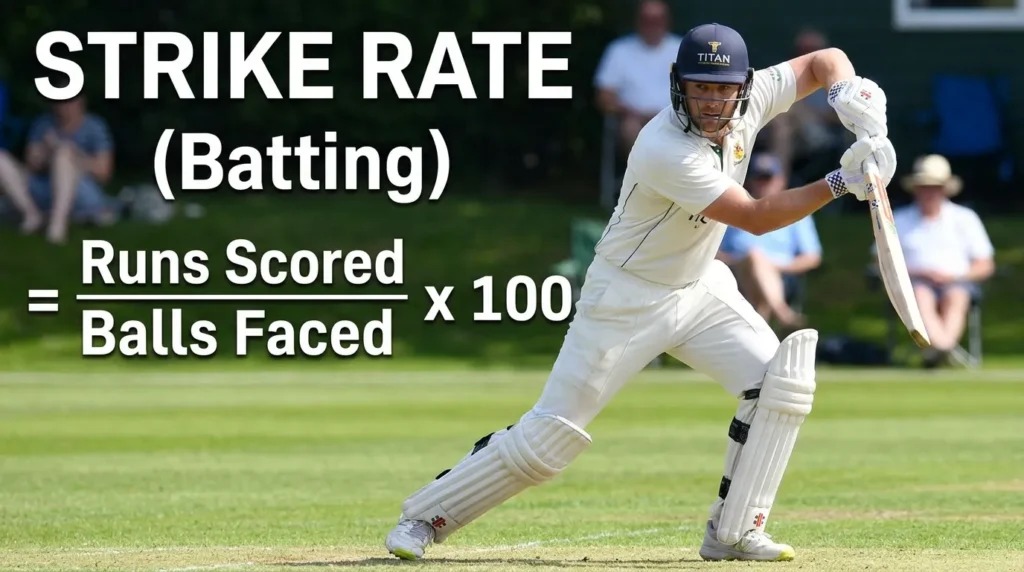
| SR | Strike rate | Runs scored per 100 balls faced |
Pakistan's Hasan Nawaz scored 96 from 51 balls, including five fours and seven sixes. His strike rate works out as 96 ÷ 51 × 100 ≈ 188.235294. ICC displays 188.23, while Cricket Australia displays 188.24.
In that October 3 final, Nawaz's five fours produced 20 runs and his seven sixes produced 42. Those 12 boundaries gave him 62 of his 96 runs. The batting strike-rate guide covers the calculation of runs per 100 balls and the effect of innings, format and batting role.
A dismissal or not out label beside a batter's name tells you how that innings ended. It sits apart from the numerical columns. The bowling table also has an R column, but there it counts runs charged to the bowler.
Decode dismissals, not-outs, initials, and player symbols
Initials before a surname usually stand for first names. The symbol (c) marks the captain and (wk) the wicketkeeper.
A new viewer watching a New Zealand versus West Indies Test asked about the notation:
I’ve got a basic understanding of the rules and how the game progresses from start to finish. Now working on understanding everything on the score boards. It’s for a test match between New Zealand and West Indies. Day 4. On the image, please help me understand the circled items. Red circles - what are the small letters next to the bowlers and batsman’s names? Yellow circle - what’s the asterisk for? I’m thinking because the game is still going so it’s denoting they aren’t finished yet? Thanks! What a strange sport. Loving learning about it.
Position matters. In a dismissal entry, c Fielder b Bowler means the named fielder caught the ball and the dismissal is credited to the named bowler. That c stands for a catch, while (c) beside a player's name marks the captain.
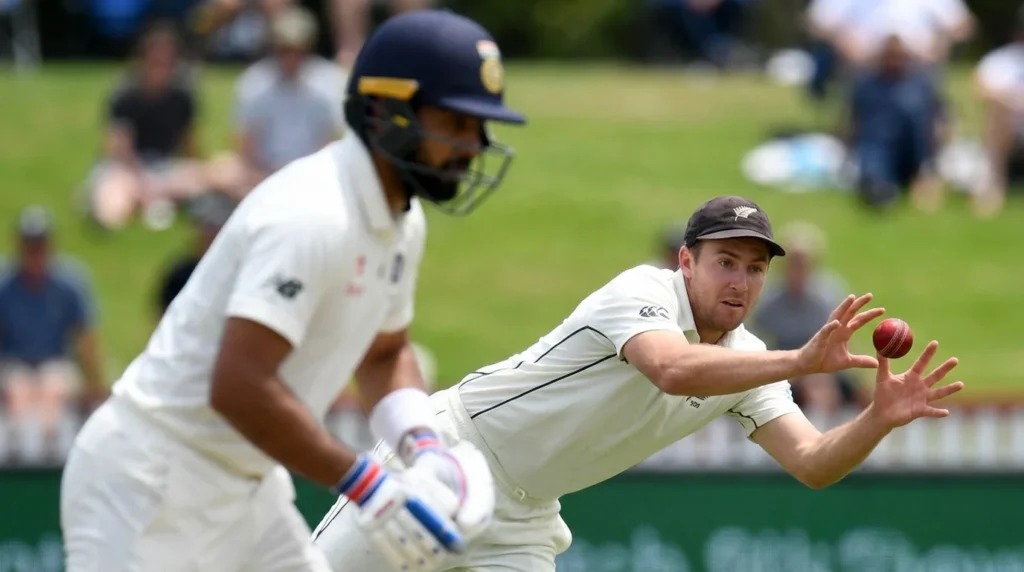
- b Bowler: The batter was bowled by the named player.
- lbw: Leg before wicket.
- run out: A dismissal that does not add a wicket to a bowler's personal tally.
- not out: The batter's innings ended without a dismissal.
- DNB: Did not bat; no batting innings was recorded for that player.
- *: Usually marks a batter who is not out or currently batting.
A run-out is one reason a team's wickets lost can differ from the bowlers' wickets added together.
Read bowling figures and count overs correctly
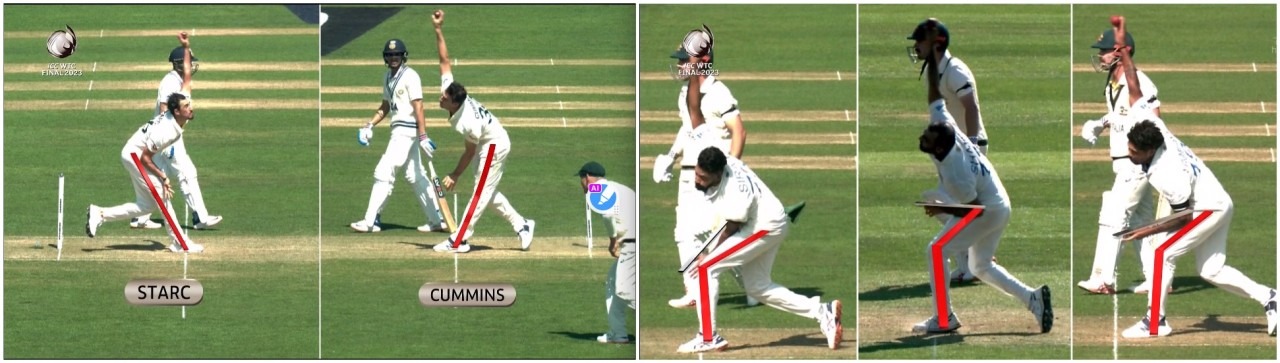
The bowling table covers the fielding side. In Pakistan's innings, these rows belong to Indian bowlers.
| Column | Meaning | How to read it |
|---|---|---|
| O | Overs | Legal deliveries shown as complete overs and remaining balls |
| M | Maidens | Overs with no runs charged to that bowler |
| R | Runs | Runs charged against the bowler |
| W | Wickets | Dismissals credited to the bowler |
| Econ | Economy | Runs conceded per six legal balls |
An overs figure looks decimal but counts legal balls after the dot. 3.4 overs is three completed overs plus four legal balls: 3 × 6 + 4 = 22 legal deliveries. For economy, 22 deliveries equal 22 ÷ 6 six-ball overs.
India’s Jasprit Bumrah bowled 4 overs with 0 maidens, conceded 33 runs and took no wickets in Pakistan’s innings. His economy rate was 33 ÷ 4 = 8.25 runs per over.
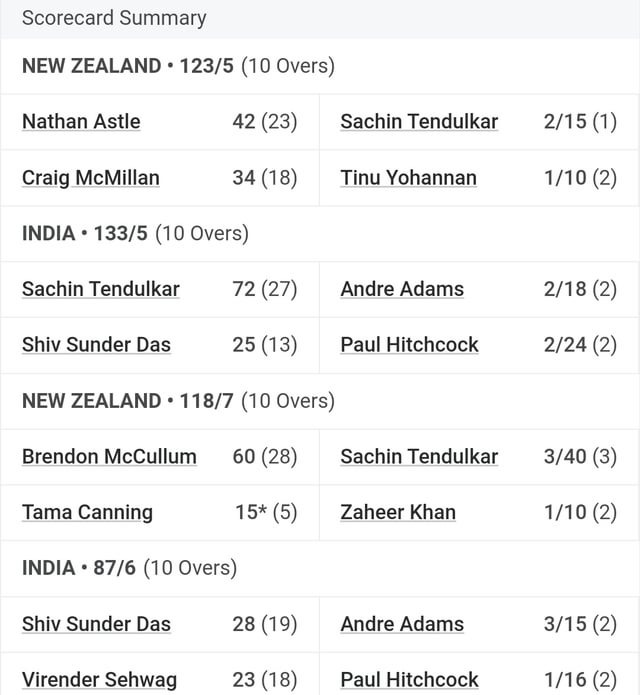
Wides and no-balls are not legal deliveries, so an over that contains one takes more than six balls. The MCC Laws of Cricket govern this, along with each competition's playing conditions.
In this ICC example, the six Indian bowlers' wicket entries are 0, 2, 2, 0, 0 and 2. They total six, the same number of wickets Pakistan lost.
Add extras and reconcile the innings total
A team's total is its batters' runs plus extras. Pakistan's seven batter figures in the ICC innings are 10, 23, 3, 96, 29, 9 and 12. They add up to 182, which leaves 10 runs to explain.
| Entry | Runs | Where they count |
|---|---|---|
| Batters combined | 182 | Individual batting runs and team total |
| No-ball extras | 2 | Team total and bowler-conceded runs in this innings |
| Wides | 7 | Team total and bowler-conceded runs in this innings |
| Byes | 1 | Team total, excluded from bowler-conceded runs |
| Leg-byes | 0 | None recorded in this innings |
| Penalties | 0 | None recorded in this innings |
182 + 2 + 7 + 1 = 192. That matches Pakistan's recorded innings total.
The bowling figures give a second check. India's six bowlers conceded 33 + 29 + 29 + 44 + 23 + 33 = 191 runs. The single bye goes to Pakistan's total without being charged to a bowler, so 191 + 1 = 192.
Use fall of wickets to see when the innings changed

FOW stands for fall of wickets. It records the team score as each wicket falls. Pakistan's first FOW entry in the ICC innings is 33/1 at 3.4 overs: 33 team runs, one wicket lost and 22 legal deliveries completed. Pakistan was then 39/3 at 6.1 overs and 126/4 at 14.1, an 87-run fourth-wicket stand.
Read the result and know when a Test scorecard is different
For a completed limited-overs match, the result line gives the winner and the margin. India made 211 and Pakistan 192 in the T20I example, so India won by 19 runs. When the chasing team reaches its target, the result is given as a win by wickets remaining.
A Test scorecard can show several innings for the same team. An innings may finish all out, end in a declaration, or remain unfinished. A declaration means the batting side closed its innings before all ten wickets fell.
The ICC South Africa versus Australia Test scorecard shows Australia's second innings as 314/6 declared: the runs, six wickets lost, and the declaration. That match is separate from the New Zealand versus West Indies Test discussed earlier.

A commenter on the New Zealand versus West Indies thread explained how that display separates completed and declared innings:
I know you didn't circle it, but just in case. The first innings for each team had all ten wickets taken so the score is listed by itself. The second innings for New Zealand was 'declared' which means they chose to stop batting. The 8 is the number of wickets that fell and the d means they declared. The in progress innings lists the current number of wickets that have fallen with the runs.
Check a scorecard yourself in one minute
- Orient: Find the batting team, format, innings status, runs, wickets and overs.
- Decode: Read one batter's R, B and SR, then one bowler's O, R, W and Econ.
- Reconcile: Add the batting runs and extras, then compare the sum with the team total.
- Cross-check: Add the bowlers' conceded runs, plus byes and leg-byes, and compare with the innings total.
- Finish: Read the FOW sequence and the official result line.