Economy rate is the number of runs a bowler concedes per six legal balls. Multiply the runs by six, then divide by the legal balls bowled. Lower means tighter, as long as you compare the same format, phase and a similar number of balls. With zero legal balls the rate is undefined.
A scorecard might show a bowler on 3.4-0-31-2 with an economy rate of 8.45. The sections below show how that figure is built and how to check it.
What Is Bowling Economy Rate in Cricket?

Economy rate, often marked ECON, is the average number of runs a bowler concedes per six legal balls. Its formula is:
Economy rate = runs conceded × 6 ÷ legal balls bowled
For a completed spell of whole overs, dividing the bowler's runs by those overs gives the same answer. Take the made-up figures 4-0-28-2:
| Scorecard field | Value | Meaning |
|---|---|---|
| O | 4.0 | Four completed overs |
| M | 0 | No maiden overs |
| R | 28 | Runs conceded by this bowler |
| W | 2 | Wickets taken by this bowler |
| ECON | 7.00 | Runs conceded per over |
Four overs contain 24 legal balls, so 28 × 6 ÷ 24 = 7.00. The two wickets sit on the same line but play no part in ECON, which comes from 28 runs and 24 legal balls.
How to Calculate Economy Rate When the Over Is Incomplete
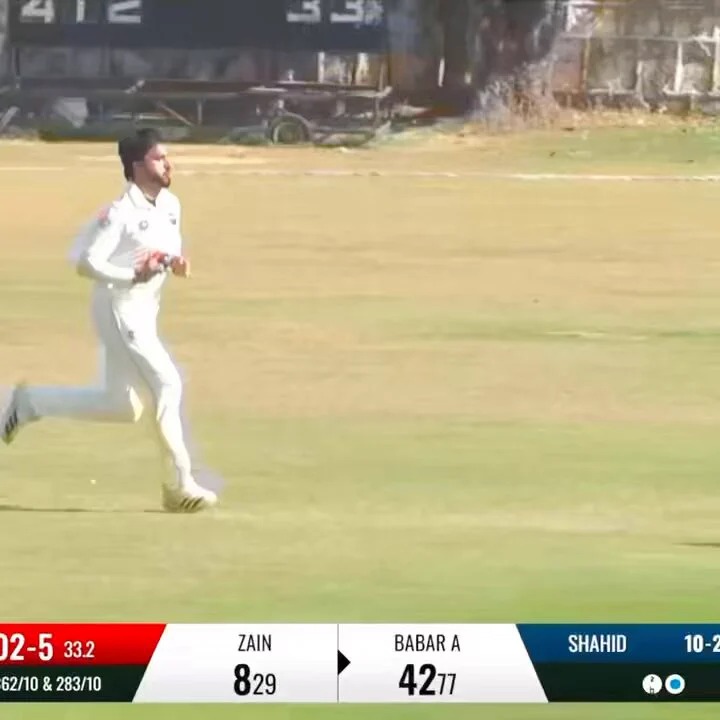
Cricket writes an unfinished over as completed overs followed by the number of legal balls bowled in the next over. The .4 in 3.4 means four legal balls, not four decimal tenths. Tournament standings pool innings totals with the same notation, but the net run rate guide works from credited overs rather than one bowler's figures.
Three completed overs account for 18 legal balls. Four more make 22. For a spell conceding 31 runs:
Legal balls = 3 × 6 + 4 = 22
Economy = 31 × 6 ÷ 22 = 8.4545...
Rounded to two decimal places, the economy rate is 8.45.

To convert any ordinary six-ball-over entry:
- Take the whole overs. Multiply the number before the dot by six.
- Add the remaining legal balls. The digit after the dot is 0 to 5.
- Work out the rate. Divide six times the bowler's runs by the ball total.
For example, 2.5 is 17 legal balls. One more legal delivery makes it 3.0, or 18 balls. In standard cricket 0.6 rolls over to 1.0. A Wide or No-ball requires an extra delivery before the over is complete.
Which Runs Count Against the Bowler?
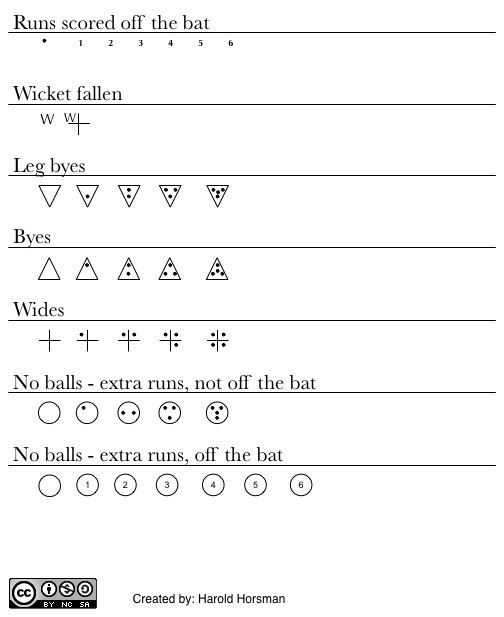
The economy calculation uses the bowler's R column. The team's innings total can include byes and leg byes, which don't add to that bowler's runs conceded. For how individual figures differ from extras in the team total, see the complete scorecard guide.
The MCC Laws of Cricket set this out: Law 18.10.3 covers the runs charged to a bowler, and Law 17.3 covers which deliveries count toward an over.
| Scoring event | Bowler charged? | Counts as a legal ball? |
|---|---|---|
| Runs off the bat on a legal delivery | Yes | Yes |
| Runs off the bat on a No-ball | Yes | No |
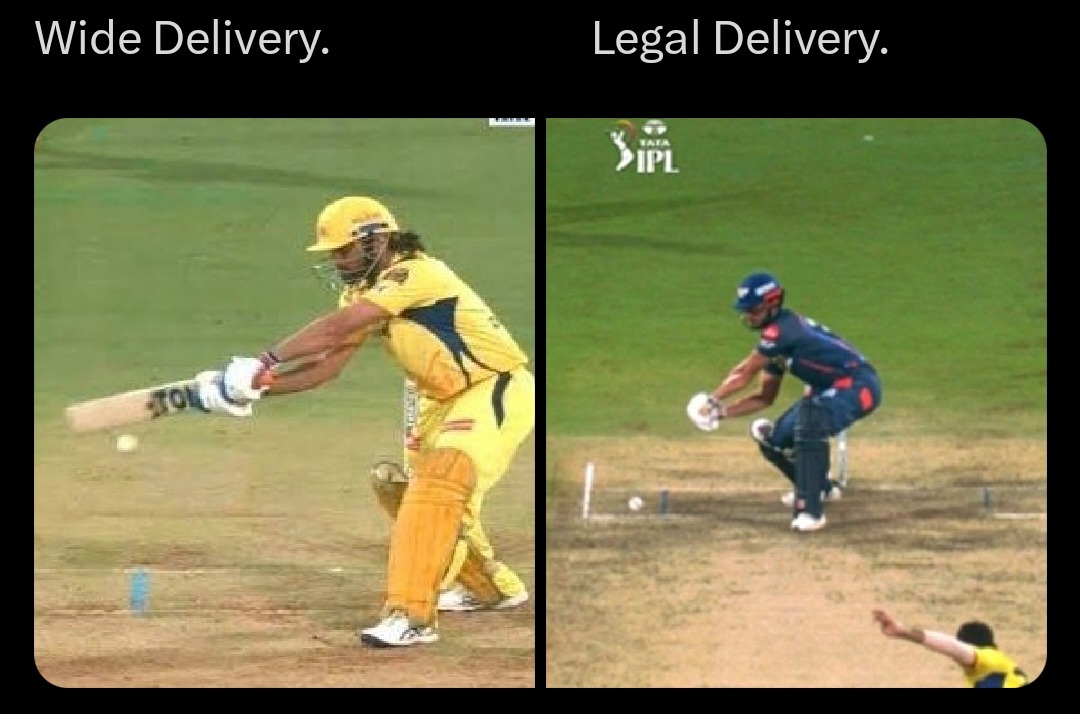
| Wide extras | Yes | No |
| No-ball extras | Yes | No |
| Byes on a legal delivery | No | Yes |
| Leg byes on a legal delivery | No | Yes |
A Wide raises the economy rate without advancing the over, which shows most in a short spell.

Take an innings that finishes on 100 runs, including four byes and two leg byes, with no penalty runs or other adjustments. The runs charged across the bowlers total 100 - 4 - 2 = 94. Each bowler's own rate still comes from that bowler's R and overs.
A maiden over has no runs charged to the bowler, though the batting team can still score byes or leg byes in it. Penalty awards and competition-specific conditions follow their own scoring rules.
What Is a Good Economy Rate? Format, Phase and Role Matter
Whether an economy rate is good depends on what the spell demanded. A figure of 8.00 can look economical in one situation and expensive in another.
Say comparable overs usually cost 10 runs apiece. A bowler conceding eight is then two runs per over better. If they usually cost six, eight is two runs per over worse.
In T20 cricket the powerplay brings fielding restrictions, and the death overs often bring aggressive hitting. The middle overs strike a different balance between risk and run accumulation.
ODI and Test cricket bring different innings lengths and batting objectives. Roles differ too: one bowler keeps the scoring in check to build pressure while a teammate attacks for wickets. Compare bowlers only within the same format, role and phase, over a similar number of deliveries.
Cricbuzz's analysis of IPL bowling evaluates conceded runs against expectations for particular overs.
In samples limited to bowlers with at least 600 balls, Beat My 11 reports career-economy medians of 7.76 for 143 T20I bowlers and 5.13 for 447 ODI bowlers.
No single number separates good from bad across T20, ODI, Test and US recreational cricket.
Economy Rate vs Bowling Average and Strike Rate
Economy measures run control. Bowling average is the runs conceded per wicket taken, and bowling strike rate is the number of legal balls per wicket.
| Metric | Calculation | Question answered | Result for 4-0-28-2 |
|---|---|---|---|
| Economy rate | Runs × 6 ÷ legal balls | Runs per over? | 7.00 |
| Bowling average | Runs ÷ wickets | Runs per wicket? | 14.00 |
| Bowling strike rate | Legal balls ÷ wickets | Balls per wicket? | 12.0 |
All three results use the 4-0-28-2 spell from earlier. A bowler can be strong at containing runs and weaker at taking wickets, or the reverse.
With no wicket taken, bowling average and bowling strike rate are undefined because the denominator is zero. Economy works whenever at least one legal ball has been bowled.
When at least one wicket has been taken, the three numbers obey an exact identity:
Economy = 6 × bowling average ÷ bowling strike rate
For this spell, 6 × 14 ÷ 12 = 7.00. Batting strike rate describes a batter's scoring and plays no part here, since the identity covers three bowling measures. Bowling strike rate and tournament NRR are covered in the cricket statistics guide.
Why Very Short Spells and Averaged Rates Can Mislead
A rate from a tiny sample can look extreme. A bowler who concedes six runs from one legal ball has figures of 0.1 overs and an economy rate of 6 × 6 ÷ 1 = 36.00. That's one ball, so the number tells you almost nothing about a full spell.
If a bowler has conceded Wide or No-ball runs before delivering any legal ball, the denominator is zero. The economy rate is undefined, and each scoreboard has its own way of displaying that case.
Combining spells also needs weighting by length. Take two spells:
- Spell A: one over, three runs conceded, economy 3.00.
- Spell B: four overs, 36 runs conceded, economy 9.00.
The arithmetic mean of the two economy figures is 6.00. Together, though, the spells cover five overs and cost 39 runs, giving a combined economy of 39 ÷ 5 = 7.80. For an overall rate, sum the runs and legal deliveries across spells before dividing.
Can a Bowler Have an Exceptional Economy Rate and Still Lose?

Yes. On August 25, 2018, Mohammad Irfan bowled for Barbados Tridents against St Kitts and Nevis Patriots in the Caribbean Premier League. The ICC's account of the match records figures of 4-3-1-2: four overs, three maidens, one run conceded and two wickets, for an economy of 0.25. Barbados Tridents still lost by six wickets with seven balls remaining.
How to Check an Economy Rate That Looks Wrong
An unexpected ECON figure usually traces back to the inputs, the way spells were combined or the display convention. Match what looks wrong to the evidence below:
| What looks wrong | Likely reason | Evidence that resolves it |
|---|---|---|
| A partial-over rate seems too high or low | The decimal-looking overs notation was used as a decimal | O column expressed as completed overs plus legal balls |
| Team runs exceed the runs charged across bowlers | Byes, leg byes or unusual adjustments appear in the total | Extras breakdown and applicable scorecard notes |
| Runs rose but overs stayed the same | A Wide or No-ball was recorded | Delivery record together with the O and R columns |
| An overall rate differs from a mean of spell rates | Spells were given equal weight despite different lengths | Total charged runs and legal deliveries |
ECON is blank or unusual at 0.0 | No legal delivery has yet been completed | Legal-ball total and the provider's display convention |
If the scorecard doesn't settle it, check the ball-by-ball record and the competition's scoring rules.