A chase has two run rates. The current rate is what the batting team has scored per over so far: runs × 6 ÷ legal balls bowled. The required rate is what it must score from here to reach the target: runs needed × 6 ÷ legal balls left. After an official change to the target or overs, use the revised figures.
What Does Run Rate Mean in Cricket?
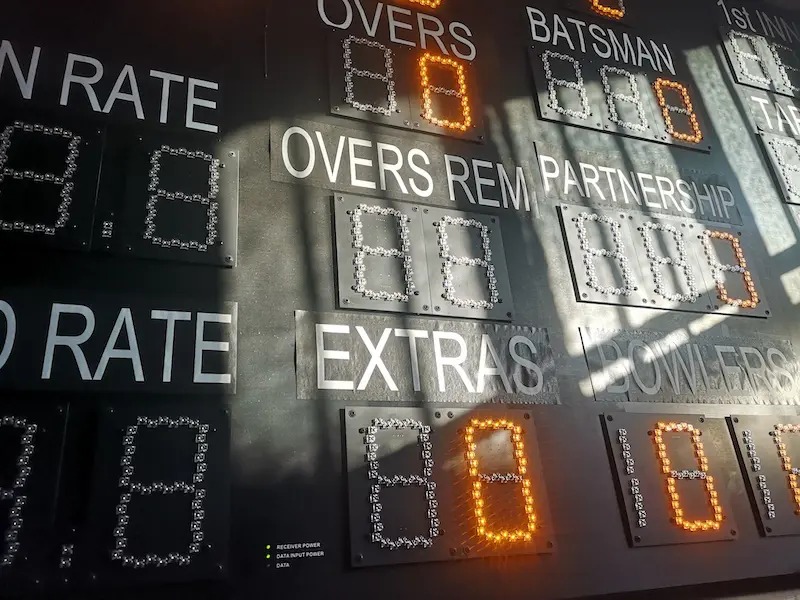
Run rate is a team's scoring pace in runs per six legal balls. On the scoreboard, CRR stands for current run rate, the average across the deliveries bowled so far in the innings. In the first innings the board shows one rate. In a chase it shows two: the current rate and the rate needed to reach the target. Both come from the batting side's total, extras included.
How to Calculate Current Run Rate from Overs
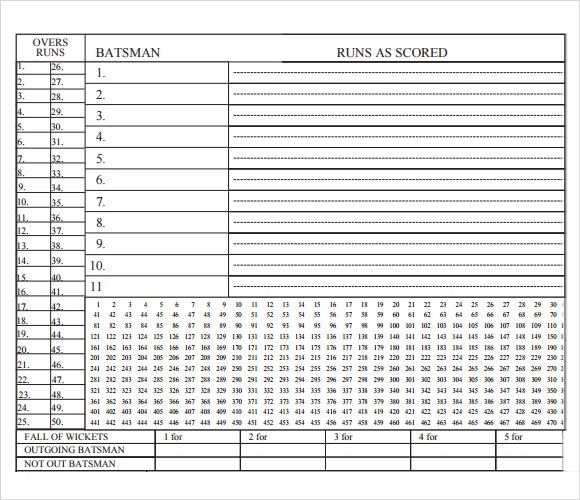
A cricket scoreboard shows team runs, wickets and overs, for example 100/4 after 12.3 overs. The 3 in 12.3 is a ball count, not a decimal. It means 12 complete overs plus three legal balls, since an over has six legal balls:
(12 × 6) + 3 = 75 legal balls
In arithmetic terms, those 75 balls equal 12.5 six-ball overs.
The current run rate formula is:
CRR = (team runs × 6) ÷ legal balls bowled
At 100/4 after 12.3 overs:
CRR = (100 × 6) ÷ 75 = 8.00 runs per over
The team has averaged eight runs per over. The four wickets lost appear in the score but play no part in the calculation.

Extras count toward the team total. A wide or no-ball adds runs without completing a legal delivery, so it changes CRR while the ball count stays the same. Before the first legal ball is bowled, CRR is undefined because the denominator is zero.
The MCC's 2026 Laws edition took effect on October 1, 2026, and its Law 17.1 on overs sets six legal balls per over.
What Is Required Run Rate and How Do You Calculate It?
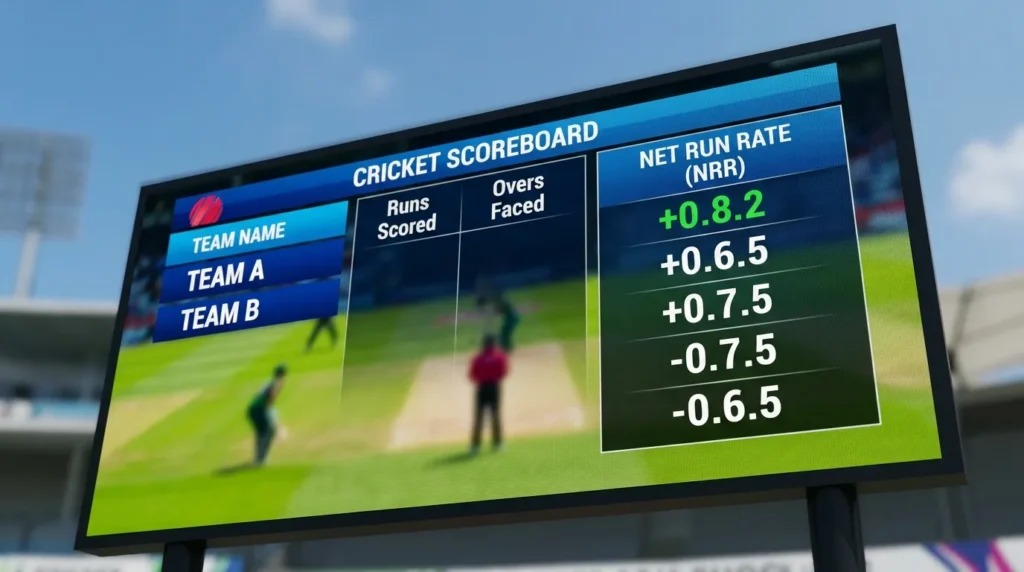
Required run rate (RRR), also called the asking rate, is the average number of runs a chasing team must score per six remaining legal balls to reach its winning target.
Suppose the team batting first finishes on 180. The chasing team needs 181 to win, because 180 only ties the scores.
Runs needed = winning target − current team runs
RRR = (runs needed × 6) ÷ legal balls remaining
A full 20-over T20 innings gives the batting team 120 legal balls. With 75 bowled, 45 remain.
RRR is an average across the remaining balls. Four runs off one ball, a dot off the next and a six after that all count toward the chase, and the asking rate shifts after each delivery.

Worked T20 Chase: 100/4 After 12.3 Overs
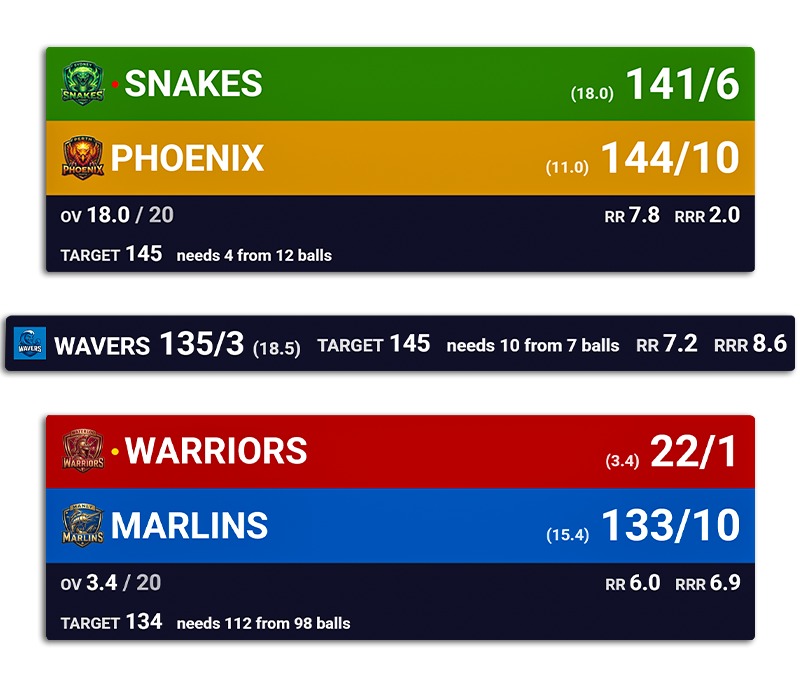
Take a fictional T20 match. The first team scored 180, so the target is 181. The chasing side is 100/4 after 12.3 overs, with a full allocation of 20 overs.
| Scoreboard detail | Value | Calculation or meaning |
|---|---|---|
| Winning target | 181 | One run beyond 180 |
| Current score | 100/4 | 100 runs, four wickets lost |
| Legal balls allotted | 120 | 20 × 6 |
| Legal balls bowled | 75 | 12 × 6 + 3 |
| Legal balls left | 45 | 120 − 75 |
| Runs needed | 81 | 181 − 100 |
| Current run rate | 8.00 runs/over | 100 × 6 ÷ 75 |
| Required run rate | 10.80 runs/over | 81 × 6 ÷ 45 |
The asking rate is 2.80 runs per over higher than the team's average so far. Four wickets are down, which leaves six in hand.
How Dot Balls, Fours, and Wides Change the Asking Rate
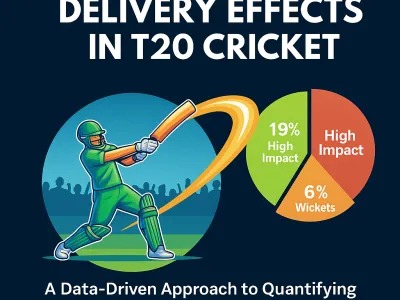
Each delivery can change the runs needed, the legal balls remaining, or both, so the asking rate moves every ball.
Return to 100/4 after 12.3 overs. The team needs 81 runs from 45 legal balls, an RRR of 10.80. Each row below starts from that same position.
| Next delivery | New score and overs | Runs needed | Legal balls left | New RRR |
|---|---|---|---|---|
| Dot ball | 100/4 at 12.4 | 81 | 44 | 11.05 |
| Four from a legal ball | 104/4 at 12.4 | 77 | 44 | 10.50 |
| One-run wide, no additional runs | 101/4 at 12.3 | 80 | 45 | 10.67 |
A dot ball uses a legal ball and closes none of the gap. The same runs must now come from fewer balls, so the rate rises.
A four also uses a legal ball, but it cuts the gap by four runs, so the rate falls.
A one-run wide with no other scoring adds a run without using a legal ball. Runs needed drop to 80 while 45 balls remain:
RRR = (80 × 6) ÷ 45 = 10.67
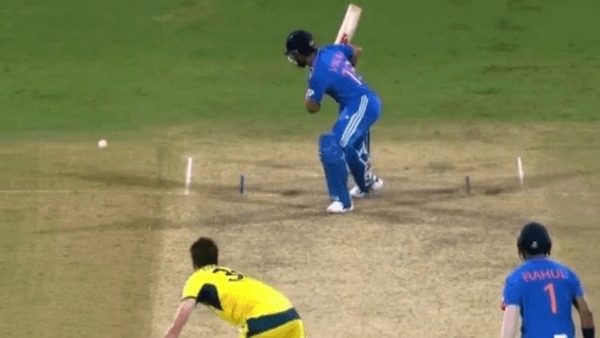
A wicket on a legal dot ball follows the dot-ball row, and one fewer wicket remains in hand.
Does a Higher Required Rate Mean the Team Is Losing?

No. A higher RRR only means the side must score faster than it has so far. In the example, that is 10.80 needed against 8.00 achieved. It works out to 1.8 runs per remaining legal ball, with six wickets in hand.
Run Rate vs. Strike Rate, Economy Rate, and Net Run Rate
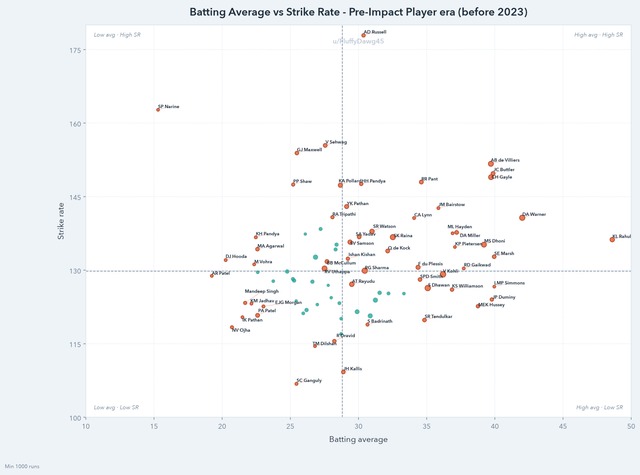
These statistics measure different things, each with its own subject, denominator and time period.
| Statistic | What it measures | Unit or scope | Question answered |
|---|---|---|---|
| Current run rate (CRR) | Team scoring pace so far | Runs per six legal balls bowled | How quickly has this side scored? |
| Required run rate (RRR) | Team scoring pace needed to win | Runs per six legal balls left | How quickly must it score now? |
| Batting strike rate | Individual batter's scoring speed | Runs per 100 balls faced | How quickly has this batter scored? |
| Bowling economy rate | Runs conceded by a bowler | Runs conceded per over | How economically has this bowler performed? |
| Net run rate (NRR) | Team scoring-rate differential | Competition standings calculation | How does a team's aggregate scoring rate compare with its opponents'? |
A batter can be accelerating while the team's asking rate rises. A Reddit comment sums up the mix-up:
Edit again: Many of you are confusing Run Rate with Required Run Rate. Think of it this way, a batsman can be batting at 100 SR, say 45 runs in 45 balls, but if they need 16 off the last over, RRR is 16 (not 6)
In that example, 45 from 45 balls gives the batter a strike rate of 100. Needing 16 from the last six legal balls makes the team's required rate 16 per over. Check each statistic's subject and time window before comparing its value with another.
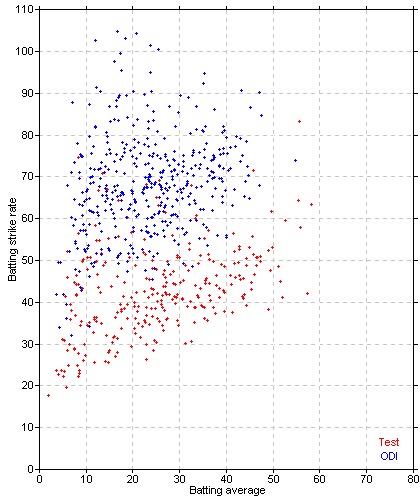
Net run rate belongs to tournament standings, not to a single chase. See the net run rate guide for how it works.
When the Calculation Changes: Rain, Revisions, and Finished Innings
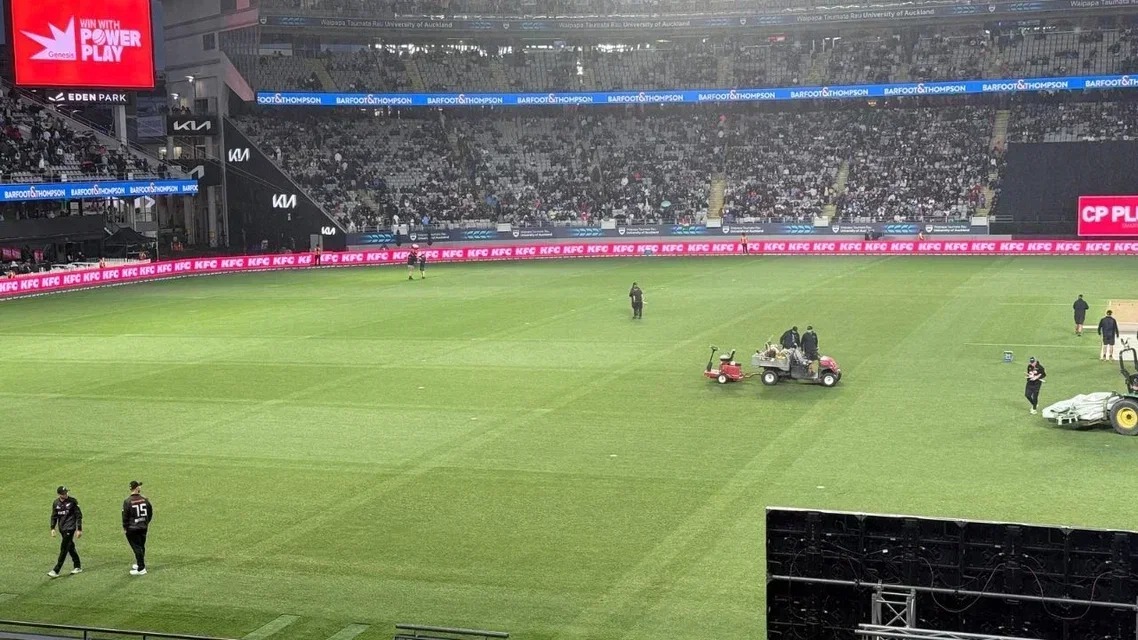
A rain interruption or official revision changes the target and the legal balls available. Once the target is reached or the innings ends, there is no live rate left to calculate.
| Match situation | Treatment | What changes |
|---|---|---|
| Official target or overs revision | Recalculate from the revised target and available legal balls | The original chase inputs are replaced |
| No legal balls left, target unmet | RRR is undefined | Division by zero gives no asking rate |
In a rain-interrupted match, the Duckworth–Lewis–Stern method (DLS) sets an official revised target that accounts for the remaining overs and wickets. Put that target and the new allocation into the same RRR formula. The match's playing regulations govern the revised target. For ICC competitions, see the ICC playing conditions.
To run the numbers yourself, enter the target, current runs and balls left into the chase calculator guide.