Watch one over at a time. Find who is batting, read the runs and wickets, and count six legal balls. In a chase, keep the target in view.
What to watch first: four questions, not the whole rulebook
Start with four questions. You can answer them from a TV graphic or a stadium scoreboard while play continues.
- Who is batting? That team wants runs. The other side bowls and fields, trying to limit scoring and dismiss batters.
- What's the score? Look for the batting side's runs and wickets lost.
- How many overs have passed? The count shows how far the innings has gone.
- What's the goal? The first side builds a total. In a second-innings chase, the batting side tries to reach a target.
A would-be Major League Cricket fan asked for exactly this. Video explanations had left them unsure of the basic rules, even though they already watched baseball and basketball.
I have tried watching videos on how cricket worked, but it made no sense to me. I know how to score a run and not much else. What are the general rules I need to be aware of. I almost exclusively watch baseball and basketball so if possible please put it into baseball and basketball terms.
Before the first ball: check the format, innings and batting side
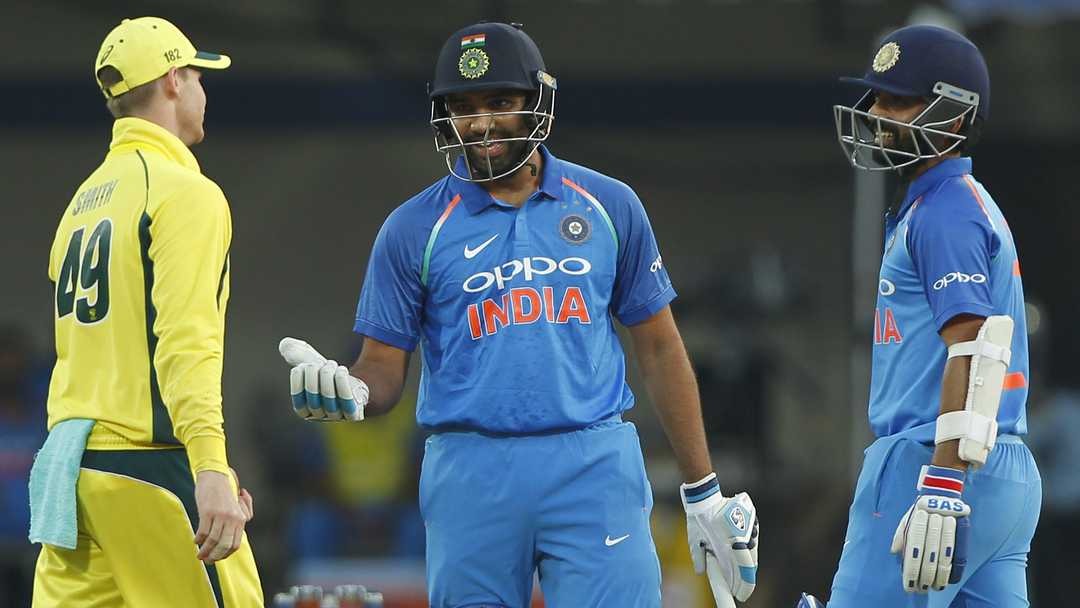
The toss gives a team the first choice to bat or field, and the match display shows who is batting now. A T20 innings lasts up to 20 overs per side, an ODI up to 50, and a Test runs over several days with a different innings structure. Two batters stand at opposite ends of the pitch. The striker faces the bowler, and the non-striker waits at the other end. Check the format and innings in the match header before play begins.
Read the four numbers on the scoreboard
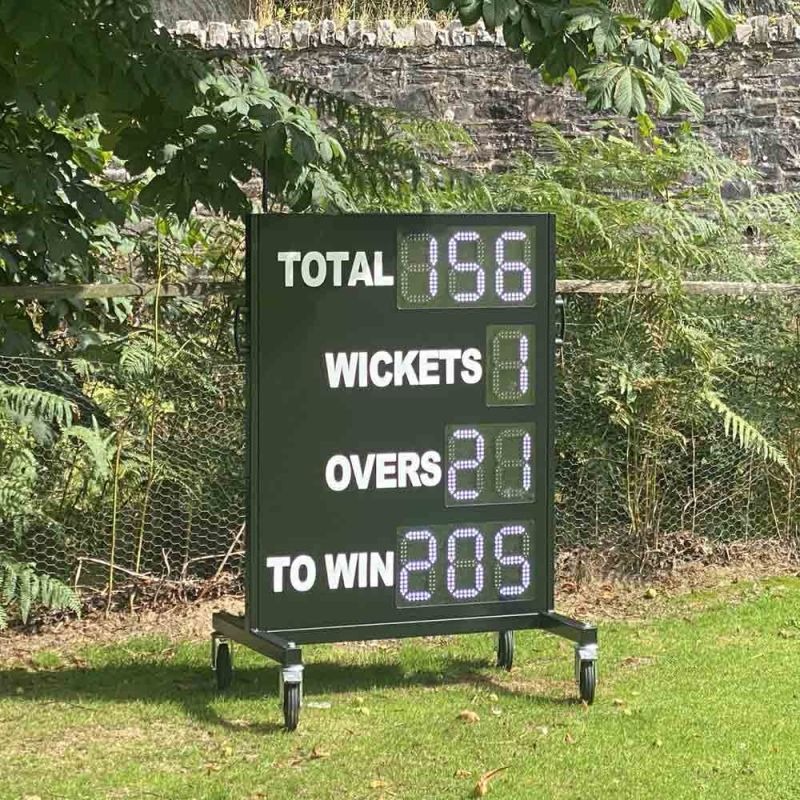
The scoreboard shows the match in a few numbers. Runs and wickets give the batting side's position, overs show its progress, and a target gives the second innings its goal.
Here is a T20 scoreboard with Team B batting second:
Team B: 120/3 (15.0 overs)
Target: 169
- 120: Runs scored by Team B.
- 3: Wickets lost by Team B.
- 15.0: Fifteen complete overs bowled.
- 169: The target Team B must reach to win this chase.
In over notation, the digit after the point counts legal balls within the unfinished over. So 17.3 means 17 complete overs plus three legal balls: 17 × 6 + 3 = 105 legal balls.

Wides and no-balls add deliveries without moving the legal-ball counter forward.
In the first innings there is no target to chase. The cricket scoreboard guide explains the extra figures around the main score.
Follow one over, ball by ball
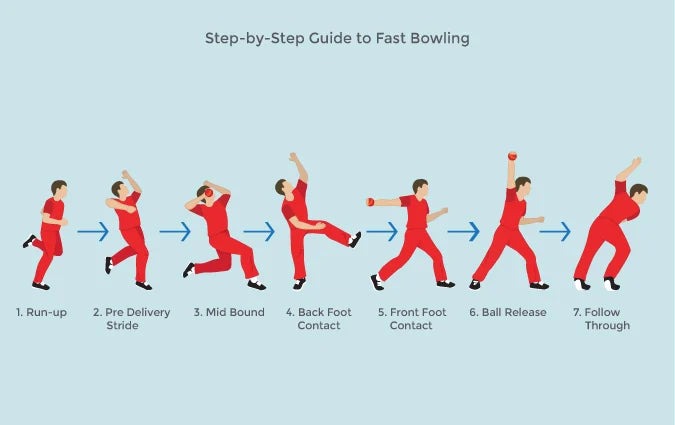
An over is six legal deliveries from one bowler.
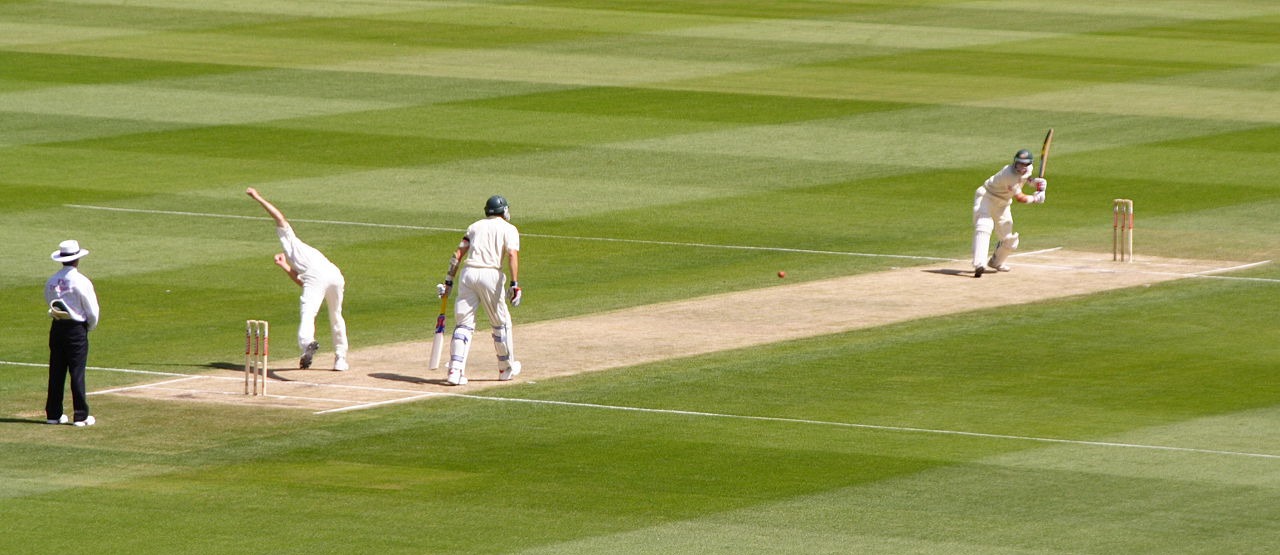
The bowler runs in from one end and delivers toward the striker. The wicketkeeper waits behind the striker's wicket, and the non-striker stands near the bowler's end. A ball can add runs, produce a dismissal or leave the score unchanged.
Here is an example over, starting with the batting side at 50/1 after five completed overs.
| Delivery | What happens | Team score |
|---|---|---|
| 5.1 | Dot ball; no run | 50/1 |
| 5.2 | Single completed | 51/1 |
| 5.3 | Boundary four | 55/1 |
| 5.4 | Dot ball | 55/1 |
| 5.5 | Two runs completed | 57/1 |
| 5.6 | Batter dismissed | 57/2 |
| Over complete | Six legal balls bowled | 57/2 (6.0) |
The single at 5.2 takes the batters to opposite ends, so the other batter faces delivery 5.3. Six legal balls add seven runs and one wicket. The display moves to 6.0 when the over is complete.
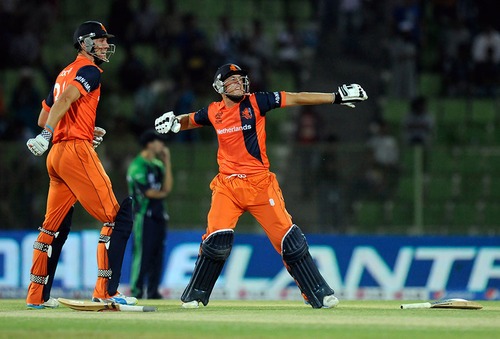
A wide gives the batting side an extra run and requires another delivery. A no-ball also awards an extra and doesn't count among the six legal balls. Any further runs depend on the delivery and the playing conditions. A bowler can therefore send down more than six deliveries to finish an over.
The MCC Laws of Cricket set out the six-legal-ball framework.
If you miss a delivery, the live cricket match guide uses commentary to work out what happened.
Why everyone seems to move when an over ends
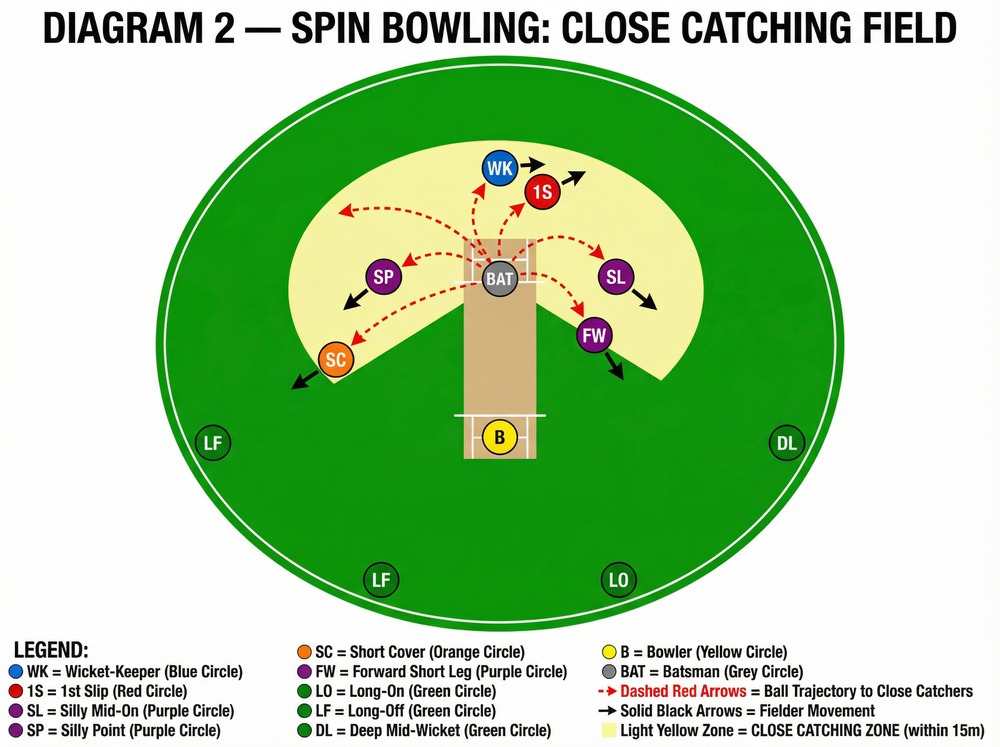
Each new over is bowled from the opposite end of the pitch. The bowler changes, the wicketkeeper moves behind the striker's wicket at the other end, and fielders adjust to the new direction of play.
A fan who had watched cricket on TV for years described the surprise of seeing this from the stands at a US match:
You in TV, after an over ends, it looks as if the batsmen switch sides. But after the first over ended in the stadium, I was shocked when the entire bowling side switches sides while the batsmen stay put. WHAT!! I now get why. But this was so funny to learn! Instead of the 2 batsmen, 11 players run halfway across the field! It happens so quickly too.
- Over A: The bowler delivers from the north end toward the south end.
- Over B: The next bowler delivers from the south end toward the north end.
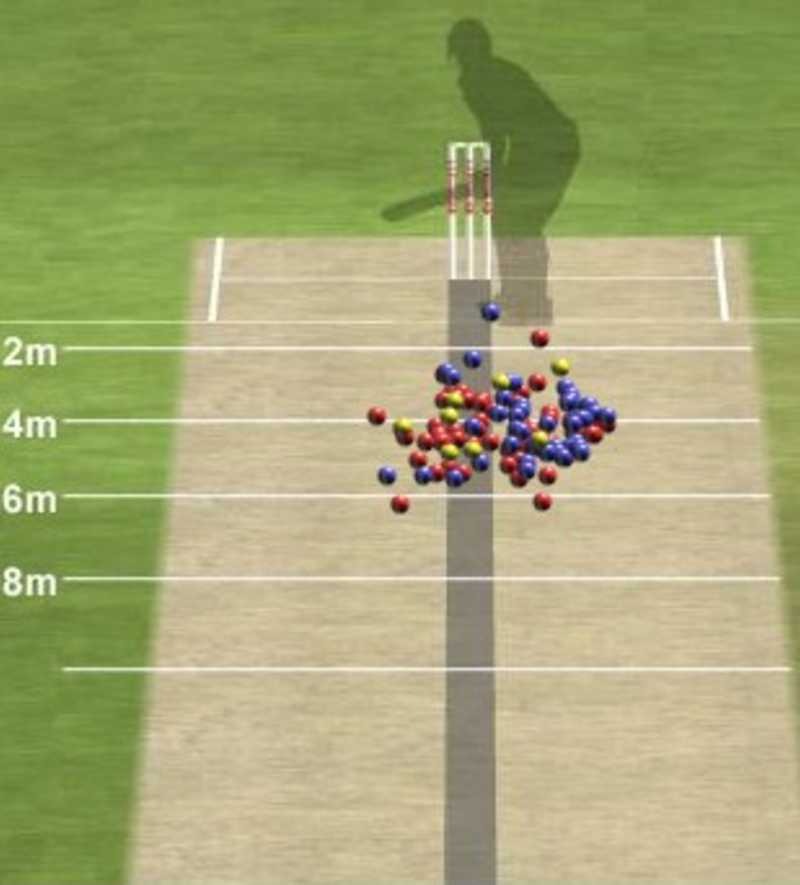
Fielders reposition according to the captain's choices, so the movement varies by player. The batter who faces the first ball of the new over depends on where the two batters finished the preceding play. Changing the bowling end and changing the striker are separate things.
The moments that matter: dots, runs, boundaries, wickets and appeals
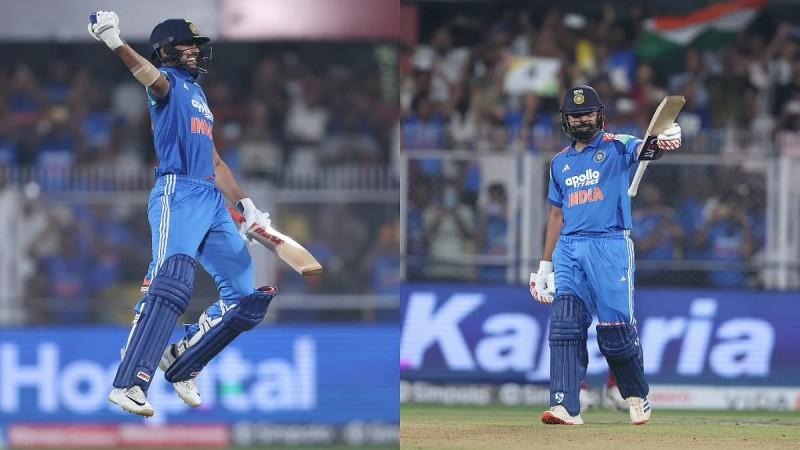
A delivery matters when it changes the score, costs a wicket or uses another legal ball. Sometimes the crowd roars while the official score stays where it was.
| What you see | What it means | Result on the display |
|---|---|---|
| Dot ball | No runs added to the team total | One legal ball used |
| Batters running | One, two or more runs completed | Runs rise; an odd number changes strike |
| Boundary four | A bat-hit ball reaches the boundary after touching the ground | Four runs |
| Boundary six | A bat-hit ball clears the boundary without first touching the ground | Six runs |
| Wicket | A batter is dismissed | Wickets lost rise |
| Wide or no-ball | An extra is called | Runs can rise without another legal ball being counted |
| Appeal or near miss | Fielders ask for a decision or miss a chance | The score stays the same |
These descriptions cover bat-hit boundaries. Overthrows and other special scoring situations have additional rules.
A raised finger, two arms and the official score
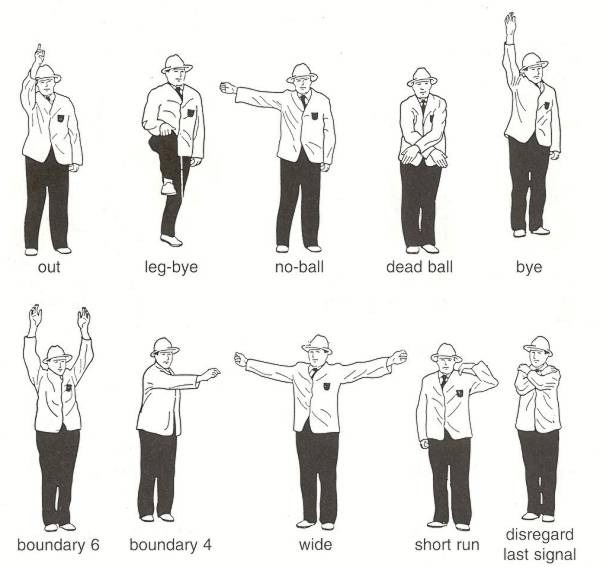
The umpire signals the common outcomes: a horizontal arm wave for four, both arms raised above the head for six, and a raised index finger to give a batter out. These are the standard signals described in the ICC umpire provisions.
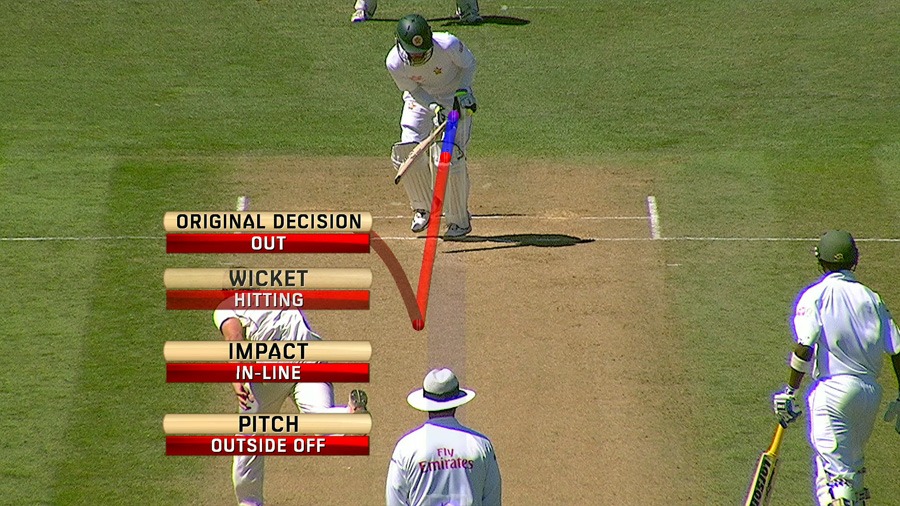
Fielders shout for a catch or an LBW decision. Wait for the umpire's decision and the official wicket count before you treat an appeal as a dismissal. A diving stop or a delivery that beats the bat can also draw a big reaction with no boundary or wicket.
When the chase gets tense: runs needed, balls left and wickets in hand
In a limited-overs chase, the target, legal balls left and wickets in hand explain the pressure on the batting side.
Take an uninterrupted T20 match:
Team A: 168/7 after 20.0 overs
Team B: 120/3 after 15.0 overs
Target: 169 runs
Still needed: 49 runs from 30 legal balls
Team A finished on 168, so Team B needs 169 to win. With 120 scored, the chase needs another 49. Five overs remain, which gives Team B 30 legal deliveries. The required run rate is 9.8 runs per over.
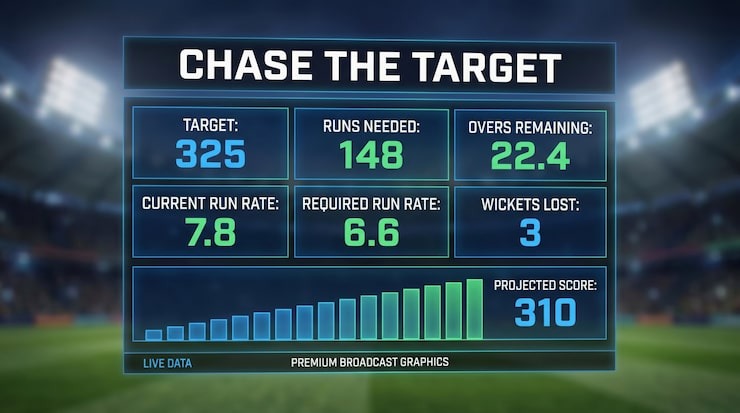
You may see RRR next to that figure. It shows the scoring pace Team B needs per over. Team B has lost three wickets, leaving seven before the ten-wicket all-out point. A lost batter or a string of dot balls can change the approach while the target stays the same.
In T20, an early powerplay brings fielding restrictions, with the specific rules set by the competition. In the later overs, boundaries can ease a chase and repeated dot balls can raise the required pace.
International formats have their own ICC playing conditions. Rain or another interruption can shorten an innings and produce a revised target. When that happens, use the updated score display and available overs.
The run-rate guide shows the full calculation of runs needed and required rate.
If the game seems slow, check whether you're watching T20, ODI or Test
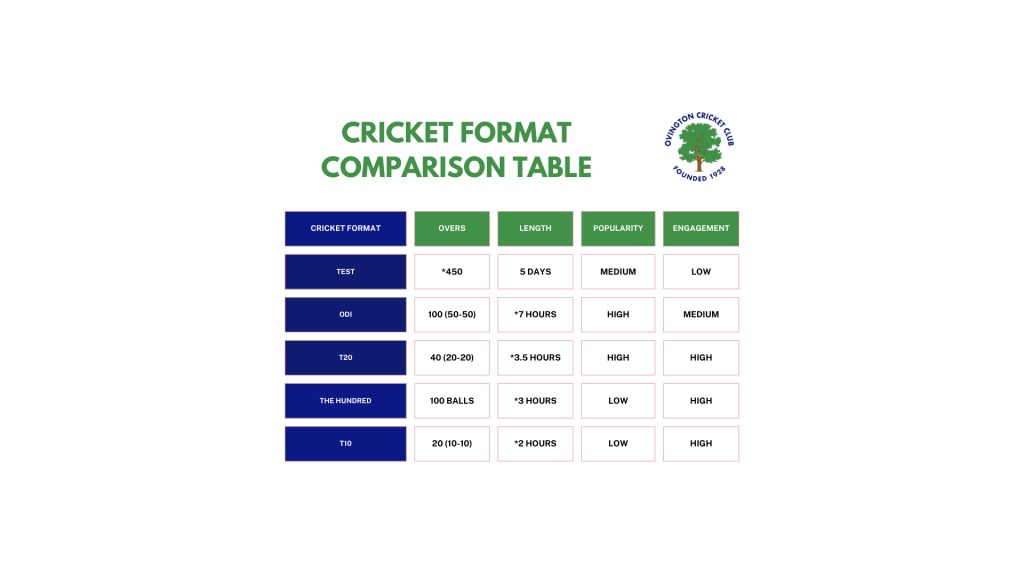
A long spell without a wicket is a serious contest between bat and ball, especially in a Test match. The three main formats weigh time and wickets differently.
One newcomer watching New Zealand play Bangladesh wondered why an hour of play had produced only one wicket:
I'd never seen a game of cricket before, but my dad and I are watching New Zealand vs Bangladesh. After reading some basic rules and explanations of the game, we have a decent understanding but are still left with some questions. We've been watching the game for over an hour, yet only one wicket has been taken while we've been watching. Can Bangladesh (the batting team) bat until all ten wickets are taken, or is there a ball/time limit?
| Format | Basic structure | What to watch |
|---|---|---|
| T20 | Up to 20 overs per side | Runs required, balls remaining and fast shifts in scoring pace |
| ODI | Up to 50 overs per side | How batters build a longer innings and adjust scoring pace |
| Test | Multi-day match with a different innings structure | Bowling pressure, preserving wickets, time remaining and possible draw |
In a Test, a batter might leave a ball outside the stumps or defend carefully because staying in matters. That means long stretches without a boundary or wicket. A Test can finish in a draw.
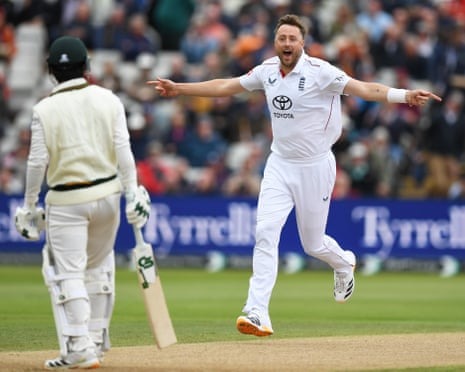
The ECB's beginner guide introduces the formats. For the structural differences beyond your first match, see T20 vs ODI vs Test cricket for innings duration, over limits and Test match results.
At the ground or lost on TV? Use a three-point reset
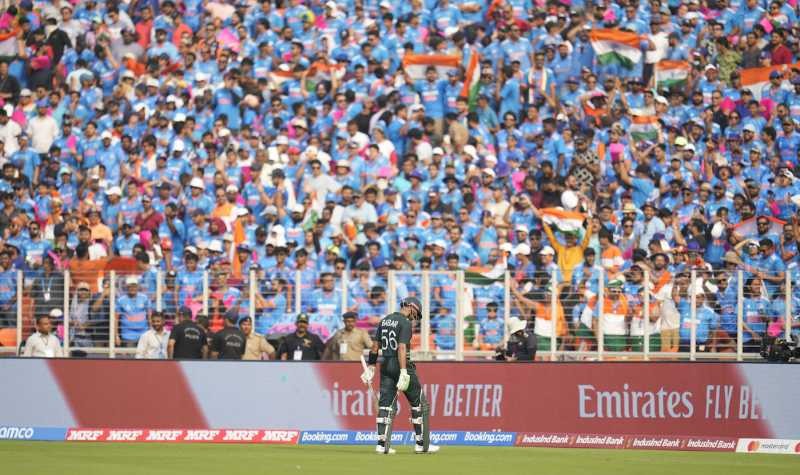
Television gives you a close view of the bowler and striker. A stadium seat shows the whole field, so a change in bowling direction or field placement is easier to spot.
In Oakland in June 2025, a would-be Major League Cricket attendee wondered how much of the game they needed to learn before their first visit.
If you've missed a ball or a whole over, check three things:
- Batting side: which team has the bat.
- Team score: the runs and wickets shown.
- Match progress: the over count and, in a chase, the target.
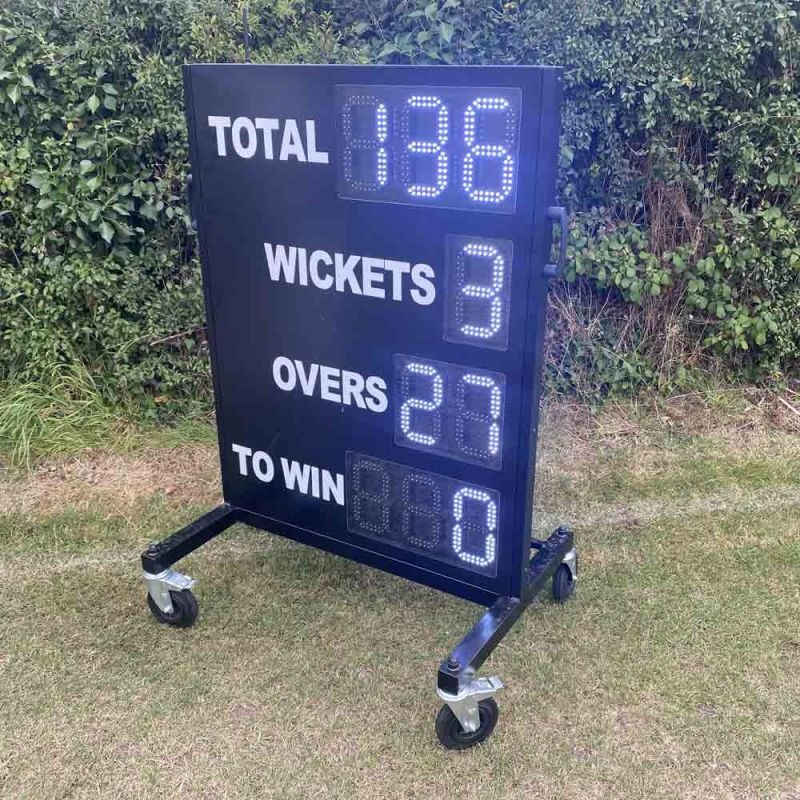
Then follow the next legal ball.