A live cricket score records an innings as it happens. Confirm the fixture and its status, then follow runs, wickets and overs, and let the ball-by-ball commentary explain each change. In a Test match, after a rain interruption or with a revised target, other parts of the display matter more.
A cricket score can change twice while you're trying to work out what the first number means. You glance at your phone, see 162/4 (17.3), and wonder whether the batting team is in control or in trouble.
Five fields tell you where a game stands, even if you missed the last few overs.
Find the right match and check whether it is live
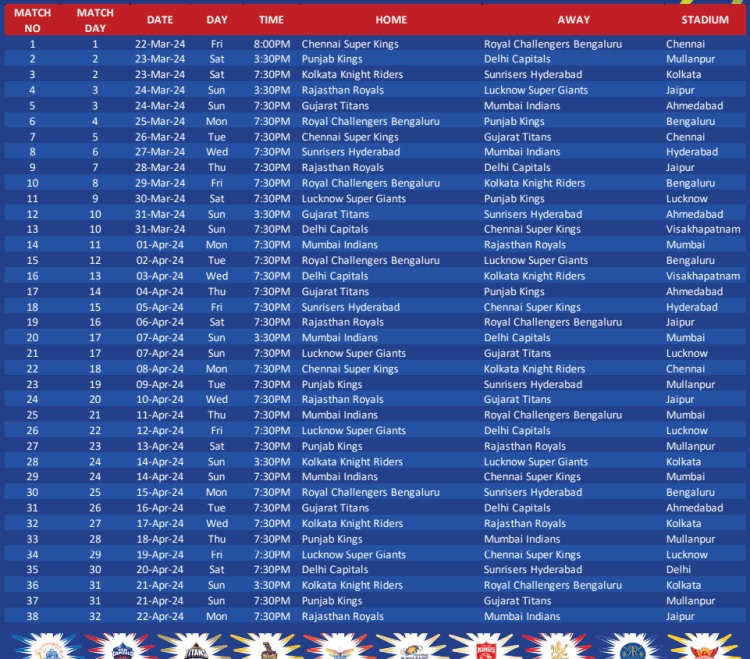
Start with the two teams, competition, format and date to confirm you have the right fixture. Then read its status and latest update. A match page shows scheduled, playing, innings break, rain delay, stumps, completed or abandoned, and it stays open when no play is taking place. A service such as CricCatch sorts fixtures into Live, Recent and Upcoming listings.
Read the five clues in the live score
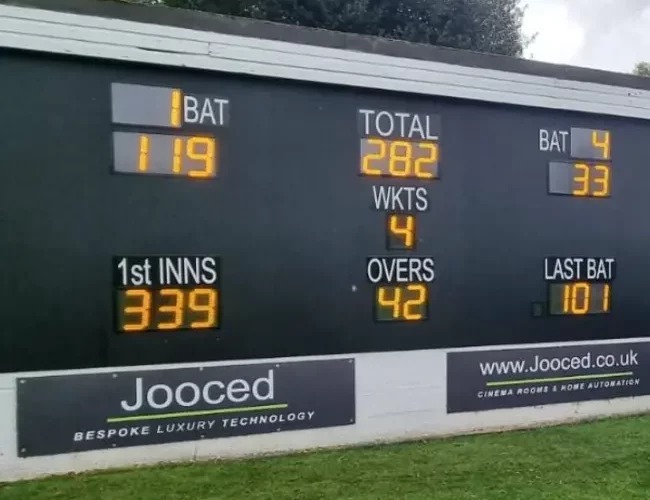
You don't need the full scorecard to follow a game. Five fields are enough.
- Batting side: Which team is batting?
- Runs and wickets: How many runs has that team made, and how many wickets has it lost?
- Overs: How many overs have been completed in the innings?
- Format and innings: Is this T20, ODI or Test cricket, and which innings or phase are you watching?
- Target or time context: Is there a winning target to chase? In a Test, what are the day, session and lead or deficit?
Take the fictional display Team B 162/4 (17.3). Team B has scored 162 runs and lost four wickets. The number in parentheses is the overs completed.
Over notation trips up anyone used to decimals. Under MCC's Laws of Cricket, an ordinary over is six legal balls. 17.3 means 17 completed overs plus three legal balls of the next one: 105 legal balls in all. Wides and no-balls add to the score without advancing the ball count.
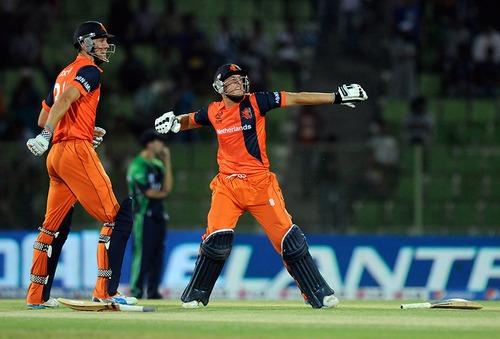
The same score can describe a first innings, a run chase or one innings of a multiday Test. In a standard limited-overs match, the first-innings total is the score the chasing team must beat. A Test can run through several innings before a winning target matters.
Choose between the live summary, scorecard and ball-by-ball feed
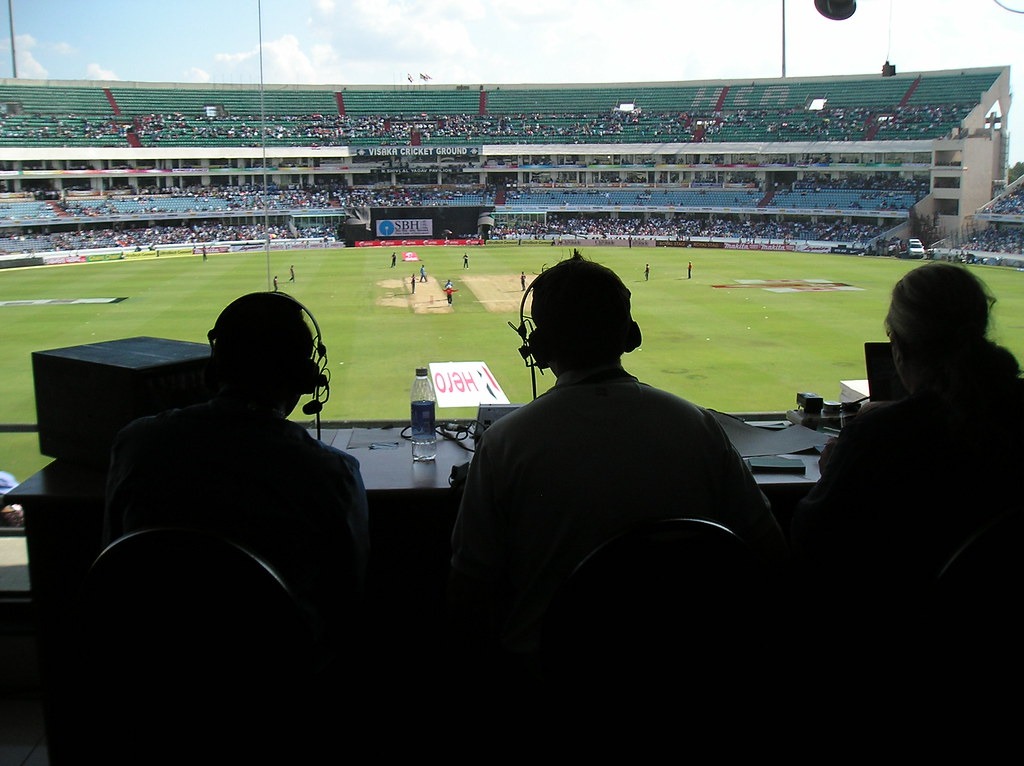
The live summary gives the current position, commentary explains recent events, and the full scorecard lists each player's batting and bowling.
| Your question | Open this view | Look for | When to switch |
|---|---|---|---|
| What is happening now? | Live summary | Score, wickets, overs, batting side, match status | You need the reason for a change |
| What happened on the last few balls? | Ball-by-ball commentary | Boundaries, wickets, extras, recent deliveries | You need an individual player's figures |
| Who made the runs or took credited wickets? | Full scorecard | Batting and bowling records | You want the latest sequence of play |
| Can I watch or listen? | Licensed video or audio | Live pictures or spoken analysis | Text better suits your access or attention |
A wicket is a good reason to open recent commentary. It describes the dismissal and what followed. The scorecard names the dismissed batter and the dismissal type. A bowler's figures count only wickets credited to that bowler, so dismissals such as run outs are left out.
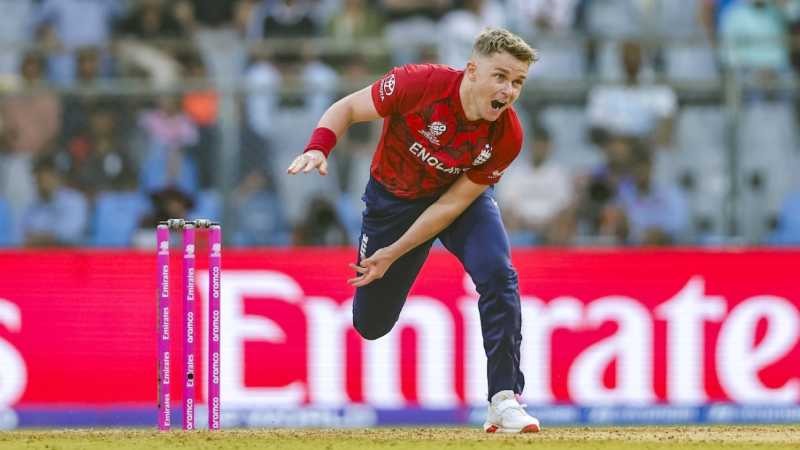
Cricbuzz, for example, offers over-by-over coverage, scorecards and full commentary as separate match views. Tab names differ by service, but each view does the same job.
Video and audio add field placements, bowling actions and stadium atmosphere. Broadcast rights, location and access decide what you can watch or hear. Some score services send alerts for the times you can't keep the match open.
Follow a chase using runs needed, balls left and wickets
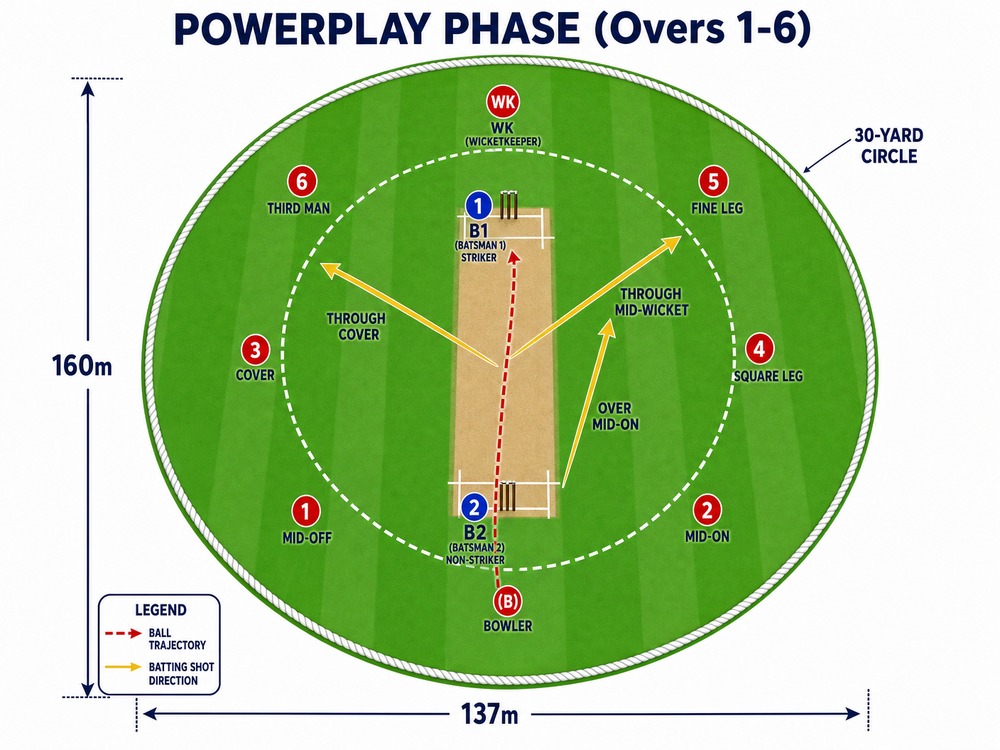
A chase is easier to read when you compare the target with the runs and legal balls remaining. Wickets matter too, since the batting side can be dismissed before its balls run out. The cricket scoreboard walkthrough puts the target and balls remaining in one view, which matters most near the end of a chase.
Here is a fictional, uninterrupted T20 chase:
| Match information | Value | Calculation or meaning |
|---|---|---|
| Format | T20 | 20 overs, or 120 legal balls |
| Team A total | 180 | First-innings score |
| Target to win | 181 | 180 + 1 |
| Team B score | 162/4 | 162 runs, four wickets lost |
| Overs completed | 17.3 | 105 legal balls |
| Balls remaining | 15 | 120 − 105 |
| Runs needed | 19 | 181 − 162 |
| Required run rate | 7.6 per over | 19 ÷ 15 × 6 |
| Wickets still available | 6 | Four of the usual ten have fallen |
A fast-scoring batter changes the current run rate, but the required rate depends only on the target and the balls left. The run-rate explanation separates the two numbers.
One boundary cuts the runs needed at once. A wicket makes the chase harder even when the required rate barely moves.
Follow a Test match by innings, sessions and time
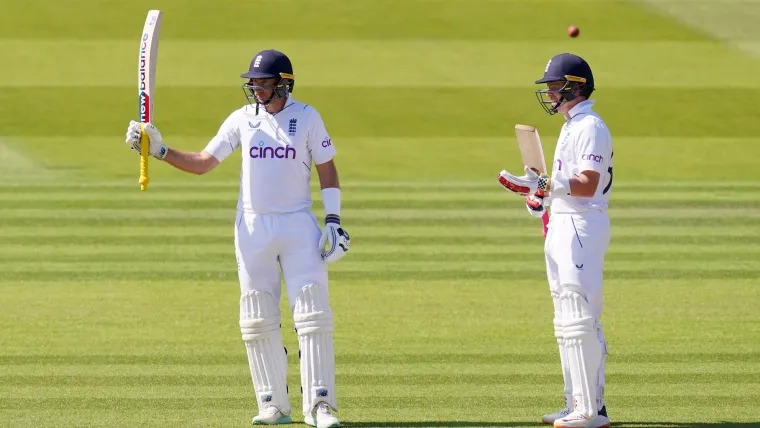
A Test match makes you follow innings and time as well as runs and wickets. Each team can have two innings over several days, so a large total may be only one part of a longer contest.
Read the current innings beside the lead or deficit. Wickets remaining and the day or session show how much of the match is left. After a session away, check the current innings, the lead or deficit, wickets remaining, the day or session and the time left. A Test can end in a draw if time runs out without a winning result, including when one side has scored more runs at an intermediate point. Declarations and the follow-on can also change the course of the innings. The ICC playing conditions define the rules for each format.
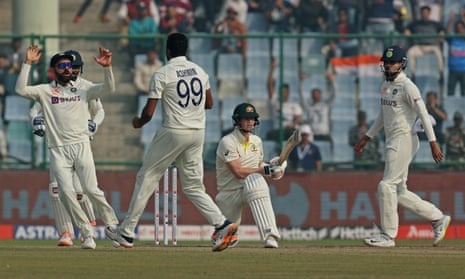
Commentary gives some followers a reason to stay with a slow afternoon of Test cricket. One of them wrote:
Lately, I’ve found myself staying for the commentary even when the match is dull. There's just something special about hearing old legends casually chat about the game, throw in a cheeky joke, or share a memory from 30 years ago. Especially in Test matches—it's not just analysis, it's storytelling. You get cricket, history, humor, and even food talk all in one. Somehow, the banter between commentators makes the slowest days feel alive.
Catch up after missing an over or a session
You can lose track of a match in one over: a wicket falls, the partnership changes pace or the required rate shifts while you're elsewhere.
To get back in, compare two checkpoints: the state you last saw and the state reported now. Remember the previous score or keep it in a phone note.
If you have no earlier score, open the recent ball-by-ball entries and work backward through the latest wicket, boundary or completed over until the sequence makes sense.
| Information | Last time I checked | Now | Where to look if it changed |
|---|---|---|---|
| Runs and wickets | Previous score | Current score | Recent boundaries and wickets |
| Overs | Previous over | Current over | Recent ball-by-ball entries |
| Innings or format | Previous phase | Current phase | Innings summary |
| Target or lead | Previous context | Current context | Updated target or innings information |
| Match status | Previous status | Current status | Delay, interval, stumps or result |
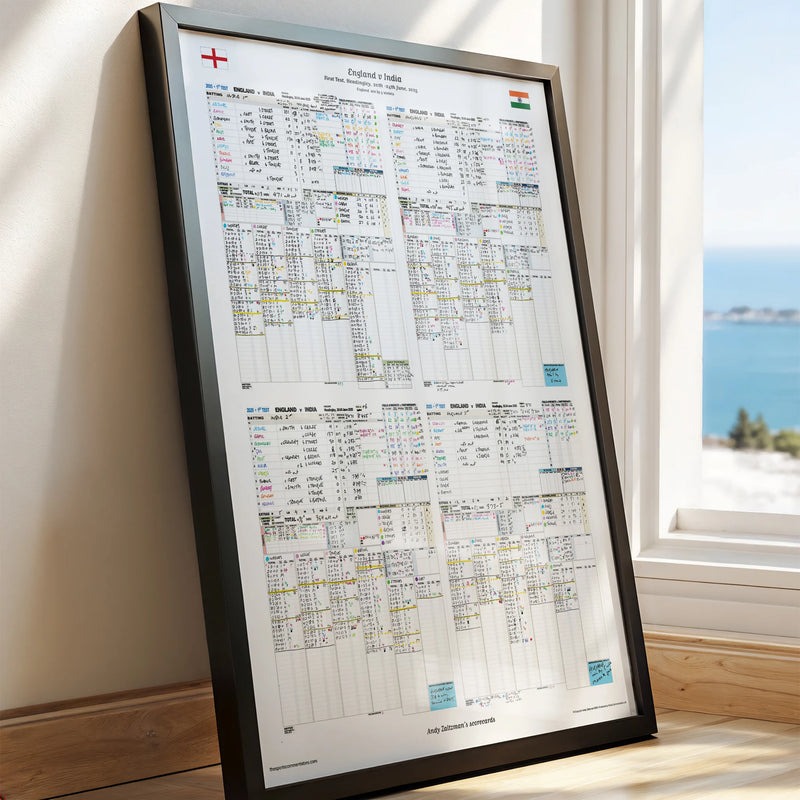
A change in wickets points you to the dismissal. A sharp rise in runs points to boundaries or extras. If the innings ended, the new innings summary explains the next phase.
One commenter follows cricket online and keeps it on in the background:
It may be hard to get into, for sure, especially without it being imbedded in your culture like it is for both the countries in question. I love just being aware of the situation of the game via the internet (cricinfo is my go-to website), chucking it on opportunistically when I can, or having it on in the background whilst I do something else.
Follow the game when you're at the ground
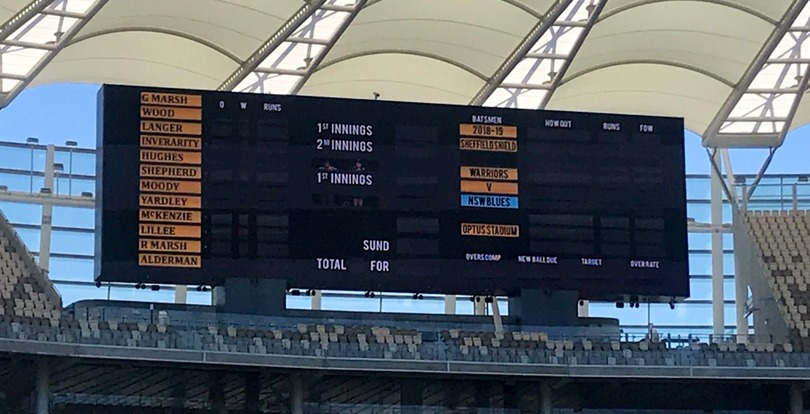
At a ground the action is in front of you, but you get less explanation than on television. The stadium scoreboard gives a snapshot of the match, while graphics, commentary and replays are harder to come by, and what you get depends on the venue.
One spectator was surprised by the speed of the action:
Apart from no commentary being audible on the ground, bowlers changing ends every over and logos displayed on TV not being printed on the ground. These are the common ones afair. 1. For me it has to be just how fast the game moved and how normal everything looked. Like a six, a four did happen but they got the ball and just moved with the game. 2. How quick fast bowling actually was. Even bowlers who bowled 130 clicks looked like guns to my untrained eye while watching it from the stadium.
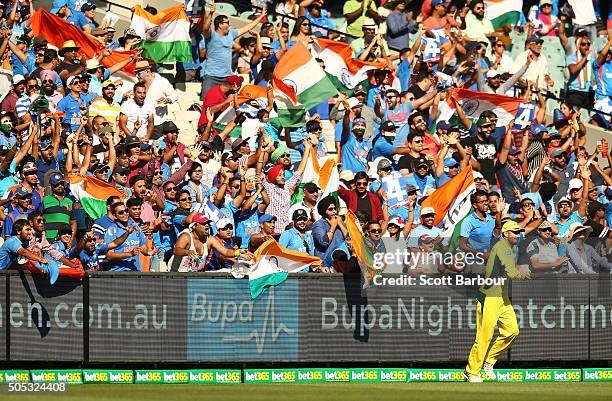
A boundary can bring the crowd to its feet, and play resumes before you've worked out the previous delivery. Use the scoreboard or replay screen for the immediate event. If the venue allows phones and coverage is good, same-match commentary on your phone fills in what you missed.
Check interruptions, revised targets and the final result
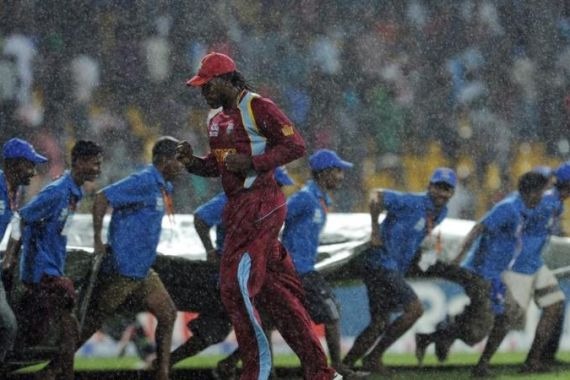
A match can stay on a live-score page while play is paused or its conditions change. An innings break, a rain delay, end-of-day stumps and an official result are different states, even when the headline score stays the same.
In limited-overs cricket, rain can reduce the available overs or lead to an officially revised target. The Duckworth-Lewis-Stern method accounts for scoring resources, including overs and wickets. The ICC's DLS explanation sets out the principle.
Suppose rain interrupts the fictional chase above. If officials announce new overs or a changed target, the original requirement of 19 from 15 no longer applies. Follow the newly reported conditions for that match.
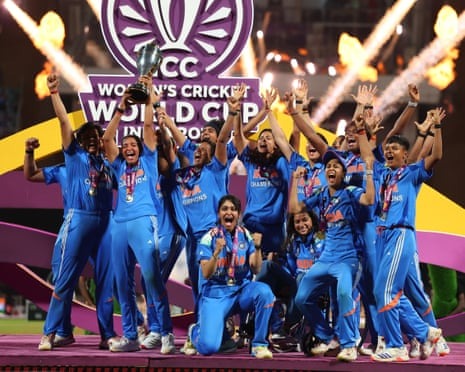
A delay can end with play resuming unchanged, a revised chase or an abandoned match. Once play has ended, read the official result and margin to tell a win, draw, tie or no-result apart.