Follow four things in your first cricket match: the striker, the score, the valid-ball count and the wickets. In a game with one innings per side, they show how the first innings turns into a chase and a result. Test matches and rain-adjusted games need their own explanation. During your next match, track one full over and predict who will face the following ball.
Picture two cricket teams, Harbor and Ridge. Harbor bats first, Ridge bowls and fields, and you're watching from the opening delivery. Both teams are fictional, so every score below belongs to the same teaching example.
The Shape of a Cricket Match: Who Is Trying to Win?
One side bats to score runs while the other bowls and fields to limit runs and dismiss batters. A full team has eleven players.
The simplest way to follow a limited-overs game is to see it as two turns at batting, called innings. Harbor bats first and builds a total. Ridge then bats, knowing exactly how many runs it needs to win.
Here's how the match unfolds:
- Toss: The winning captain chooses to bat or field.
- First delivery: A bowler sends the ball toward the batter facing.
- Overs: Deliveries are grouped into sets of six valid balls.
- First innings: Harbor bats until it's all out or its 20 overs are used.
- Chase: Ridge bats with a target to reach.
- Result: The side with the higher total wins.
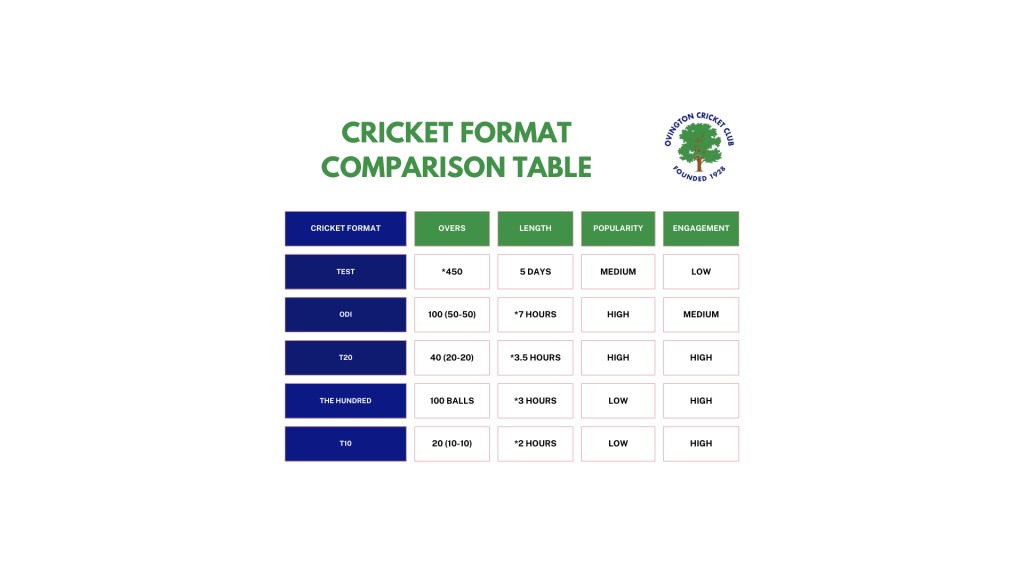
Our example uses one 20-over innings per side, the familiar T20 structure. For other formats, see T20, ODI and Test cricket compared.
Before the First Ball: The Toss and the Players
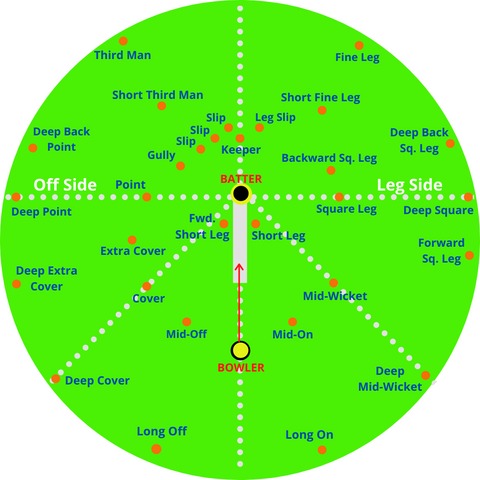
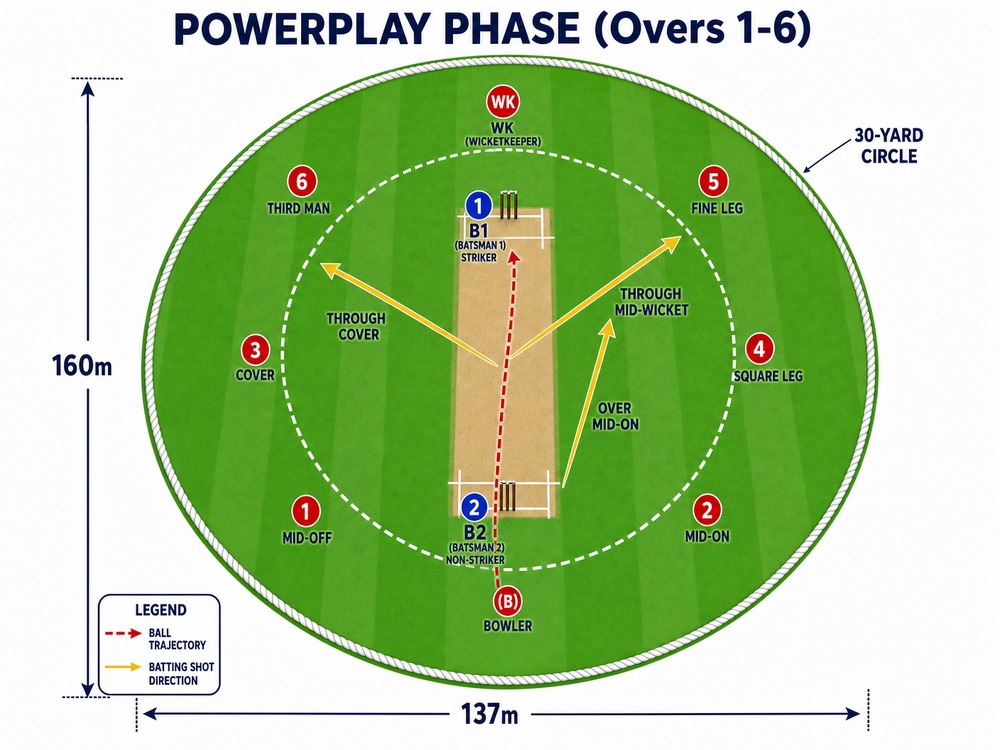
Harbor's captain wins the toss and elects to bat. Two Harbor batters walk out together: A stands at the end facing the bowler, and B waits at the opposite end.
A is the striker, because A receives the next delivery. B is the non-striker, though B is very much involved in the game and may have to run.
Ridge has fielders around the ground, but only a few positions matter for the first delivery:
- Bowler 1: Delivers the ball from one end of the pitch toward A.
- Striker A: Faces the delivery and tries to score.
- Non-striker B: Waits near the bowler's end, ready to run if the pair attempts a run.
- Wicketkeeper: Stands behind A's wicket and collects the ball when needed.
- Umpires: Supervise play and make decisions under the rules.
The pitch has a wicket at each end. Each wicket consists of stumps and bails, and the marked crease lines help show whether a batter has reached safety during a run.
Imagine looking down the pitch from behind Bowler 1. B is near you, A is at the far end, and the wicketkeeper is behind A. That arrangement is the starting point for Harbor's first ball.
What Can Happen on a Single Delivery?
Here are the outcomes you'll see in Harbor's first over:
| Delivery outcome | Runs added | Counts as a valid ball? | Effect |
|---|---|---|---|
| Dot ball | 0 | Yes | Play advances without scoring |
| Completed single | 1 | Yes | Batters exchange ends |
| Two completed runs | 2 | Yes | Batters return to their original ends |
| Boundary four | 4 | Yes | Ball reaches the boundary after touching the ground |
| Boundary six | 6 | Yes | Ball is hit beyond the boundary without first touching the ground |
| Plain wide | 1 extra | No | Score increases; another valid ball is still needed |
| Bowled dismissal | 0 | Yes | One wicket is lost |
A boundary is a different way to score. A hit that reaches the boundary along the ground is awarded four, and a hit that clears it in the air earns six. Batters don't need to run four or six to receive those awards.
A wide is an illegal delivery. In our example, a plain wide adds one extra run to Harbor and doesn't advance the valid-ball counter. A no-ball is also an illegal delivery, with its own conditions.
When the Batters Run, Who Faces Next?
A completed single changes which batter faces the next delivery. Both batters run toward the opposite wicket, so A and B exchange ends.
Suppose A gently pushes the first ball into the field and calls for a run. A starts from the striker's end, B from the non-striker's end, and both reach the opposite ends safely. Harbor has scored one run, and B now stands where the next delivery will arrive.
That change is called changing the strike.
If the pair completes two runs, both runners cross the pitch twice and return to their original ends. The same striker then faces the following delivery.
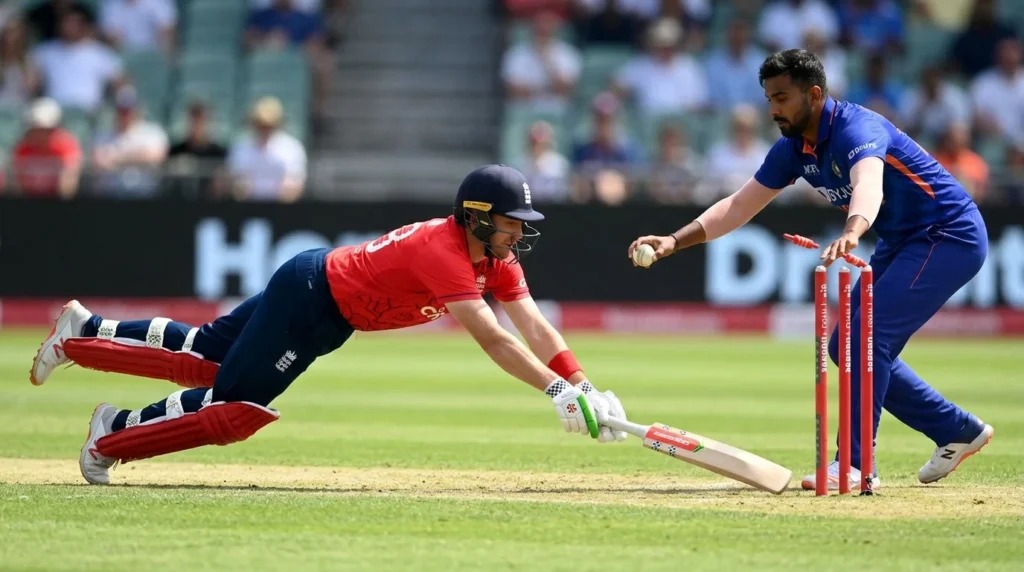
Both batters must make their ground before the fielding side can complete a run out.
One amateur cricketer described an especially unfortunate first ball for a new club:
First ball I wanted to get off the mark nice and quickly, settle the nerves, so I dropped the ball in to the off side and called for a quick single, got my head down and ran hard. After a few paces I looked up and realised my mistake. I'd completely forgotten that my opening partner was George, the clubs chairman. George was a lovely man and from what I'd seen in the nets a decent batsman, he had a good eye for the ball and hit it damn hard. ... I made my ground, George was about 10 yards short. First ball for my new club and I'd run out the club chairman, but it gets worse.
The batter who called the run reached safety; the partner did not.
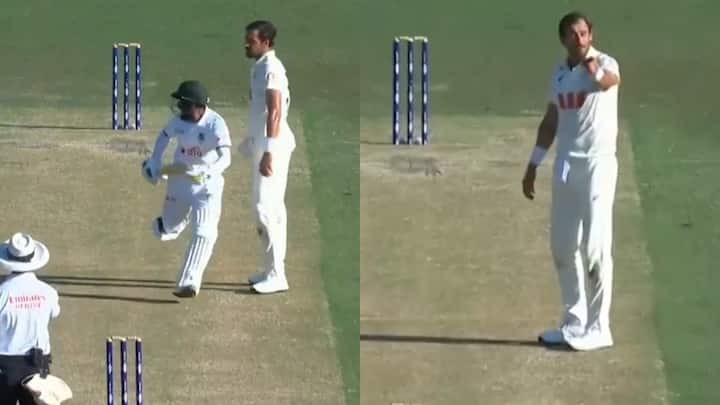
In Harbor's opening delivery, both A and B complete their run, so B faces the next ball. Later in the over, a new batter named C completes two runs and remains the striker for the following delivery.
One Over, Ball by Ball: The First Six Valid Deliveries
An over consists of six valid deliveries. Harbor's first over takes seven physical deliveries, because Ridge's bowler sends down one wide that doesn't count toward the six.
Start at 0/0: Harbor has zero runs and has lost zero wickets. A is facing Bowler 1, with B at the other end.
| Physical delivery | Striker | What happens | Runs added | Harbor score | Valid balls completed | Next striker |
|---|---|---|---|---|---|---|
1 (0.1) |
A | Completes one run | 1 | 1/0 |
1 | B |
2 (0.2) |
B | Dot ball | 0 | 1/0 |
2 | B |
3 (0.3) |
B | Hits a boundary four | 4 | 5/0 |
3 | B |
4 (0.4) |
B | Bowled; C comes in | 0 | 5/1 |
4 | C |
| 5 (wide) | C | Wide delivery | 1 extra | 6/1 |
4 | C |
6 (0.5) |
C | Completes two runs | 2 | 8/1 |
5 | C |
7 (0.6) |
C | Dot ball; over ends | 0 | 8/1 |
6 | A, next over |
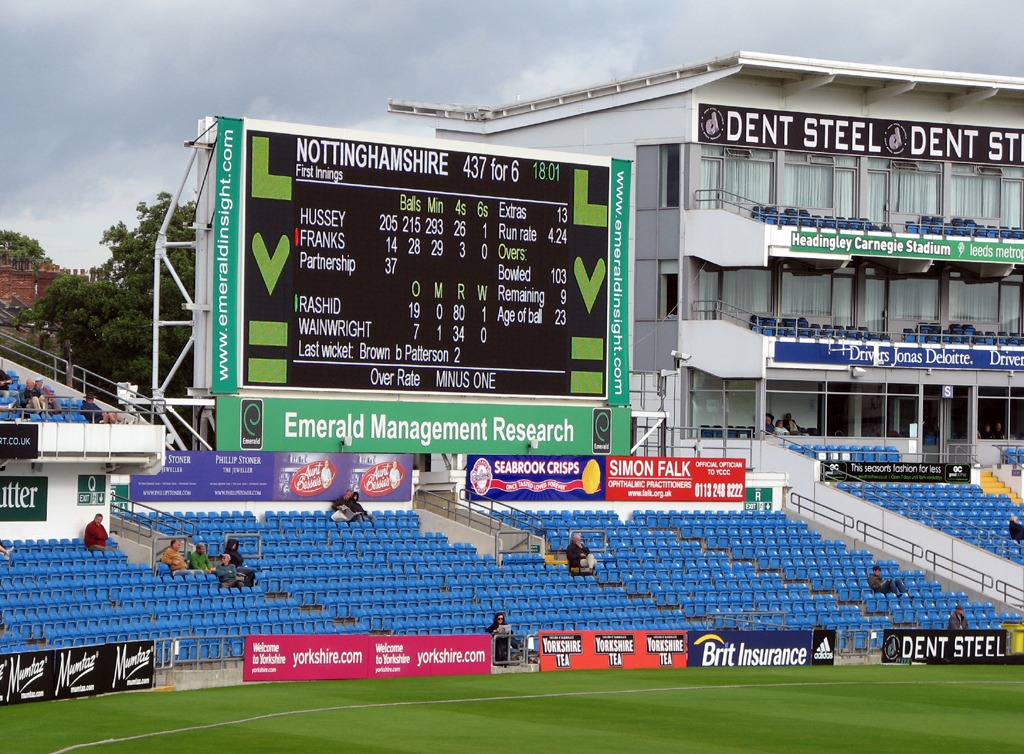
At the end, Harbor has seven runs from the bat and one wide extra, with one wicket lost. The scoreboard reads:
Harbor 8/1 (1.0)
The final number records one completed over.
The notation after the score counts completed overs and balls in the current over. For example, 2.3 means two complete overs plus three valid balls: fifteen valid deliveries in total. Cricket's over notation isn't a decimal measurement.
When the over ends, bowling switches to the opposite end, where a different bowler begins the next over. C faced the final delivery without running, so A will receive the next ball in this example.
The MCC Laws of Cricket, 2026 edition, effective October 1, 2026, provide the general rules for overs and scoring. International competitions may apply additional ICC playing conditions.
For more on over counting, see how overs and legal balls work, which covers how wides and no-balls are counted.
What Happens When a Batter Is Out?
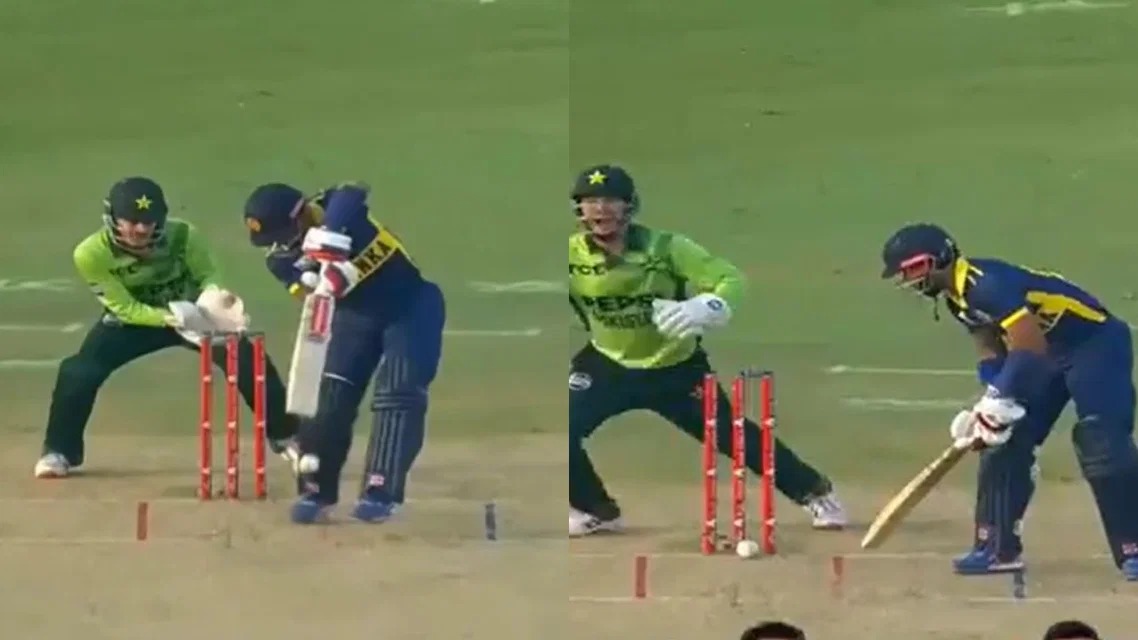
When a batter is dismissed, the batting side loses a wicket. The score records wickets lost separately from runs.
The word wicket has two familiar uses. It can mean the physical stumps and bails, or it can refer to a dismissal in the score. In Harbor's example, B is bowled when the delivery breaks the wicket, so the score changes from 5/0 to 5/1.
Learn these three dismissals first:
- Bowled: The bowler's delivery puts down the batter's wicket.
- Caught: A fielder legally catches the batter's shot.
- Run out: The fielding side dismisses a batter who hasn't made their ground during the play.
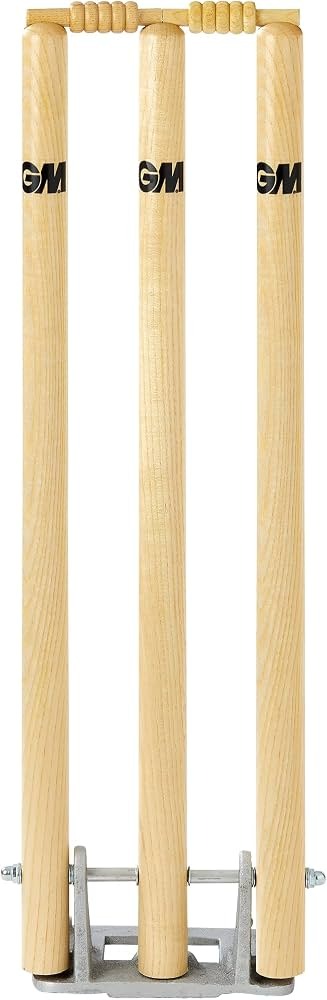
A new batter walks in after a dismissal. Harbor sends in C after B is bowled. Four valid balls have been completed at that point, so the over continues from the fifth valid ball with C facing.
One wicket doesn't end the innings. An innings commonly ends when ten wickets have fallen, because the last batter has no partner left.
Each dismissal has detailed rules of its own, covered in the different ways batters can be dismissed.
When Does an Innings End?
After one over Harbor is 8/1, so the innings has barely started. In this fictional T20 match, a side can bat for up to 20 overs (120 valid balls), or less if ten wickets fall. The other nineteen overs go unshown, and Harbor finishes at 150/6 (20.0). Ridge then bats while Harbor bowls and fields.
The Chase: How the Second Team Wins
Ridge knows its target before facing a ball. Harbor scored 150, so Ridge needs 151 to win this completed match.
A chase ends as soon as the batting side reaches the runs it needs. The team batting second doesn't have to use every available ball.
Here's the full progression of our fictional game:
| Match stage | Score | Overs | What it means |
|---|---|---|---|
| Harbor after opening over | 8/1 |
1.0 |
First innings still underway |
| Harbor final | 150/6 |
20.0 |
Ridge's winning target is 151 |
| Ridge final | 151/5 |
18.4 |
Ridge wins by five wickets |
Ridge faced 18 complete overs plus four valid balls, giving:
18 × 6 + 4 = 112 valid balls.
A full allocation of twenty overs contains 120 valid balls, leaving eight unused when Ridge passes Harbor's total.
Ridge lost five of its ten wickets, leaving five in hand, so it wins by five wickets.
If Ridge had ended its innings below Harbor's total, Harbor would have won by the difference in runs.
Follow Your First Match Without Getting Lost
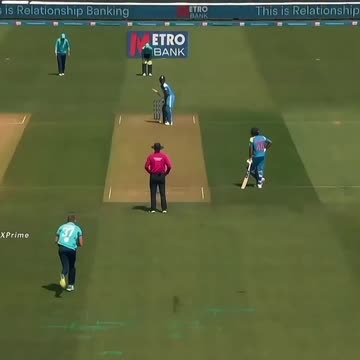
Keep these four details in view:
- Striker: Identify which batter will face the next ball. Watch for completed runs, dismissals and the end of the over.
- Runs and wickets: Read the batting side's total and the number of wickets it has lost.
- Valid balls: Follow the completed overs and balls, especially after a wide or no-ball.
- Innings and target: Check whether the side is setting a score or chasing one, and note the target when there is one.
A backyard or teaching game may use fewer players or modified equipment, so its structure needn't match the full version.
The ICC's criiio program introduces batting, bowling and fielding through simpler activities. If you'd rather play than watch, how to start playing cricket covers beginner participation and a first practice.
For detailed score symbols and displays, see how to read a cricket scoreboard.