Cricket is easiest to follow one delivery at a time. The bowler bowls, the batter tries to score, and the fielders try to stop runs or get the batter out.
What Is Cricket? The One-Minute Answer
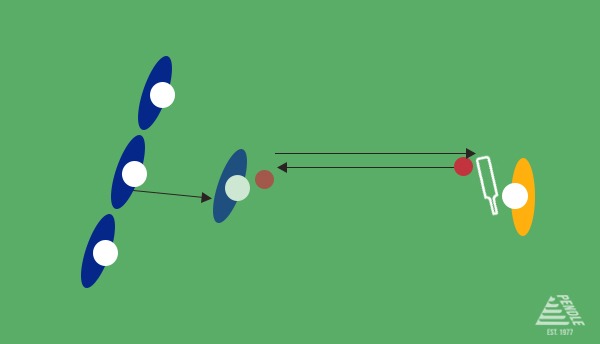
Cricket is a bat-and-ball game between two teams of eleven players each. One team bats and tries to score runs. The other bowls, fields and tries to dismiss the batters.
The game moves one delivery at a time. A bowler sends the ball toward a batter, who may hit it and try to score while the fielders respond. Each delivery adds to the team's runs or to its wickets lost.
The two teams swap roles during a match.
Who Does What on a Cricket Field?
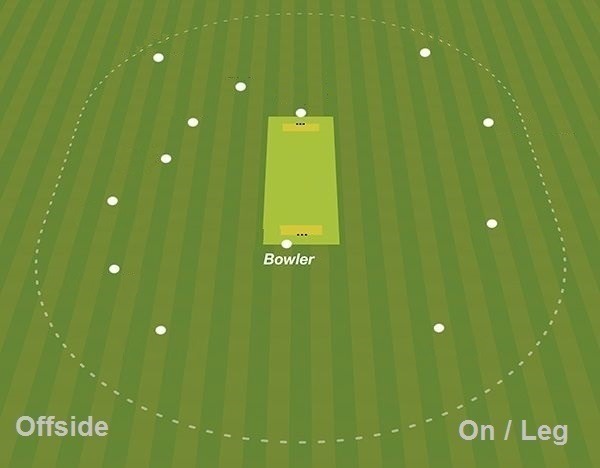
The action centers on a pitch measuring 22 yards, approximately 20.12 meters, with a wicket at each end. Two batters from the batting team stand at opposite ends of it.
| Person or object | What it does |
|---|---|
| Bowler | Delivers the ball toward the batter facing it |
| Striker | The batter facing the current delivery |
| Non-striker | The second batter, positioned at the opposite end |
| Fielders | Try to stop runs and help dismiss batters |
| Pitch and wickets | The playing strip and the wickets at each end |
A wicket is three upright stumps with two bails resting across the top. A team that has “lost a wicket” has had a batter dismissed.
What Happens When the Bowler Delivers the Ball?

Each delivery starts with the bowler sending the ball toward the striker. The batter responds, the fielders react, and the ball ends in one of three outcomes.
Say the bowler releases the ball, the batter hits it along the ground, and the fielders chase it toward the edge of the field. If it reaches the boundary after touching the ground, that's four runs.
| Outcome | What you see | Effect on the score |
|---|---|---|
| Runs | The batters complete runs or the ball reaches the boundary | The team's runs increase |
| No run | The delivery ends without a run or dismissal | Runs and wickets lost stay the same |
| Dismissal | The batter is out | Wickets lost increase |

A ball can also produce extras, such as a wide or no-ball.
How Do Runs, Wickets, and the Score Work?
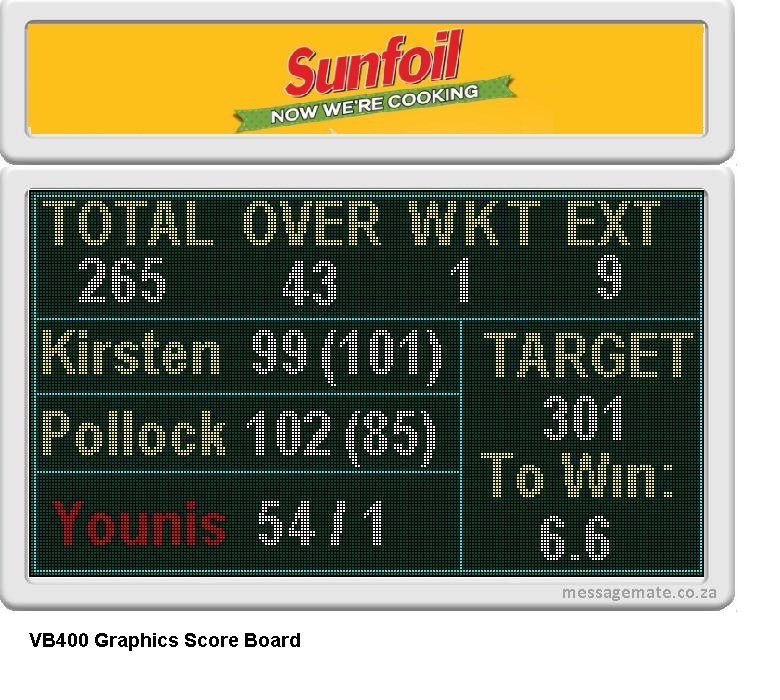
Cricket scores show two numbers separated by a slash. In 12/1, the batting team has scored 12 runs and lost one wicket.
Batters earn a run by running to each other's end of the pitch. When both reach the opposite ends, that's one run. A shot that reaches the boundary scores runs without the batters needing to run.
For a boundary hit with the bat:
- Four runs: The ball reaches the boundary after touching the ground.
- Six runs: The ball clears the boundary without bouncing first.
Example: The score is 12/1. A four takes it to 16/1: four more runs, still one wicket down.
A fan at a Major League Cricket game in June 2025, there in person for the first time, said the scoreboard was hard to follow even after watching several ODI matches.
It should be way more beginner friendly. This league needs to build a fanbase, so hold my hand a bit. For example, "DLS PAR SCORE" turned out to be an incredibly important thing on the scoreboard, but it was really tough to parse for a while. I liked on tv when they showed the overlaid run rate graphs. After a play I couldn't figure out where to see how many runs had been scored, and in general I felt pretty confused. Use the scoreboard to welcome new fans.
What Are an Over and an Innings?
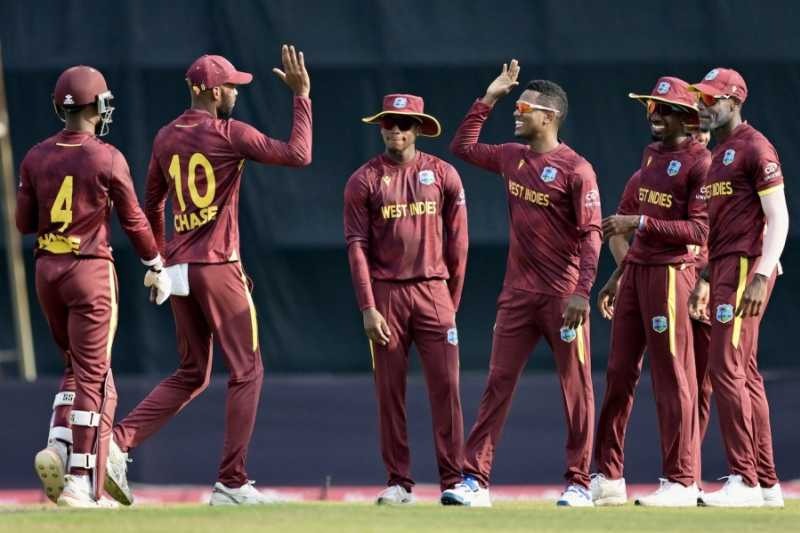
An over is six legal deliveries. A wide or no-ball doesn't count as one of the six, so the bowler has to bowl another legal ball to complete the over.
Overs have a notation of their own. If a score shows 17.3 overs, the digit after the dot is the number of legal balls bowled in the current over:
17 completed overs × 6 balls + 3 balls = 105 legal balls
The notation counts overs and extra balls. It isn't a decimal fraction.
An innings is a team's turn at batting. The word is singular in cricket even though it ends in s.
In a limited-overs match, an innings ends when the side uses its overs or reaches its target while chasing. In any innings, once ten batters are out, no partner is left and it ends.
The MCC Laws of Cricket are the underlying rules framework.
Why Do T20, ODI, and Test Cricket Last Different Amounts of Time?
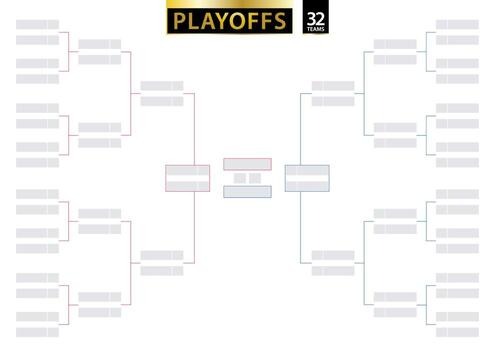
The major international formats share the same batting and bowling mechanics. They differ in how much time and how many innings each side gets.
| Format | Standard full-length structure |
|---|---|
| T20 / T20I | Up to 20 overs per side, normally one innings each |
| ODI | Up to 50 overs per side, normally one innings each |
| Test cricket | Usually up to five days, with potentially two innings per side |
Tests produce much bigger totals because teams get far more time to bat.
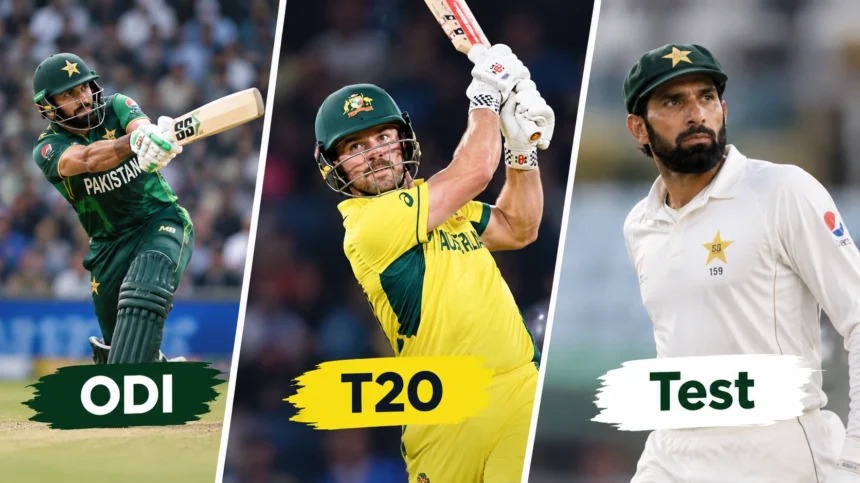
Rain and other interruptions can alter a limited-overs match. A Test can end in a draw even if the run totals differ.
The ICC's guide to cricket formats explains these arrangements in more detail.
Is Cricket Like Baseball?
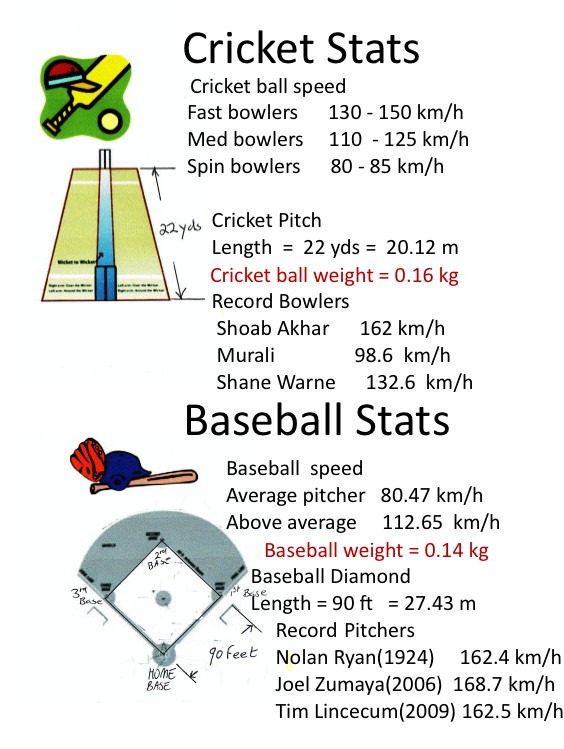
Baseball gives you a starting point: one team tries to score while the other fields. The similarity ends there. Cricket has two active batters running between the ends of a pitch, and deliveries are grouped into overs. Its innings and bowling follow their own rules, not baseball's innings and pitching. The cricket-versus-baseball comparison explains where the similarities help and where the rules differ.
What Should You Watch for in Your First Cricket Match?
The first-match walkthrough follows the wider sequence; the cricket scoreboard guide explains the extra numbers; and the T20, ODI and Test comparison covers the format differences.
Watch one delivery and ask two questions: did the batting side gain runs, and did a batter get out?