Want a whole cricket match in one sitting? Watch a T20. An ODI takes most of a day. A Test runs across sessions and days, so you follow it in pieces.
T20 vs ODI vs Test Cricket at a Glance
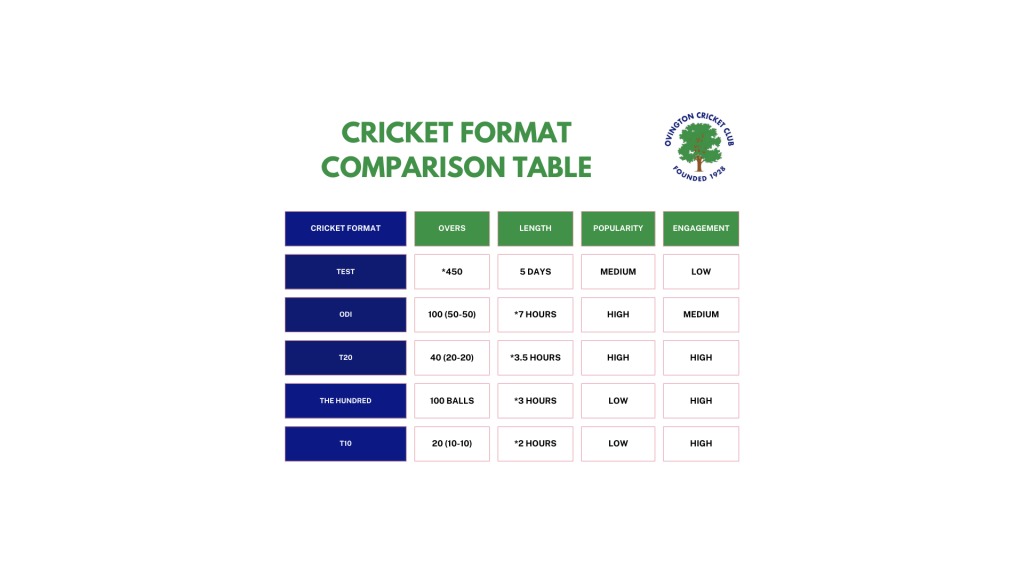
The three formats differ in how many legal balls a team faces, how many wickets it has to spend and how much match time is left. The same scoring shot or dismissal costs a different amount in each.
| Feature | T20 International (T20I) | One Day International (ODI) | Test cricket |
|---|---|---|---|
| Innings per team | One | One | Up to two |
| Scheduled overs per innings | Up to 20 | Up to 50 | No fixed innings over quota |
| Legal balls in a full quota | 120 | 300 | No preset total |
| Approximate match duration | 3 to 4 hours | 7 to 8 hours | Up to five days |
| Batting priorities | Score rapidly with limited deliveries | Balance scoring and keeping wickets | Manage runs, wickets and remaining match time |
| Bowling allocation | Individual bowler limits apply | Individual bowler limits apply | No comparable general innings quota |
| Fielding restrictions | Limited-overs powerplays | Limited-overs powerplays | No equivalent limited-overs powerplay structure |
| Results | Win, tie or no result | Win, tie or no result | Win, draw or, rarely, tie |
| How to follow | One compact match | A full day or selected phases | Sessions across several days |
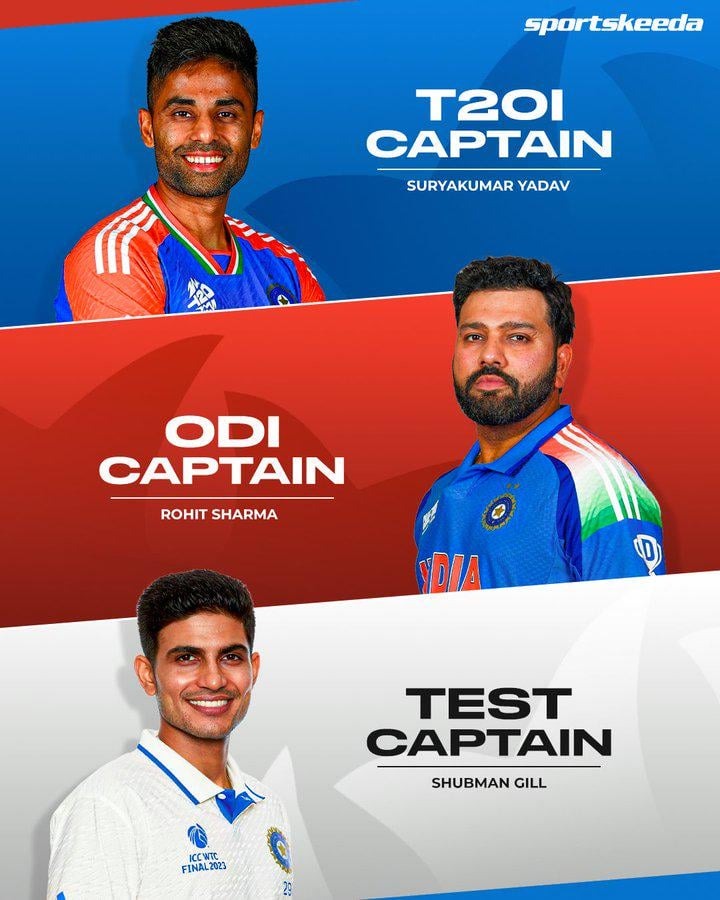
The ICC's overview of cricket formats sets the standard international structures. The over figures are maxima for a full innings. Dismissals, rain and competition conditions can shorten play, so treat the durations as estimates.
New to all three? Start with the cricket formats overview.
Major League Cricket is a familiar example for US viewers: its franchise competition uses T20 matches. T20I means a Twenty20 international between national teams.
What an Over and an Innings Mean in Each Format
An over is six legal deliveries bowled to the batting side. An innings is a team's turn to bat. When a batter is dismissed, the side loses a wicket and has one fewer left.
The dot in an over count separates completed overs from extra balls. It is not a decimal: 102.4 overs means 102 completed overs plus four legal balls.
102 × 6 + 4 = 616 legal balls.
A wide or no-ball can force an extra delivery without adding to the legal-ball count, so an over can take more than six balls to bowl.
Example Test scorecard: 450/8 (102.4 overs). The batting side has made 450 runs and lost eight wickets over 616 legal deliveries.
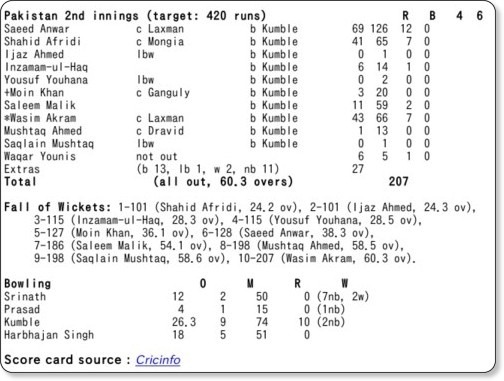
An innings past 100 overs belongs to Test cricket.
Why Batting and Bowling Strategy Changes
Say a team loses three wickets early. What it does next depends on the balls left, the wickets in hand and the state of the match.
T20: Every ball counts
A full T20 innings gives you 120 legal balls, and a ball with no runs uses one up. Taking chances raises the score, but a string of dismissals leaves too few batters for the final overs. Late in the innings the question gets sharper: how much risk can the remaining wickets take when the balls are running out?
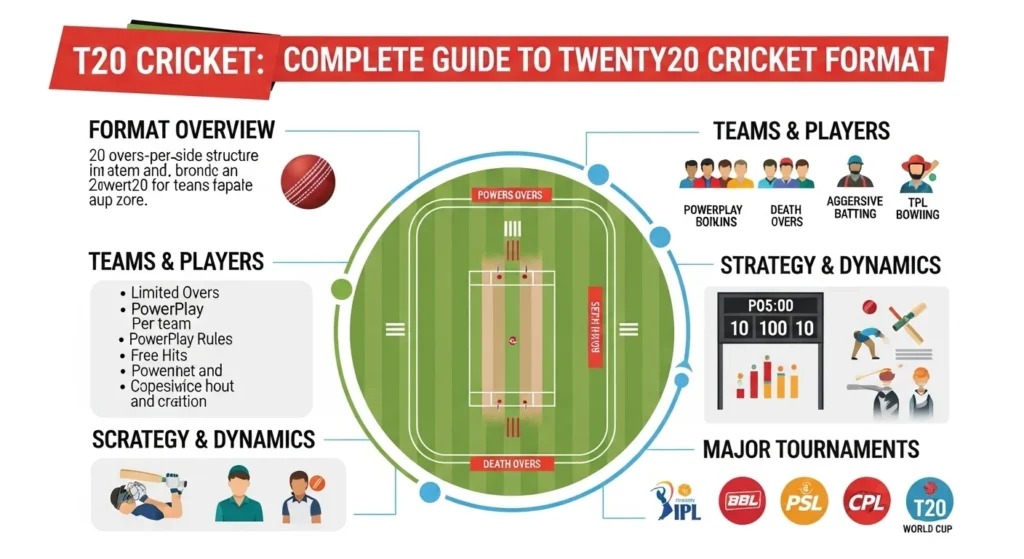
A T20 squeezes the Powerplay and the final chase into 20 overs. The T20 match guide shows how the shortened allocation changes the contest.
ODI: Recovery is part of the plan
With up to 300 legal balls, an ODI side that loses early wickets has time to rebuild. Batters rotate the strike, collect runs and save wickets for a more aggressive finish. The risk is scoring too slowly early and leaving too much for later.
Test: Wickets, targets and time pull against each other
A Test innings has no over cap. After three early wickets, careful defense can protect a fragile position. In another situation a team attacks to set a target or speeds up before a declaration. Sometimes the goal is simply to survive until time runs out.
Bowlers face different limits. Limited-overs formats cap how much one bowler can bowl and use powerplay fielding rules. In a Test, spells are managed across a longer contest. Pitch, target, weather, opposition and wickets in hand shape the right call in all three formats.
Why an ODI Plays Differently from a T20
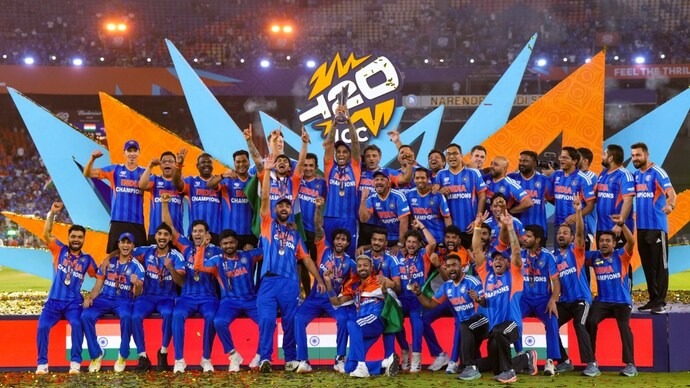
Fifty overs let an ODI innings change character. Early wickets force caution, a steady middle phase builds a platform, and wickets saved for the finish let batters push the scoring rate.
A side batting first that attacks too early risks a thin lineup in the final overs. One that plays too cautiously gives up runs it could have scored while balls were still left.
An Australian contributor to r/Cricket explained why this progression appeals to them:
But I just think that ODIs are theoretically a much better product than T20s, you still have the up and down drama of test cricket, with distinct phases to the game. Wickets are prized and different skills are rewarded to a much greater extent than T20. Most of all theres enough length to the game to be emotionally invested at its conclusion. For me, I often find myself not invested in a T20 match because I've not invested in the "drama" of it.
The same contributor admitted that the middle overs of an ODI can drag. For a fan who likes tactical shifts, that quiet stretch still matters, since it decides who has wickets and scoring options for the final push.
In the last overs, watch how the wickets in hand affect how willing the batting side is to attack. It makes the long middle phase easier to read.
How a Cricket Match Can End: Win, Tie, Draw or No Result
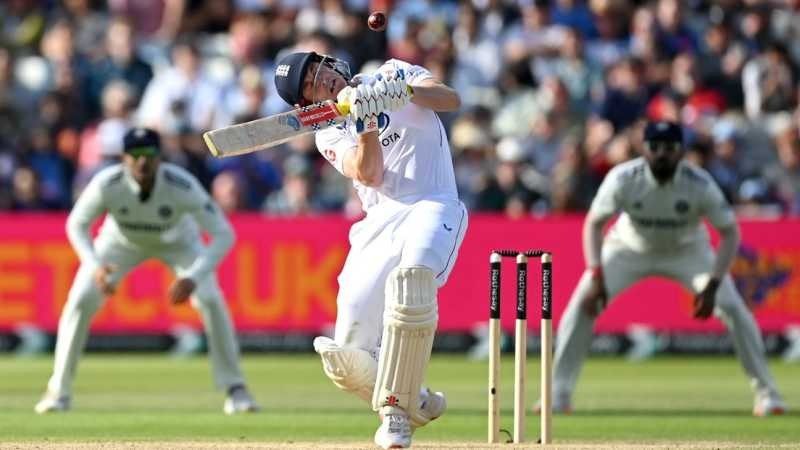
A drawn Test ends without a winner once playing time runs out and neither a win nor a tie has happened. A tie is different: the sides finish level after completing their innings.
| Result | T20I and ODI | Test cricket |
|---|---|---|
| Win | One side wins | One side wins |
| Tie | Possible; a competition may specify a tie-break | Possible but exceptionally rare |
| Draw | N/A | Time expires without a winner or a tie |
| No result | Possible when play cannot produce a valid outcome | Tests use win, tie or draw; separate abandonment provisions can apply |
Say a Test reaches its final scheduled day. The batting side still has wickets, but the bowling side has run out of time to win. The result is a draw, even though the teams' scores differ.
Rain can stop a limited-overs match from reaching a valid result. A tied game may go to a Super Over or another prescribed resolution, depending on the competition's playing conditions.
If a scoreboard shows an unfamiliar result, read the official result label first. It tells you whether the match ended in a win, tie, draw or no result.
What Watching Each Format Feels Like

A T20 puts the scoring contest in front of you right away. An ODI gives a team's plan time to work or fall apart across phases. A Test shifts by session: a wicket, a hard bowling spell or a long defensive partnership can reshape the match while the runs column barely moves.
Go in with the wrong expectation and even a famous matchup can ruin an afternoon. One spectator described taking a companion to watch cricket in Wellington:
Mine was the second day of a test between New Zealand and Australia at the Basin Reserve in Wellington in 2016. My then-girlfriend had agreed to come with me and my friends to a cricket match in an effort to understand my obsession. She thought we were going to a T20 - not only were we going to a day of Test cricket, we went to one of the most dreadfully boring matches I've ever watched.
Test play can have long stretches with few boundaries, and a patient innings can count for a lot in the context of the match. The five scheduled days are a maximum, and a match can end sooner.
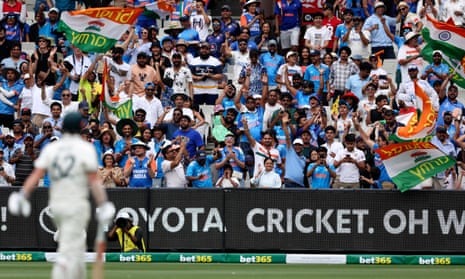
For an in-person outing, check whether the ticket covers one day of Test play or a full limited-overs match.
Which Format Fits Your Viewing Time?
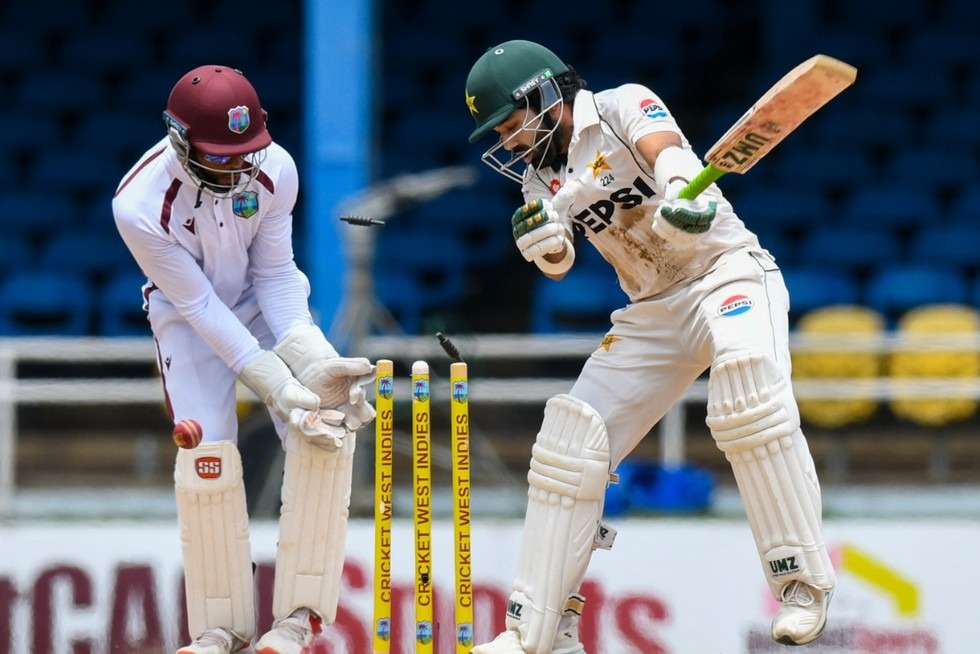
You can follow cricket without watching every ball, especially when a Test fills a workweek.
An American newcomer on Reddit wondered how other fans manage it:
By 'how', I don't mean TV vs Streaming or something like that. What I mean is, say there is a Test match scheduled for your team. The match is going to last at least 3 or 4 days at least, sometimes 5, right? I'm assuming you all have jobs and families and wives with honeydew lists lol. I just can't imagine how anybody could have time to watch a complete ODI match let alone a Test match.
| Time you can give | Useful starting format | How to follow it |
|---|---|---|
| One evening, about 3 to 4 hours | T20 | Watch the full match |
| Much of one day, about 7 to 8 hours | ODI | Watch the whole contest or selected phases |
| Short sessions over several days | Test | Follow daily scores, key spells and highlights |
Have only the last two hours of an ODI? The target, wickets in hand and overs left still make the finish easy to follow. For a Test, check the score at the end of each day, then pick a session to watch.
Which Format Suits Your Viewing Taste?
Think of three moments from otherwise close games. Each tests a different kind of nerve:
- T20: A batting side needs quick runs with a few balls left. Every delivery can change the chase.
- ODI: A team that rebuilt earlier reaches the closing overs with wickets in hand. Will its patient work pay off in a strong finish?
- Test: Batters defend through a hard session with a draw still possible. Survival can decide the match.
The moment that appeals to you shows what you enjoy: instant scoring, shifting tactics or long resistance. The closeness of the contest and the teams involved also shape how gripping a match feels.
How to Recognize the Format from a Scoreboard
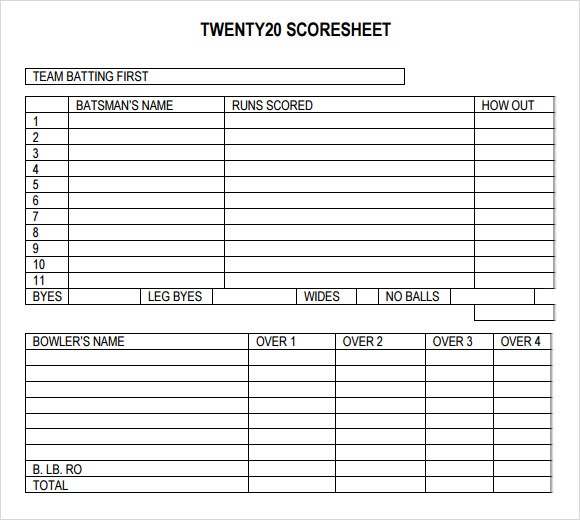
Take two example broadcasts: T20I 142/4 (18.2 overs) and ODI 186/3 (32.0 overs). An innings past 50 overs, like the Test scorecard above, is longer than a standard uninterrupted ODI or T20I allows. A low over count could belong to any of the three formats. The competition's format label tells you which match you're watching. Runs, wickets and overs alone can't tell you who will win.
Which Rules Apply in 2026?
Cricket's baseline Laws come from the Marylebone Cricket Club (MCC). The MCC's fourth edition of the 2017 Code took effect on October 1, 2026. MCC announced 73 material changes.
The International Cricket Council (ICC) publishes playing conditions for international matches. Its revised international conditions apply to series beginning on or after October 1, 2026. A series already underway can continue under the previous provisions.
So an older explanation of bowling limits, powerplays or tie-breaking can differ from the rule used in a given series. The competition and start date decide which version applies.
For a technical dispute, identify the competition and series start date, then check the ICC playing conditions. MCC's Laws set the baseline, and competition conditions supply the detailed match rules.
Not sure where to start? The ODI match guide follows how a 50-over innings develops.