An ODI suits you if you want to follow one international match as it unfolds over most of a day. Each team bats once, for up to 50 six-ball overs. Track the target, the wickets and the balls left, and the chase makes sense. If you want something shorter, start with T20.
What Is an ODI in Cricket?
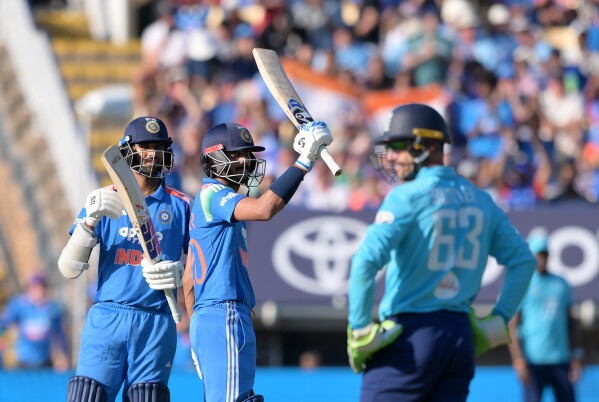
ODI stands for One-Day International. Each team bats once and gets up to 50 overs. An over is six legal deliveries, so a team has at most 300 legal balls. Wides and no-balls don't advance that count. When you check a fixture, look for the ODI designation. Standard T20 gives each team 20 overs, Test cricket can last several days, and a domestic 50-over match doesn't automatically qualify as an ODI under the ICC's format definitions.
How Does a 50-Over ODI Work from Toss to Finish?
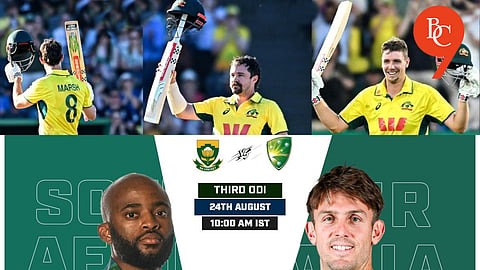
One team bats to set a score, then the other tries to beat it.
| Match stage | What happens |
|---|---|
| Toss | The captains toss a coin, and the winner chooses to bat or field |
| First innings | One team scores runs within its available overs and wickets |
| Innings interval | The teams exchange batting and fielding roles |
| Second innings | The chasing team tries to reach that target |
The first team bats until it uses its overs or its innings ends earlier. A team has ten wickets before it is all out. Bowlers share the overs under the ODI bowling restrictions, with allocations adjusted when the match is shortened.
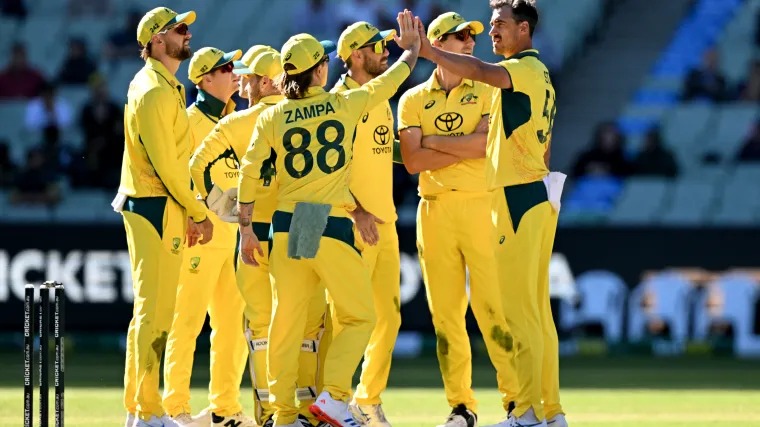
Without interruptions, the chasing team needs one more run than the first side scored. The team batting first tries to build a total without running out of batters.
How Do You Read an ODI Score? USA vs Namibia, October 2026
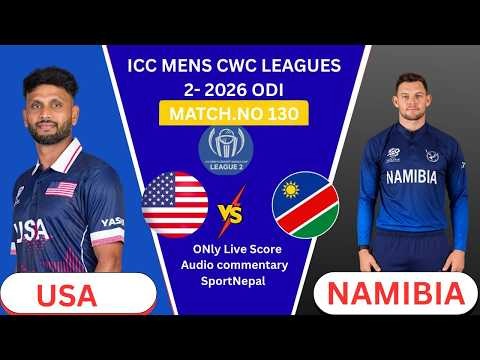
On October 7, 2026, the United States defeated Namibia in an ODI played in Dallas.
According to the ICC match report, Namibia scored 298/9 in 50 overs. The United States replied with 299/6 in 48.5 overs, winning by four wickets with seven legal deliveries remaining.
| Scoreboard detail | What it means |
|---|---|
Namibia: 298/9 (50.0) | 298 runs, nine wickets lost, 50 completed overs |
USA target: 299 | One run more than Namibia's total |
USA: 299/6 (48.5) | 299 runs, six wickets lost, 48 overs and five legal balls used |
In an over count, the digit after the period records legal deliveries in the current over, not tenths of an over. So 48.5 means 48 completed overs plus five legal balls: 48 × 6 + 5 = 293 legal balls used. Of the 300 available, seven remained.
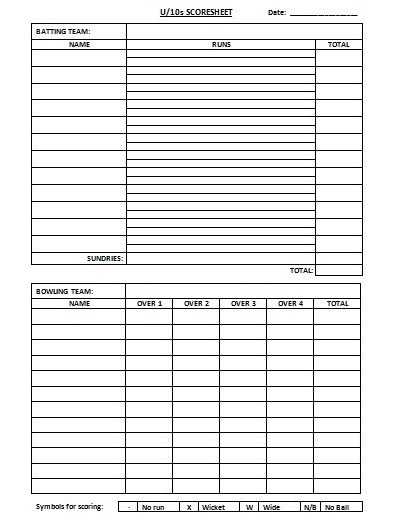
A wide or no-ball carries a one-run penalty and does not count as a legal ball. The bowler delivers another ball to complete the over, so the number of physical deliveries can exceed the legal-ball count on the scoreboard.
Won by four wickets means the United States had lost six of its ten wickets when it reached the target.
Dallas, October 7, 2026: this USA victory clinched the ICC Men's Cricket World Cup League 2 title. The United States had already earned its place in the 2027 World Cup Qualifier before this match. Qualification for the World Cup finals remained a separate step.
The required run rate is the average runs per over a chasing team still needs to reach the target. At the start of the USA innings, that was 299 ÷ 50 = 5.98 runs per over in an uninterrupted 50-over chase. A side can be ahead of the required pace with few wickets left, or keep its wickets and fall behind the rate.

One first-time viewer spent much of the opening hour of a World Cup match working out the scoreboard:
I fall into the third category. I was house/pet sitting at my parents place in November 2023 and just so happened to be up early one morning looking for something to kill some time before my partner woke up and there was a world cup game on, Netherlands and India if I remember correctly. I thought world cup sounded high stakes and so turned it on and spent the next hour or so googling what the heck was happening and how to read the scoreboard but overall found it really interesting and engaging. Oddly one of the things that caught my attention was the use of technology to get the right call, the first time I saw an lbw review blew my mind lol. I proceeded to watch some more highlights and replays airing later in the days.
What Changes During the Powerplays and Middle Overs?
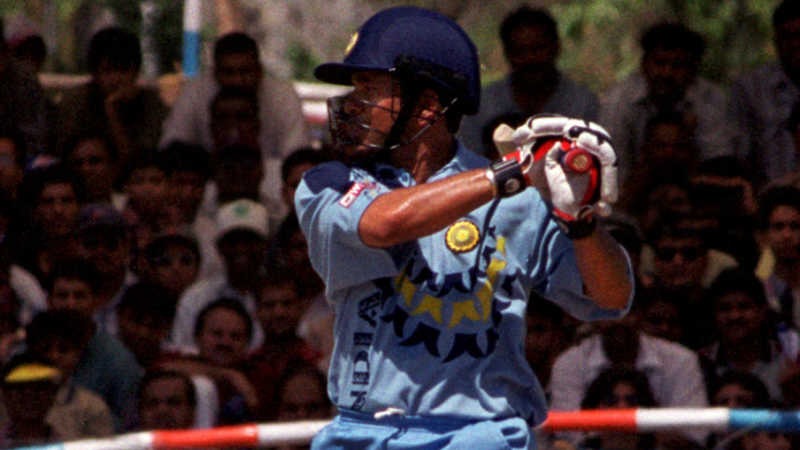
During powerplay phases, rules limit how many fielders can stand outside the fielding circle. That changes the space available for boundary shots and the risk of attacking them. The limits shift by innings phase and come from the men's or women's ICC Playing Conditions, and they change when an innings is shortened. The powerplay rules guide covers what changes.
| Part of the innings | Tactical concern |
|---|---|
| Opening overs | Exploiting scoring chances while avoiding early dismissals |
| Middle overs | Accumulating runs while keeping wickets in hand |
| Final overs | Using the remaining deliveries to increase or complete the score |
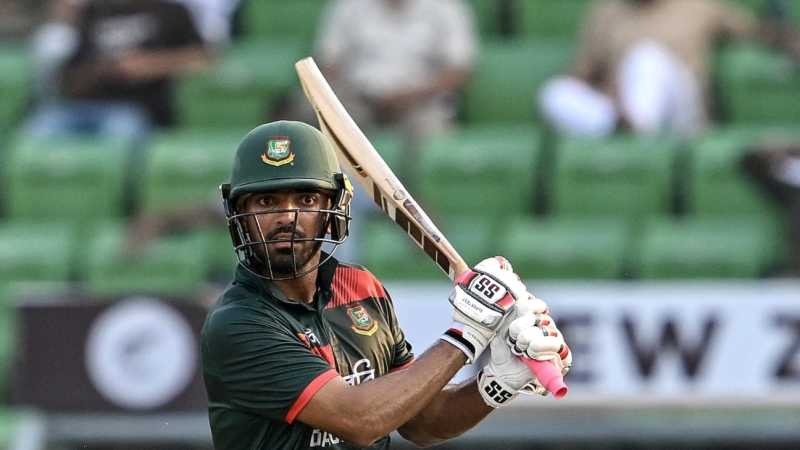
With wickets in hand, a side can take bigger batting risks late in the innings. With only a few batters left, the same attempt at a boundary costs more.
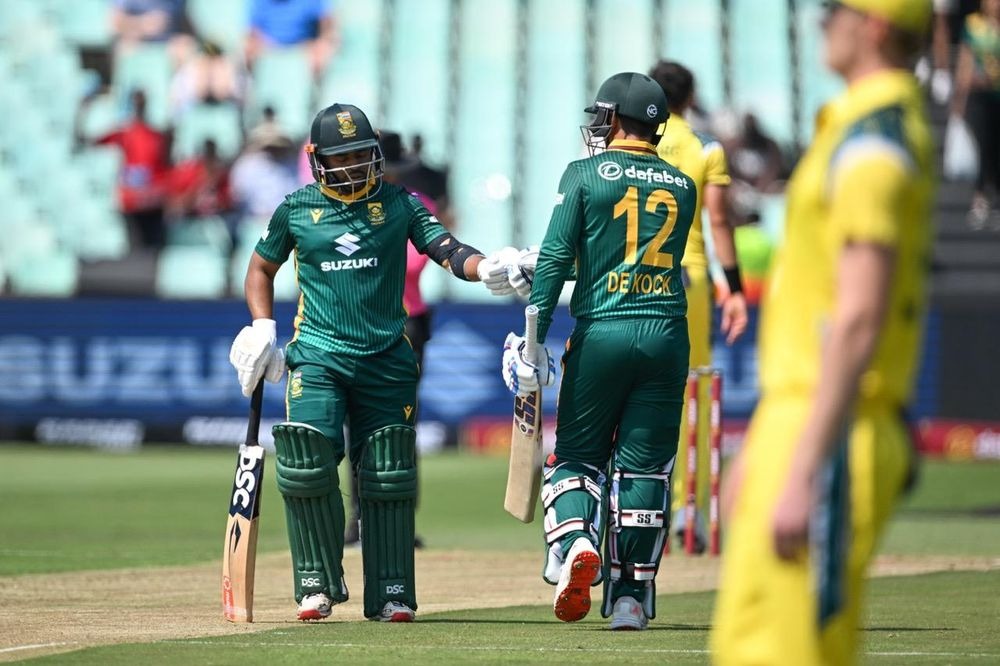
One Australian contributor liked the changing tactics but found some middle overs slow:
Theres long been chatter that ODI is being squeeze out as a format with T20 cricket as the fast food cricket and test cricket as the real deal. But I just think that ODIs are theoretically a much better product than T20s, you still have the up and down drama of test cricket, with distinct phases to the game. Wickets are prized and different skills are rewarded to a much greater extent than T20. Most of all theres enough length to the game to be emotionally invested at its conclusion. For me, I often find myself not invested in a T20 match because I've not invested in the "drama" of it. I suppose one point I'll acknowledge is the middle overs of an ODI can drag a bit long, I wonder if a 40-40 would be a better balance.
The 40-over idea is the writer's own, not an ODI rule.
Can an ODI End Early or Be Shortened by Rain?
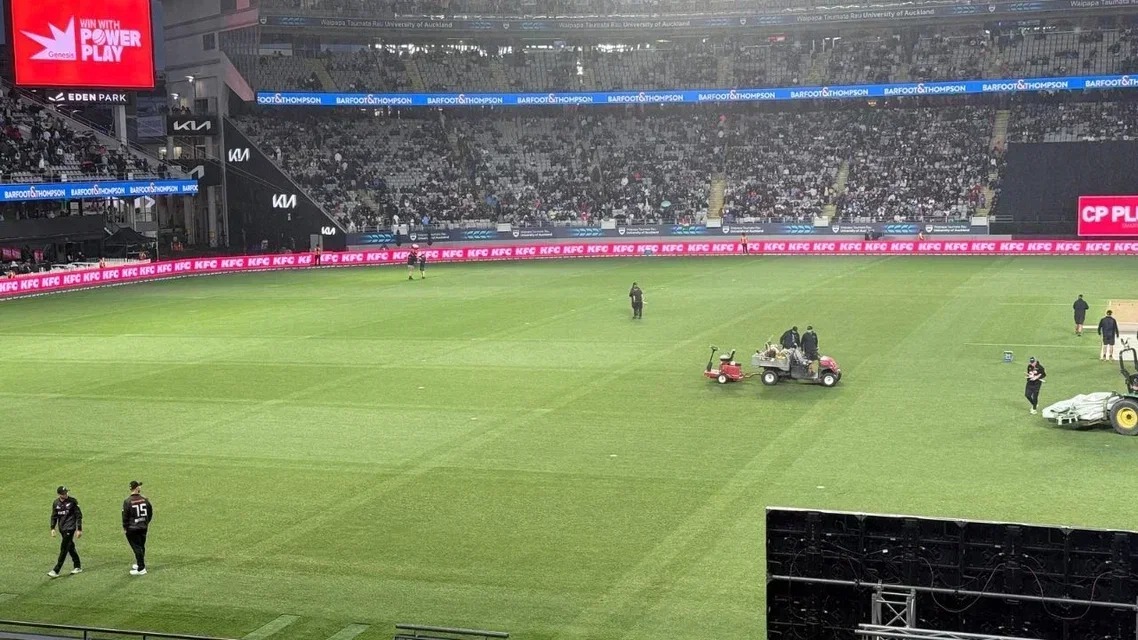
Fifty overs is the standard innings maximum in an ODI. The T20, ODI and Test comparison explains why the innings feel different. If rain or another interruption cuts playing time, the match can continue with fewer overs and a revised target.
| Situation | What happens |
|---|---|
| Batting team all out | The innings ends after its wickets are lost, and unused overs don't have to be completed |
| Chasing team reaches target | The chase ends successfully, with wickets and legal balls possibly remaining |
| Rain-shortened innings | The available overs can be reduced and the target revised, so the displayed target can change |
| Tie | Both sides finish with equal scores under the result conditions, and a tie is a completed result |
| No result | An interruption prevents a valid result, and neither team is recorded as winning the abandoned contest |
The Duckworth–Lewis–Stern method, DLS for short, sets revised targets or results in interrupted limited-overs matches. It counts both overs and wickets, so a revised target can't be worked out by trimming the original score in proportion to the overs lost.
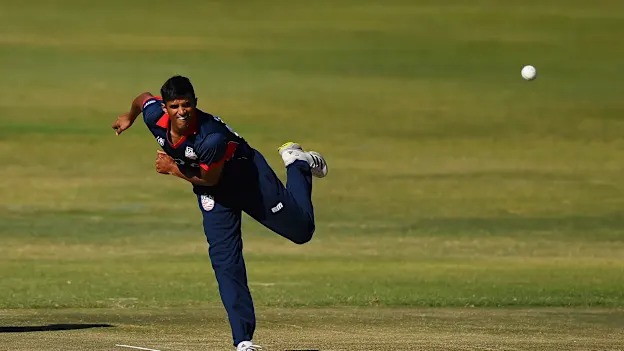
The MCC publishes cricket's general Laws, while the ICC publishes the international ODI Playing Conditions that govern competition-specific details. ICC updates introduced from October 1, 2026 apply to international series beginning on or after that date, and series already underway continue under their previous conditions. The men's, women's and tournament documents are available through the ICC Playing Conditions.
If a scoreboard shows DLS, revised target or no result, the official match status gives the outcome.
How Long Does an ODI Take, and What Is Worth Watching?
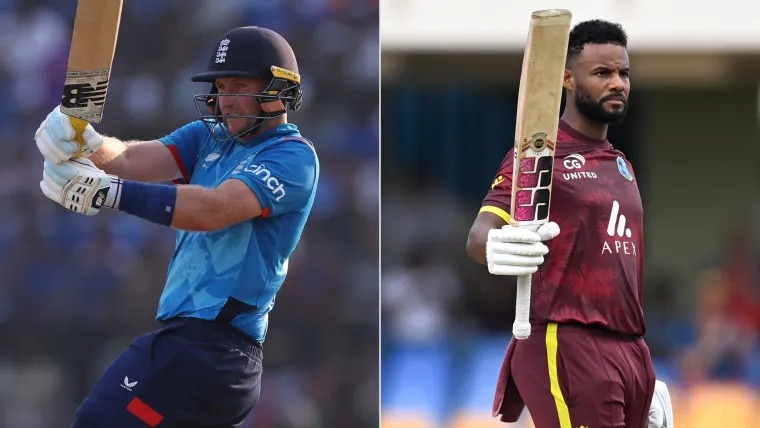
A full ODI takes 7 to 8 hours, including the innings interval. An early finish shortens it, and weather interruptions can stretch the day.
You don't have to watch all of it. The first innings shows how the batting team builds its total. Once it ends, the second team has a target, and its scoring has a clear reference point. If the chase stays close, the final overs are worth your attention, because the balls left limit the time to score.
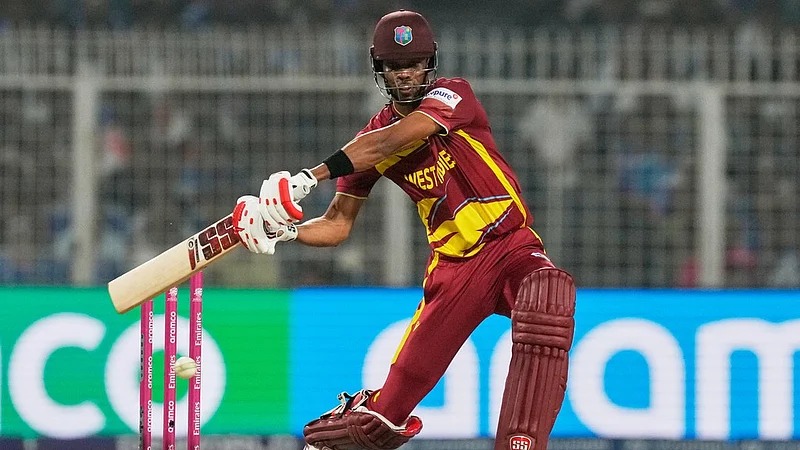
One US-based fan enjoyed ODI strategy but rarely watched a match continuously:
I also like ODIs because they have some of the the the intricate strategy of a test without being excruciatingly long, boring, and impossible to watch like a test. During an ODI, I'd clock in and out to the game repeatedly, or watch it in the background while working or eating, or generally doing something else, of course I'd watch the last 10 overs(the best part of a close game) and I'd watch the highlights afterwards.
Halfway through a chase, compare the runs still needed with the balls left and the wickets in hand. Against the 5.98 runs per over the USA needed at the start, you can see whether the chase is easing or tightening.