In a standard T20 cricket match, each team bats once for up to 20 overs, with six legal balls per over. The first team sets a total, and the second needs one run more to win. Four numbers tell you where a match stands: runs, wickets, legal balls remaining and the required run rate.
How a T20 cricket match works, from toss to two innings
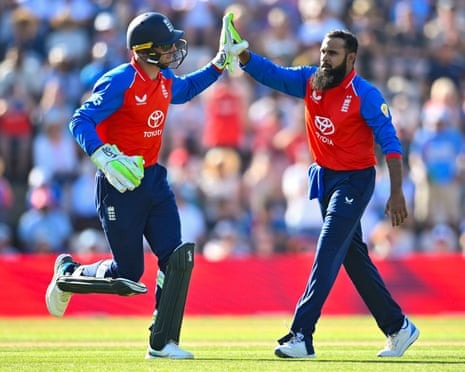
A T20 match has two batting innings, one for each team. Twenty20 gets its name from the limit of 20 overs per innings. The first team tries to post a total that is hard to chase. The second team knows exactly what it needs.
Before play, the captains take part in a toss, and the winner decides whether to bat or field first. Once play starts, the batting team scores while the fielding team bowls, takes catches and tries to dismiss batters.
Batters score by running between the wickets. A ball that touches the ground and reaches the boundary earns four runs. One hit over the boundary without bouncing earns six.
Consider a fictional match that we'll follow throughout this guide. Team A bats first and finishes on 165/7 after 20 overs. It has scored 165 runs and lost seven wickets. Team B now has a winning target of 166.
An innings can end early if a team loses all its wickets, or if the chasing team reaches its target with overs to spare.
Under the ICC playing conditions introduced for international series starting on or after October 1, 2026, a T20 International has a 15-minute innings interval. Specified time-loss circumstances allow that break to be reduced to 10 minutes. The ICC's playing-conditions announcement describes the change.
Reading a T20 score: overs, wickets and legal balls
A score such as 145/5 (17.3 overs) tells you three things: the batting team has 145 runs, has lost five wickets and has completed 17 overs plus three legal balls.
The digit after the dot in 17.3 counts the legal balls in the current over, from zero to five.
For Team B in our fictional chase:
| Scoreboard detail | Meaning |
|---|---|
145 | Runs scored |
/5 | Five wickets lost |
17.3 | Seventeen completed overs and three legal balls |
105 | Total legal balls used |
15 | Legal balls left in a 20-over innings |
17 × 6 + 3 = 105 legal balls
A full 20-over innings is 120 legal balls, so:
120 − 105 = 15 legal balls remaining
A wicket lost means a batter has been dismissed. In an eleven-player team, ten wickets lost end the innings, so at 145/5 Team B still has five wickets in hand. Wickets in hand matter as much as the balls left.
Apply the same reading to any scoreboard. A display of 12.4 means twelve completed overs and four legal balls.
Powerplay rules: why the first six overs look different
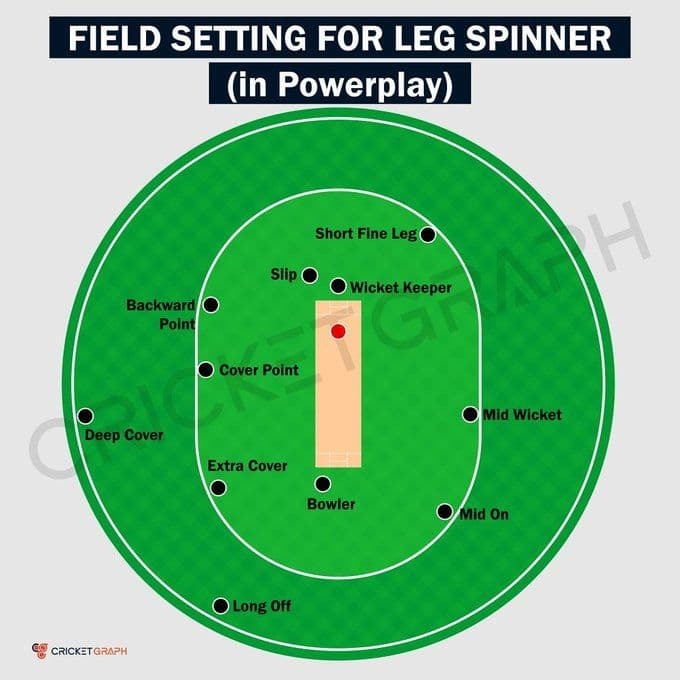
The opening six overs of a standard, uninterrupted ICC T20 International form the Powerplay. During those overs, no more than two fielders may stand outside the designated fielding restriction area. After the Powerplay, the maximum rises to five.
The limit leaves the fielding captain short of boundary protection. Batters find more gaps, though bowlers can still take wickets with the new ball.
Opening, middle and death overs: how the tactics change
A T20 innings is often split into three phases: the opening Powerplay, the middle overs and the death overs. The names describe how teams approach the game as balls and wickets are used.
| Phase | Typical overs in a full innings | Main task |
|---|---|---|
| Opening Powerplay | 1 through 6 | Score against the new ball without losing early wickets |
| Middle overs | 7 through 15 | Keep the score moving and keep wickets in hand |
| Death overs | 16 through 20 | Score as fast as possible with few balls left, while risking wickets |
Only the Powerplay is written into the playing conditions. The middle and death overs are labels, and commentators draw their edges in different places.
In the middle overs, batters collect singles and twos and pick which balls to attack. The fielding captain has to decide whether to hold a specialist bowler back for the final overs, which means someone else bowls now. If early wickets have fallen, the batting team also has to protect the batters it needs for a late push.
Near the finish, few balls remain and batters attack. Bowlers defend the score with whatever overs they have left.
A thread on r/Cricket questioned sending weaker specialist batters to attack in the Powerplay. One commenter explained the risks:
Batting in the powerplay is harder than it seems. You’re usually up against the big ticket bowlers rather than all-rounders, in some parts of the world there can be prodigious swing and seam in the powerplay, and if you’re not hitting boundaries then the pressure release of the single is harder to get. There’s also the obvious but under-appreciated fact that tail-enders just aren’t good batsmen, which is addressed in other comments but is exemplified by the Sunil Narine case: while he initially had some success, opponents quickly worked out that he had some glaring weaknesses that they could exploit, and he couldn’t adapt
The case for it is simple: an aggressive hitter at the top can add runs quickly. The cost is that a quick dismissal removes a batter from the innings.
Why bowlers cannot deliver all 20 overs
In a full-length ICC T20 International, a bowler may deliver at most four of the team's 20 overs. The captain therefore has to spread the bowling among several players and decide when to use each specialist. If a bowler has completed three overs by the end of the 15th, only one more is available, even if the bowler has been especially effective.
The chase: how to tell how many runs are needed to win
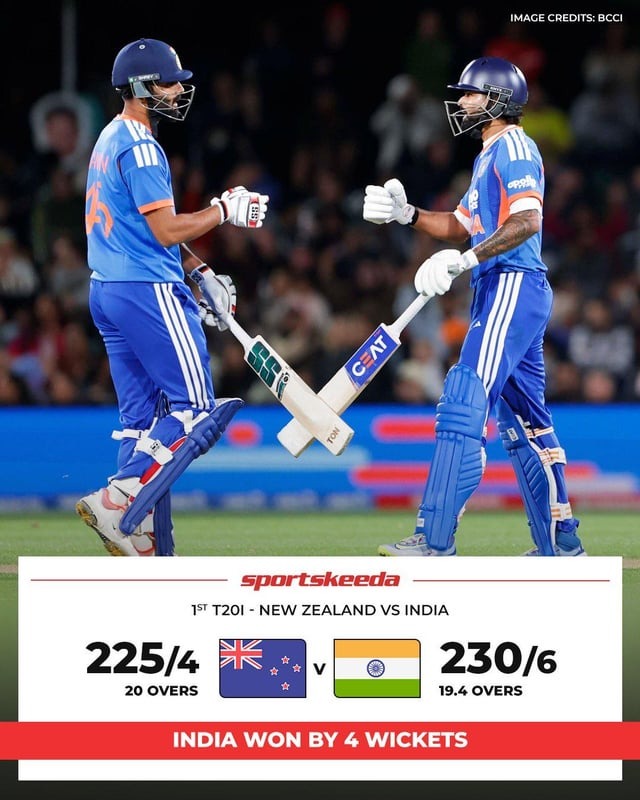
To win an uninterrupted chase, the batting team must score one run more than the first team's total.
Back in our fictional match, Team B is now 145/5 after 17.3 overs.
| Match measure | Value | Calculation |
|---|---|---|
| First-innings total | 165 | Team A's score |
| Winning target | 166 | 165 + 1 |
| Second-innings score | 145/5 | Team B's current score |
| Runs needed to win | 21 | 166 − 145 |
| Legal balls remaining | 15 | 120 − 105 |
| Required run rate | 8.4 | (21 ÷ 15) × 6 |
Required run rate is the pace the chase must sustain over the balls left. Boundaries close the gap quickly, while singles and twos keep the total moving. A wicket brings a new batter in and can force Team B to change its approach.
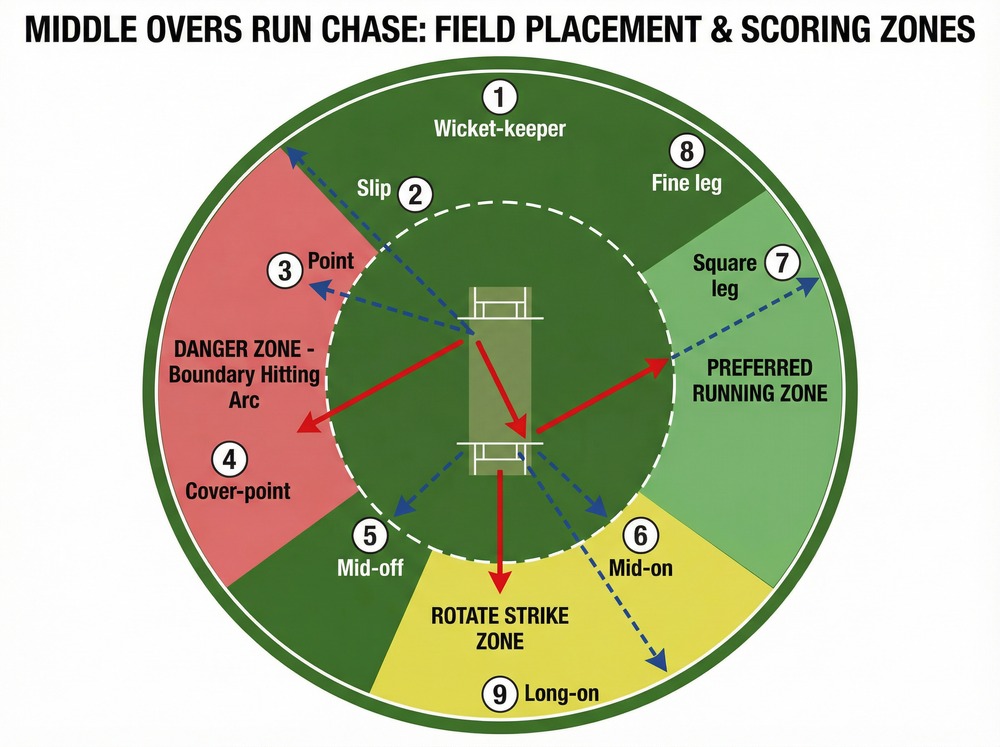
If Team B reaches 166 before its 20 overs are up, it wins and the innings ends. If it loses all its wickets first, any unused balls are gone.
For any other chase, add one to the first total, subtract the current score, divide by the balls left and multiply by six.
Wides, No balls and free hits: why an over can run long
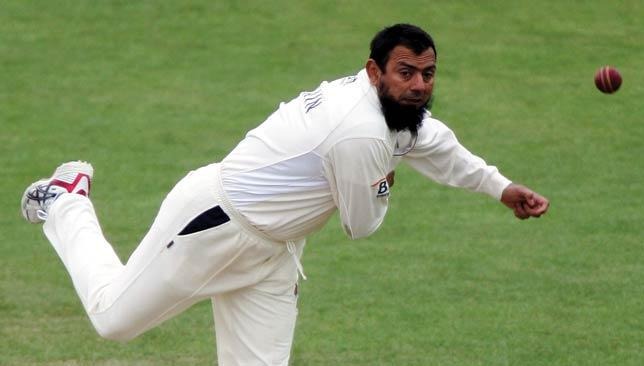
An over lasts six legal balls, so a bowler sometimes has to send down more than six actual balls. A Wide or No ball adds to the score but does not use up one of the six legal balls, so the bowler has to bowl it again.
Imagine this fictional sequence:
Legal · Legal · Wide · Legal · No ball · Legal · Legal · Legal
Eight balls were bowled. Six are legal. The Wide and the No ball are not.
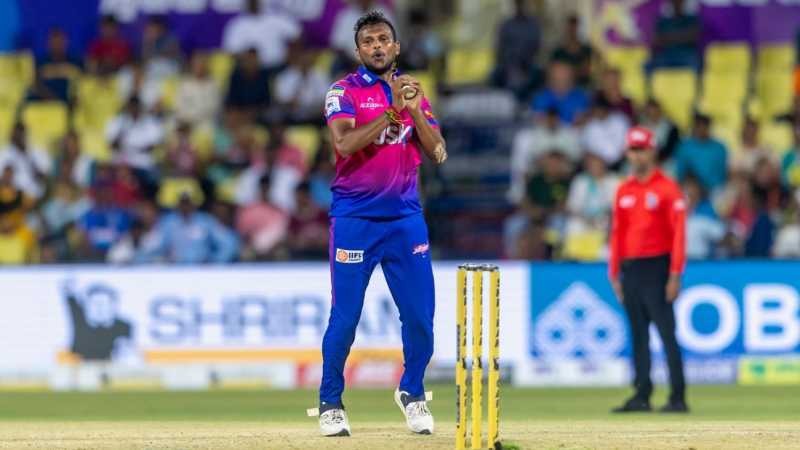
In T20 Internationals, a No ball gives the batter a free hit on the next ball. The fielding team has fewer ways to dismiss the batter on it.
The ICC's October 2026 update also changed how certain leg-side Wides are judged when the batter moves. The position of the batter's leg at delivery is part of the call.
The underlying MCC Laws were updated for October 2026.
In the 2022 Men's T20 World Cup match between Bangladesh and Zimbabwe, an apparent final-ball stumping was overturned after a wicketkeeper-positioning infringement led to a No ball. The ICC documented why another ball had to be played.
Can a batter be run out on a free hit?Yes. The batter facing the ball cannot be out caught or bowled on a free hit, but a run out is allowed. The playing conditions also identify other exceptional dismissals.
Which rules change between T20 internationals and leagues?

A standard full-length ICC T20 International uses six consecutive Powerplay overs at the beginning of an innings. Australia's Big Bash League has used a different structure: four opening Powerplay overs and a two-over Power Surge that the batting team chooses later.
| Feature | Standard full-length ICC T20I | Regular BBL structure |
|---|---|---|
| Opening Powerplay | First six overs | First four overs |
| Additional chosen phase | No separate Power Surge | Two-over Power Surge later in the innings |
| Rules authority | ICC international playing conditions | BBL competition conditions |
| Relevant restriction | International fielding limits | League-specific restrictions and conditions |
Cricket Australia's August 31, 2026 Big Bash update also describes consequences for slow over rates that affect fielding restrictions: the number of fielders, over counts and Powerplay limits. A late restriction in a BBL match can therefore come from a slow over rate, not only from the 4+2 structure.
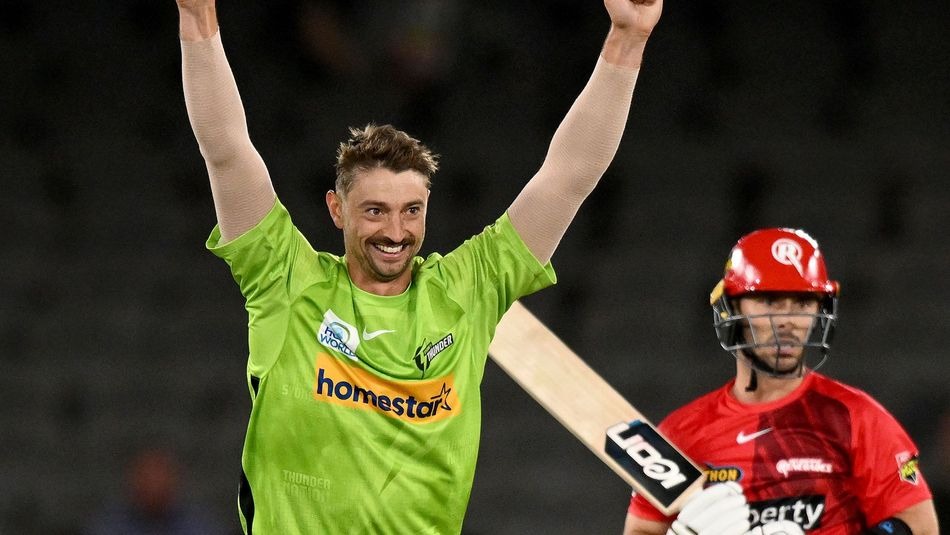
A Reddit user who follows the BBL described what the Power Surge adds:
The BBL has tried several gimmicks in the past however the power surge is one that seems to have worked well. For those that don't follow the BBL, there is no traditional 6 over Powerplay at the start, instead there is a 4 over Powerplay in the beginning and the teams can then decide when to choose the additional 2 overs during their innings. This rule creates an additional tactical aspect of the game, sorta reflecting the ODI Powerplay rules of the past. I'm curious to know which one of the 2 do people prefer? Should the power surge be adopted globally and across t20is?
On screen, the difference is easy to spot: the BBL batting team picks when to use its extra two restricted-fielding overs.
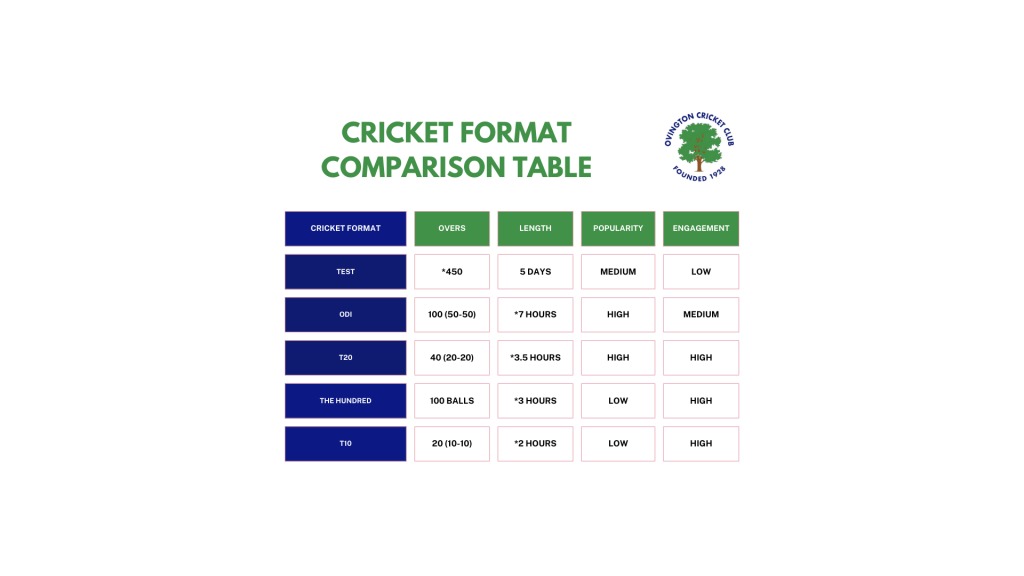
A lost wicket is harder to absorb in T20's 20 overs than in a longer innings. The T20, ODI and Test comparison covers the difference.
When the normal T20 match flow changes: rain, ties and unusual finishes
Weather interruptions and competition-specific result procedures can change the number of overs, the target or how the result is decided.
If rain cuts playing time, the match officials reduce the overs for each team, and the Powerplay restrictions and bowling allocations are adjusted to match.
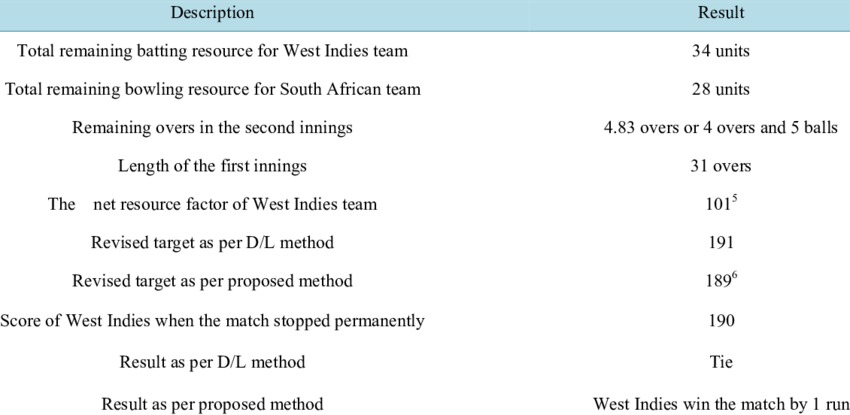
Some competitions use the Duckworth-Lewis-Stern method, or DLS, to set a revised target after an interruption. The revised target takes account of the match situation when play stopped.
A straightforward chase of 166 from 20 overs, like our fictional example, becomes a different calculation if the innings is interrupted, because the adjusted target and overs replace the original ones.
If the scores finish level, some competitions use a Super Over to decide the result.
A match ends with no result when the conditions for declaring a result are not met. That is a separate outcome from a tie or a win.