To work out a cricket score, check three things: whether the ball touched the bat, how it reached the boundary, and which runs count. A boundary awards its allowance or the runs the batters completed, whichever is greater. An overthrow or an extra changes the total and who gets the credit. Compare the team increase with the batter and extras entries on the scorecard.
A batter drives the ball into the outfield. The two batters run once, and the ball rolls over the boundary rope. The scoreboard adds four. On a later delivery, a throw towards the wickets sends the ball to the rope after one completed run, and the scoreboard adds five.
How do batters score runs between the wickets?
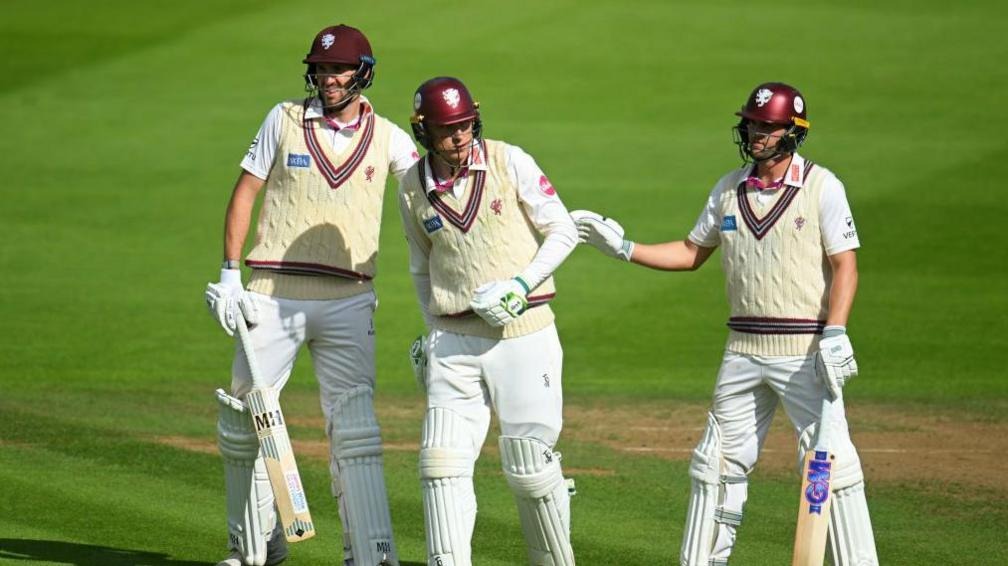
Two batters stand at wickets, the sets of stumps at opposite ends of the pitch. The crease lines show when each batter has made their ground. They complete one run by crossing and making ground at opposite ends, so a stroke kept inside the field can earn two runs, or even an all-run four, through repeated exchanges. Short runs, dismissals and a dead ball affect which unfinished or invalid runs count.
What makes a shot a four or a six?
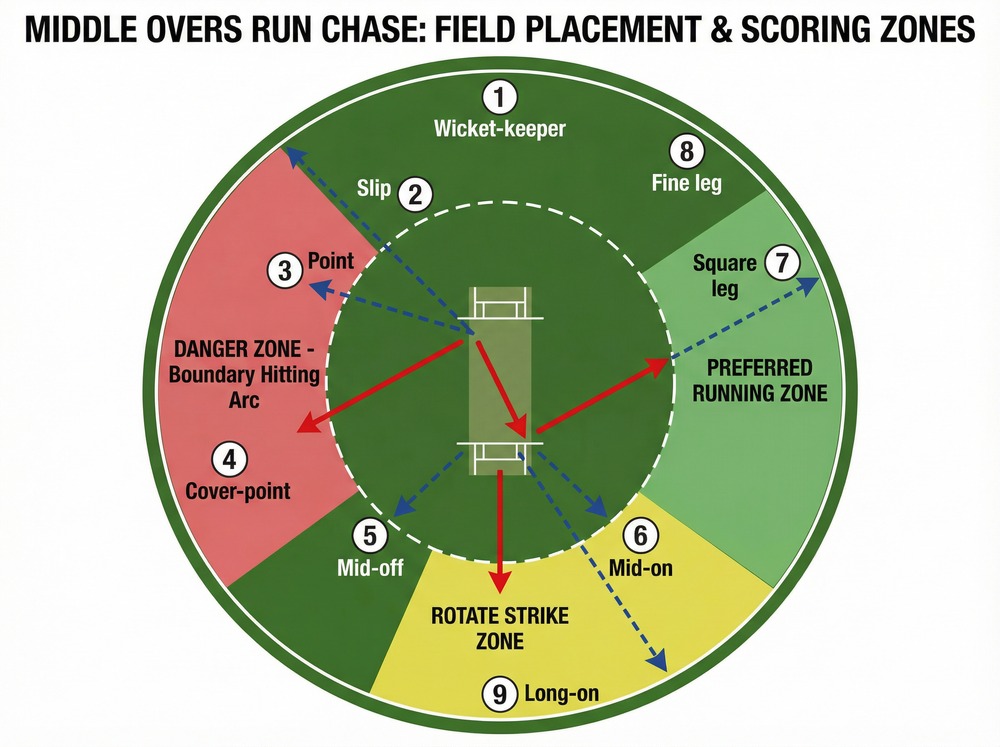
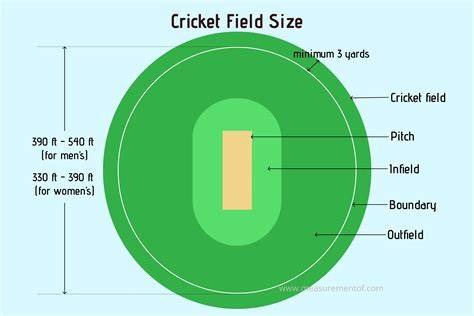
A boundary is the edge of the playing field, often marked by a rope. A standard four is awarded when the ball first grounds inside the field and then reaches the boundary. A standard six needs a ball struck by the bat that lands first beyond the boundary without grounding inside.
| What happened | Standard award | Scoring reason |
|---|---|---|
| Bat-hit ball bounces inside and reaches the boundary | 4 | It first grounded within the field |
| Bat-hit ball first lands beyond the boundary | 6 | It qualifies for a six after a batting stroke |
| Ball passes the batter untouched and crosses the boundary through the air | 4 | The four-run boundary allowance applies; the runs are byes on a legal non-Wide delivery |
A ball can touch a fielder in the air and still count as a six (Law 19.5.2).
Do completed runs get added to a boundary four?
On an ordinary boundary, the team gets whichever is greater: the boundary allowance or the eligible runs the batters ran (MCC Law 19.7.3).
Say the striker hits the ball along the ground. The batters complete one run, and the ball continues to the rope after an ordinary fielding attempt. The allowance is four and the eligible running total is one, so the team gains four runs, all credited to the batter.

The running total includes a run in progress if the batters had already crossed when the boundary was scored. If the runs exceed the allowance, the higher figure stands. A qualifying overthrow follows a separate rule with different timing, covered below.
Who gets the runs: the batter or the extras column?
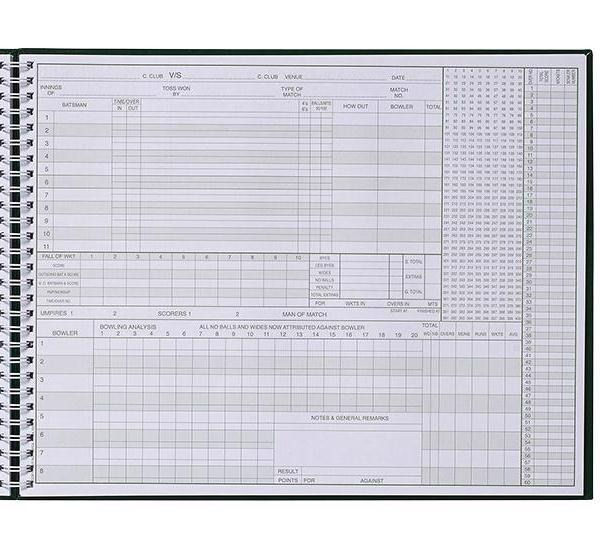
The team's score can rise while the striker's personal score stays the same. The difference is recorded under extras, including No-ball penalties, Wides, byes and leg-byes. The cricket scoreboard walkthrough shows how those extras appear beside the striker's personal score without adding to the batter's runs.
A No ball carries a one-run penalty on top of any eligible runs struck with the bat. Hit that delivery for an ordinary boundary four and the team gets five: four to the batter and one No-ball extra. When a Wide reaches the boundary, all five runs are Wides and the striker gets zero.
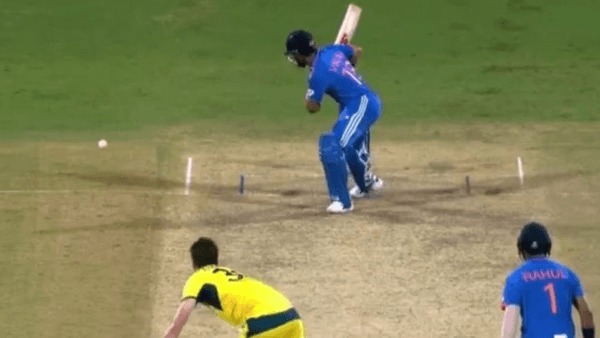
If a legal delivery that is neither a Wide nor touched by the bat or striker reaches the boundary, the four runs are byes. Leg-byes come from contact with the striker's person. For instance, a single off the body counts as one leg-bye if the striker attempted to play the ball or tried to avoid being hit.
When do overthrows add runs to a boundary?
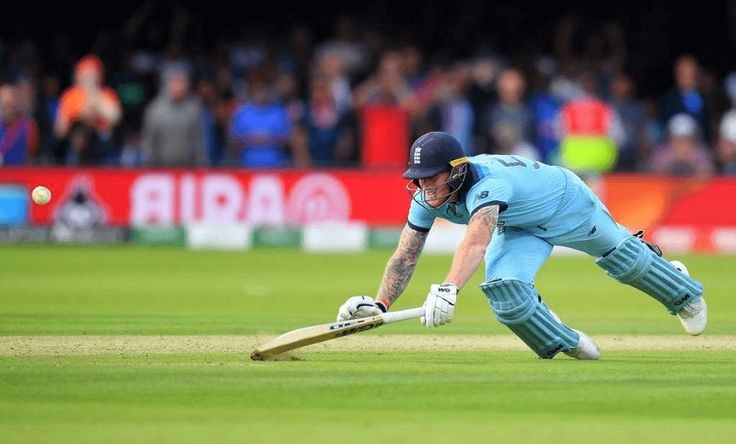
A qualifying overthrow adds the completed running to the boundary allowance. Under MCC Law 19.8.2.1, the umpire decides whether the fielder directed a throw towards the wickets to stop further runs or try a run out before the ball crossed the boundary. The Wide and No-ball comparison separates a No-ball penalty from an overthrow boundary, where the umpire’s decision and the eligible runs affect the score differently.
The 2026 Laws distinguish that throw from an ordinary failed stop. They also exclude a short pass to another fielder made while fielding near the boundary.
| Fielding action after one completed run | Classification | Team award |
|---|---|---|
| The fielder attempts a stop, misses, and the ball reaches the rope | Ordinary boundary | 4 |
| While near the boundary, a fielder makes a short pass to another fielder; it escapes to the rope | Ordinary boundary | 4 |
| The fielder throws towards the wickets and the throw sends the ball to the rope | Qualifying overthrow | 5 |
In the third case, the striker hit the delivery and one run was complete when the fielder threw, with no other runs or penalties. One completed run plus the four-run allowance makes five, all credited to the batter.
Why the instant of the throw matters
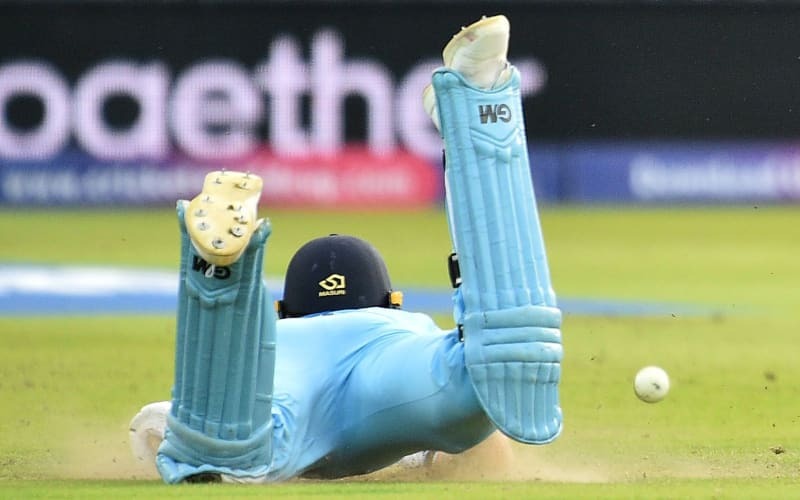
For a qualifying overthrow, Law 19.8.1 counts the completed running at the moment of the throw or specified wilful act. A run in progress counts if the batters had already crossed at that instant. The moment the ball later reaches the rope is not the reference point.
Law 19.8.2.3 adds the wilful act: a deliberate fielding action for any purpose other than preventing runs, making a run out or completing a catch. It gets the special boundary accounting when the law's other conditions are met.
The MCC Fourth Edition of the 2017 Code took effect on October 1, 2026, including the revised definition of an overthrow in Law 19.8.2.
The full wording is in the MCC Laws of Cricket, Fourth Edition (2026).
Can one cricket delivery produce five, six or seven runs?
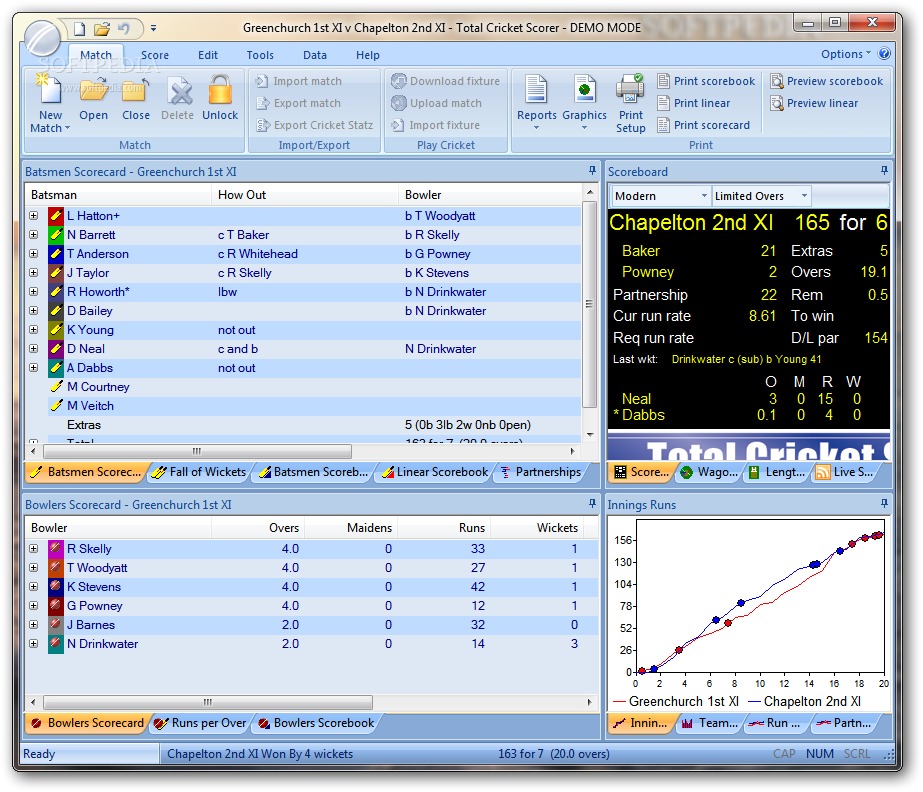
Each row below is a hypothetical delivery under the MCC Laws.
| Play | Team runs | Batter runs | Extras | Why |
|---|---|---|---|---|
| Two completed runs after a legal batting stroke | +2 | +2 | 0 | Completed running |
| Bat-hit ball: one completed run, then ordinary boundary four | +4 | +4 | 0 | Greater boundary allowance |
| Bat-hit ball first grounded beyond the boundary | +6 | +6 | 0 | Boundary six |
| No ball hit for a boundary four | +5 | +4 | +1 | Four batter runs and one No-ball extra |
| Wide reaches boundary without bat contact | +5 | 0 | +5 | Five Wides |
| Legal, non-Wide ball reaches boundary untouched | +4 | 0 | +4 | Four byes |
| Bat-hit ball: one completed run before a qualifying overthrow to boundary | +5 | +5 | 0 | Eligible running plus boundary allowance |
| Four completed runs after a batting stroke, with no boundary | +4 | +4 | 0 | All-run four |
| No ball struck for a qualifying boundary six | +7 | +6 | +1 | Six batter runs plus one No-ball extra |
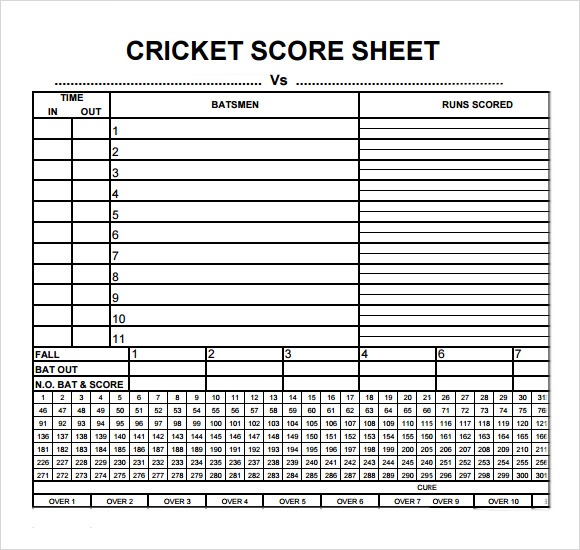
Four completed runs off a bat-hit ball count towards the striker's runs, but the stroke is recorded as an all-run four, separate from a boundary four in batting boundary statistics.
Seven also results when three eligible runs were already completed at the moment of a genuine throw towards the wickets and that throw reached a four-run boundary. A boundary can change the asking rate at once. The run-rate explanation compares runs scored with the target and balls remaining.
How can you check a confusing cricket scoring call?

When the scoreboard jumps by an amount you didn't expect, classify the delivery first.
- Ball contact: Did the ball touch the bat or the striker's person, or pass untouched? Was a Wide or No ball called?
- Boundary: Did the ball reach the boundary, and where was it first grounded?
- Fielding action: Was there a normal attempted stop, a genuine throw towards the wickets, or a separate qualifying wilful act?
- Running: Which runs were completed, and had the batters crossed at the moment relevant to the applicable boundary rule?
- Attribution: Do the team's increase, the striker's runs and the extras breakdown account for the award?
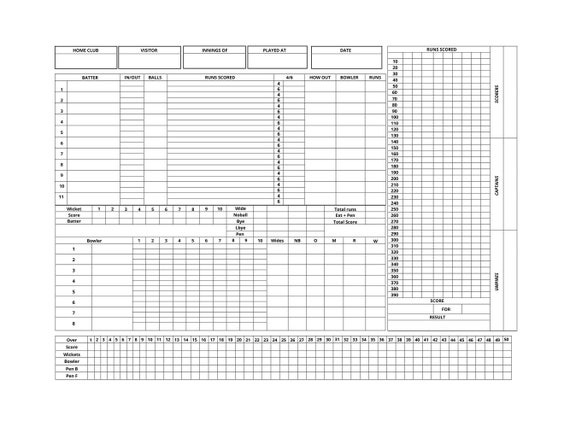
For a disputed incident, the official scoring record and the playing conditions for that match settle it. The ICC playing-conditions index lists the playing conditions for international competitions.