Start with the three numbers in the corner of the screen: runs, wickets and overs. They tell you most of what is happening in an innings. From there, you can learn the rule behind a decision, compare match formats or find a way to play in the United States.
What is cricket, in plain English?
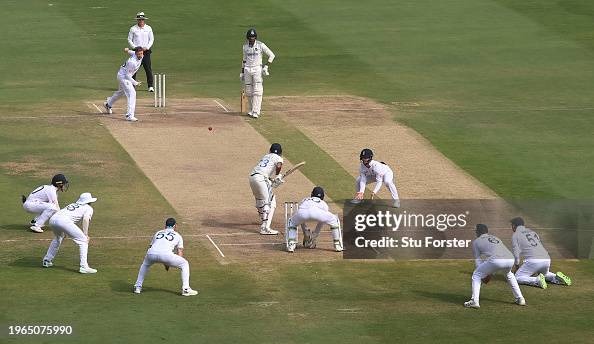
Cricket is a bat-and-ball sport. One side bats to score runs. The other bowls and fields to limit scoring and dismiss batters. The teams swap roles during the match, and how often they bat and for how long depends on the format.
Picture two batters at opposite ends of a central pitch. A bowler delivers the ball toward the batter facing them and the wicket behind that batter, a structure of three stumps. Fielders around the ground try to stop runs and create dismissals. The other batter waits at the far end of the pitch.
A scoreboard gives you three numbers: the batting side's runs, its wickets lost and the overs bowled.
How a cricket match works: innings, overs, runs, and wickets
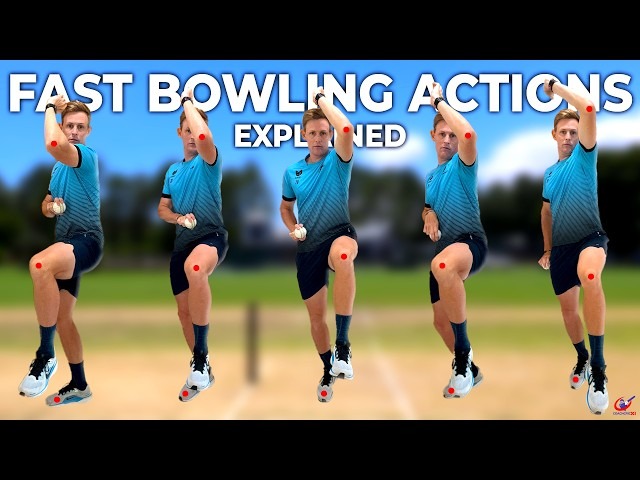
An innings is one team's turn to bat. Batters score by running safely between the two ends of the pitch. A ball struck along the ground to the boundary earns four runs. One hit beyond the boundary without bouncing first earns six. Extras, including wides and no-balls, add to the team's total too.
Deliveries are grouped into overs. A standard over has six legal balls. A wide or no-ball does not count toward those six, so a bowler can deliver more than six times in one over.
For example, after five legal balls and then a wide, the over still has one legal ball to go. The next legal delivery completes it.
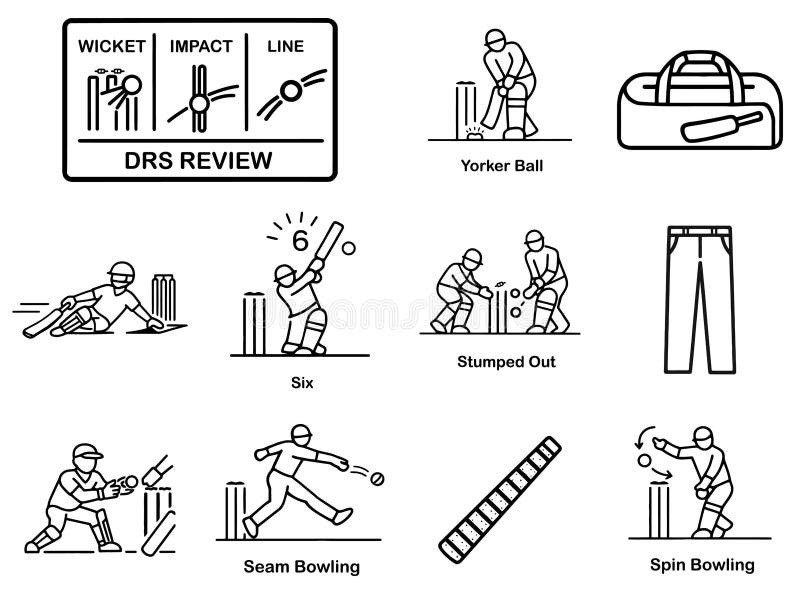
Bowling switches to the opposite end after each over. Which batter faces the next ball depends on where the two batters stand. The two changes are separate.
The word wicket has two meanings. It names the stumps and bails, and it also means a batter's dismissal. A score showing four wickets lost records four dismissals in that innings.
How to read a cricket score without guessing who is winning
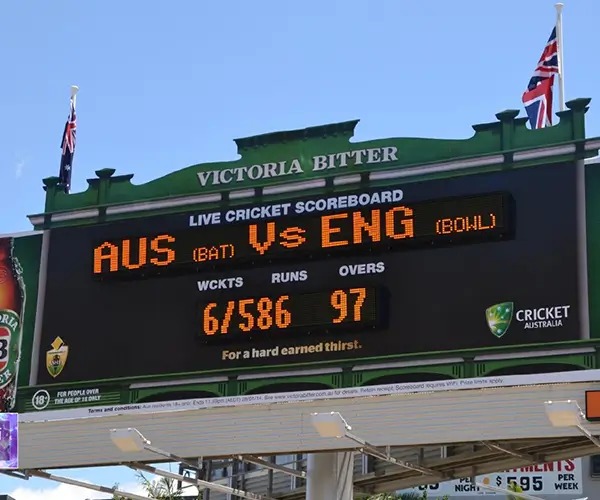
Say you switch on a match and see this score:
162/4 (17.3)
| Part of the score | Meaning |
|---|---|
| 162 | 162 runs scored, the batting team's total |
| /4 | Four wickets lost, so four batters have been dismissed |
| (17.3) | 17 overs and three legal balls, the amount of legal bowling completed |
Over notation counts completed overs, then legal balls. So 17.3 means 17 complete overs plus three legal deliveries. At six legal deliveries per over, that is 17 × 6 + 3 = 105 legal balls.
In an unfinished 20-over innings with no reduction in the scheduled overs, the side was allocated 120 legal balls. After 105, 15 remain. Those 15 balls only mean something beside the chase target. The cricket scoreboard walkthrough shows both fields in one display.
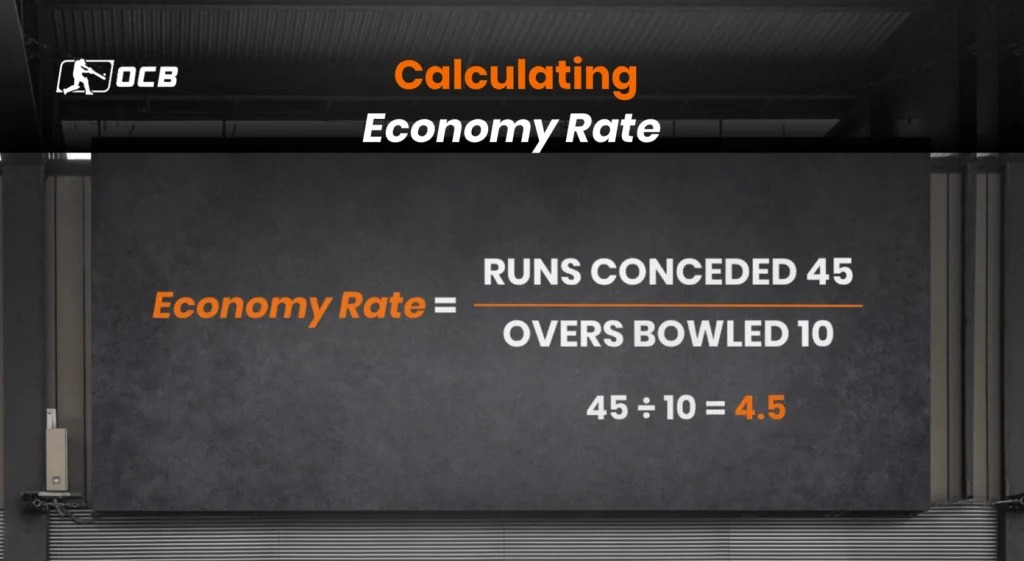
Whether 162 is a strong score depends on the innings. Three questions settle it:
- Innings: Is the team setting a target or chasing one?
- Target: If it is chasing, how many runs does it need?
- Remaining: How many wickets and legal deliveries are left?
In a chase, required run rate is the number of runs per over needed to reach the target within the remaining overs.
T20, ODI, or Test: which format should you watch?
The three main international formats differ in the time they take. T20I and ODI cricket have set over limits per innings. A Test can run several days, with up to two innings per team. The T20, ODI and Test comparison puts the formats side by side.
| Format | Standard structure | Viewing experience | Good fit for |
|---|---|---|---|
| T20I | 20 overs per side | Short, concentrated contest | You want a compact introduction |
| ODI | 50 overs per side | Longer one-day contest | You like a longer innings and shifting tactics |
| Test | Up to two innings per side | Multiple days and sessions | You will follow a sustained contest |
Test cricket builds suspense differently. The position develops over several sessions, and a match can end in a draw. These descriptions cover international formats. Reduced-overs games and other competitions can use different arrangements.
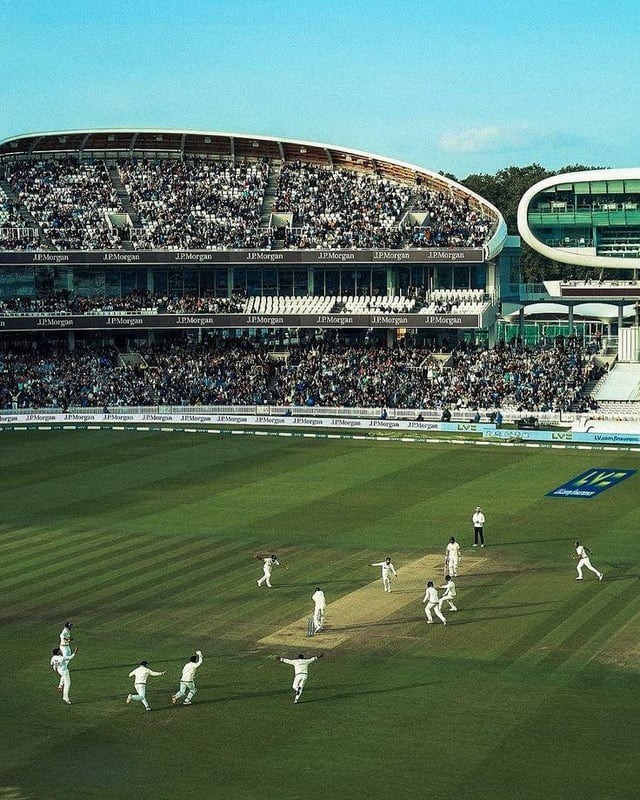
The ICC's three-format overview explains the international structures in more detail.
Overseas matches can start at awkward hours for US viewers. One spectator described the problem:
For a test match, what are the typical times of a match? What local time to they start, and which local time do they call it a day? I might be interested in checking out some Test cricket, but it sounds like to watch India-Australia, I'd have to hope for some serious insomnia to stay up all night to watch.
Take the match's scheduled local start time and convert it to your US time zone. If live viewing is impractical, authorized replays or highlights are an option when the distributor offers them.
You can also follow Team USA, attend a franchise match or join a neighborhood team. The US cricket guide separates those routes.
Cricket vs. baseball: where the analogy helps and fails
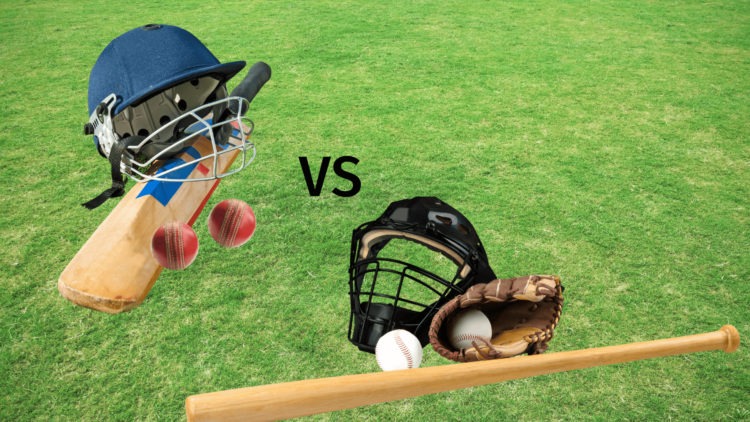
A baseball fan will recognize one side batting to score while fielders try to make outs. In cricket, batters earn runs by running between wickets. A cricket innings covers one team's batting, while a baseball inning gives each team a turn at bat.
Which cricket rules apply? Laws versus playing conditions
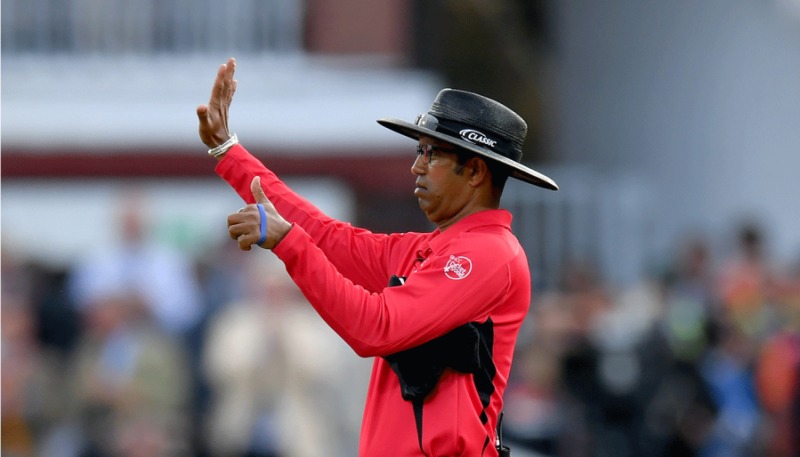
The MCC Laws of Cricket provide the game's foundational rules. International matches also use ICC Playing Conditions, which can vary by format and competition.
The MCC's 2017 Code, Fourth Edition (2026), took effect on October 1, 2026. The ICC's October 2026 changes apply to international series starting on or after that date. A series already in progress may continue under earlier playing conditions.
If a ruling on wides, no-balls or dismissals seems to contradict a general explanation, work through this order:
- Find the relevant Law and edition of the MCC code.
- Find the playing conditions for that competition and format.
- Check their effective period against the match or series.
How to watch cricket in the United States
An international tournament, a bilateral series and a US domestic league can each have different coverage. Major League Cricket, for example, announced a 2026 US domestic season.
Broadcast and streaming rights differ by competition, season, country and distributor. A service that carries one event may show only highlights of another, or nothing.
- Name the event: Find the competition and the match date.
- Find the US rights details: Look for official tournament or rights-holder information for United States viewers.
- Compare the offering: Check whether it includes a live match, replay, highlights or a combination before you subscribe.
How to start playing cricket in the United States
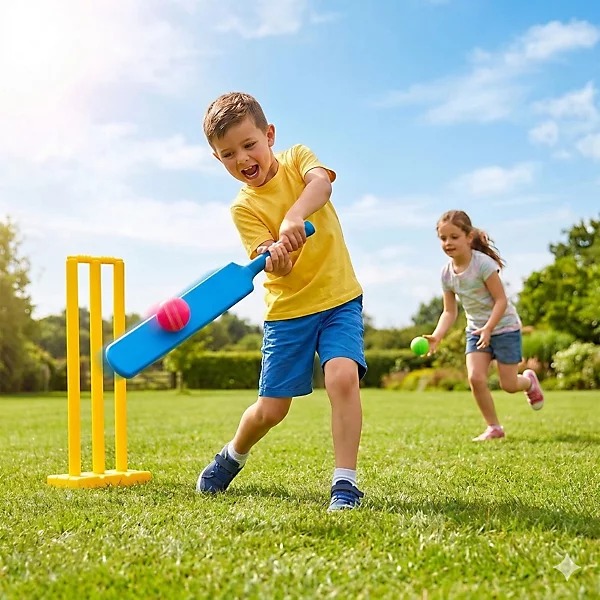
Pick a session that matches your experience and the ball it uses. Ask the organizer these questions:
| Ask the organizer | What to establish |
|---|---|
| Who may join? | Adult or youth beginner eligibility, since age and prior experience vary |
| What ball is used? | Tennis-ball or hard-ball format. Equipment and safety needs differ, and hard-ball sessions call for protective gear and instruction |
| Is there instruction? | Coaching or supervised practice |
| Is equipment available? | Borrowing options and protective items |
| Where and when? | Location and current session schedule |
| What does it cost? | Current participation price |
Washington Cricket Academy lists a children's Beginners (Tennis Ball) program separately from an adult participation program. It is one US example. Its listing doesn't confirm current openings. The beginner cricket guide explains runs, wickets and overs before moving into match formats.
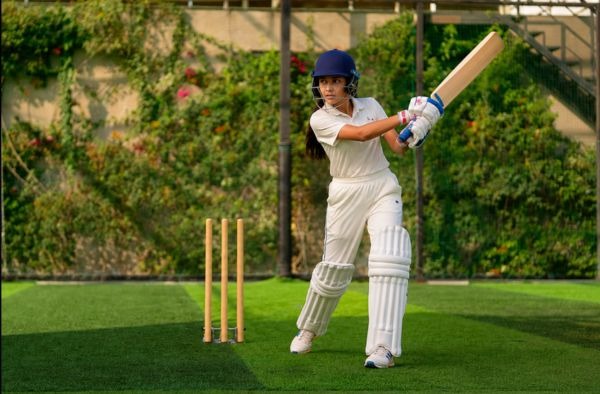
Where to go next: choose your cricket guide
Pick your next question. The middle column jumps to that section of this page, and the last column names the deeper guide.
| Your next question | Go to now | For more depth |
|---|---|---|
| How does the sport work? | Cricket basics | Cricket for Beginners |
| What does a score mean? | Score explanation | How to Read a Cricket Scoreboard |
| Which match format suits me? | Format comparison | Cricket Formats Explained |
| Which rules apply? | Rules and conditions | Cricket Rules and Laws Explained |
| How can I watch in the US? | US viewing pathway | How to Watch Cricket in the USA |
| Where can I start playing? | Beginner participation | How to Start Playing Cricket |
You do not need every cricket Law to start watching. The total, wickets and overs are enough.